McDonald’s Is Quietly Changing How Customers Pay

The biggest change at McDonald’s isn’t on the menu. It’s happening at the register—and most people barely notice it. Behind the scenes, the fast-food giant is reshaping how customers pay, and over time, it could change what a simple order feels like.
A Subtle Shift With Big Implications
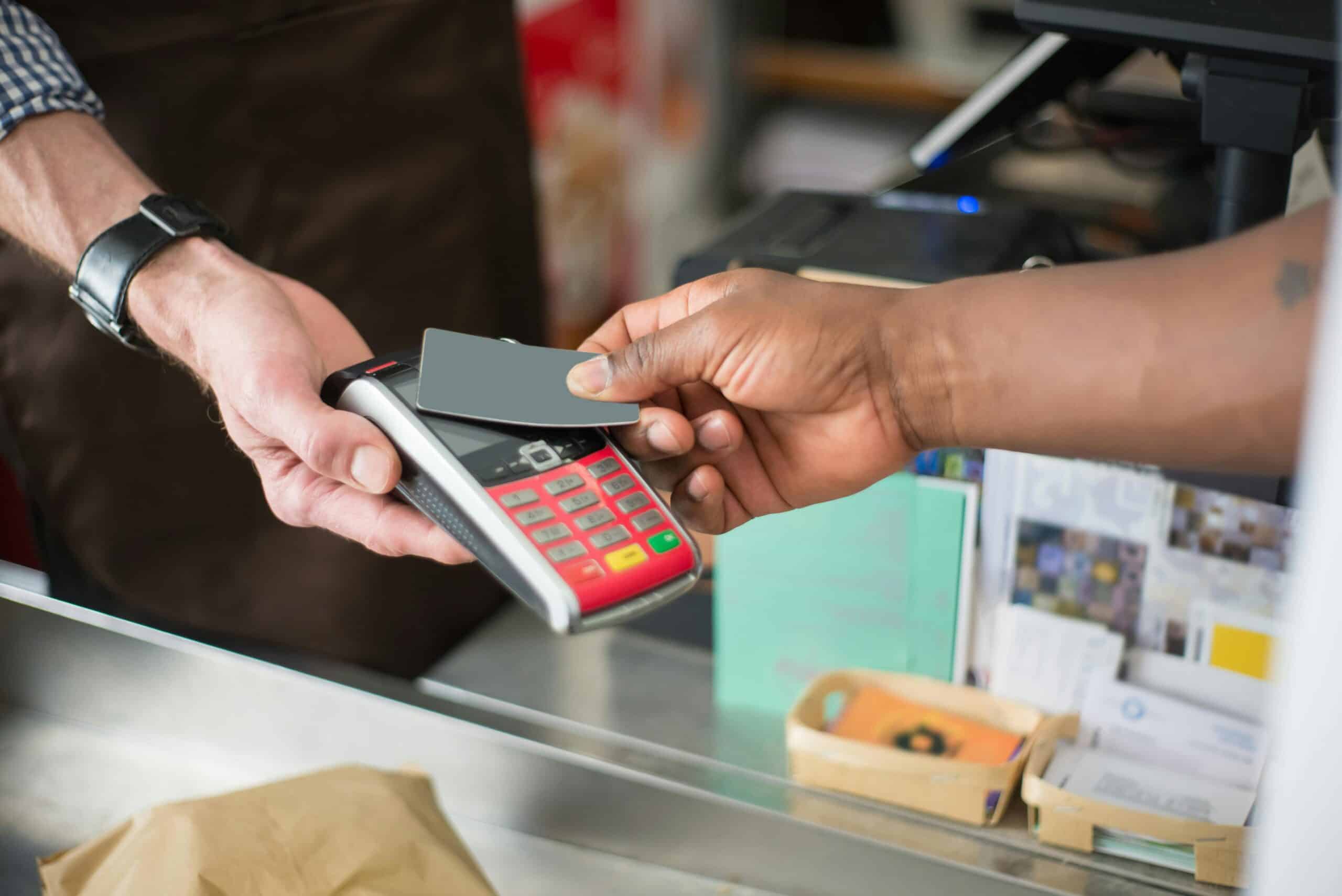
McDonald’s is gradually moving toward a more digital-first payment experience, where cards, mobile apps, and tap-to-pay methods take center stage. While cash is still accepted, the company is clearly building its systems around faster, cashless transactions. For many customers, this shift may already feel familiar, especially if they regularly use mobile ordering or contactless payments.
Why Cash Is Becoming Less Central

One of the biggest drivers behind this change is something small but significant: the penny. As the U.S. moves toward phasing out one-cent coins, restaurants like McDonald’s have begun adjusting how cash transactions work. In some cases, totals are rounded up or down to the nearest nickel when exact change is not available. That may seem minor, but it introduces small differences that add up over time.
How This Affects What You Pay
Under this system, customers paying with cash may occasionally pay a few cents more or less than the listed price, depending on how the total rounds. Meanwhile, card and digital payments remain exact. For those who track every dollar, that difference can make digital payments feel more predictable.
The Push Toward Digital Payments
This change is not happening in isolation. McDonald’s has been investing heavily in digital infrastructure, including mobile ordering, loyalty programs, and faster checkout systems. As these tools improve, the company expects more customers to shift toward app-based and card payments, where transactions are quicker and easier to manage.
Speed, Convenience, and Data
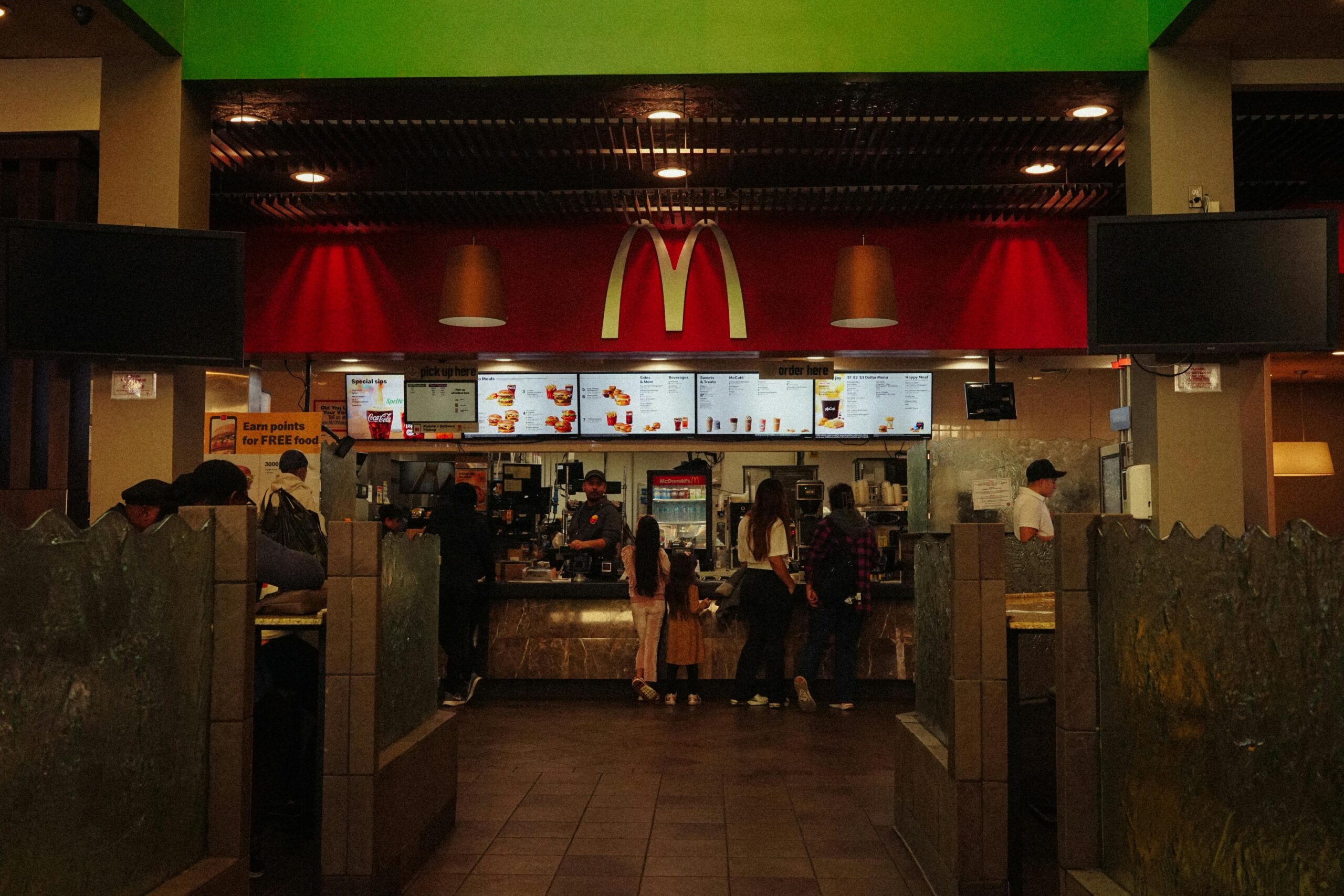
From McDonald’s perspective, digital payments offer more than convenience. They help speed up service, reduce errors, and create a smoother flow during busy hours. They also allow the company to better understand customer habits, which can lead to more personalized deals and promotions through the app.
What Happens to Cash Users
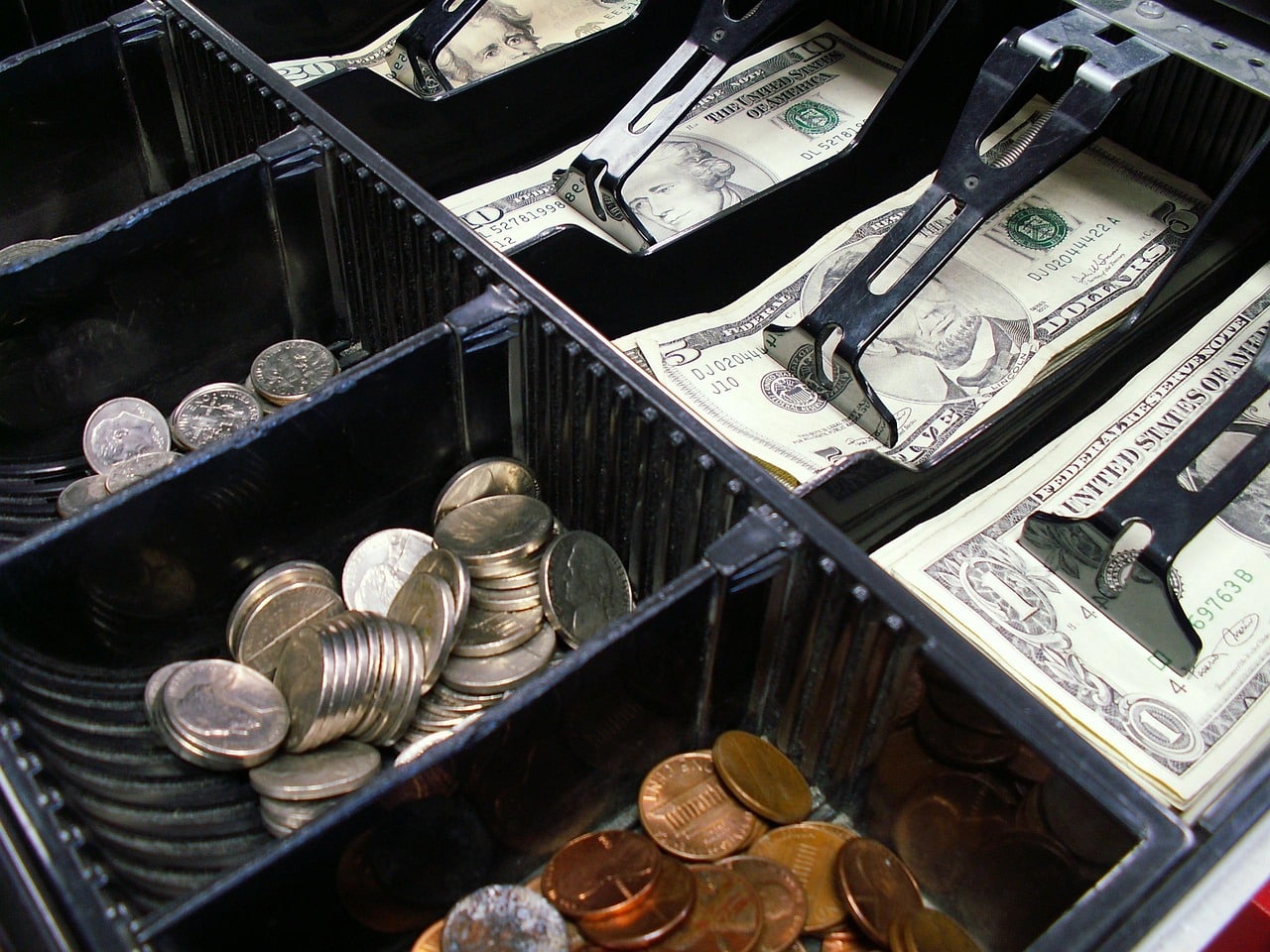
Cash is not disappearing overnight, but its role is clearly shrinking. Customers who prefer cash may still use it, but they may notice small differences in totals or fewer incentives compared to digital users. Over time, the experience may feel slightly less tailored to them as systems continue to evolve.
A Broader Industry Shift
McDonald’s is not alone in this transition. Other fast-food chains are making similar adjustments as cash usage declines and digital payments become more common. What makes McDonald’s important is its scale. When a company this large shifts direction, it often sets the tone for the rest of the industry.
What Customers May Start to Notice
Faster lines, more app-based promotions, and fewer delays at checkout are all part of the experience McDonald’s is building. At the same time, the gap between cash and digital convenience may continue to widen.
A Small Change That Could Redefine Everyday Transactions
On the surface, this is a small adjustment in how payments are handled. But it points to something much bigger. The way people pay for everyday purchases is changing, and fast-food chains are helping lead that shift. For customers, it may mean faster service and easier ordering, but also a quiet move away from the habits many grew up with. Looking ahead, the question is not whether digital payments will take over, but how quickly. And for many people, that change is already happening, one order at a time.