Shrinkflation Hits McDonald’s as Customers Say McNuggets Are Half the Size They Used to Be
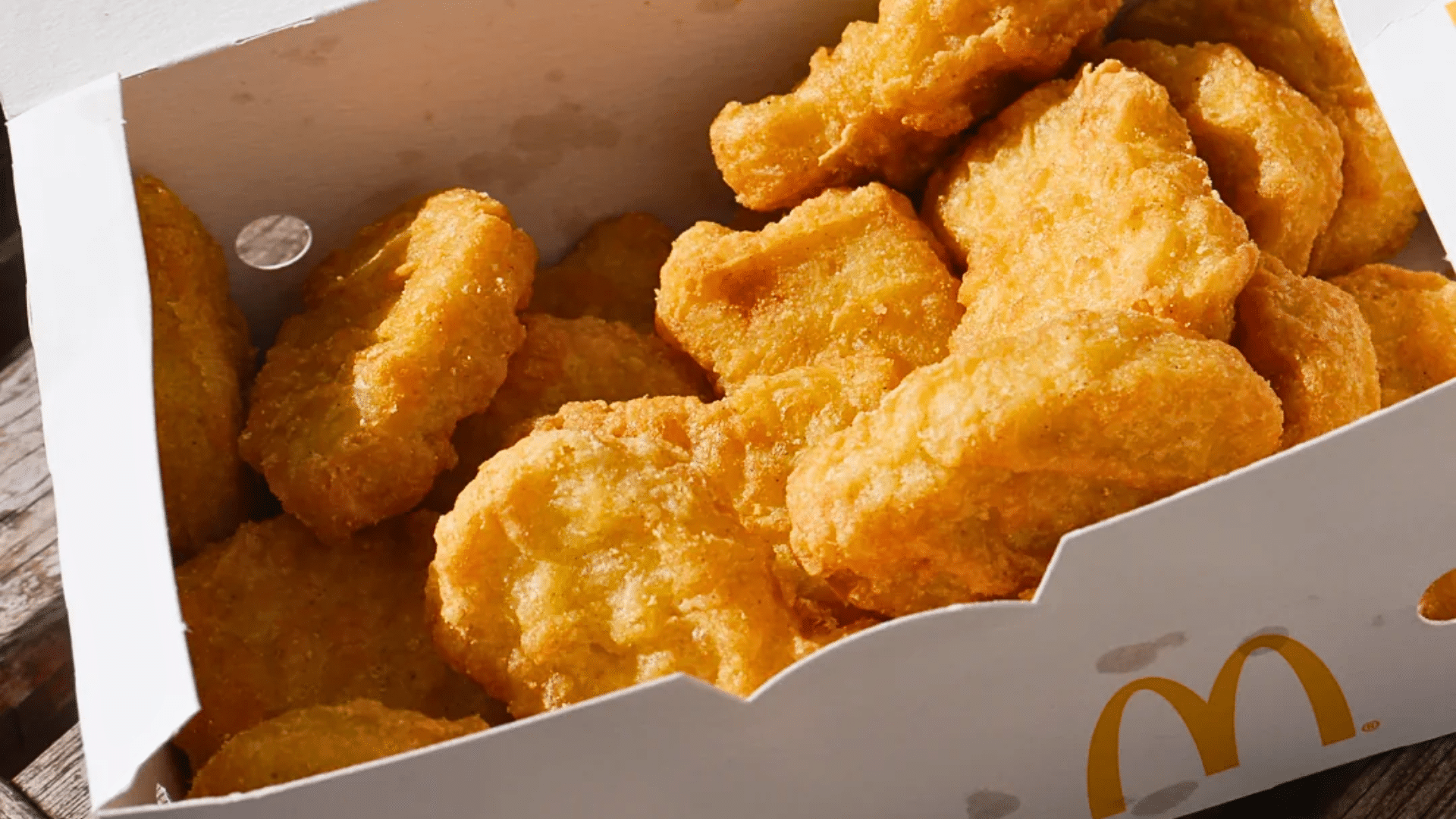

American consumers are feeling the pinch as grocery bills rise, but the frustration is boiling over at the fast-food drive-thru. McDonald’s is facing intense backlash online from loyal fans who are convinced that their beloved Chicken McNuggets have fallen victim to shrinkflation. Despite steady or rising menu prices, diners across the country are reporting that the actual volume of food they receive has noticeably plummeted, turning a quick lunch into an expensive disappointment.
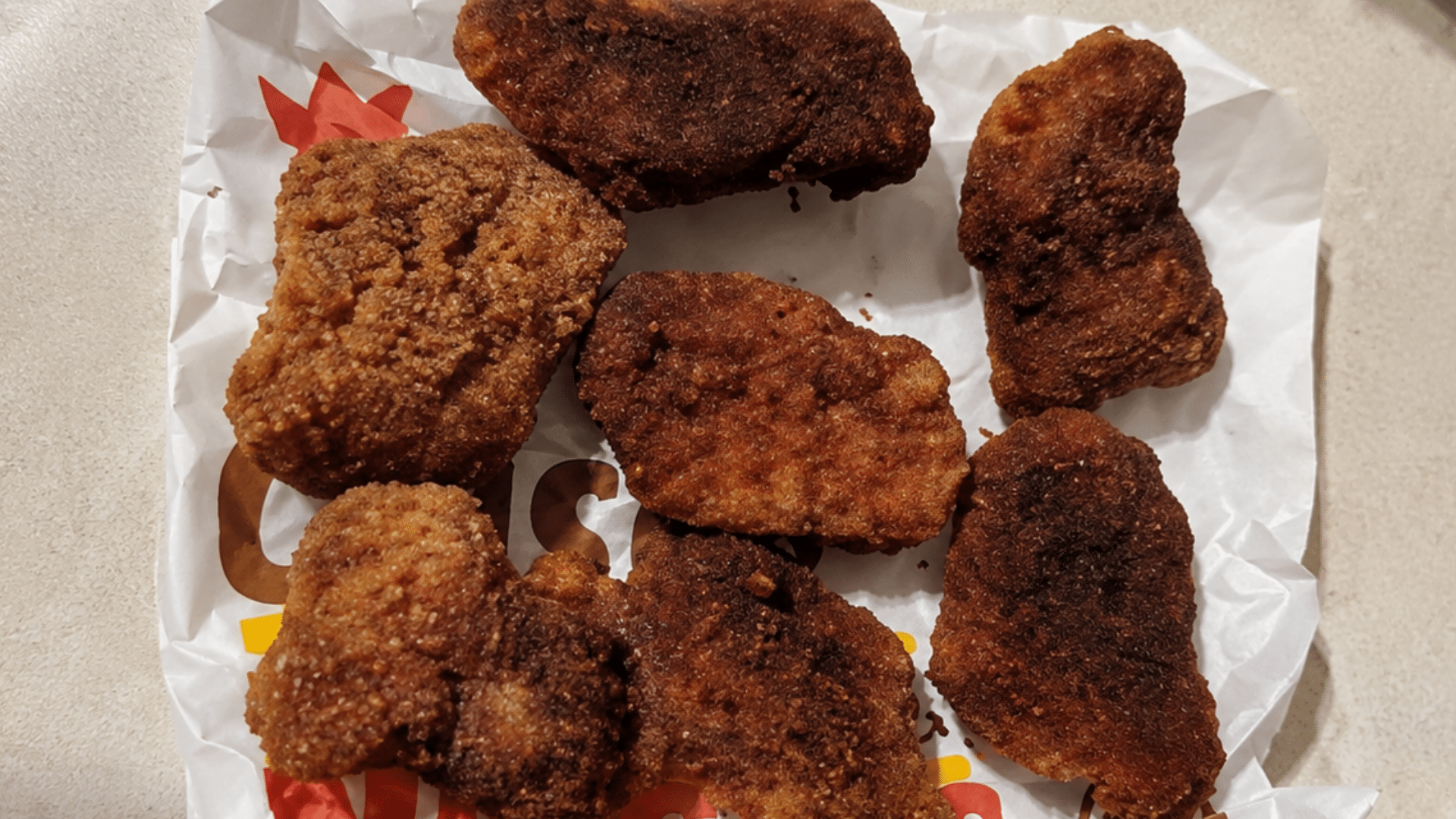
The online outrage gained momentum after a customer posted photographic evidence on Reddit showing a stark difference in their order. The user claimed that their McNuggets had thinned to about half of their previous width, presenting a flat, deflated appearance. While some respondents suggested that this could simply be a batch of overcooked or defective product, many others chimed in to say they have witnessed the exact same shrinking phenomenon at their local franchises.
The inconsistency has led to a highly frustrating dining experience for everyday customers. One reply on social media noted that their orders keep fluctuating wildly, with thin and regular-sized nuggets mixed together in the very same cardboard box. Observers suspect that automated manufacturing lines may be quietly shifting to a smaller mold to preserve corporate profit margins. This has left many fast-food lovers feeling like they are getting shortchanged on a staple meal.
Decreasing Portions and Decreasing Quality
The complaints regarding the iconic breaded chicken bites extend far beyond their shrinking physical dimensions. Many disappointed diners have taken to Reddit to express their frustration over what they describe as a noticeable decline in food quality. Critics argue that the batter lacks its signature seasoning, leaving a bland taste and a distinct lack of that satisfying tempura crunch. This decline has made the rapidly increasing prices even harder for families to swallow.
Several consumers have pointed out a rubbery, spongy texture to the meat that differs from the tender chicken they remember. Some compared the current fast-food offering to low-tier supermarket brands, arguing that frozen retail options actually taste superior now. When the price of a simple nugget combo begins to rival the cost of a full casual restaurant entree, consumers quickly lose patience with subpar ingredients. The value proposition is rapidly eroding.
While corporate representatives have previously stated there are no official changes to the portion sizes, former employees and industry insiders suggest otherwise. Former McDonald’s corporate chef Mike Haracz noted in a social media video that while he lacked internal data, the nuggets did seem thinner to him than in years past. He pointed to more noticeable “shelling,” which is the empty gap of air that forms between the chicken meat and the outer fried batter.
Why Consumers Are Abandoning the Golden Arches
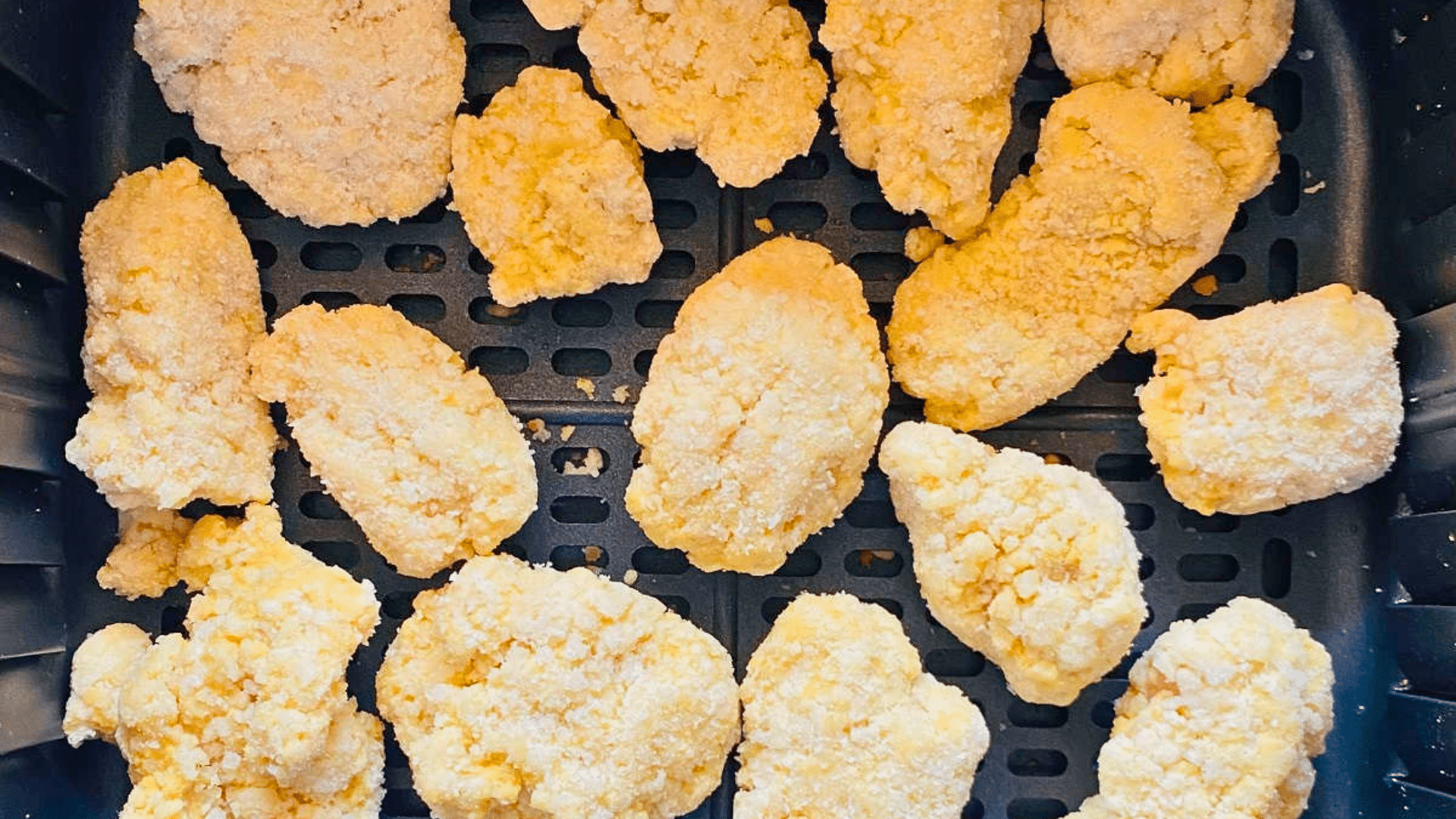
Rather than continuing to spend their hard-earned money on diminishing portions, many fed-up Americans are actively choosing to take their business elsewhere. Some are choosing rival fast-food chains that they perceive as offering better value, while a growing number are opting out of the drive-thru entirely. The rise of high-quality frozen chicken brands has made at-home preparation a highly appealing alternative for busy households looking to cut back on daily expenses.
Modern air fryers and convection ovens have made it incredibly easy to recreate a crispy, restaurant-style texture at home in just a few minutes. Because retail bags of frozen nuggets are far more cost-effective per ounce, the financial math is highly compelling for parents feeding hungry children. This shift in consumer behavior is forcing a wider conversation about whether fast-food giants have finally pushed their pricing power too far in a highly competitive market.
The phenomenon is not unique to a single chain, as shrinkflation has been documented across various beloved American food brands. From smaller donuts at regional coffee shops to thinned-out burger patties, corporations are finding subtle ways to manage their rising ingredient and labor costs. However, because consumers have become hyper-aware of these practices, the attempts to sneak smaller portions past the public are being met with instant viral exposure.
Taking Back Control of Your Kitchen and Budget
As fast-food corporations continue to raise prices while minimizing their products, the ultimate power rests in the hands of the shopper. One of the best ways to combat shrinkflation is to embrace culinary creativity and prepare homemade chicken nuggets using affordable cuts of meat. By utilizing boneless chicken thighs or breasts, home cooks can produce a far healthier and tastier meal for a fraction of the cost of a commercial combo.
Making nuggets at home also allows families to completely control the quality of the ingredients and the level of seasoning in the batter. You can easily customize the coating with panko breadcrumbs or a classic tempura style to achieve the exact level of crunch you desire without any artificial additives. This approach turns a frustrating economic trend into an opportunity to learn new skills and enjoy wholesome food with your loved ones.
The controversy surrounding the shrinking McNuggets serves as a stark reminder of the changing fast-food landscape in 2026. Will major chains listen to the growing chorus of unsatisfied customers and restore their classic portions, or will they continue to push the boundaries of what consumers will tolerate? Until the value returns to the drive-thru lane, the smartest move for hungry Americans is to keep their ovens preheated and their pantries stocked.

