McDonald’s Bringing Back $3 Menu Items as Traffic From Lower-Income Customers Declines

The Golden Arches are undergoing a historic transformation as the reality of a two-tier economy sets in across America. For decades, fast food served as the ultimate budget-friendly safety net, but a staggering 40% jump in menu prices since 2019 has pushed many lower-income households to the breaking point. In a bold attempt to reclaim its identity as the king of affordability, McDonald’s is set to launch McValue 2.0 this April. This new initiative introduces a dedicated menu of items priced at $3 or less, marking a significant pivot from the aggressive price hikes that characterized the post-pandemic era.
The move comes as CEO Chris Kempczinski admits that traffic from budget-conscious diners has dropped by nearly double digits industry-wide. With households earning under $100,000, a demographic that makes up nearly half of the fast-food customer base, trading down to grocery stores and home-cooked meals, the pressure to pivot is immense. The curiosity surrounding this launch is fueled by the realization that fast food is no longer the default choice for a cheap lunch. The answer for McDonald’s lies in a return to its roots, focusing on high-volume, low-margin deals that prioritize market share over short-term price optimization.
This bridge to a new value era is a calculated risk aimed at restoring consumer sentiment. Internal memos suggest that the morning daypart has been hit the hardest, as many workers have simply begun skipping breakfast to save money. To combat this, McValue 2.0 will feature a flagship $4 breakfast bundle, including a McMuffin, hash brown, and coffee. What researchers have found next is that the “Value Wars” of 2026 are not just about price, but about precision. The real discovery for the industry is that once a customer is priced out, it takes a seismic shift in value to bring them back.
The Mechanics Of The Discount Overhaul
The specifics of the McValue 2.0 rollout represent a more streamlined approach to discounting than previous efforts. Starting next month, the buy-one-add-one-for-a-dollar promotion will be retired in favor of a permanent $3-and-under menu tier. This lineup will include fan favorites such as four-piece Chicken McNuggets and sausage biscuits. By anchoring prices at the $3 mark, McDonald’s is looking to compete directly with rival value menus, such as Taco Bell’s popular tiered offerings. This grounded strategy aims to simplify the ordering process for customers who have grown frustrated with fluctuating app-only deals and regional price variations.
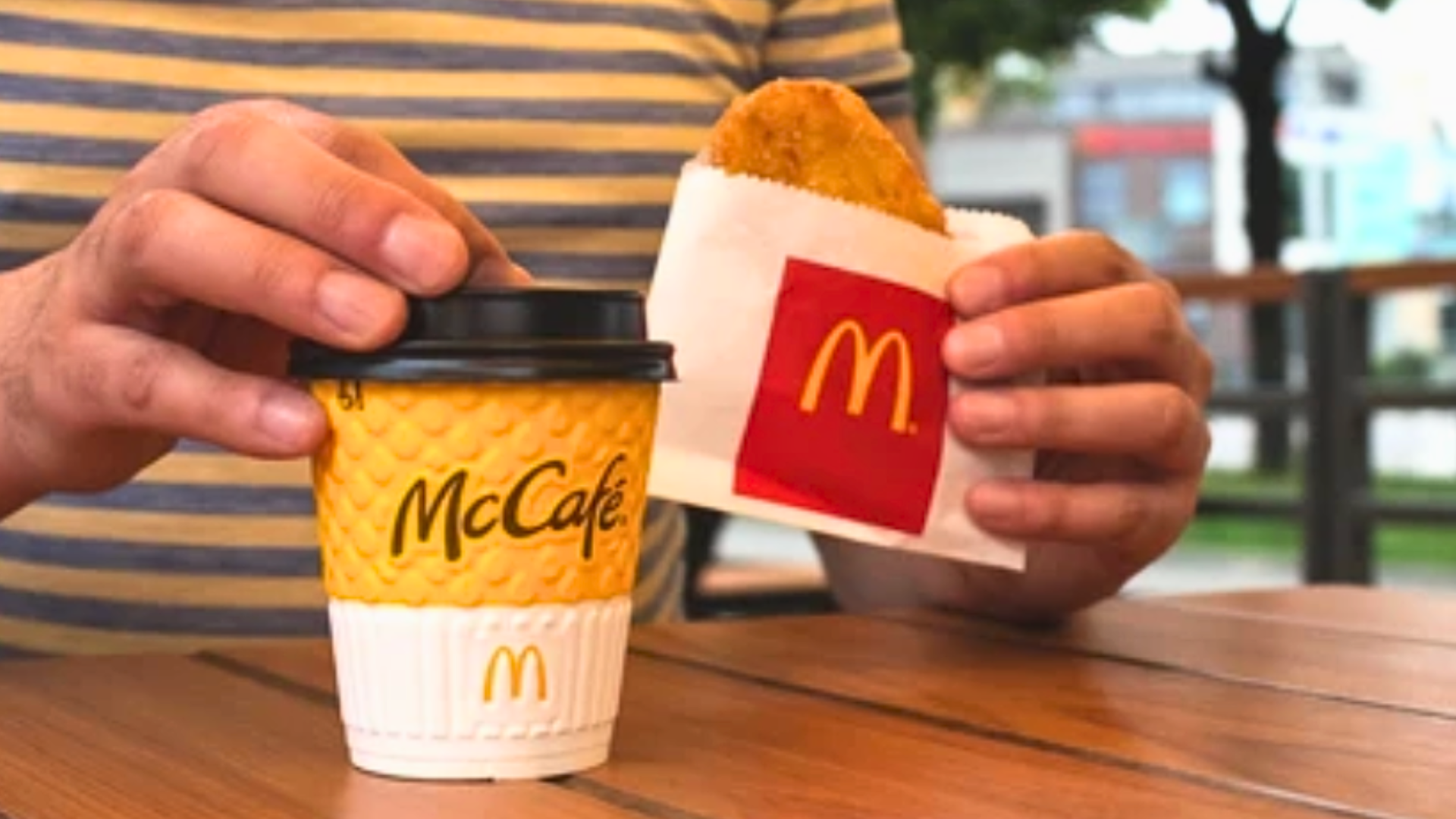
The physical reality of the $4 breakfast meal is perhaps the most aggressive part of the plan. By bundling three items that would typically cost over $7 when purchased individually, McDonald’s is explicitly undercutting its own traditional pricing models. CFO Ian Borden revealed that the company has even set aside roughly $35 million in support for franchisees who take a financial hit from these lower prices. This concrete detail adds significant credibility to the company’s claim that it is not going to get beat on value, even if it means subsidizing the burgers in the short term.
These details matter because they highlight the widening wealth divide in the dining industry. While fast-casual chains like Chipotle and Cava continue to see growth from affluent diners, QSR (Quick Service Restaurant) giants like McDonald’s are fighting to stay relevant to the middle class. The technical success of this strategy will be measured not just in dollars, but in transaction counts. If McDonald’s can use these $3 hooks to drive traffic, it believes the algorithmic upselling and digital loyalty apps can eventually bridge the gap in profit margins.
Consequences Of A Split Consumer Market
The larger implications of McDonald’s price cuts connect to a broader trend where the economy has split into two distinct spending tiers. While higher-end consumers are still spending at casual-dining and fine-dining establishments, the lower-income demographic has reached a convenience plateau. Data shows that restaurant costs have climbed twice as fast as grocery prices over the last two years, leading to a major shift in consumer behavior. This fascination with innovation-led value is a survival tactic for an industry that has seen a 10% decrease in visits from middle-income households.
This shift has created a high-stakes conflict between major chains. Wendy’s and Burger King have also recorded slumps in breakfast sales, leading to their own aggressive tiered meal deals. The emotional arc for the consumer has moved from frustration over $18 combo meals to a cautious return to the drive-thru. By simplified operations and focusing on hard-hitting bundles, these chains are attempting to prove that the “Big Mac combo” hasn’t outgrown the average American’s wallet. The concern is no longer just about inflation, but about the long-term viability of the fast-food business model.
Widening the scope, 2026 is becoming a year defined by precision rather than broad expansion. Investors are keenly watching to see if these value plays can reverse the declining traffic trends that plagued the industry in late 2025. The emotional journey from “skipping meals” to “returning to the Arches” is one that McDonald’s is betting $85 million in advertising on. As grocery prices stabilize, the fascination with value perception is the only thing standing between a full dining room and a ghost-town lobby.
The Evolution Of High-Tech Affordability
As the McValue 2.0 menu officially takes over in April, the next step involves a massive digital integration effort. McDonald’s plans to use its integrated loyalty ecosystem to personalize these deals, effectively moving beyond simple transaction processing to algorithmic engagement. The forward-looking consequences of this shift include a move toward access-centric dining, where the mobile app becomes the primary gateway for affordability. While the $3 menu is the hook, the data harvested from those orders will dictate the future of the brand’s menu design.
The return to urgency is felt by competitors who must now decide if they can afford to match McDonald’s subsidized pricing. The only way to win in the current landscape is to pair aggressive pricing with cultural relevance, as seen with McDonald’s recent holiday promotions and energy-drink collaborations under the McCafe brand. As same-store sales are projected to grow by 4.9% industry-wide through 2031, the winners will be those who can convince the budget-conscious shopper that a $3 burger is still a better deal than a home-cooked sandwich.
The launch of $3 items serves as a powerful reminder of the industry’s need to remain agile. As fireballs of inflation begin to cool, the cost of customer loyalty has never been higher. The struggle for the American wallet has moved from the boardroom to the $3 menu board. We must now accept that the era of the $1 burger is long gone, but the era of the $3 value meal is just beginning, provided the Golden Arches can keep their promise of never getting beat on affordability.

