McDonald’s Rival Chain Files for Bankruptcy, 65 Restaurants Affected


The franchise system has long powered the rapid expansion of global chains like McDonald’s and Burger King. It allows brands to scale quickly without shouldering the full financial burden of each location. However, this structure also places significant pressure on individual operators. When franchisees struggle, the ripple effects can reach the entire brand. This delicate balance between growth and stability remains a defining challenge in the industry.
Past Struggles Highlight Industry Vulnerabilities
In 2024, Carrols Restaurant Group faced major financial difficulties that led to widespread closures. As one of the largest franchise operators, its decline raised concerns about the health of the broader system. Restaurant Brands International intervened by acquiring the struggling operator. The move was part of a broader effort to stabilize operations and restore confidence. It demonstrated how quickly franchise issues can escalate into corporate-level concerns.
Carl’s Jr Faces Similar Franchise Crisis

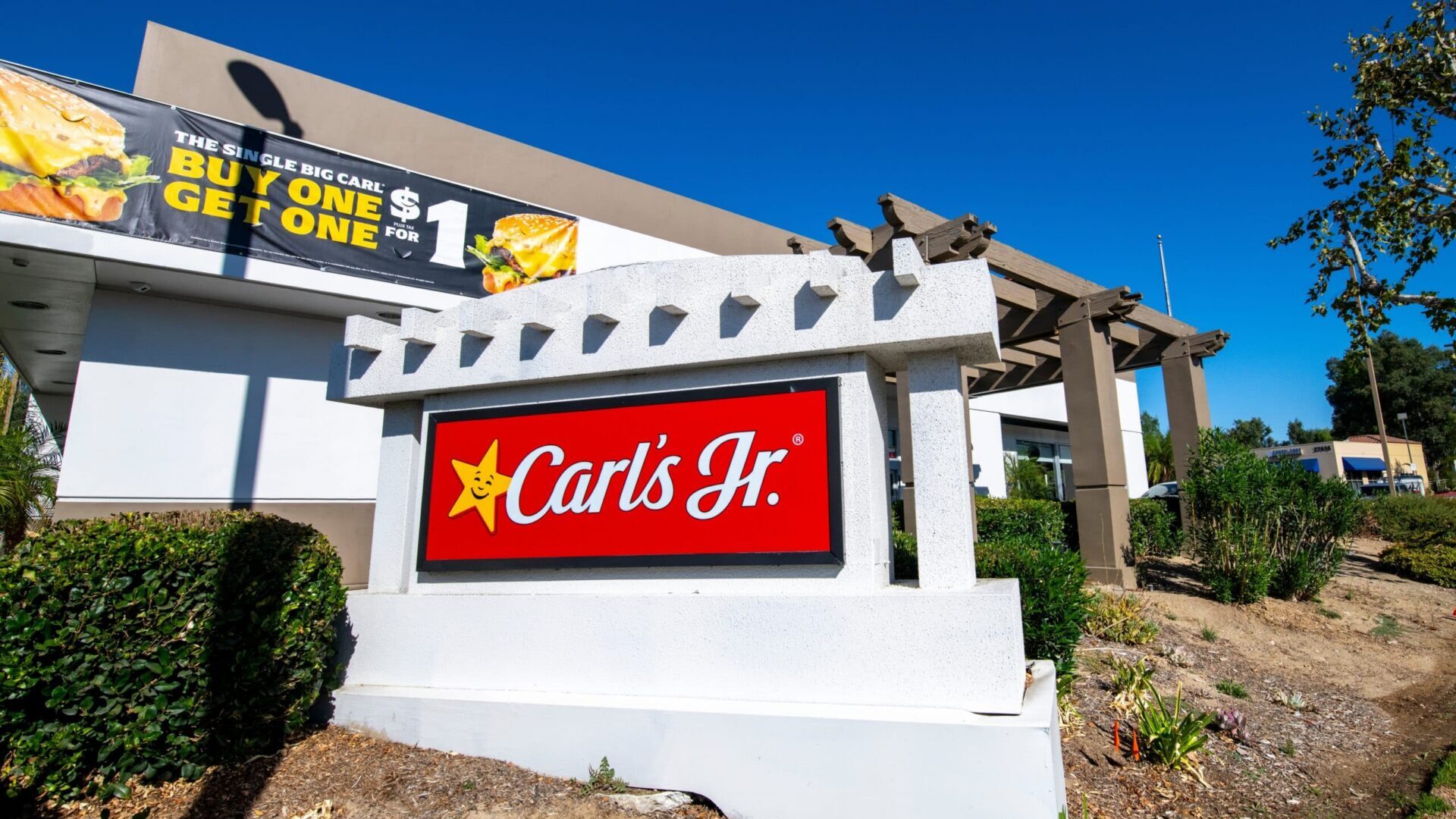
Now, Carl’s Jr. finds itself in a comparable situation. One of its major franchise operators has filed for Chapter 11 bankruptcy protection. The development places renewed scrutiny on the resilience of franchise driven expansion. With dozens of locations involved, the stakes are significant. The situation echoes earlier industry disruptions that unsettled both investors and consumers.
Friendly Franchisees Corporation Files for Bankruptcy

Friendly Franchisees Corporation initiated Chapter 11 proceedings through the U.S. Bankruptcy Court in California. The filing reflects mounting financial pressures that the company could no longer sustain. As a key operator within the Carl’s Jr network, its struggles carry weight. Bankruptcy protection offers a path to restructuring rather than immediate closure. Still, the move signals deep operational challenges.
Sixty Five Restaurants Caught in the Fallout

The franchisee operates 65 Carl’s Jr locations across California. This represents a substantial portion of its regional presence. With over 575 locations statewide, the closures or restructuring of these units could reshape local market dynamics. Employees, suppliers, and customers all feel the impact of such disruptions. The scale of the situation underscores its significance within the brand’s ecosystem.
Multiple Subsidiaries Included in Filing

The bankruptcy filing extends beyond a single entity. Subsidiaries such as Senior Classic Leasing, DFG Restaurants, and Second Star Holdings are included. Additional affiliated companies are also part of the restructuring process. This network of filings highlights the complexity of modern franchise operations. It reflects how interconnected financial structures can amplify risk.
Company Assures Issue Is Isolated
In response, Carl’s Jr. emphasized that the issue is limited to one franchise group. The company reassured customers and stakeholders that other locations remain unaffected. It also reaffirmed its commitment to quality and long term growth. Such statements aim to prevent broader reputational damage. Maintaining consumer trust is crucial during moments of instability.
Rising Costs Continue to Pressure Operators
The broader fast food sector has faced increasing financial strain in recent years. Labor, food supplies, and rent have all become more expensive. These rising costs squeeze profit margins for franchise owners. At the same time, consumer demand has shown signs of softening. Together, these factors create a challenging environment for operators to survive.
Industry Wide Pattern of Bankruptcies Emerges

This case is not an isolated incident. Other franchisees tied to major brands have also filed for bankruptcy in recent years. Operators linked to Wendy’s and Burger King have encountered similar struggles. The pattern suggests systemic issues rather than individual mismanagement. Analysts warn that more closures could follow if conditions do not improve. The industry appears to be entering a period of consolidation.
Future of Fast Food Footprint Faces Uncertainty

The challenges facing franchisees raise broader questions about the future of fast food expansion. Experts predict a potential reduction in the number of physical locations. Some restaurants may disappear entirely as economic pressures persist. For brands like Carl’s Jr, adaptability will be essential to long term survival. This moment may mark a turning point in how the industry balances growth with sustainability.