McDonald’s Says the Only Way to Remove Its Small Order Fee Is to ‘Spend More Money’
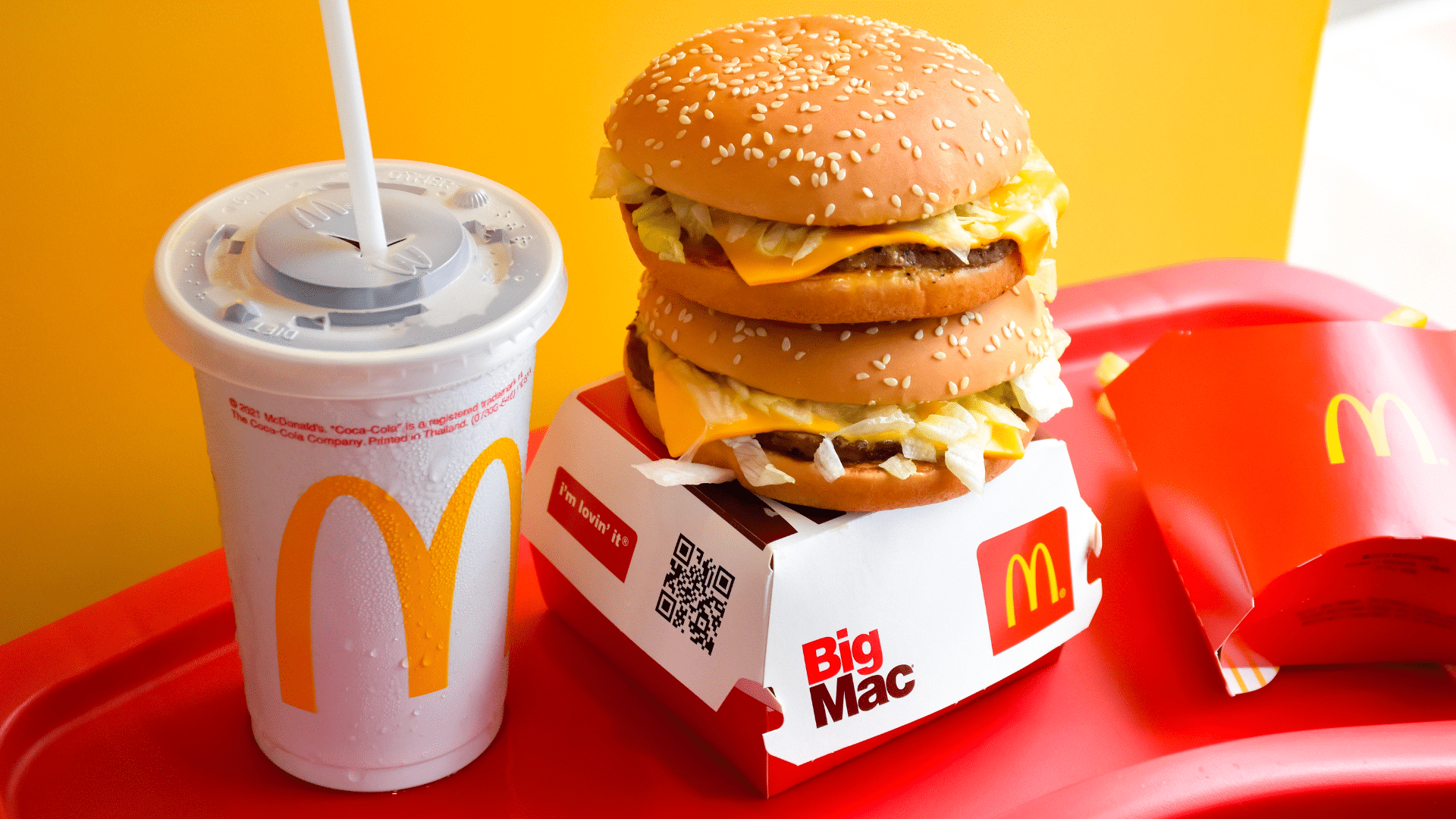

The convenience of ordering fast food through mobile apps has reshaped how people interact with their favorite brands. With just a few taps, meals arrive at the doorstep, often accompanied by discounts or exclusive deals. However, this streamlined experience can quickly lose its appeal when additional charges appear at checkout. Among them, one fee in particular has sparked confusion and frustration, the small order fee.
This charge does not apply to every purchase, as it is typically added only to delivery orders that fall below a certain spending threshold. While the company acknowledges the existence of the fee on its platform, it does not clearly define the minimum amount required to avoid it. In practice, many customers notice that orders under approximately ten dollars tend to trigger an extra cost that can range from a couple of dollars to slightly more, depending on location.
The reaction from customers has been mixed, though often critical. Online discussions reveal a sense of dissatisfaction, especially with the suggested solution. To avoid the fee, users are encouraged to increase their total order value, which many interpret as counterintuitive. For some, this has led to reconsidering delivery altogether, as the accumulation of small charges begins to outweigh the convenience.
Why a Small Order Fee Exists in The First Place
From a business perspective, the reasoning behind this fee is relatively straightforward. Delivery services involve fixed operational costs that remain constant regardless of the order size. Whether a customer orders a single item or a full meal, the logistics behind delivering that order require time, labor, and transportation resources.
This is why smaller purchases can become less profitable for companies. If the revenue from an order does not cover the baseline cost of fulfilling it, the business must find alternative ways to balance the equation. The small order fee serves as a mechanism to offset that gap, ensuring that each transaction remains economically viable.
It is also important to recognize that this practice is not unique. Many delivery platforms and restaurant partners apply similar charges under comparable conditions. While the exact thresholds and amounts vary, the underlying logic remains consistent across the industry.
The Role of Third-party Delivery Services

Another layer to consider is how delivery is actually handled. Although orders may be placed through a brand’s own app, the logistics are often managed by external partners. These third-party services introduce additional costs, including driver compensation, fuel, and platform fees, all of which contribute to the final price paid by the customer.
Because these expenses do not fluctuate significantly with the size of an order, smaller purchases naturally create a financial imbalance. A delivery driver still completes the same journey, and the associated costs remain largely unchanged. As a result, companies rely on supplemental fees to maintain profitability on lower-value transactions.
This arrangement highlights the complexity behind what might seem like a simple service. What appears to be a minor surcharge is, in reality, part of a broader system designed to sustain the convenience that customers have come to expect.
Balancing Convenience with Cost

For many consumers, the appeal of delivery lies in its ease and immediacy. Yet, the growing presence of additional fees has prompted a more critical evaluation of that convenience. Small order charges, service fees, and delivery costs can quickly accumulate, transforming an affordable meal into a more expensive experience.
At the same time, businesses must navigate the challenge of covering operational expenses without discouraging customers. While some may question why large corporations do not absorb these costs, financial sustainability often depends on maintaining consistent margins across all orders.
Ultimately, the small order fee reflects a trade-off between accessibility and efficiency. It underscores the reality that convenience, while valuable, comes with its own set of economic considerations. As delivery continues to evolve, both companies and customers will need to adapt to a model where speed and simplicity are balanced against the true cost of service.

