Meatpacking Giant Closes Major Beef Plant Amid Cattle Shortage, Costing 3,200 Jobs

One of the largest meat processors in the US is taking drastic measures as cattle supplies tighten. Tyson Foods will shut down a major beef processing plant in Nebraska, eliminating thousands of jobs in a community heavily tied to the industry. The move marks one of the most visible consequences of a nationwide cattle shortage that continues to reshape the economics of American beef.
A Permanent Closure in Lexington
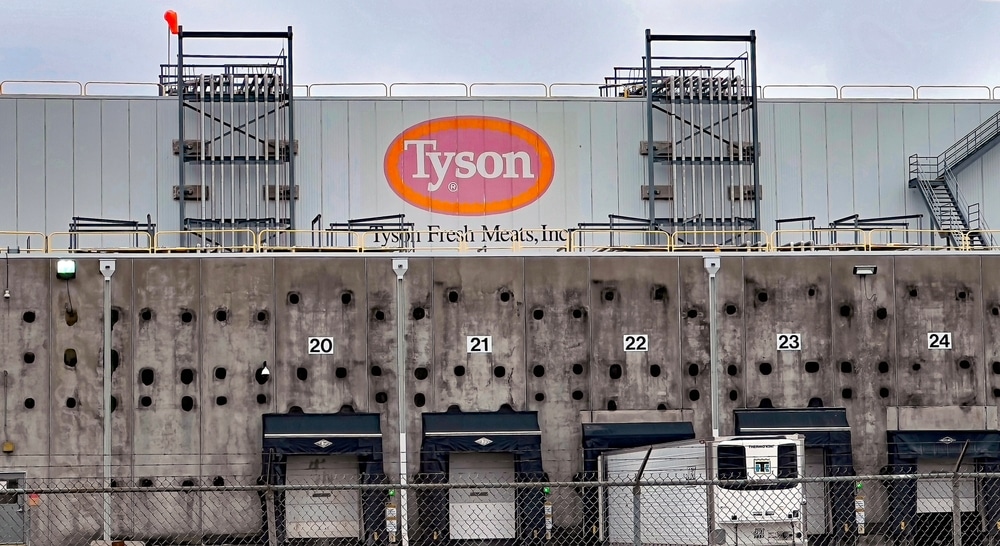
Tyson Foods confirmed it will end operations at its Lexington, Nebraska, beef facility, affecting approximately 3,200 employees. The company described the decision as a strategic reorganization of its beef network, aimed at “right sizing” capacity and maintaining long-term business stability. Tyson said impacted team members will receive support, relocation assistance and opportunities to apply for positions at other facilities.
Ripple Effects Across the Production Chain
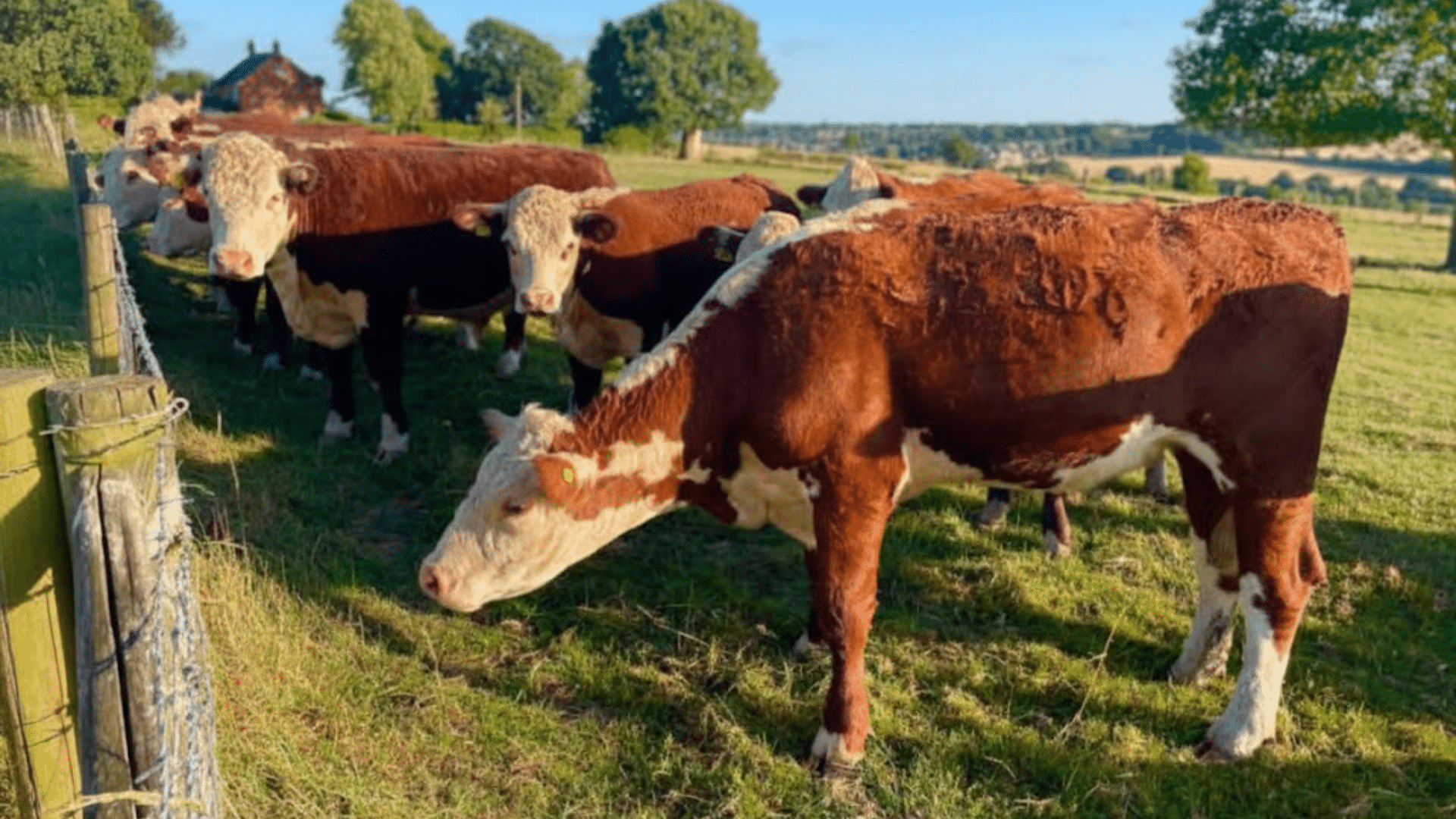
The Lexington plant has the capacity to process roughly 5,000 cattle per day and represents close to 5% of U.S. slaughtering volume. Its closure signals a notable contraction in processing infrastructure. Tyson will convert its Amarillo, Texas, facility to a single shift, affecting an additional 1,700 workers, while shifting production to other plants in an attempt to meet demand.
Nebraska Leaders Urge Calm and Resilience
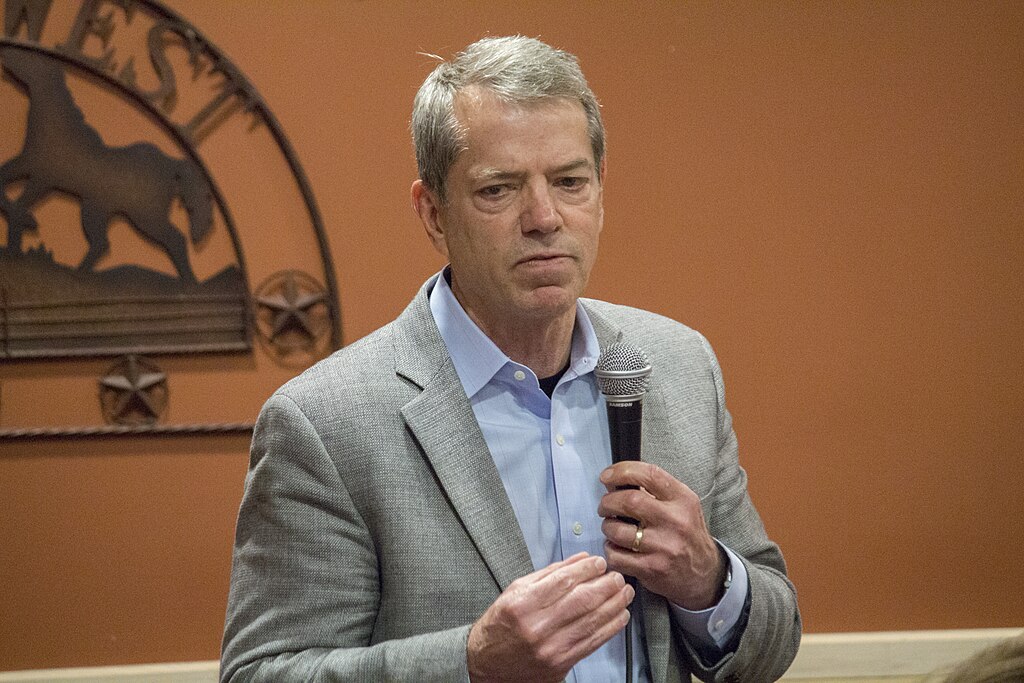
Nebraska Governor Jim Pillen called the state’s cattle industry “resilient and the envy of the world,” urging communities not to view the closure as an irreversible setback. He emphasized emerging opportunities for ranchers and feeders and added that the state would support displaced employees. Tyson leadership has told officials it continues to explore future value-added operations in Nebraska.
A Shrinking Herd Meets High Consumer Demand

Cattle inventories have fallen to their lowest level in roughly 70 years, a key driver of processing reductions and higher beef prices. Severe drought in major ranching regions forced producers to liquidate breeding herds, reducing the pipeline of cattle entering slaughter facilities. Even as consumer demand stays strong, there are simply fewer animals available for processors to purchase and harvest.
The Cattle Cycle and Its Long Recovery Time
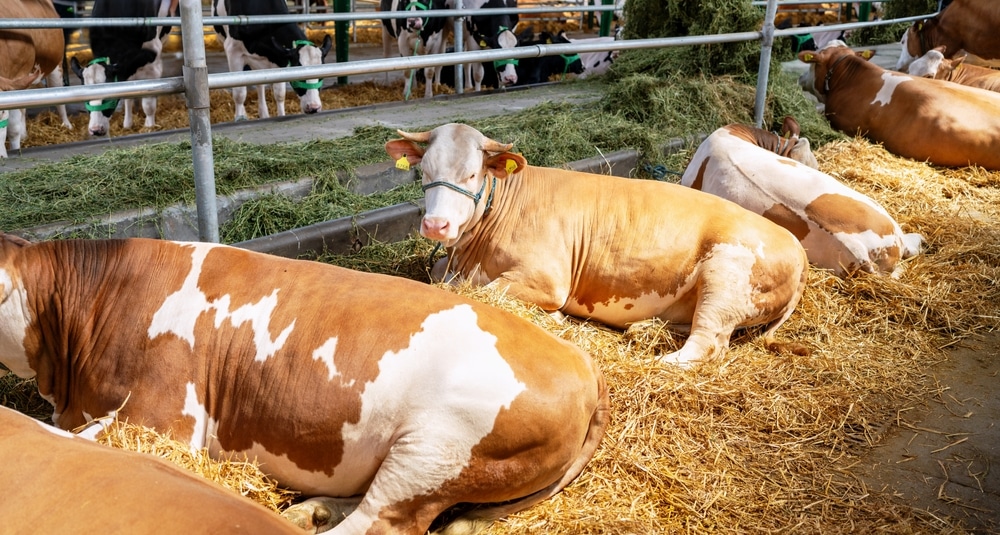
Economists note the U.S. is currently in year seven of cattle herd contraction, meaning expansion efforts are still years away from maturity. If producers hold back heifers to rebuild herds today, meaningful supply increases would not appear until at least 30 months later. Past liquidation decisions, many made during water shortages and soaring feed costs, will take years to reverse.
Costs Have Surged for Ranchers
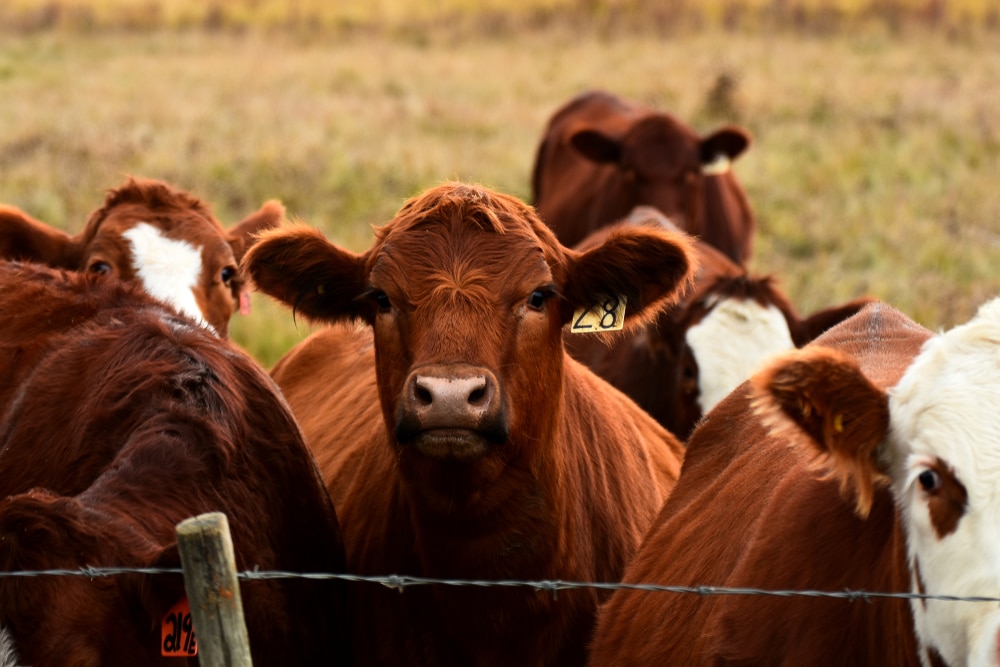
Rancher input costs have soared by more than 50% since 2017, driven by feed expenses, hay shipping, and rising labor and land costs. When pastures deteriorated, many producers trucked water and imported hay, often paying more for freight than feed itself. These pressures, paired with thin margins, pushed some ranchers to sell breeding stock, compounding herd decline.
Imports and Price Pressures Add Uncertainty
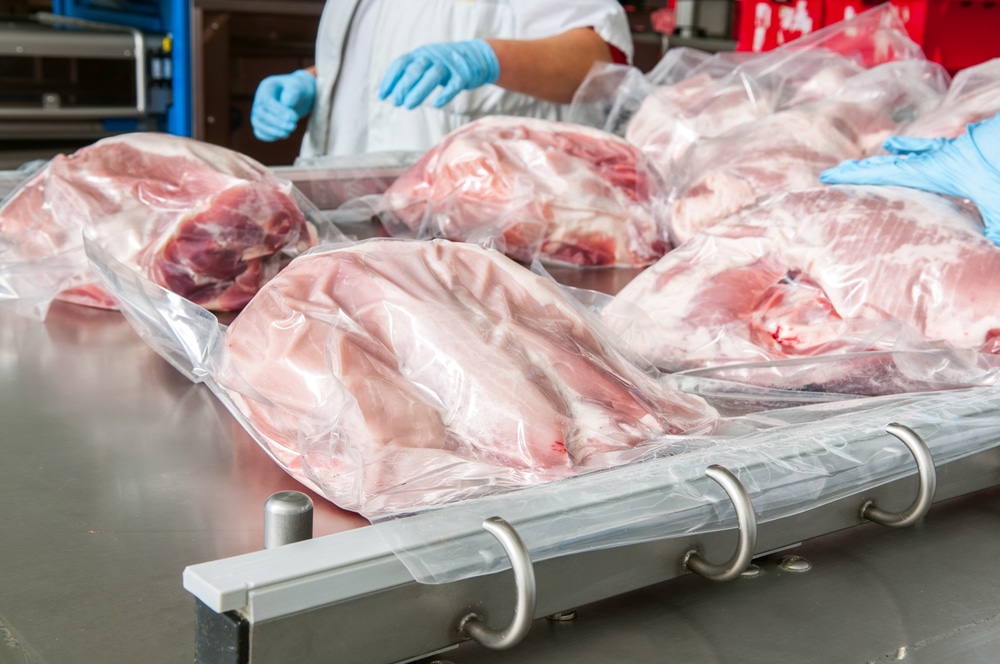
To balance lean and fat trimmings in ground beef, U.S. processors have relied heavily on imports, particularly from Brazil and Argentina. Some policy shifts expanded import volumes, but analysts warn they do little to lower consumer prices and can depress domestic feeder markets. A drop in prices can undermine herd rebuilding incentives and risk further contraction.
Tyson’s Beef Division Faces Sustained Losses
Despite strong consumer spending, more than $40 billion annually on fresh beef, Tyson’s beef business has absorbed hundreds of millions in adjusted losses. The company reported an estimated $426 million loss in the 12 months ending September 27, followed by projected losses of $400–$600 million in fiscal 2026. Executives say resizing operations is necessary to remain competitive and deliver affordable protein long term.
Shift Toward Centralized Processing
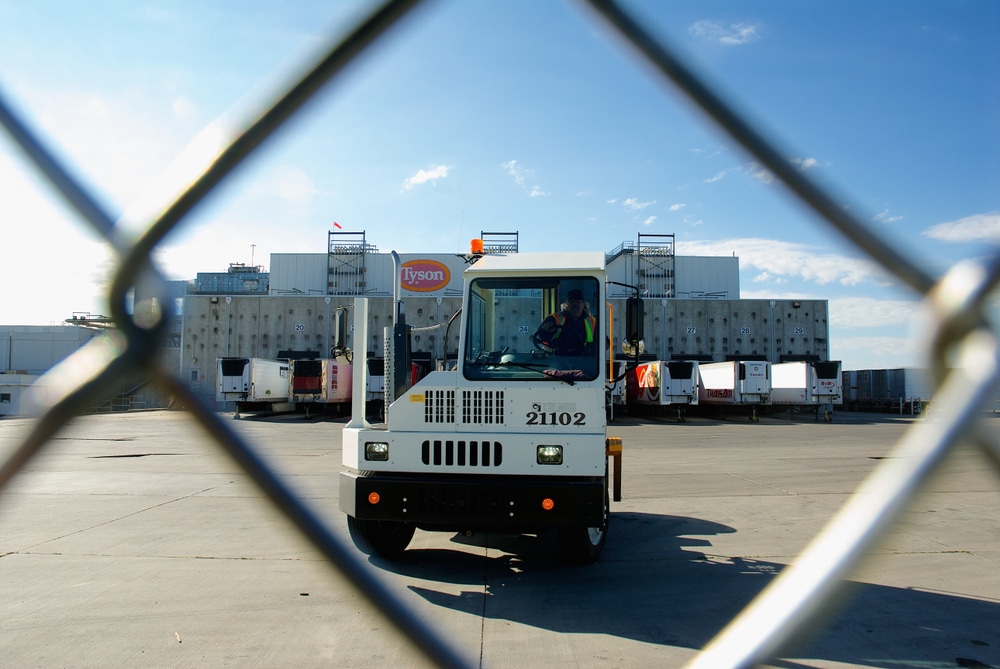
Company executives say the closures are part of a long-term pivot toward fewer, larger facilities that can operate at higher efficiency when cattle supplies are limited. Instead of spreading labor across multiple mid-sized plants, Tyson is consolidating production into higher-throughput locations that require fewer total workers. The layoffs at Lexington reflect this recalibration: downsizing is not just a reaction, but a structural shift in how the company expects to process beef in a tight supply environment.