Minute Maid Frozen Juices Are Being Discontinued, Disappearing After 80 Years

For many Americans who grew up in the 1980s and 1990s, the flavor of frozen citrus drinks still carries a strong sense of nostalgia. Long before modern juice blends and energy beverages filled supermarket refrigerators, products like Five Alive became part of everyday family routines, especially during warm afternoons and school vacations. Even decades after disappearing from most U.S. stores, the drink continues to spark conversations online among people who still remember its distinct taste and bright packaging.
The recent decision by Coca-Cola to discontinue Minute Maid frozen juice concentrates has brought renewed attention to those memories. While the company described the move as part of a response to changing consumer habits, the announcement also highlighted how dramatically beverage trends have shifted over the years. Frozen concentrates that once occupied a permanent space in home freezers are now far less common in modern grocery shopping.
Many consumers were surprised to learn how long these products had remained part of the market. Minute Maid’s frozen juice concentrates had been sold for roughly eight decades, becoming one of the recognizable staples of American households throughout much of the twentieth century. Their gradual disappearance marks the end of an era that many consumers associate with a simpler style of food and beverage culture.
The Rise And Fall Of A Nostalgic Favorite
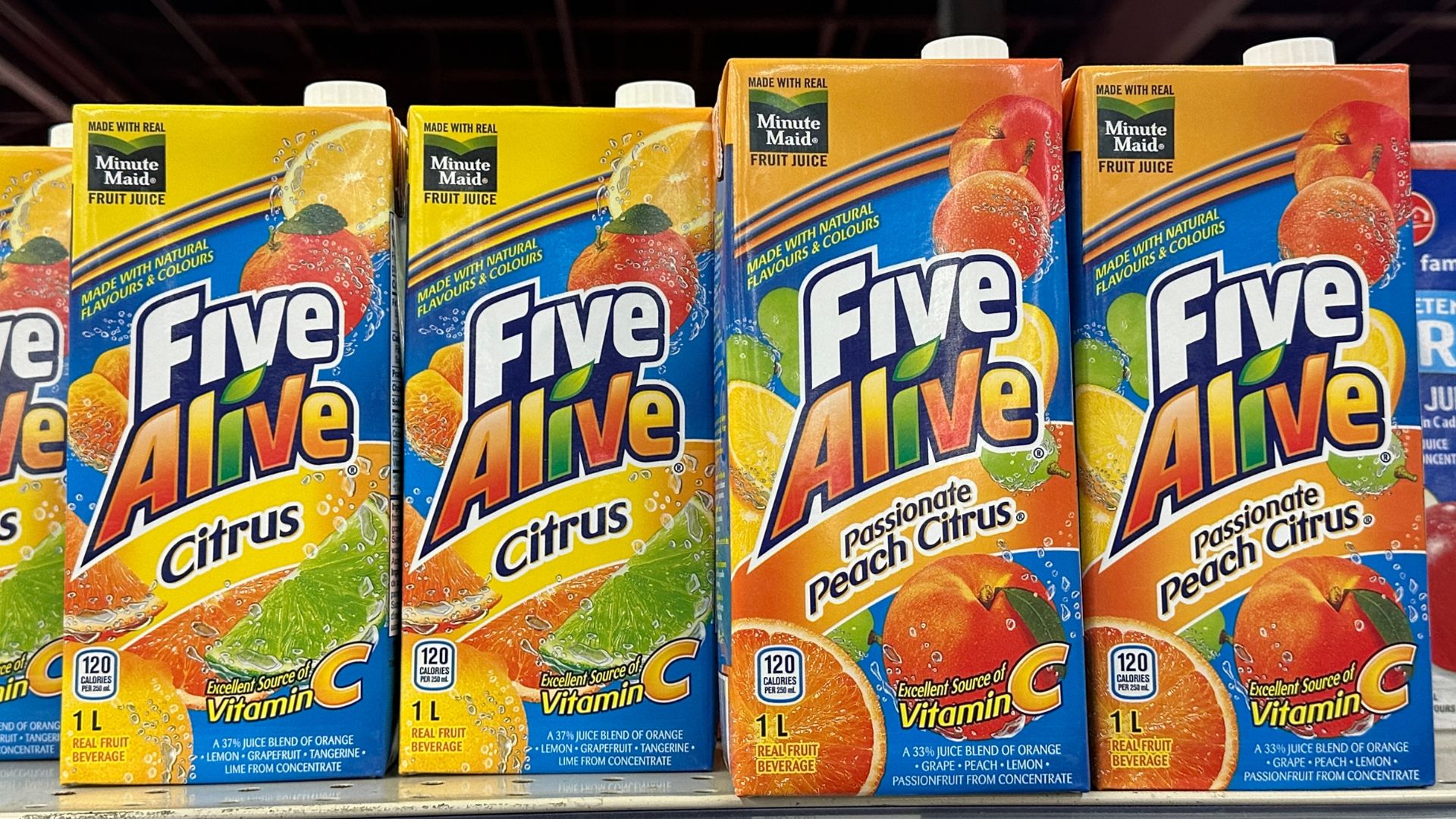
Five Alive first entered the market in the late 1970s and quickly developed a loyal following thanks to its citrus-heavy flavor profile. The drink blended several fruit flavors together at a time when multi-fruit beverages were becoming increasingly popular among younger consumers. Its colorful branding and sweet, tangy taste helped it stand out in supermarket freezer aisles across the country.
Although the product built a dedicated audience, Coca-Cola eventually removed Five Alive from the American market during the mid-1990s. Industry observers often connect the decision to the company’s growing focus on newer beverage trends at the time, including the launch of Fruitopia. That brand arrived during a period when companies were racing to attract younger consumers looking for more experimental drinks and alternative flavors.
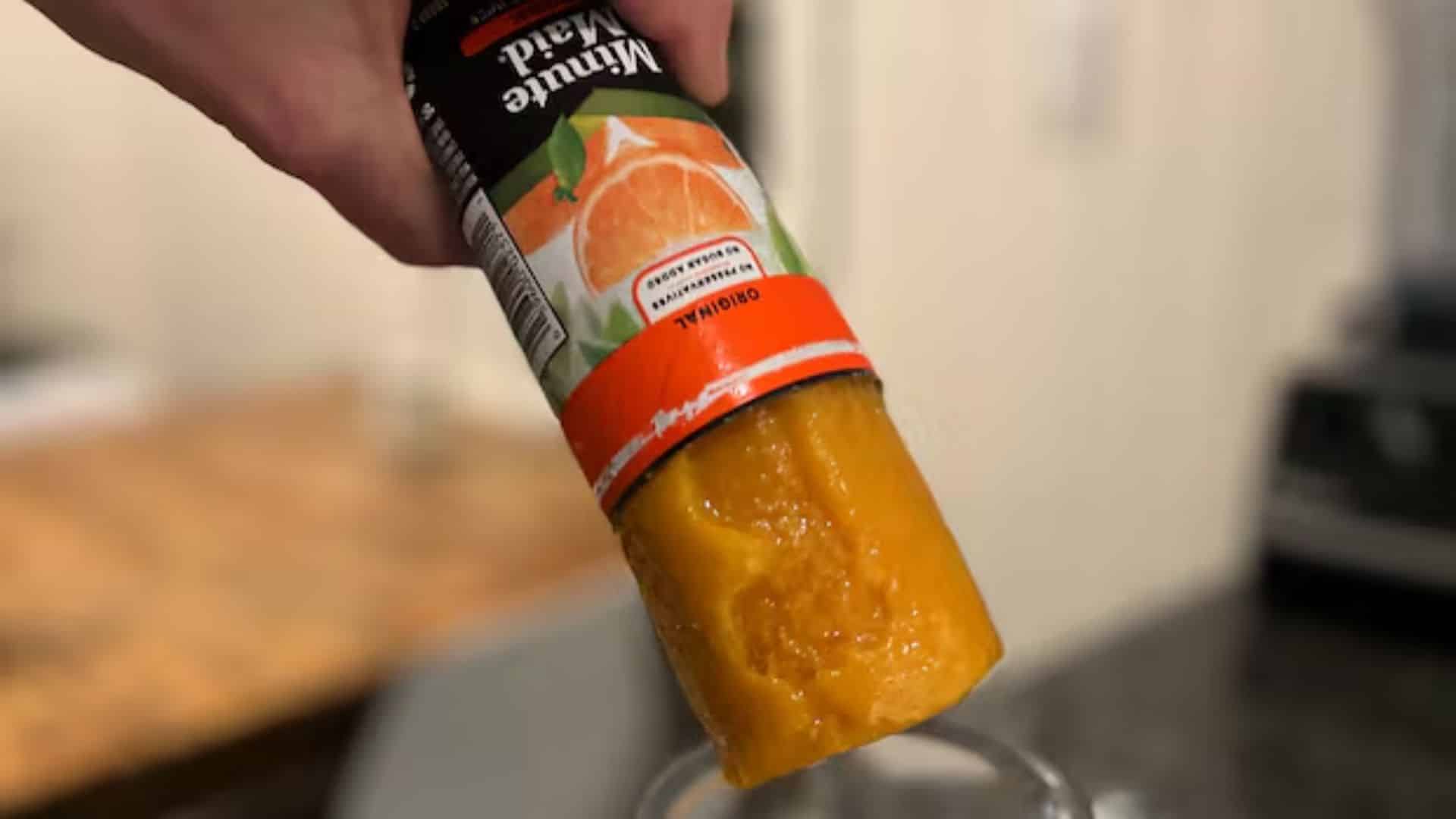
Online discussions continue to show how strongly people remember Five Alive decades later. Social media users frequently describe childhood memories tied to the frozen concentrate version, including the familiar process of sliding the juice mixture out of the metal can before mixing it with water. The reactions are often filled with humor, nostalgia, and surprise that the drink quietly disappeared without much public attention.
Changing Consumer Habits Reshape The Beverage Market

The decline of frozen juice concentrates reflects broader changes inside the beverage industry. Over the last two decades, consumers have increasingly shifted toward ready-to-drink products, refrigerated smoothies, flavored waters, and functional beverages marketed around wellness, energy, or convenience. As shopping habits evolved, many traditional frozen products gradually lost visibility in major retail stores.
Coca-Cola’s recent decision suggests that demand for frozen concentrates no longer matches the space and production investment required to maintain them. Beverage companies now operate in a highly competitive market where consumer preferences change rapidly, often driven by health trends, convenience, and social media influence. Products that once dominated grocery aisles can quickly become niche items if younger audiences fail to adopt them.
Even so, nostalgia continues to give older brands cultural value long after their commercial peak has faded. Discussions surrounding Five Alive reveal how strongly certain products remain tied to childhood experiences, family habits, and everyday moments. In many cases, those emotional connections outlast the actual product by decades.
Why Five Alive Still Has A Loyal Following

Although Five Alive largely disappeared from the United States years ago, the drink has not vanished entirely. Coca-Cola still markets the beverage in countries such as Canada and Nigeria, where consumers can continue purchasing versions of the citrus blend. That international presence has only increased curiosity among American fans who occasionally discover the product still exists abroad.
Retail listings and archived advertisements continue circulating online, helping preserve the drink’s identity for longtime consumers. Some people remember the beverage for its taste, while others associate it with childhood breakfasts, summer gatherings, or packed family refrigerators during the 1980s and early 1990s. Those personal associations often explain why discontinued products maintain such strong emotional resonance years later.
The end of Minute Maid frozen concentrates represents more than a business decision tied to market performance. For many consumers, it closes a chapter connected to a very specific moment in American food culture, one shaped by freezer cans, citrus blends, and brands that once felt permanently woven into everyday life.