‘Mutant’ Wheat Gene Discovery Could Solve Food Scarcity and Feed Billions


Researchers have identified a dormant wheat gene that could dramatically expand grain production without increasing farmland. The breakthrough arrives at a time when climate pressures, geopolitical instability, and changing agricultural conditions are straining global food supply. Scientists say it offers a rare biological lever to produce more food with fewer resources.
Understanding Wheat’s Central Role in Food Security

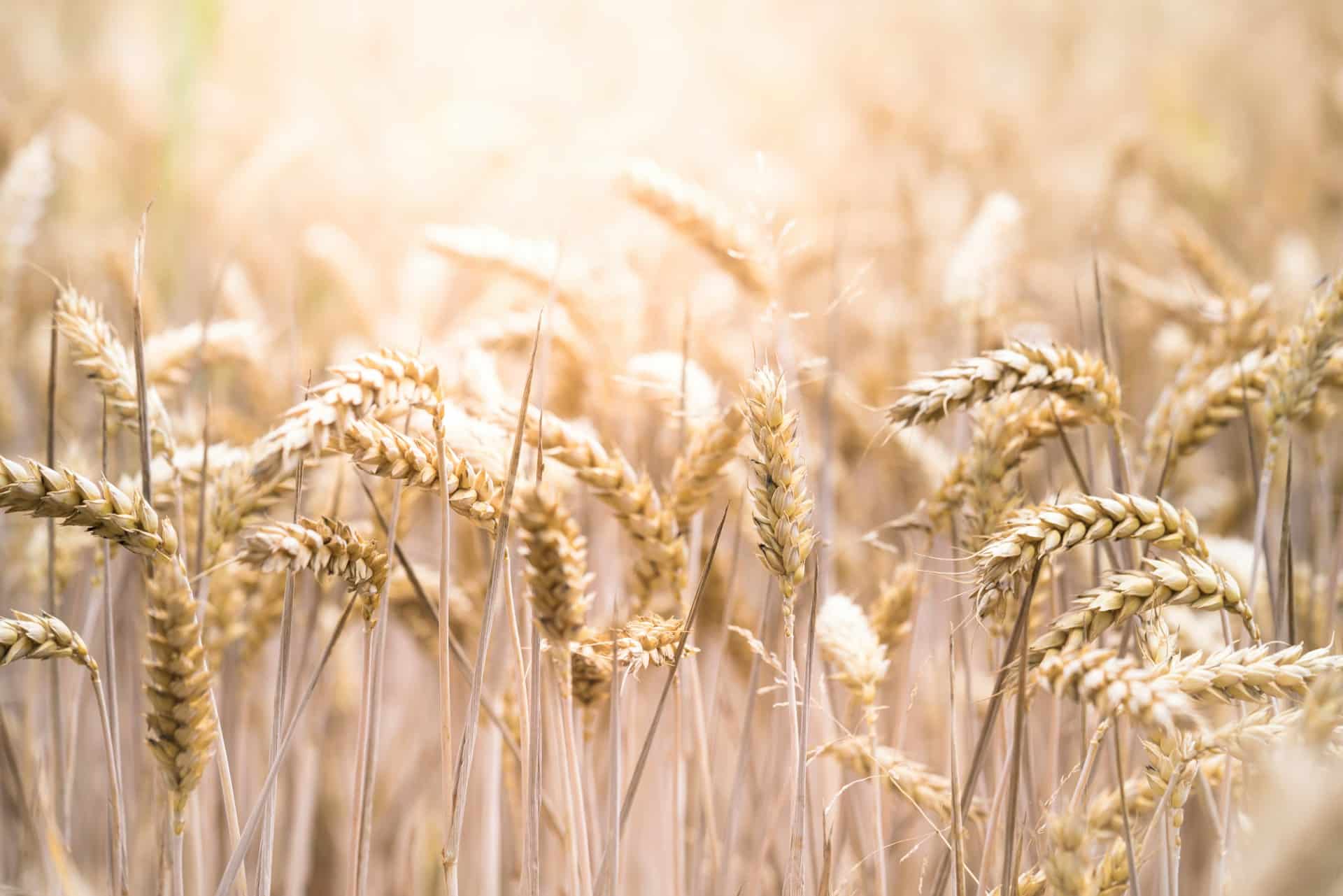
Wheat is the world’s third most common crop, and over 80% of it is used for flour, serving as a daily staple in many countries. Its affordability and versatility make it essential for feeding both developed and developing regions. When wheat yields fall, the impact quickly ripples through commodity markets, prices, and hunger rates.
A Global System Under Stress
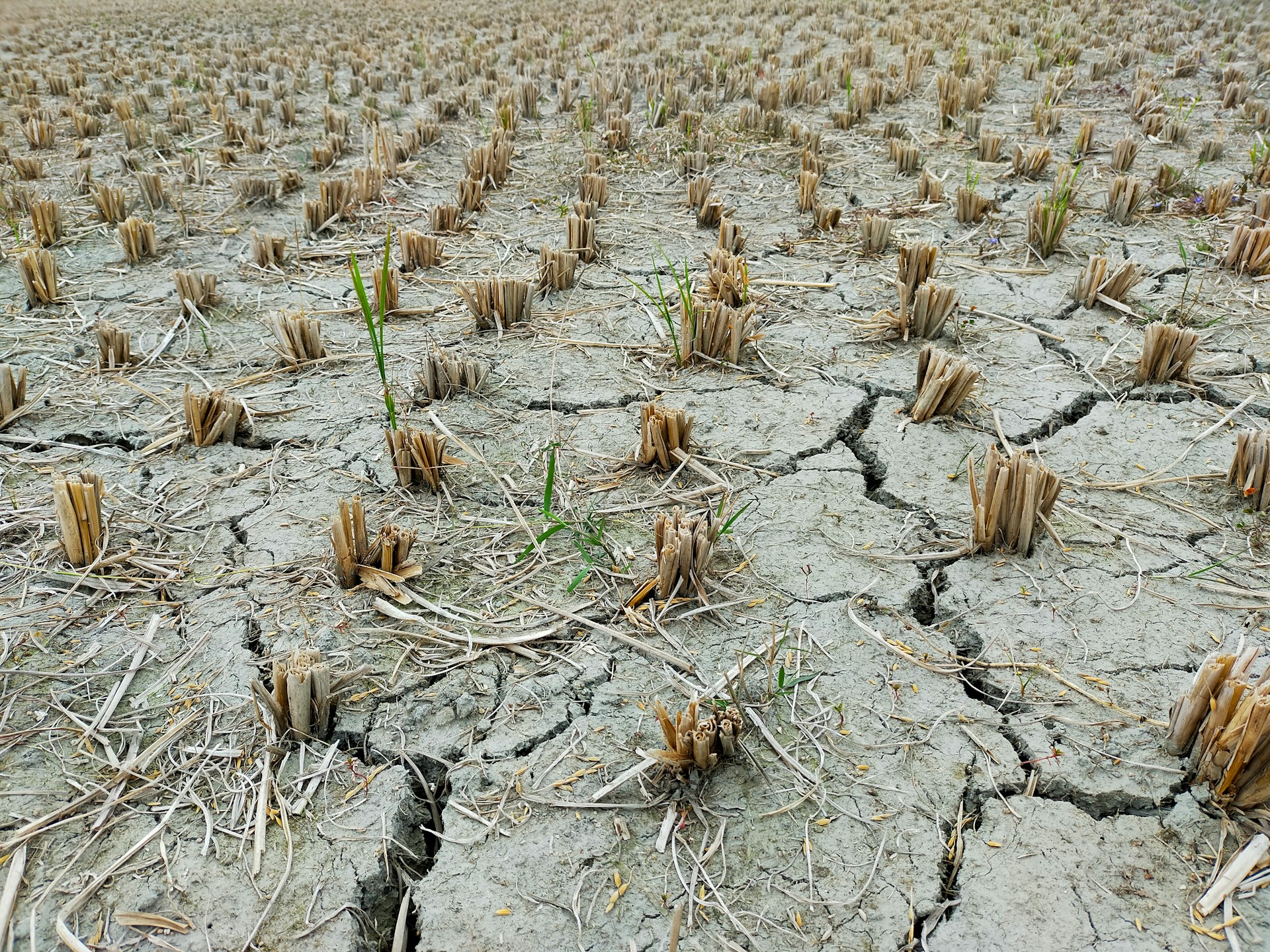
Climate change, supply chain disruptions, and extreme weather have already weakened the food system. Heatwaves, droughts, and flooding have destroyed crops across major agricultural regions, while geopolitical conflict limited exports and transportation of grain. These pressures have pushed governments toward protectionism, intensifying shortages and raising hunger risks.
Climate Trends Quietly Lower Yields
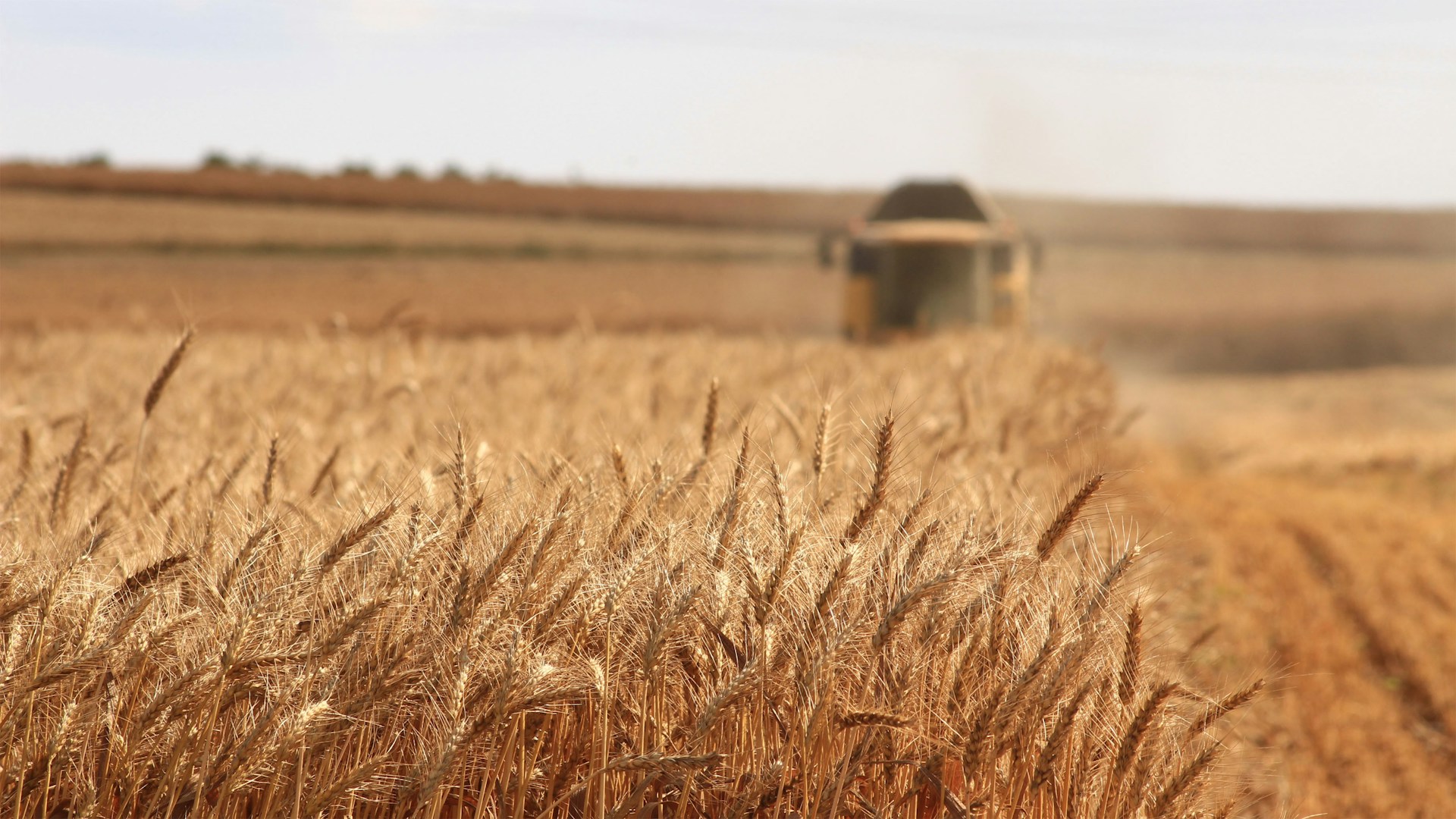
Fifty years of warming and water stress have eroded global grain output. Wheat yields today are 8–12% lower than they would be without climate-driven disruption, a loss that compounds year after year as population and food demand increase. Even seemingly small deficits can push prices higher and widen inequality in access to staple foods.
When Traditional Solutions Fall Short

Expanding farmland is limited by soil health, water availability, and environmental protection. Fertilizer-based yield boosts are now constrained by rising input costs and supply insecurity, especially from fertilizer-producing regions. Scientists argue that the next breakthrough must be biological rather than industrial to avoid worsening ecological stress.
The ‘Mutant’ Gene Scientists Just Unlocked
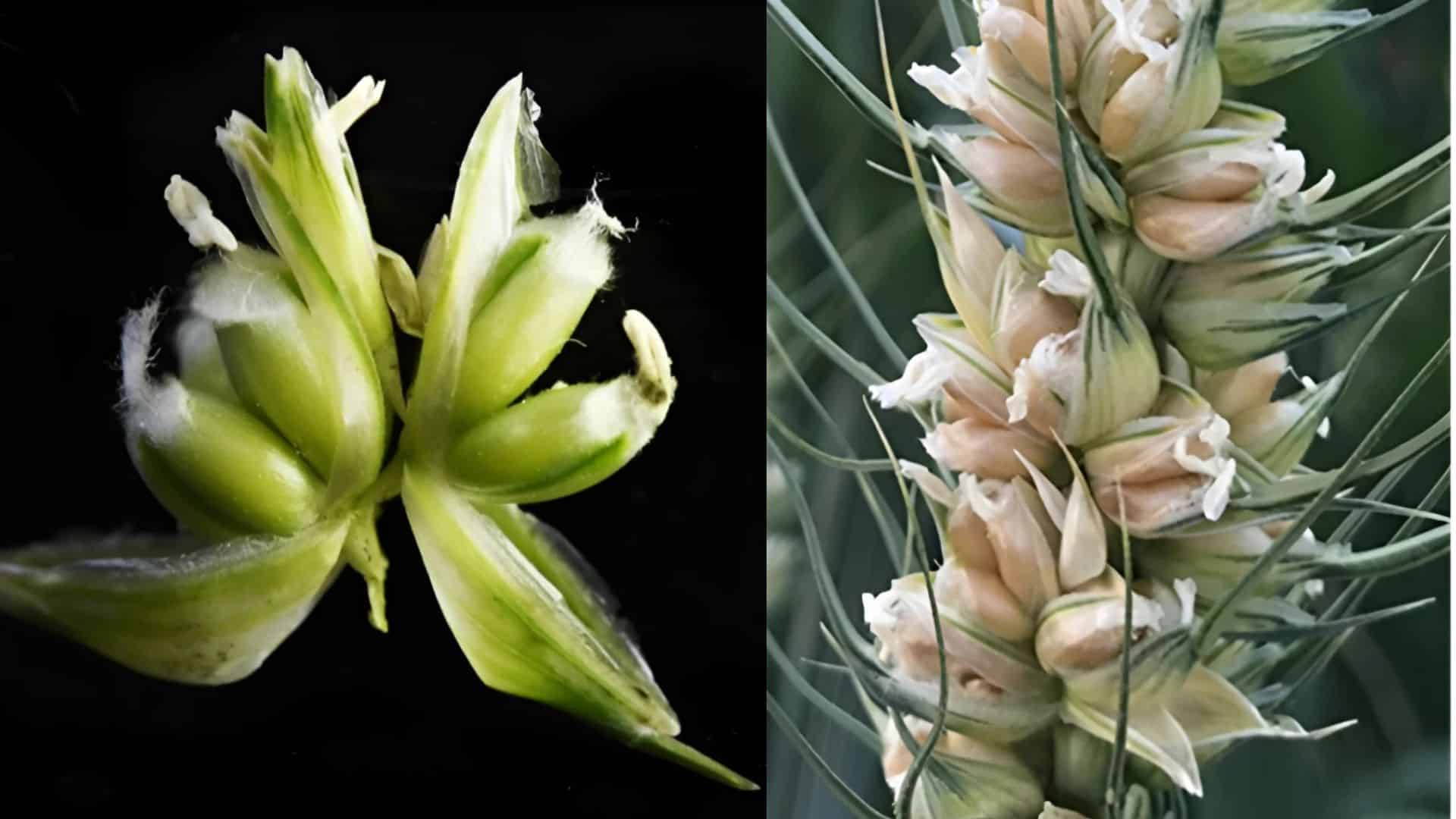
University of Maryland researchers pinpointed a gene called WUSCHEL-D1 (WUS-D1) in a rare wheat variant that produces three ovaries per flower instead of one. Each ovary can develop into a grain, meaning every spikelet could generate triple the output. This trait was mapped to a specific genetic switch that enlarges flower tissues early in development, allowing more female reproductive structures to form.
How the Discovery Could Scale Production
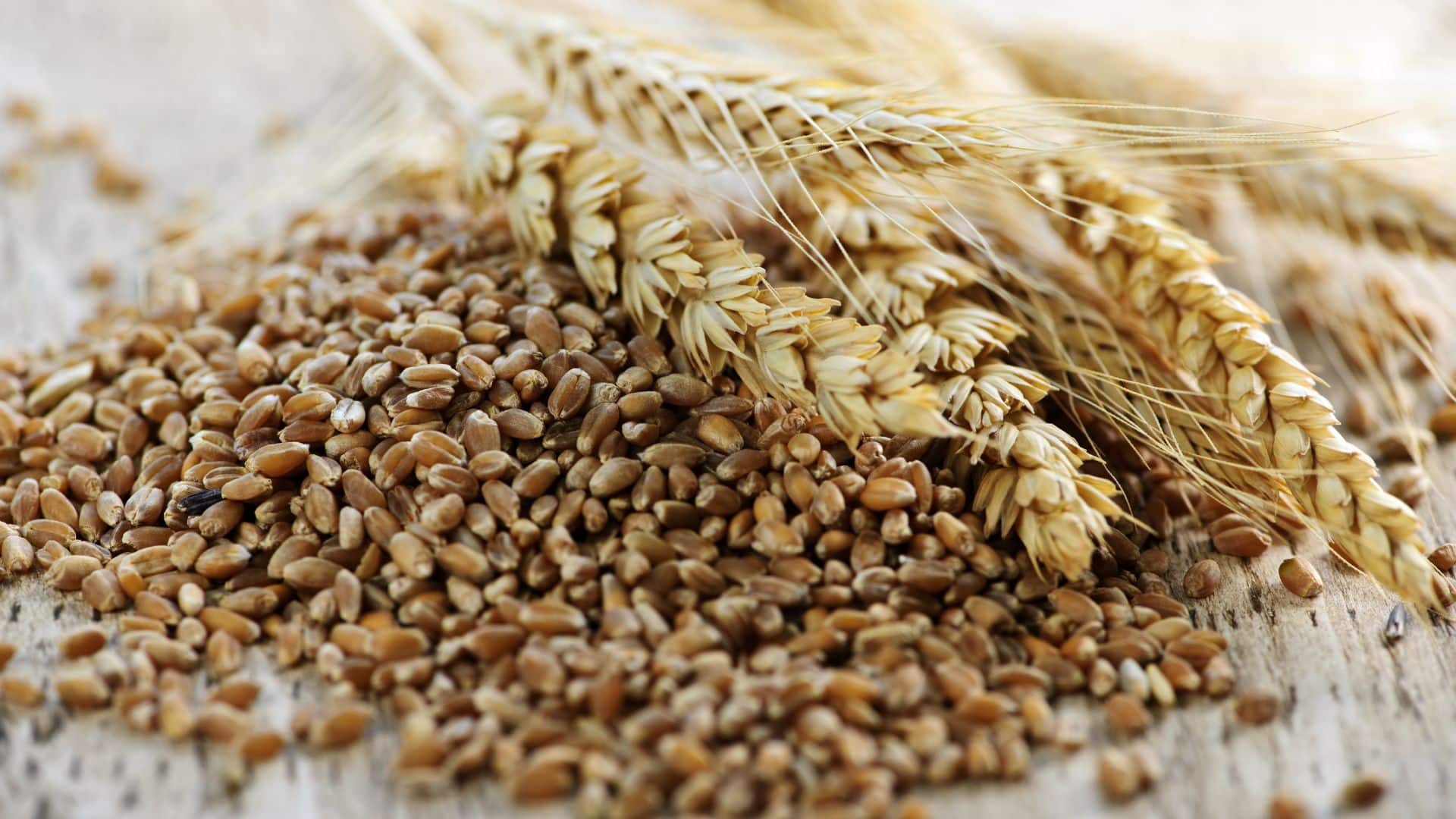
If breeders control or mimic this switch, conventional wheat could be engineered to produce more kernels per plant without needing more land, fertilizer, or irrigation. Even modest improvements in kernel number translate to major increases in total harvest at the global scale. Researchers say this pathway provides a cost-effective route to hybrid wheat that can thrive under modern demand pressures.
Feeding Billions Without Changing Farmland

Wheat is a staple for billions, and yield gains of this magnitude could transform how nations approach food security. Instead of racing to expand cropland or stockpile grain, countries could grow more food with existing acreage, easing pressure on vulnerable imports and stabilizing supply chains. The genetic approach also avoids the fragility of climate-dependent harvests and unpredictable commodity markets.
From Lab to Field: The Next Hurdles

Researchers stress that translating the gene into commercial wheat varieties requires careful testing and regulatory review. They must confirm durability, safety, and performance across climates, soils, and farming systems. Precision breeding and gene editing tools make implementation faster than past innovations, but the path from discovery to supermarket shelves is still measured in years.
A New Era of Crop Resilience
As global wheat demand rises and climate volatility accelerates, genetic breakthroughs may become central to maintaining food stability. The WUS-D1 discovery suggests a future where scientists design crops for resilience and abundance rather than simply reacting to crisis. The promise of a single gene multiplying yield shows how biology could help feed the world’s most vulnerable populations.
