Secret ‘Loopholes’: Nearly Half of American Adults Are Ordering the Kids’ Menu
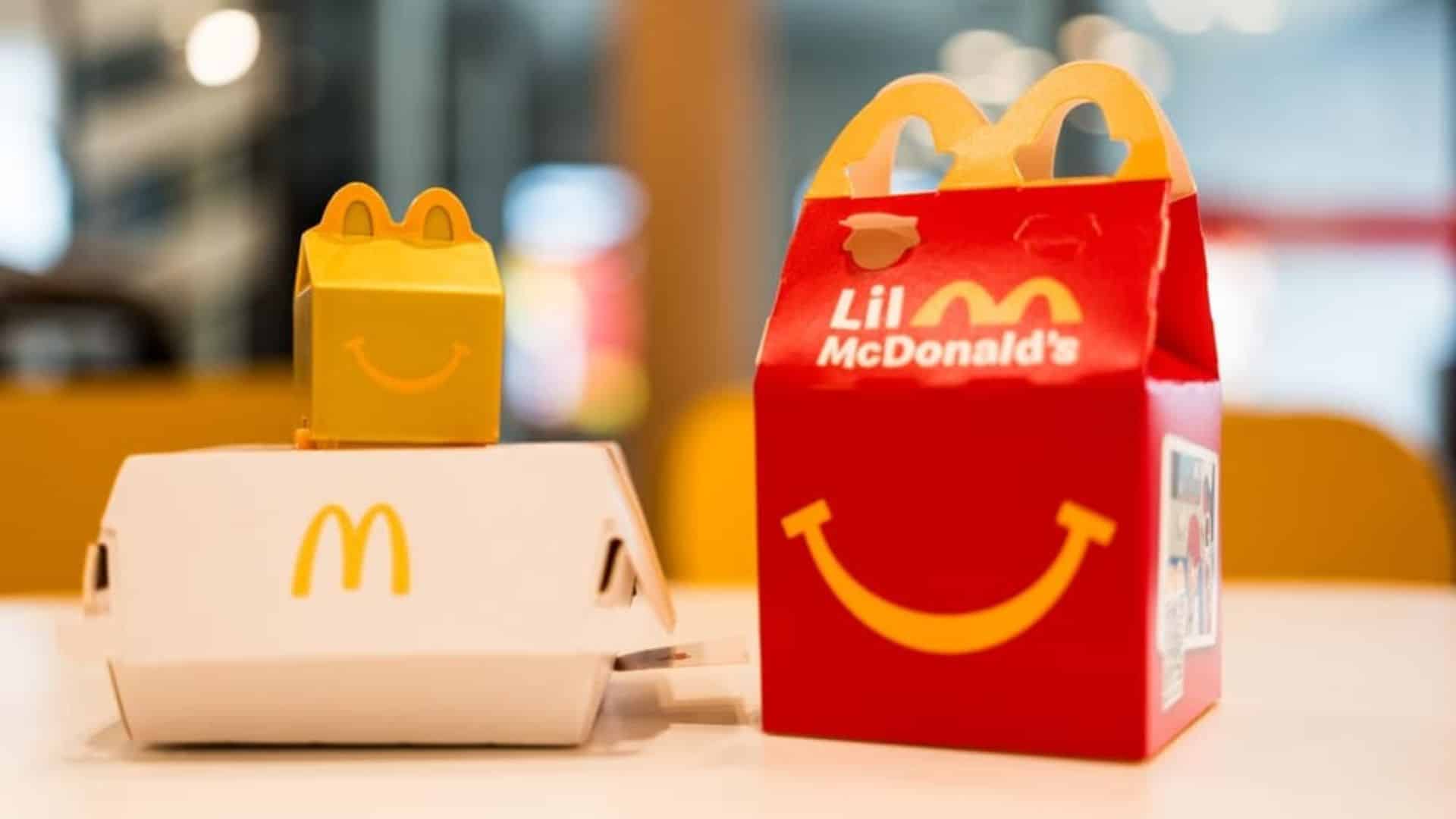

A surprising dining trend is reshaping American restaurants. According to Lightspeed Commerce, roughly 44% of adults now order from children’s menus when eating out. This isn’t about occasional indulgence—it’s become a deliberate strategy for managing food costs and portion sizes. Market researcher Circana found adult orders for kids’ meals jumped 30% between 2019 and 2025, even as overall restaurant traffic declined.
The shift comes during heightened economic pressure. Dining out has become 3.9% more expensive over the past year, according to consumer price index data. McDonald’s and Wendy’s recently reported sluggish sales, attributing the slowdown to economic uncertainty affecting low-income consumers. For many Americans, the kids’ menu offers relief from rising food costs while maintaining the experience of eating out.
Adults cite three main reasons for this choice: smaller portions that match appetite needs, simpler menu options without overwhelming choices, and lower prices that ease budget strain. As Lightspeed researchers noted, children’s menus feature items like mini burgers and mac and cheese that are “becoming a smart option—not just a nostalgic one.” The trend reflects how diners are adapting their habits to survive tighter economic times.
How Adults Are Gaming the System
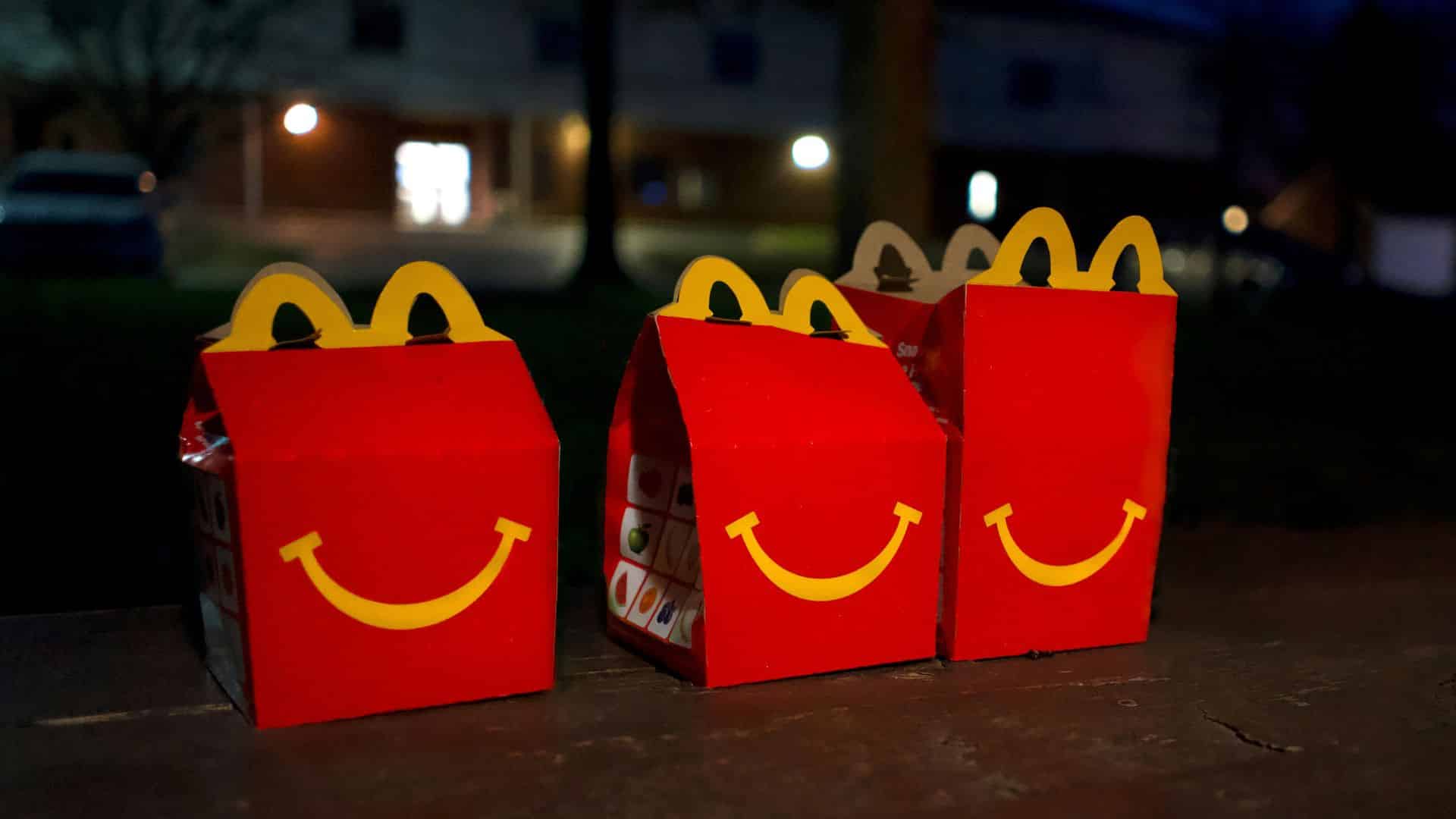
The “loophole” isn’t complicated—it’s about accessing cheaper, smaller meals originally designed for children. Kids’ meals at fast food chains typically cost $4 to $6, while sit-down restaurants charge $6 to $9. By comparison, adult portions at the same establishments run significantly higher. A McDonald’s Happy Meal with six chicken nuggets, fries, and drinks costs around $5.99, while ordering items separately from the regular menu leaves you without sides or beverages.
Fast food expert Bill Oakley explained that success varies by restaurant type. Fast food chains “could not care less” about adults ordering kids’ meals because pricing differences are minimal. The business impact is negligible since kids’ options aren’t drastically cheaper than regular menu items. However, traditional sit-down restaurants operate differently, often using children’s menus as loss leaders to attract families.
Some restaurants actively prevent adults from ordering kids’ meals for dine-in service. Staff may refuse these requests outright, protecting profit margins on deeply discounted children’s portions. The workaround? Takeout orders face less scrutiny. Adults who order kids’ meals for pickup or delivery rarely encounter resistance, making this the preferred loophole for those seeking smaller, budget-friendly portions without confrontation.
Why This Trend Goes Beyond Money
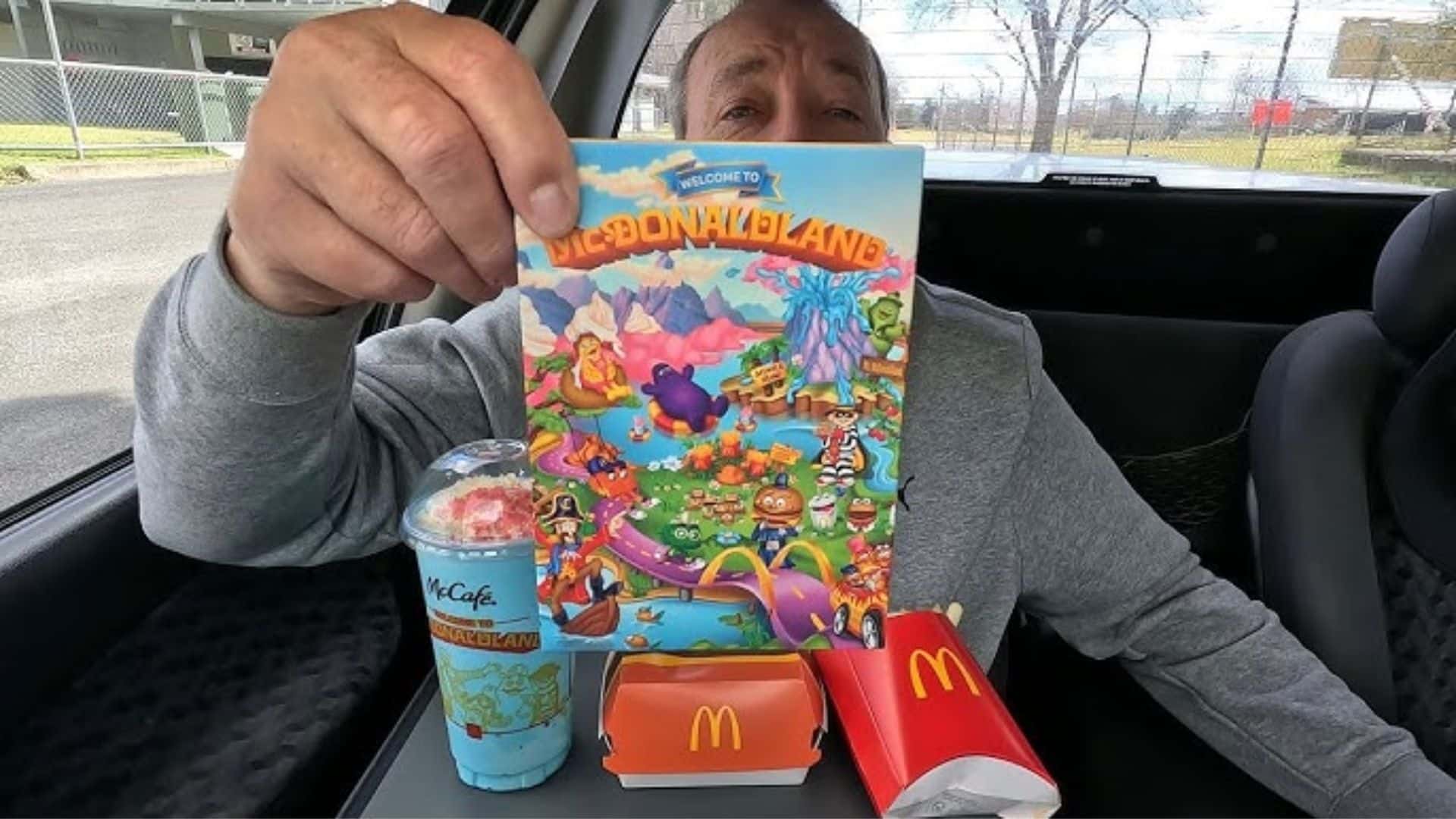
Financial savings tell only part of the story. Michael Della Penna, chief strategy officer at InMarket, pointed to Americans increasingly leaning into nostalgia “as they battle everyday life stressors amidst tariffs, inflation, and economic uncertainty.” McDonald’s capitalized on this with their McDonaldland Meal—an adult-sized offering packaged like a Happy Meal, complete with collectible toys celebrating classic characters like Grimace and the Hamburglar.
The nostalgia factor runs deeper than many realize. Kids’ meals originated with Burger Chef in the 1970s and were later popularized by McDonald’s in 1979. The concept borrowed from cereal box prizes, packaging food in colorful containers with toy surprises. Today, McDonald’s sells 3.2 million Happy Meals daily, with many purchased by adults seeking those childhood memories. Bill Oakley argues the collectible toys matter more than food quality or price for many adult buyers.
Changing dietary habits also fuel this trend. Many Americans now take appetite-suppressing GLP-1 medications, reducing their food intake needs. Others simply prefer lighter meals without the pressure to finish oversized adult portions. Chauniqua Major, a 36-year-old Orlando resident, told reporters she orders kids’ meals because “I’m looking for sustenance, but not a full meal.” The smaller portions align with modern preferences for portion control over excess.
How Businesses Are Adapting to Adult Demand

Restaurants face a dilemma: embrace this trend or enforce restrictions. Some establishments have begun rethinking their approach. Rather than blocking adult access to kids’ menus, forward-thinking chains are creating legitimate alternatives. McDonald’s brought back the Snack Wrap and launched adult Happy Meal variations, mixing nostalgic appeal with practical meal sizing and competitive pricing.
Industry experts see opportunity in this shift. Michael Della Penna suggested restaurants “strategize creative ways to bring that experience to the menu, whether it’s a limited-time meal deal that includes a collectible item like a Labubu or creating snack-size versions of fan favorite menu items.” This approach retains customers who might otherwise trade down to kids’ options while maintaining healthier profit margins.
The trend reveals fundamental changes in how Americans eat. Diners want value, but they also seek variety on smaller budgets and portion control without waste. Restaurants that adapt by offering graduated sizing options and transparent pricing will likely capture this growing market segment. Those that resist may lose customers entirely to competitors who better understand modern dining preferences shaped by economic pressure and evolving health consciousness.