Why You Should Never Microwave Aluminum Foil
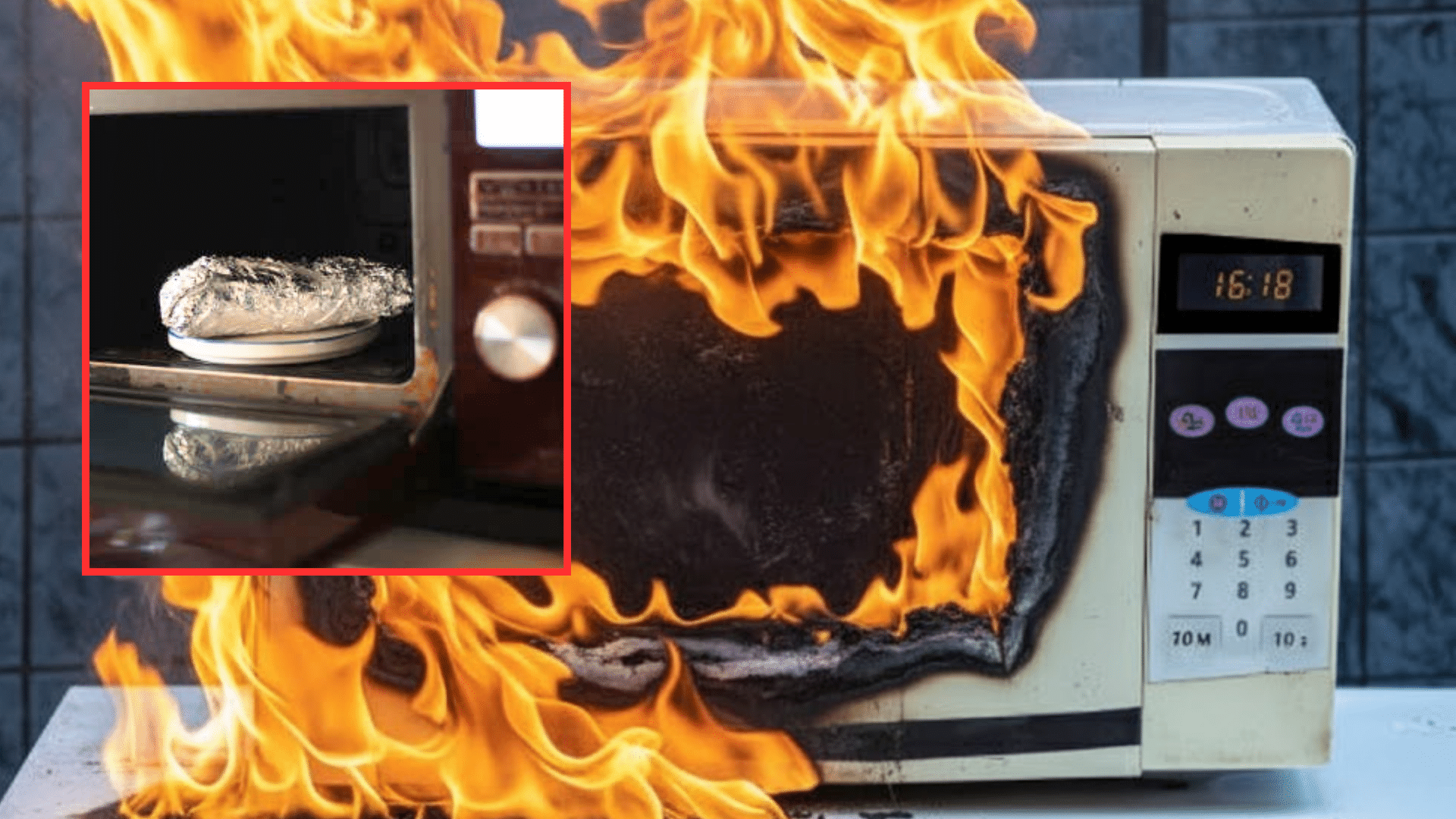

It’s one of those habits people admit to quietly: tossing aluminum foil into the microwave “just for a second.” Maybe to reheat leftovers. Maybe to cover food quickly. And technically, yes—under very narrow conditions—aluminum foil can be microwaved. But experts agree that those conditions are so specific, and the risks so easy to trigger, that the safer advice is simple: DON’T DO IT.
How Microwaves Actually Heat Food
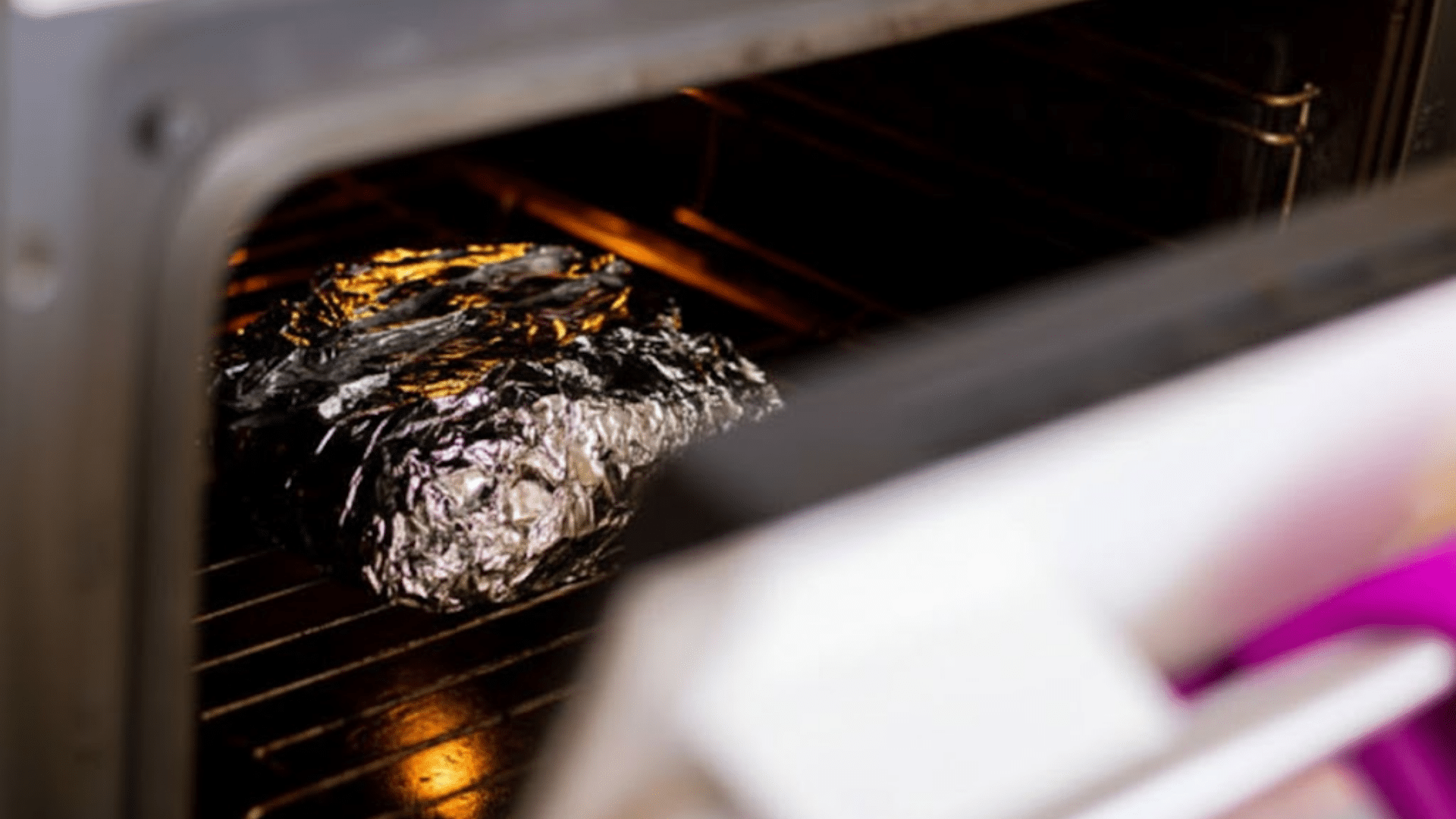
Microwaves don’t work like ovens. Instead of heating air, they send electromagnetic waves that excite water, fat, and sugar molecules inside food. As those molecules vibrate, heat is created from the inside out. The appliance itself is lined with thick metal designed to safely reflect these waves. Aluminum foil, however, is thin, flexible, and unpredictable in this environment, and that difference matters more than most people think.
Why Aluminum Foil Behaves Differently Than Other Metal
The problem isn’t simply that foil is metal. It’s that foil is too thin. When microwave energy hits aluminum foil, the electrical current has nowhere stable to go. Instead of being absorbed or reflected evenly, the energy concentrates at edges and creases. This overload causes the electricity to jump off the foil as sparks; a process known as arcing, which can scorch food, damage the microwave interior, or start a fire.
The Real Danger Comes From Wrinkles and Edges
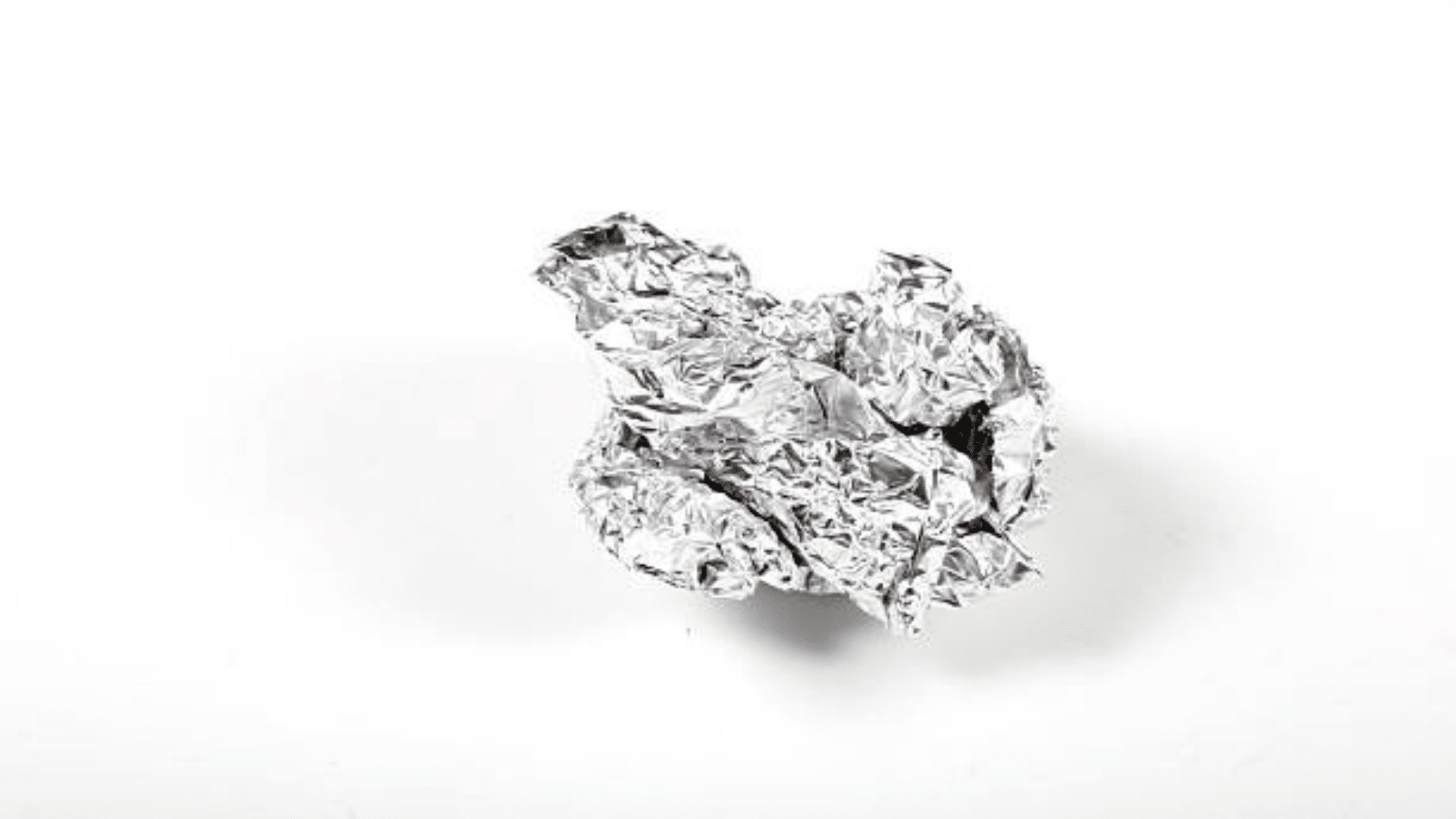
Even a perfectly smooth sheet of foil becomes dangerous the moment it bends, wrinkles, or crumples. Sharp edges act like lightning rods inside the microwave, pulling electrical charge into tiny points. That’s why sparks often appear suddenly even if the foil looked fine when you put it in. One fold is all it takes to turn a sheet of foil into a spark generator.
Why “It Worked Last Time” Isn’t a Safety Test
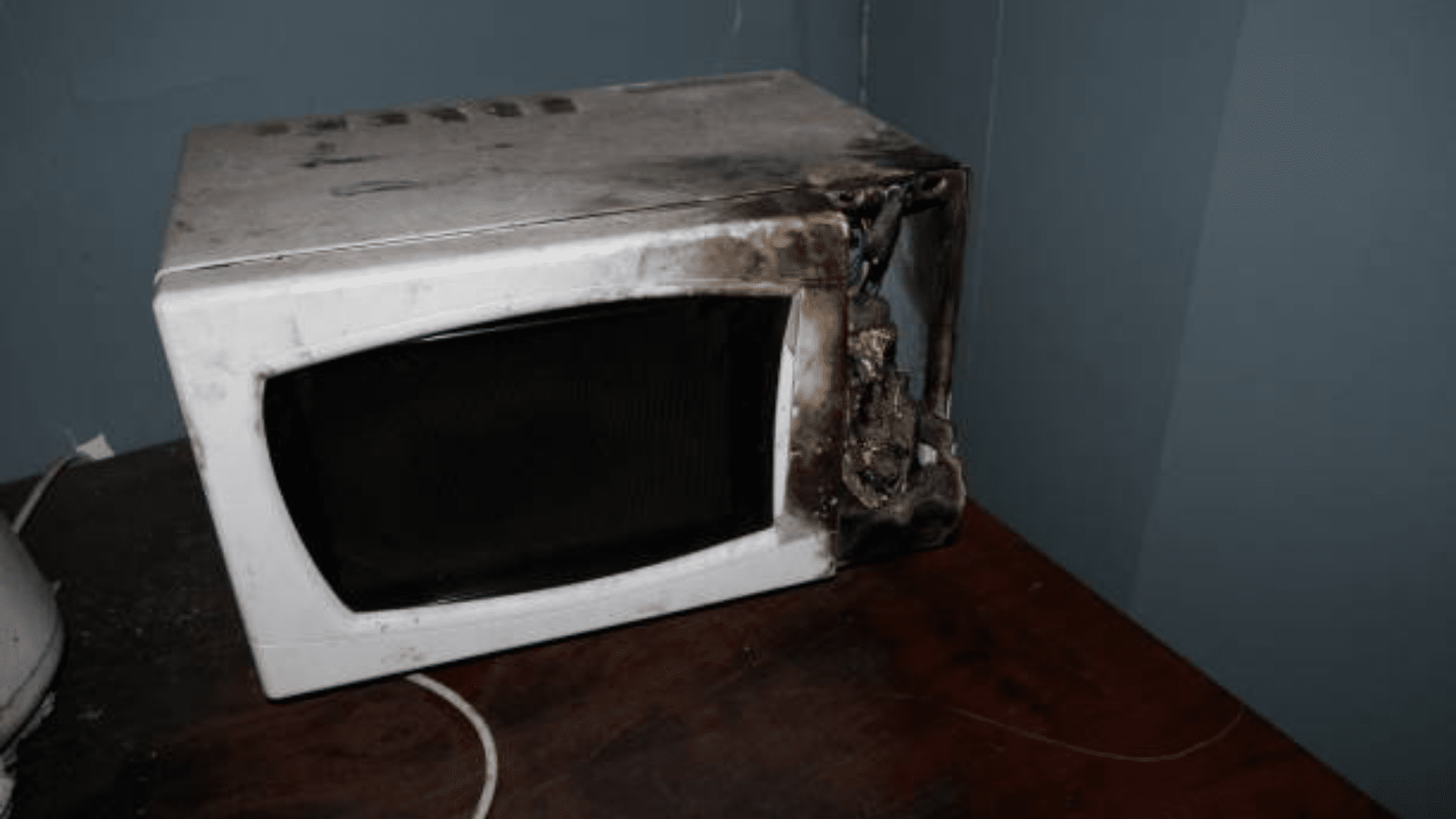
Many people assume aluminum foil is safe because they’ve done it before without consequences. But microwave accidents are inconsistent by nature. Power level, moisture in the food, foil placement, distance from the walls, and even turntable movement all affect what happens. A setup that seemed fine once can fail spectacularly the next time, which is why past success doesn’t mean future safety.
When Manufacturers Say Foil Is “Allowed” With Major Caveats

Some microwave manuals mention limited foil use, such as shielding small areas of food that overcook easily. But those instructions come with strict rules: the foil must be completely flat, used sparingly, kept away from the walls, and never crumpled. In real kitchens, maintaining those conditions consistently is difficult. One slip turns “allowed” into hazardous.
Damage You Might Not See Right Away

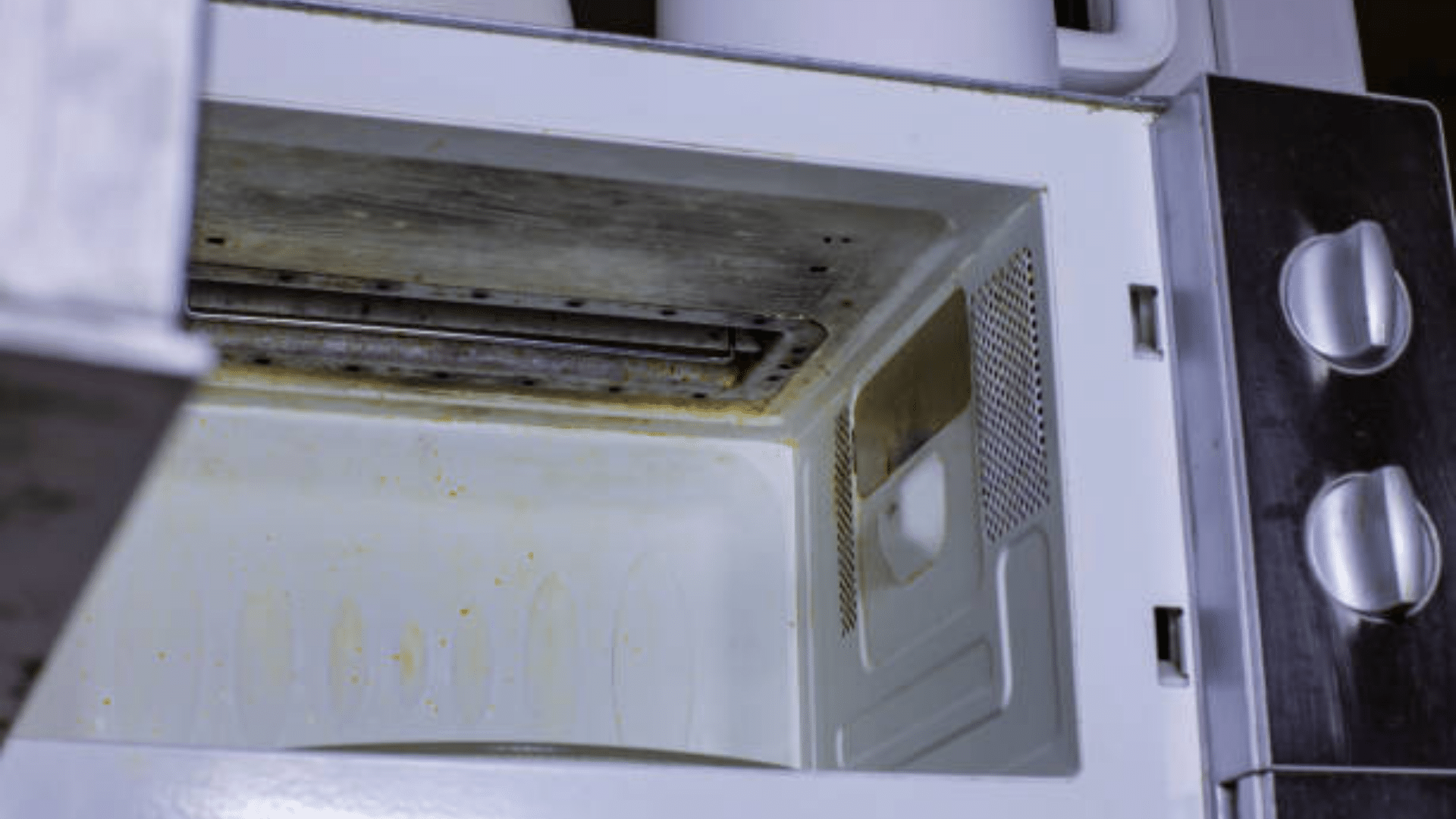
Even if no sparks or flames appear, microwaving foil can still harm your appliance. Arcing can weaken the microwave’s internal coating, damage components behind the walls, or shorten the magnetron’s lifespan. These problems may not show up immediately but they can reduce efficiency or cause sudden failure later on, often without warning.
Fire Risk Isn’t the Only Concern

Beyond appliance damage, foil sparks can ignite nearby packaging, paper towels, or grease residue inside the microwave. Kitchen fires caused by microwaves are more common than people realize, and aluminum foil is a frequent trigger. What starts as a small flash can escalate quickly, especially in older or heavily used appliances.
Safer Alternatives That Do the Same Job
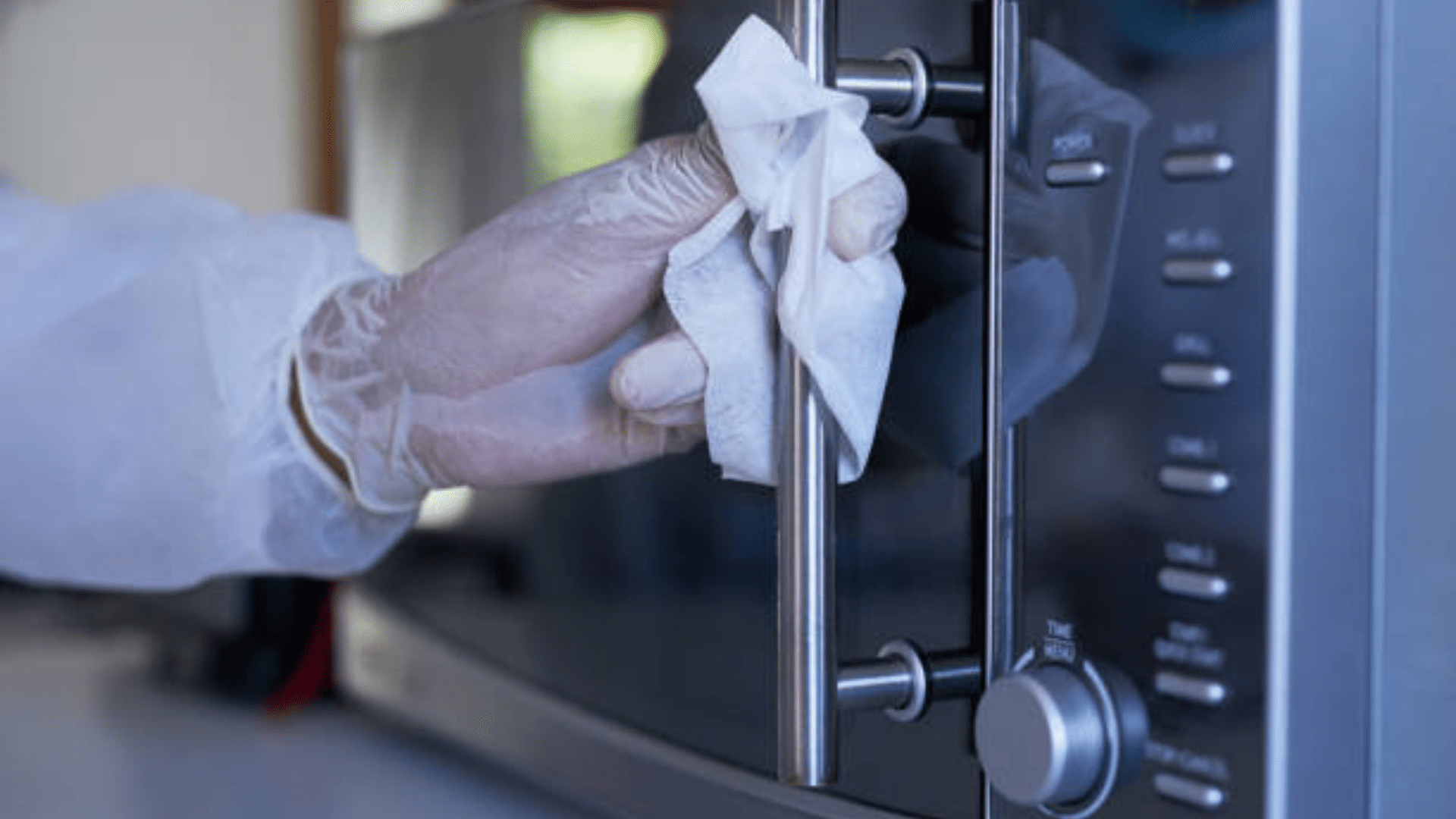
If you’re using foil to cover food, microwave-safe lids, wax paper, parchment paper, or microwave-safe glass covers are far better options. These materials are designed to interact safely with microwave energy while still preventing splatter or uneven heating. For reheating leftovers, transferring food to a microwave-safe container eliminates the risk entirely.
A Risk That’s Never Worth the Convenience
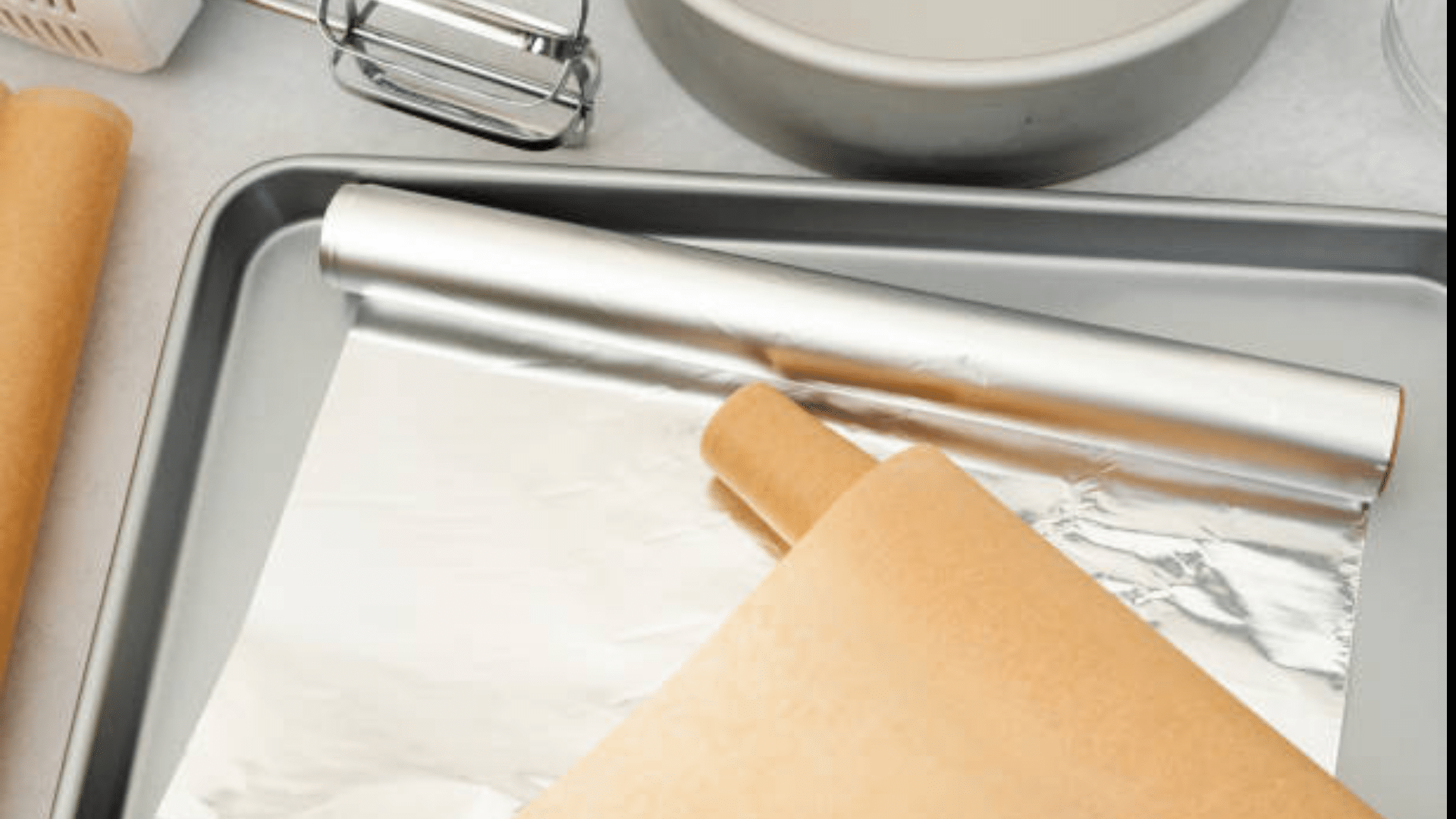
Yes, it’s technically possible to microwave aluminum foil but that doesn’t mean you should. The margin for error is razor-thin, and the consequences range from ruined food to permanent appliance damage or fire. In a kitchen full of safer alternatives, aluminum foil stands out as one shortcut that simply isn’t worth taking. When it comes to microwaves, foil isn’t a hack; it’s a hazard.