New CalFresh Work Requirements Spark Fears of Higher Demand at Food Banks
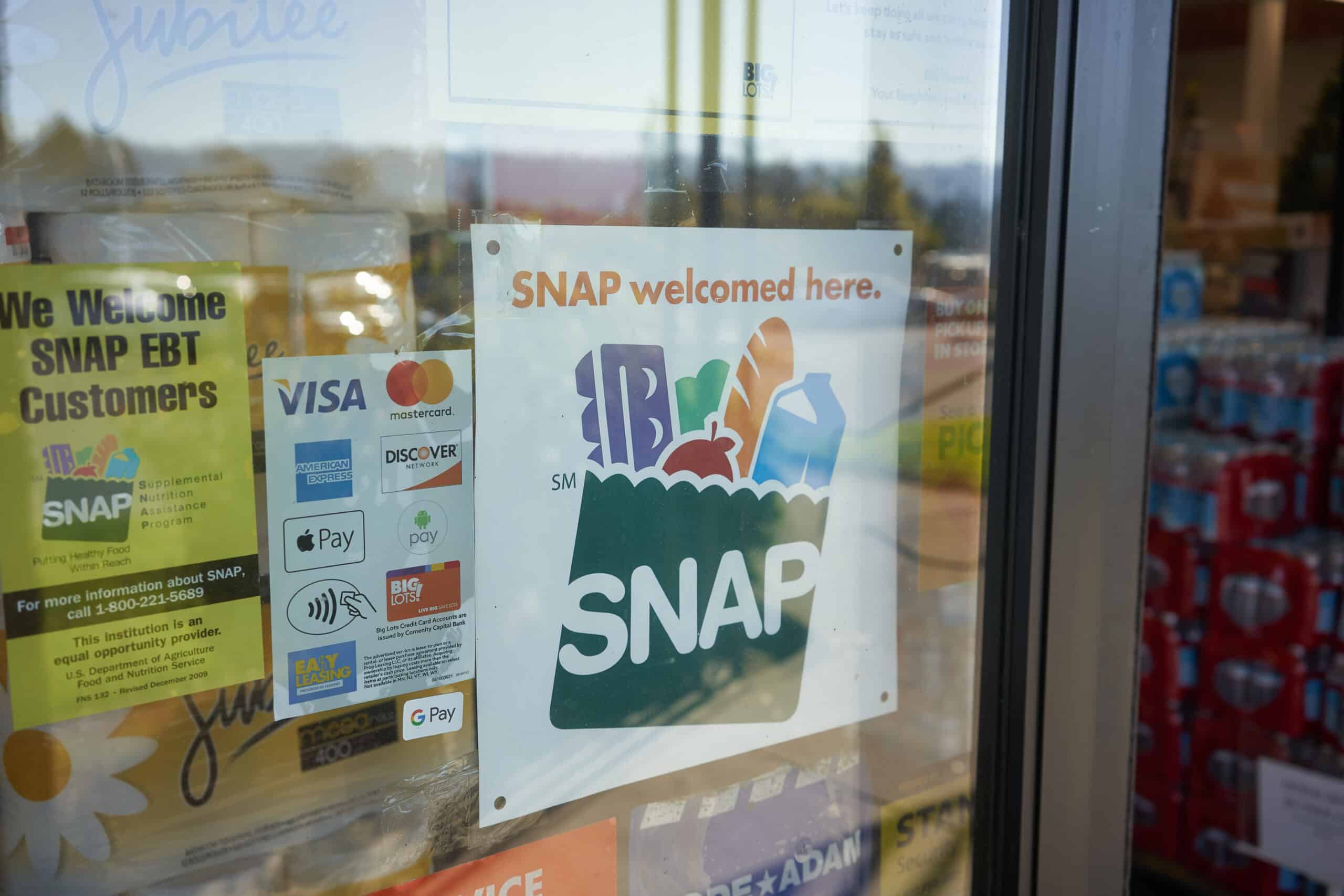

A trip to the grocery store is already stressful for many California families. Now, food banks fear the lines could soon get even longer as new CalFresh work requirements begin taking effect across the state.
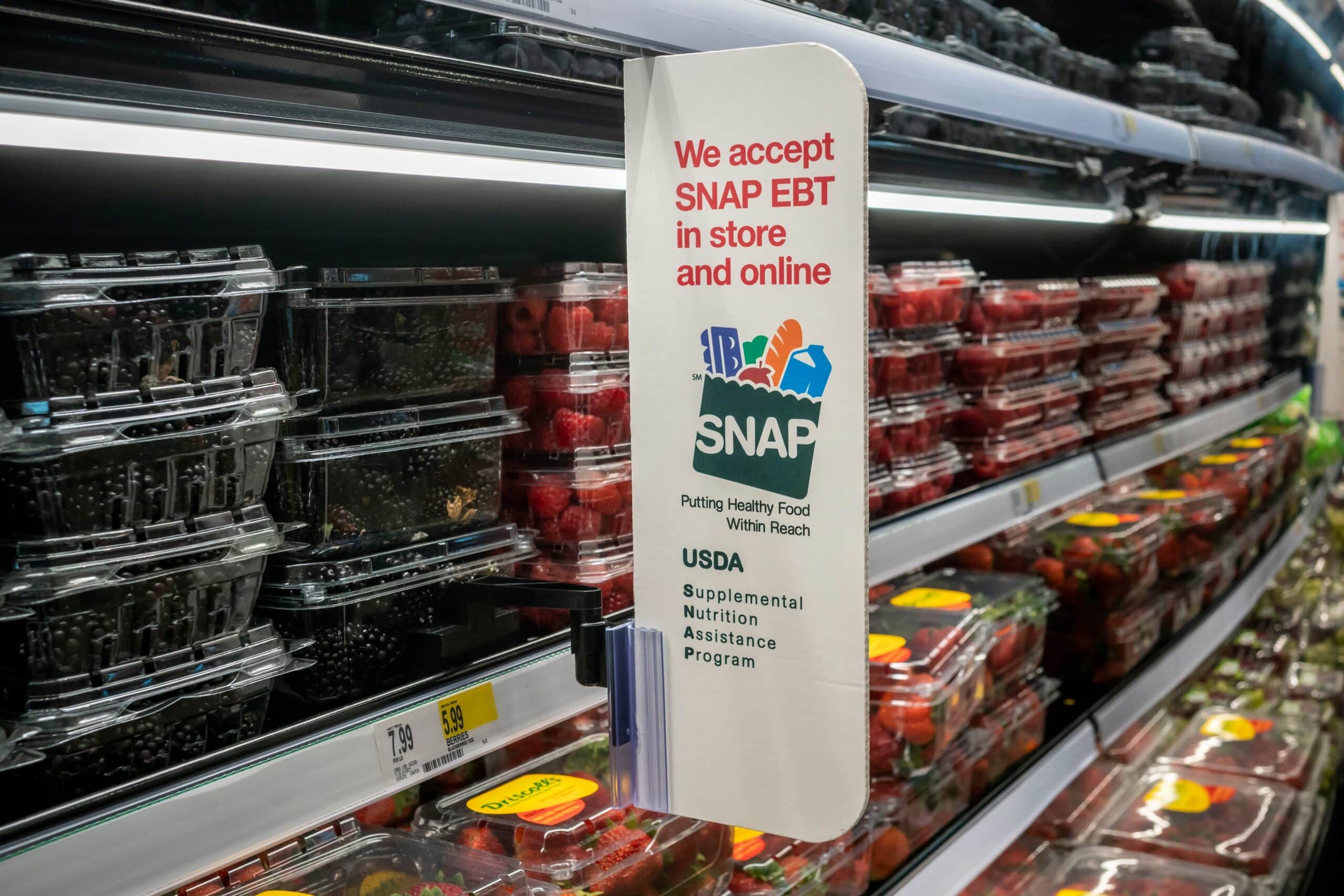
Starting June 1, updated federal rules tied to CalFresh — California’s version of the Supplemental Nutrition Assistance Program (SNAP) — are expected to affect hundreds of thousands of recipients. Advocates warn the changes could leave many low-income households without food assistance, pushing more people toward already-strained community food programs.
The policy changes come through the 2025-26 federal budget bill known as H.R. 1, or the “One Big Beautiful Bill Act.” According to the Congressional Budget Office, the measure is projected to reduce federal food assistance spending by roughly $211 billion over time. While supporters say the changes are meant to encourage workforce participation, critics argue they may hit vulnerable communities at a time when inflation and housing costs remain stubbornly high.
What the New Rules Mean for Recipients
Under the revised requirements, certain adults ages 18 to 64 without dependent children under 14 must meet stricter work or activity standards to continue receiving benefits beyond three months in three years. Recipients generally must work, volunteer, attend school, or participate in job training programs for at least 20 hours per week, or earn a minimum weekly income before taxes.
State officials estimate that more than 660,000 Californians could potentially lose benefits if they fail to meet the updated conditions. The changes also broaden the list of groups subject to work requirements, including some veterans, people experiencing homelessness, adults between 55 and 64, and former foster youth who were previously exempt.
Advocacy groups say one of the biggest challenges may not be unwillingness to work, but navigating the system itself. People dealing with unstable housing, irregular employment schedules, transportation barriers, or caregiving responsibilities may struggle to consistently complete paperwork or report hours, potentially putting their benefits at risk even if they technically qualify.
Food Banks Prepare for Growing Pressure

Food banks across California say they are already facing rising demand tied to inflation, rent increases, and broader economic uncertainty. Many organizations now worry that the CalFresh changes could trigger another major surge in households seeking emergency food support.
“There is no research that actually shows a link between these types of work requirements and time limits and improved employment outcomes,” said Jared Call of the California Association of Food Banks. “They only serve to cut people off vital food assistance.” In Los Angeles County alone, officials estimate around 260,000 residents could be impacted by the expanded rules.
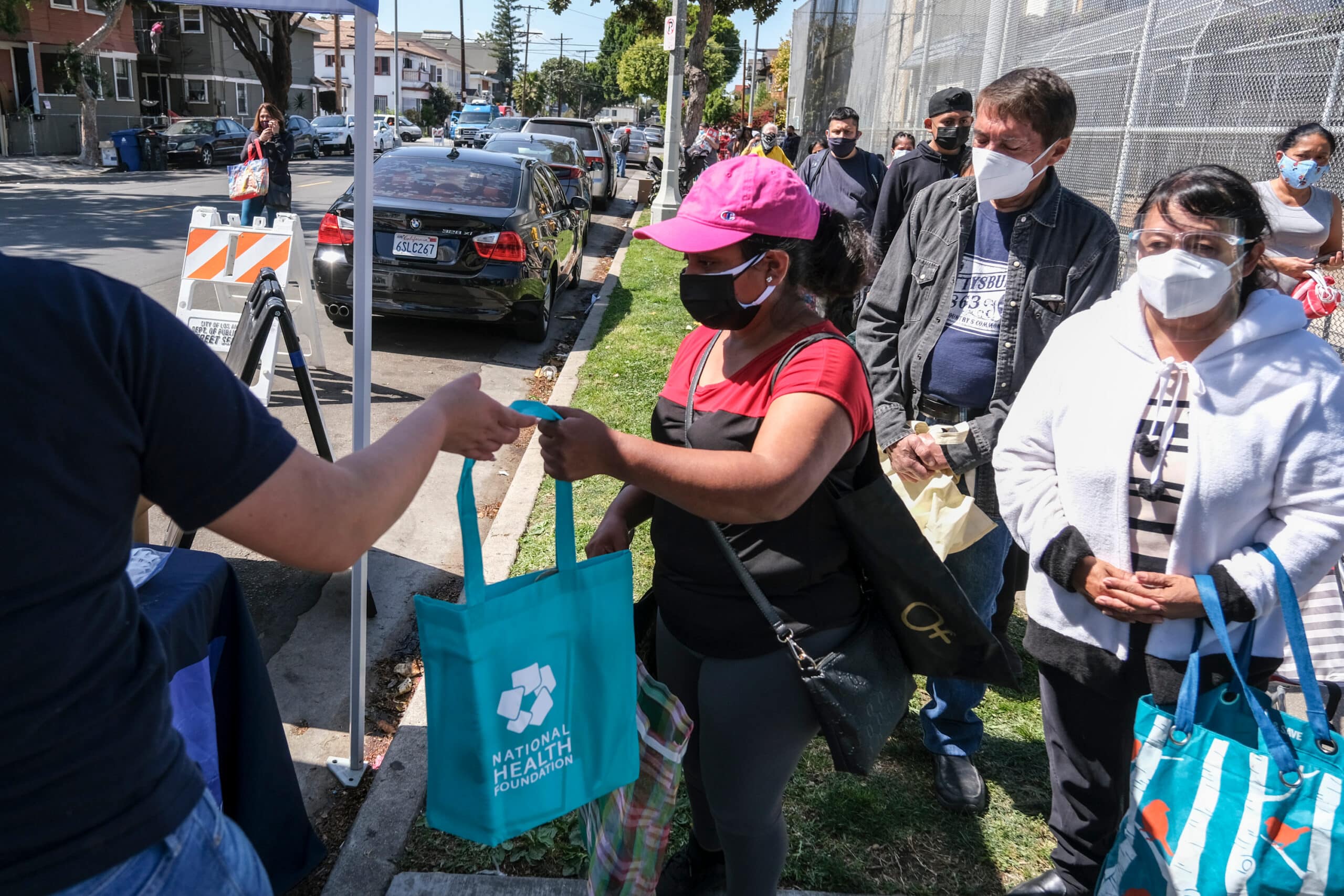
Some food banks say warning signs are already visible. The Los Angeles Regional Food Bank reported that recent distribution events have seen supplies run out early as more families seek help. Volunteers and nonprofit leaders say many working households are already stretched thin, with food assistance often making the difference between stability and crisis.
A Debate Bigger Than One Program
Counties and advocacy groups are now trying to prepare residents before the rules fully roll out. Some agencies have launched outreach campaigns, informational workshops, and extended office hours to help recipients determine whether they qualify for exemptions or alternative forms of support.
Supporters of the new requirements argue that encouraging employment and community engagement can help people achieve greater long-term financial independence. Critics, however, counter that the policy may ultimately increase hunger rather than employment, especially in communities where stable jobs, affordable childcare, and transportation remain difficult to access.
For many Californians living paycheck to paycheck, the debate feels deeply personal rather than political. As the changes begin taking effect statewide, food banks may become an even more essential safety net — not just for unemployed residents, but for working families struggling to keep up with the rising cost of everyday life.