New Dietary Guidelines Say ‘Eat Real Food’. Millions of Americans Say It’s Not That Simple


Eating well has never been more central to public health conversations, yet for many families, putting official dietary advice into practice feels out of reach. As nutrition experts encourage Americans to reduce processed foods and choose fresh, whole ingredients, economic realities and rising prices continue to shape what ends up in grocery carts. For low-income households in particular, the gap between recommendations and reality can be wide.
Understanding How Americans View Processed Foods

Recent consumer research suggests that many Americans associate processed foods with negative health outcomes, linking them to concerns about weight gain, chronic disease, and lower overall well-being. Even so, these same products remain a staple in households across income levels because they are affordable, convenient, and widely available. This tension reveals a deeper issue, awareness alone does not automatically translate into healthier purchasing decisions.
The Real Cost Of Healthy Eating
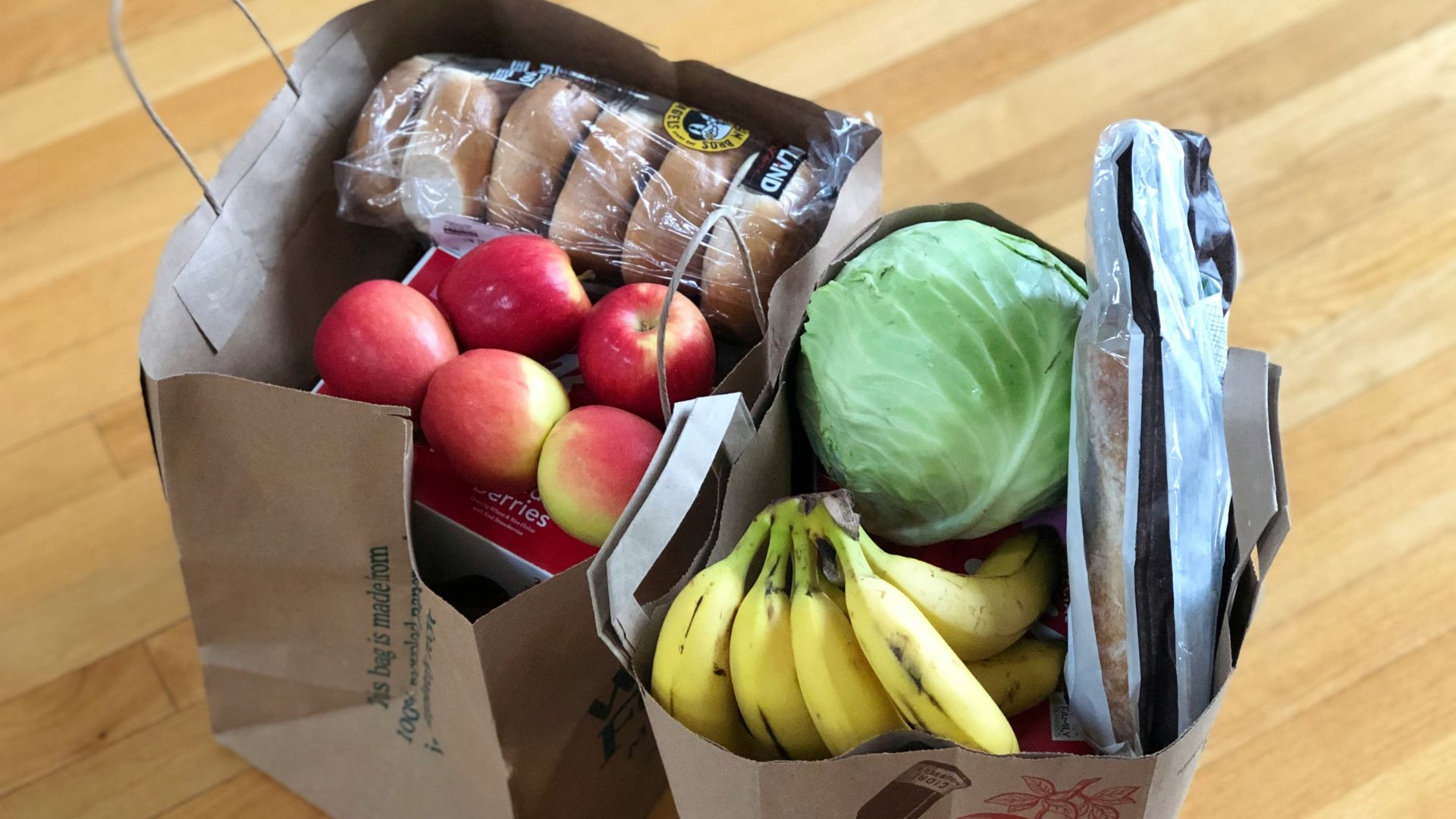
Fresh produce, lean proteins, and minimally processed ingredients often come at a higher price point than shelf-stable alternatives. Inflation has intensified this disparity, making nutritious options feel like a luxury rather than a standard. For families managing tight budgets, the priority frequently shifts from optimizing nutritional value to ensuring everyone has enough to eat.
Inflation’s Impact On Grocery Store Choices

As food prices have climbed, many households have adjusted by buying fewer fresh items and more packaged goods that stretch further. Staples such as refined grains, canned meals, and frozen entrees offer predictability and lower upfront costs. These shifts are not necessarily about preference, they are pragmatic responses to economic pressure.
Time Poverty And The Convenience Factor

Low-income Americans often juggle multiple jobs, long commutes, and caregiving responsibilities, leaving limited time for meal planning and preparation. Processed foods, with their shorter cooking times and minimal prep requirements, become practical solutions in busy schedules. When time is scarce, convenience can outweigh long-term nutritional considerations.
Food Deserts And Limited Access

Geographic barriers also complicate adherence to dietary guidance. In many underserved neighborhoods, supermarkets with diverse fresh offerings are scarce, while convenience stores and fast food outlets are abundant. Without reliable access to affordable fruits, vegetables, and whole grains, making healthier choices becomes structurally difficult.
The Psychological Weight Of Financial Stress

Chronic financial strain can influence eating patterns in subtle but powerful ways. Stress is associated with a greater inclination toward comfort foods that are high in sugar, salt, and fat. When individuals are preoccupied with meeting basic needs, long-term health goals may understandably take a back seat.
The Complexity Of Nutrition Messaging

Official dietary guidelines are often detailed and science-based, yet translating them into everyday meals requires knowledge, planning, and resources. For consumers facing economic hardship, messages about limiting ultra-processed foods or increasing fresh produce intake may feel disconnected from lived experience. Clear communication is essential, but it must also acknowledge practical constraints.
Balancing Health Recommendations With Budget Realities

For many low-income households, food decisions involve constant trade-offs between cost, shelf life, taste preferences, and perceived value. Bulk purchases of packaged products can reduce waste and extend meals across several days. In this context, strictly following dietary ideals may appear unrealistic without structural support.
The Role Of Public Policy And Community Programs

Nutrition assistance initiatives, school meal programs, and community-based efforts can help narrow the gap between guidance and access. Expanding benefits, supporting local food systems, and incentivizing healthier options in underserved areas are strategies that may ease financial barriers. System-level interventions play a crucial role in shaping what choices are truly available.
Moving Toward More Inclusive Dietary Guidance
If new dietary guidelines are to be effective, they must consider economic diversity and social realities. Recommendations that recognize affordability, time limitations, and access constraints stand a better chance of resonating with families under pressure. Addressing the challenges faced by low-income Americans is not only a matter of nutrition, it is a question of equity and practical feasibility.