New Law Bans Boiling Lobsters, Crabs, and Octopuses Alive as Research Reveals They Feel Pain
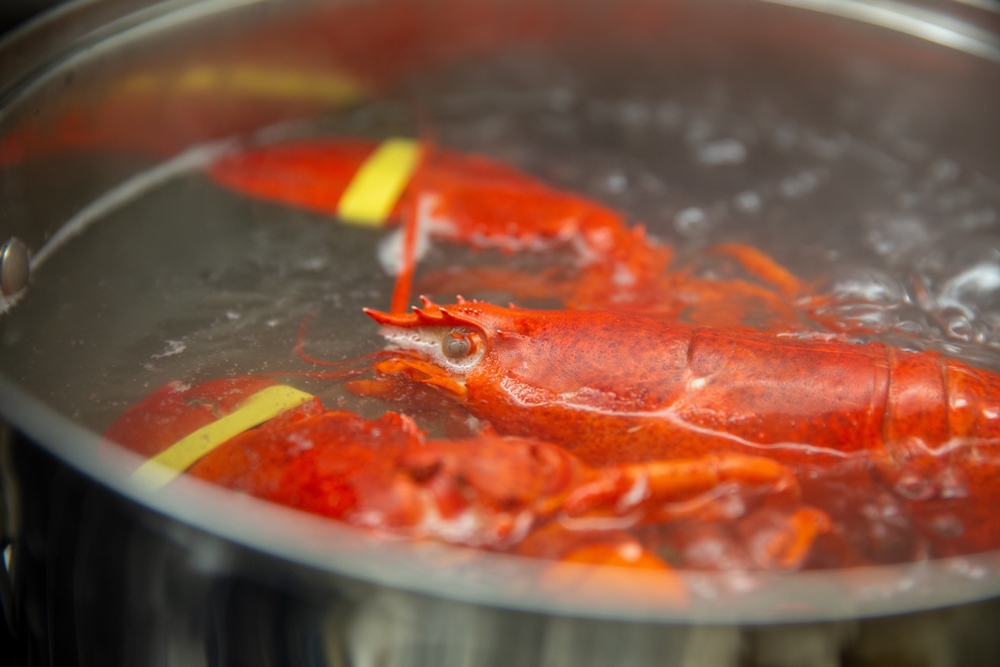

For generations, dropping a live lobster into a pot of boiling water was treated as standard practice in restaurant kitchens and home cooking alike. The method was rarely questioned, often defended as the safest and freshest way to prepare shellfish. But that tradition is now being fundamentally challenged in England.
Under new proposals tied to expanded animal welfare protections, boiling lobsters, crabs and octopuses alive will be banned as part of a broader crackdown on practices deemed inhumane . Ministers have made clear that live boiling is not considered an acceptable killing method and that guidance will be updated to reflect more humane alternatives .
The change follows the UK government’s decision to legally recognize certain invertebrates as sentient beings. In November 2021, lobsters, octopuses and crabs were formally included under the Animal Welfare (Sentience) framework, requiring policymakers to consider their welfare in future decisions.
The Scientific Review That Changed Everything
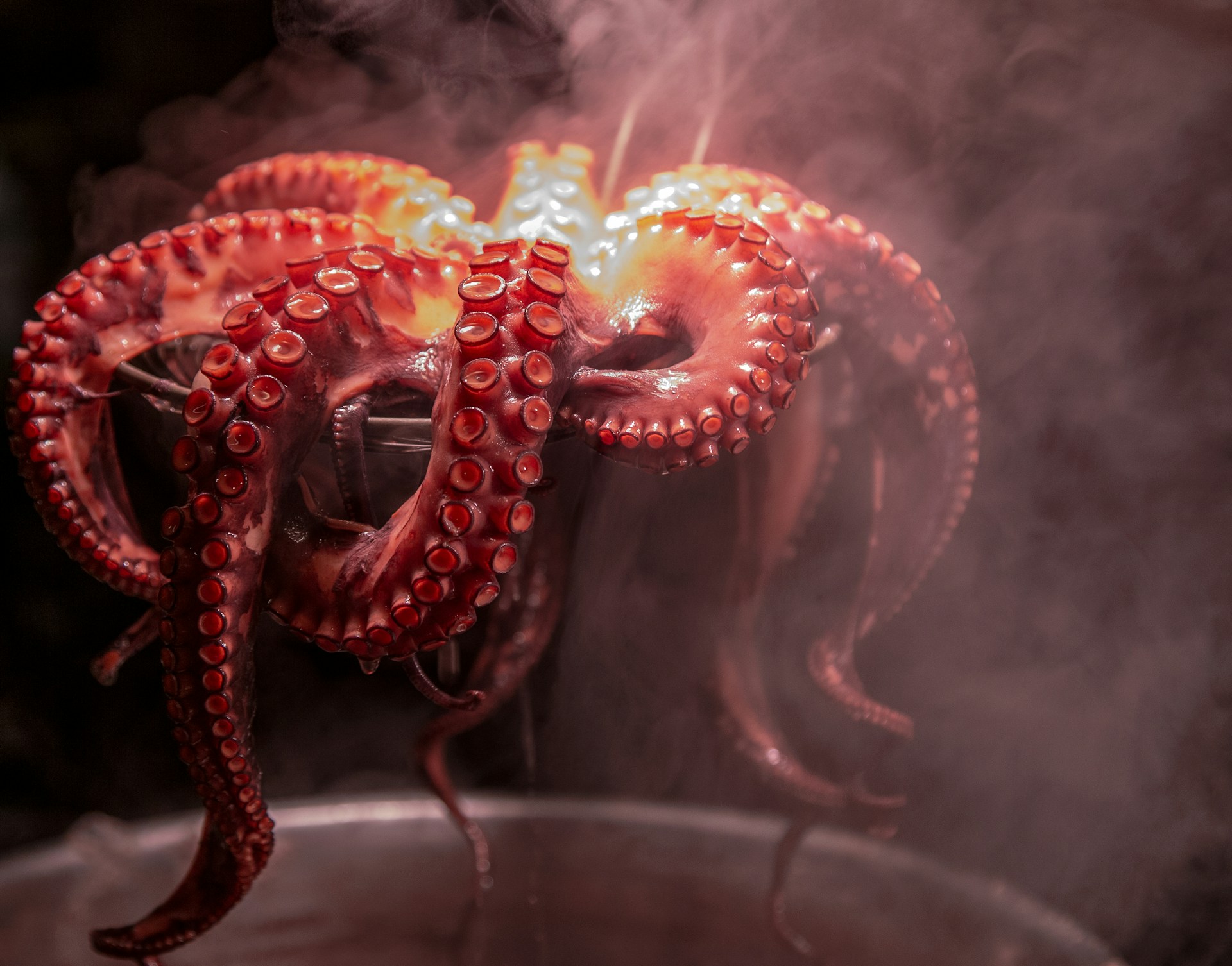
The legal shift was driven by an extensive scientific review commissioned by the UK government and conducted by researchers at the London School of Economics. The study examined more than 300 pieces of scientific evidence to determine whether cephalopods and decapod crustaceans are capable of sentience.
Sentience, in this context, means the capacity to experience feelings such as pain, distress and suffering — not merely reflexive responses. After reviewing neurological structures, behavioral patterns and experimental data, researchers concluded there is strong evidence that these animals can indeed feel pain. The findings prompted a recommendation that they be legally recognized as sentient.
Advocacy groups highlighted the scale of the research behind the decision. Animals Australia noted that the government-commissioned review, led by Dr. Jonathan Birch, analyzed more than 300 studies before reaching its conclusion.
Why Boiling Alive Became the Flashpoint
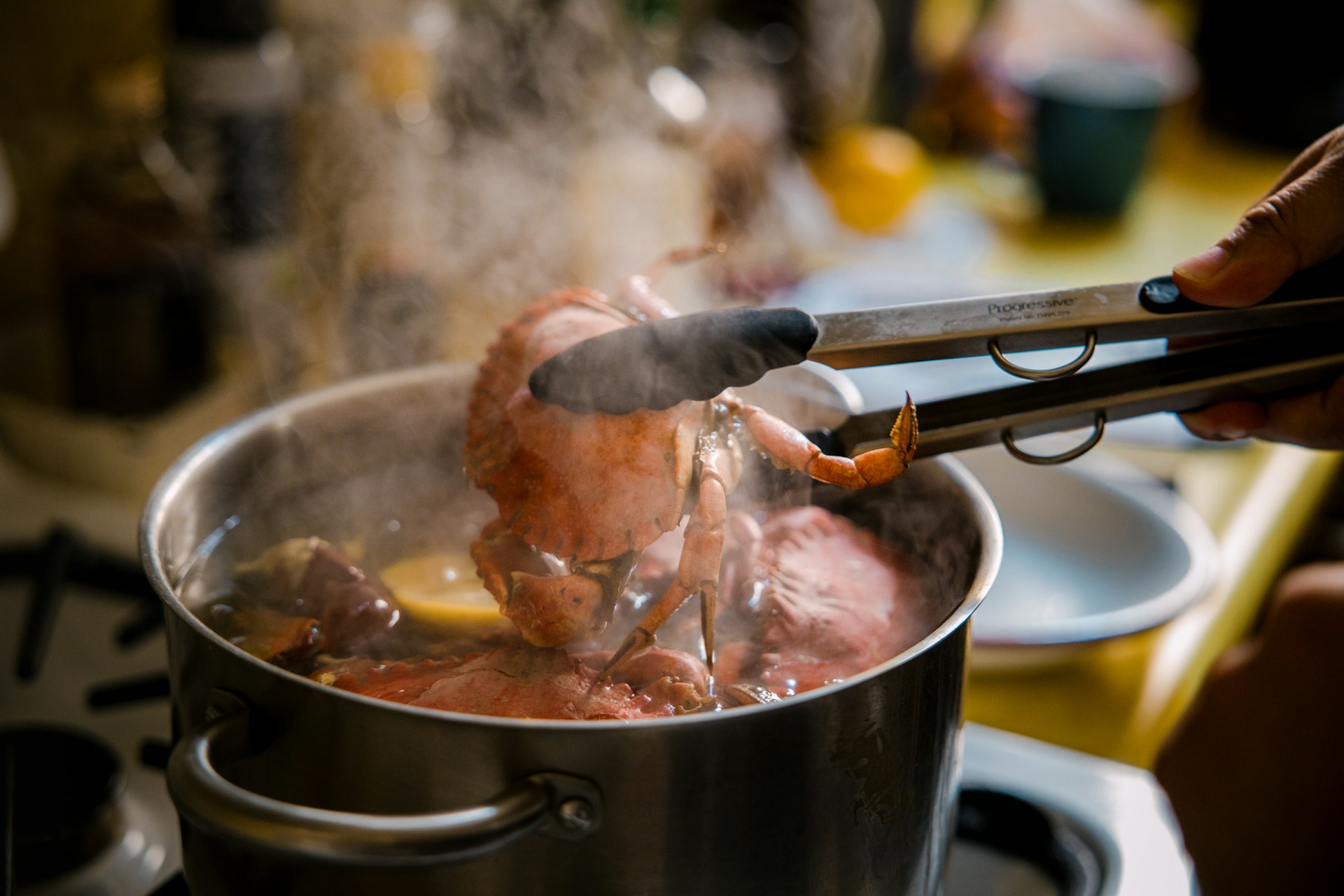
Boiling crustaceans alive has historically been justified on food safety grounds. Because bacteria multiply rapidly after death and may produce toxins, cooking animals while still alive was seen as a way to reduce health risks. In professional kitchens, the method became normalized as both practical and efficient.
However, welfare advocates argue that the process can cause prolonged suffering. Some species, including brown crabs, may take several minutes to die in boiling water, displaying escape behaviors that researchers say are consistent with pain responses. That evidence transformed what once seemed routine into something ethically troubling.
Campaign group Crustacean Compassion described live boiling as avoidable and unnecessary, calling for humane alternatives such as electrical stunning. Public opinion appears to be shifting as well. A YouGov poll cited in reporting found that a majority of UK consumers oppose boiling crustaceans alive and support more humane slaughter methods.
What the Ban Means and the Debate Over Alternatives
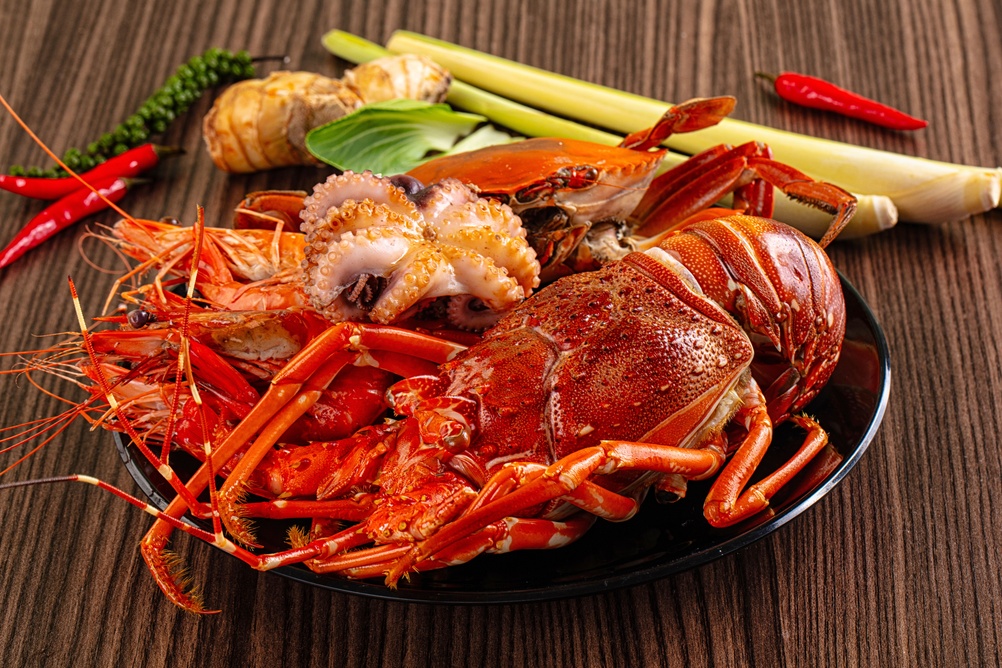
The upcoming ban, expected to take effect by 2030, will require restaurants and seafood suppliers to move away from live boiling and adopt alternative slaughter methods. Electrical stunning is often presented as the most humane option currently available. When properly applied, it can render crustaceans insensible very quickly, reducing the likelihood of prolonged suffering before death.
However, even so-called humane alternatives are not entirely free from scrutiny. Some welfare groups and researchers caution that electrical stunning must be carefully calibrated for different species, as insufficient voltage or duration may fail to fully eliminate sensation. Others note that chilling methods, such as placing animals in ice slurry or cold air before cooking, are still debated, with limited evidence that they reliably induce unconsciousness rather than simply immobilizing the animal.
That ongoing discussion highlights a broader reality: the science of invertebrate welfare is still evolving. While the ban on boiling alive reflects a growing consensus that crustaceans can feel pain , determining the most humane way to end their lives remains a complex ethical and scientific challenge. The law marks a significant step forward, but it also underscores that improving animal welfare often involves continued refinement, not a single definitive solution.

