New Report Says Costco’s $4.99 Rotisserie Chicken May Pose a Salmonella Risk
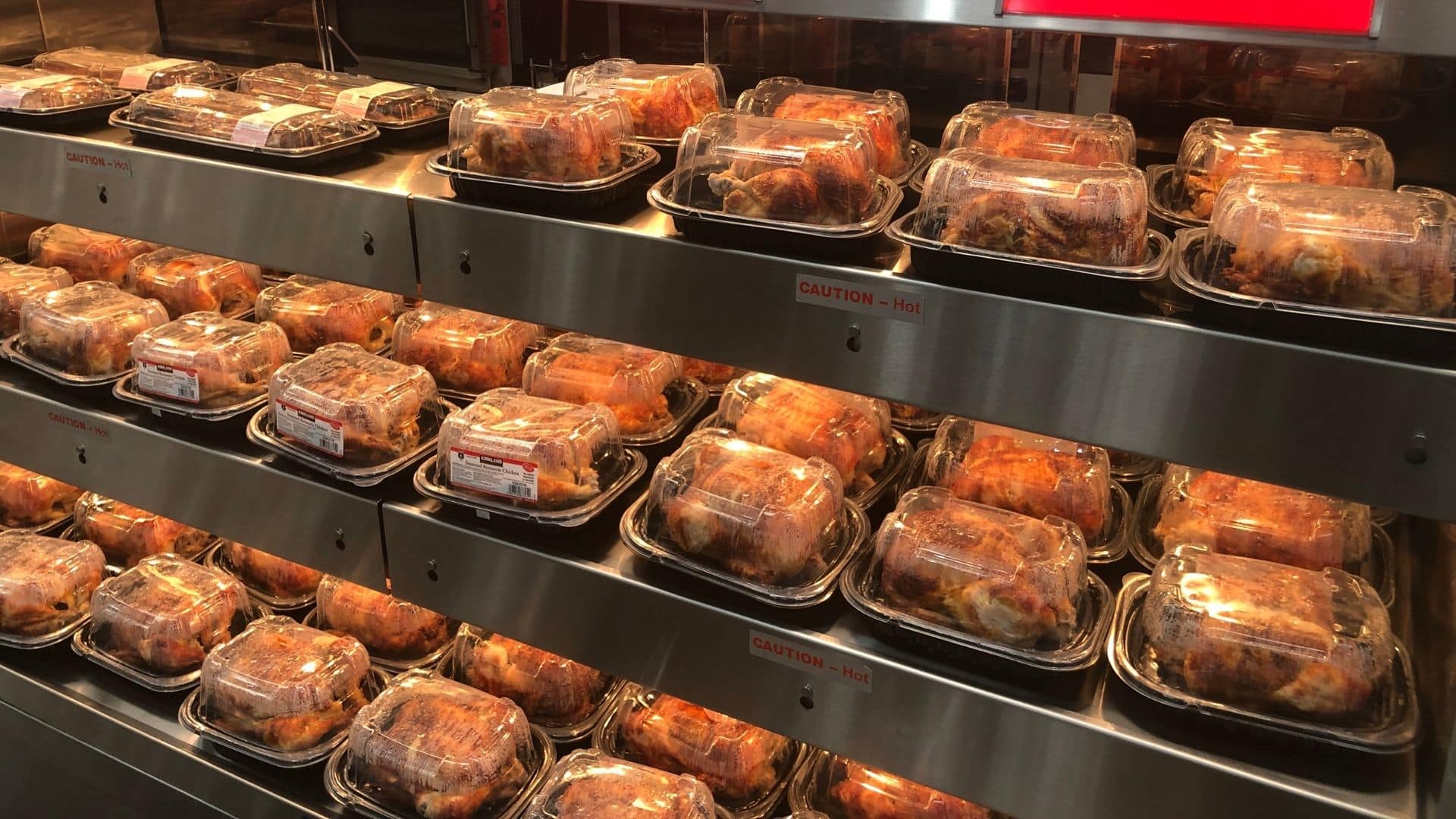

Costco’s rotisserie chicken isn’t cheap by accident. The company intentionally sells the bird at a loss to pull shoppers into stores, betting customers will buy other items once inside.
To protect that price, Costco even built its own $450-million poultry complex in Nebraska and recruited farmers directly, an unusually aggressive move for a retailer.
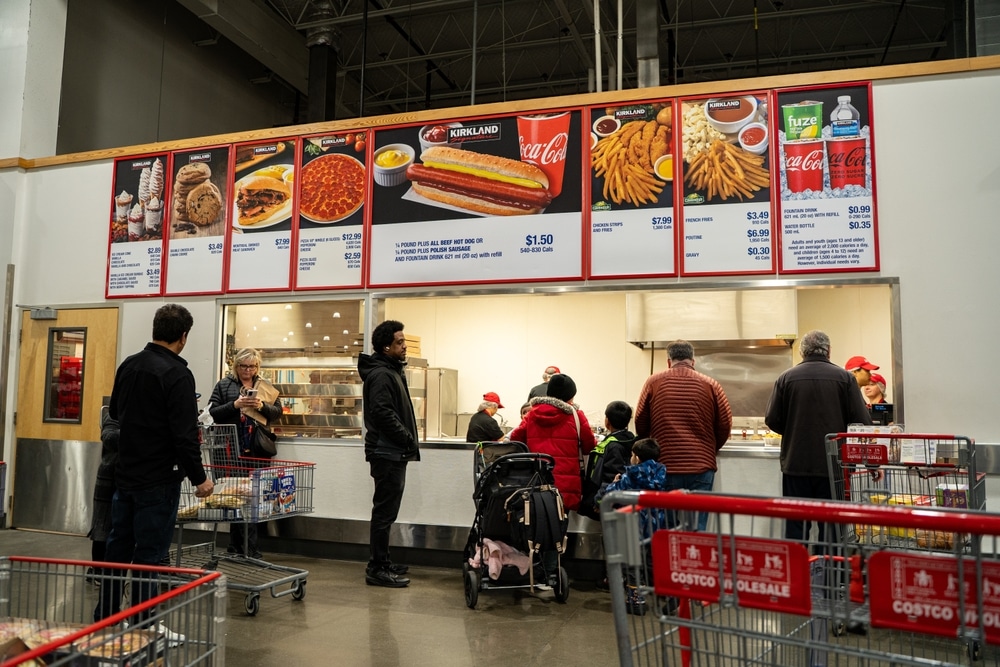
The strategy works. The chicken has become part of Costco’s identity, much like its famous hot dog combo, and executives have openly acknowledged it costs the company tens of millions of dollars a year in lost margins.
USDA Data Shows Repeated Salmonella Failures
Behind the bargain price, however, are troubling inspection results. According to an analysis of USDA Food Safety and Inspection Service data from 2020 to 2024, Costco’s Lincoln Premium Poultry plant in Fremont, Nebraska — which supplies roughly 40% of its chicken — repeatedly failed salmonella performance standards.
The facility received the USDA’s worst Category 3 rating 92% of the time since opening in 2019.
Even more concerning, from late 2023 through mid-2025, it reportedly failed 100% of monthly rolling tests. Consumer Reports has also listed the plant among the most contaminated poultry facilities in the country.
Why The Chicken Can Still Be Sold Anyway
Despite failing inspections, the USDA does not have the authority to shut down poultry plants, stop raw chicken from reaching shelves, or issue recalls based solely on contamination risk.
That means chicken from a failing plant can still legally be sold nationwide.
In short, a failed rating doesn’t remove the product — it only flags it. Costco has not publicly responded to requests for comment regarding the findings.
What Shoppers Can Do to Reduce Food-poisoning Risk
Food safety experts stress that proper handling matters more than brand loyalty.
Consumers are advised to wash hands thoroughly, keep raw meat separate from other foods, avoid rinsing poultry, and cook chicken to an internal temperature of 165°F using a thermometer.
While Costco’s rotisserie chicken remains hugely popular, the USDA data highlights a broader reality: ultra-cheap convenience foods often rely on industrial systems where safety margins can become thin — and the burden of caution shifts to consumers.