New Study Shows 28 Popular Candy Brands Contain Dangerous Arsenic Levels, Including Nerds, Snickers, Kit Kat


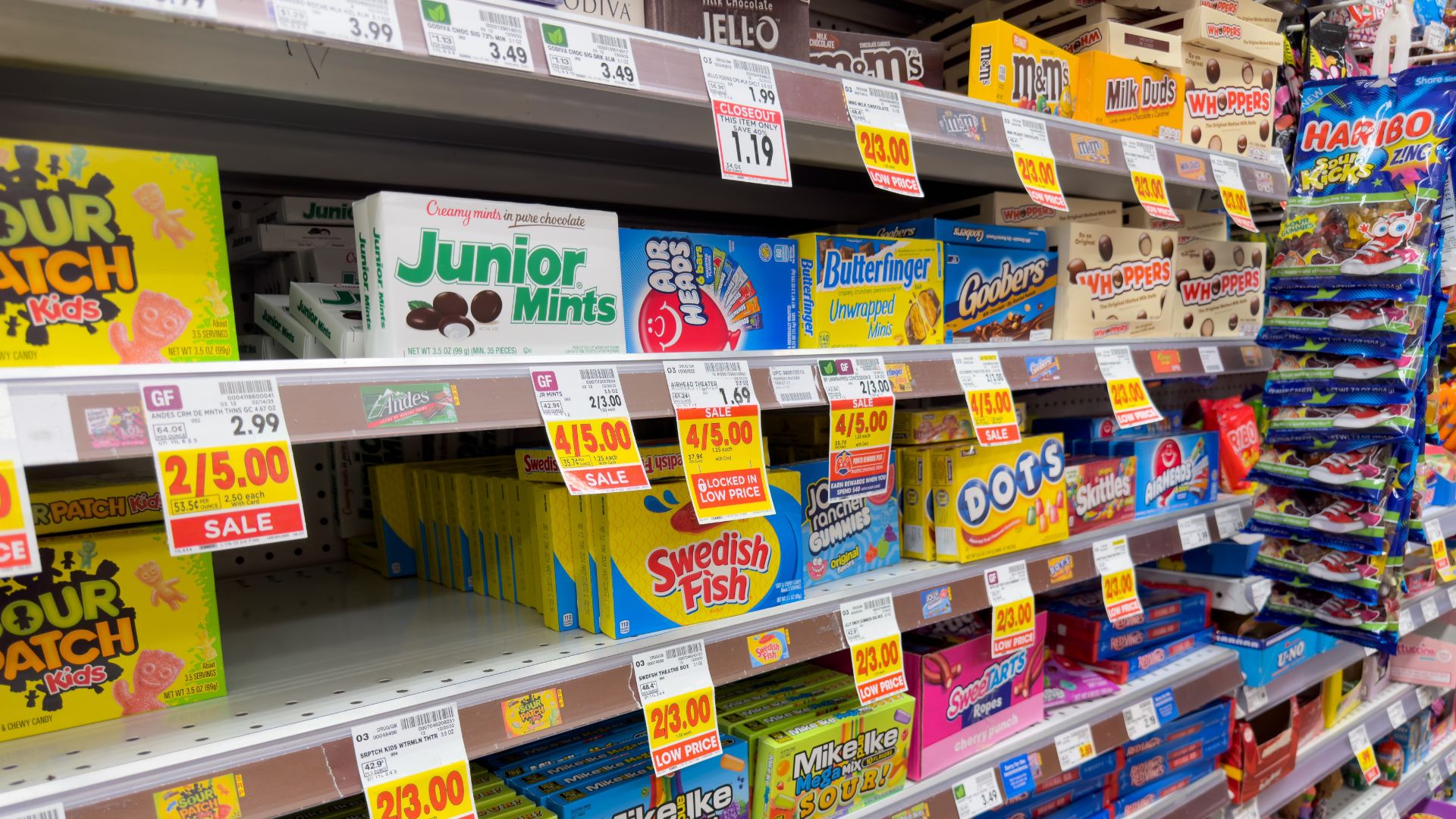
The Florida Department of Health tested dozens of popular candy brands and found arsenic in 28 of them at levels that could pose health risks for both children and adults who consume them regularly. The testing, part of Florida’s Healthy Florida First initiative, examined brands including Snickers, Skittles, Sour Patch Kids, and Nerds through a certified laboratory specializing in food and environmental analysis. Florida calculated safe consumption limits based on cancer risk thresholds, with consumption limits that may surprise candy lovers.
Florida contracted a certified laboratory to analyze candy samples using EPA Method 6010D, which detects metals in foods through Inductively Coupled Plasma-Optical Emission Spectrometry, according to Katie Young, a spokeswoman for the Florida Department of Health. The EPA method measures metals in foods and other materials. Samples were purchased from brick-and-mortar stores and online retailers to mirror typical consumer buying habits. The laboratory followed established quality assurance protocols to validate all findings.
Arsenic is a well-established carcinogen, according to the Florida Department of Health. The FDA notes that arsenic may be present in food from the environment where foods are grown, raised, or processed. The CDC states that long-term exposure can have debilitating health effects, including various types of cancer, skin disorders, cardiovascular disease, and neurological effects in fetuses during pregnancy. The arsenic concentrations identified in Florida’s candy testing pose potential cancer and non-cancer risks for both children and adults, Young said.
Laffy Taffy and Jolly Ranchers Showed Some of the Highest Arsenic Concentrations

Laffy Taffy Banana contained 480 parts per billion of arsenic, one of the highest levels detected in the study, according to Florida’s findings. Jolly Rancher Hard Candy Sour Apple measured 540 ppb, while Tootsie Fruit Chew Lime came in at 570 ppb. Twizzlers Watermelon registered 510 ppb, and Nerds Gummy Clusters contained 500 ppb. Based on these concentrations, Florida calculated that children should consume no more than four Laffy Taffy pieces annually, while adults should limit intake to 9 3/5 pieces per year.
To provide context for consumers, Florida calculated safe monthly and annual consumption amounts for candies with detected arsenic, Young explained. The state used an increased cancer risk threshold of one additional case per 10,000 people, aligned with standard public health risk assessment practices. The Department used risk models and safety levels from the Agency for Toxic Substances and Disease Registry to estimate health risks. Florida’s complete testing data is available online.
Snickers bars contained 350 ppb of arsenic, with safe consumption limits set at approximately two bars per year for children and six bars for adults, according to Florida’s study. Kit Kat measured 230 ppb, limiting children to approximately 2 3/5 bars annually and adults to six. Hershey’s Cookies ‘N’ Creme registered 280 ppb, allowing just over one bar per year for children and three for adults. Even 3 Musketeers, at 240 ppb, came with consumption limits of roughly two bars yearly for children.
The Candy Industry Disputed Florida’s Findings and Methodology
The National Confectioners Association released a statement defending candy safety and calling the Florida announcement misguided. The industry group said the state’s report “demonstrates a glaring lack of transparency related to data-driven, scientific safety thresholds” and that “Florida has chosen sound bites over science.” The NCA said Florida is ignoring the FDA’s Closer to Zero Initiative, which was created to reduce dietary exposure to naturally occurring elements like arsenic, and is developing arsenic action levels for foods children consume.
The FDA released a new interactive web-based tool called Total Diet Study Interface on January 27 that provides vetted data, according to the National Confectioners Association. The NCA said FDA findings related to arsenic in confectionery available through this tool are significantly lower than what Florida reported. The industry group argued that Florida’s methodology relies on screening benchmarks that don’t align with current federal regulatory standards or recognized peer-reviewed science for confectionery products.
Healthy Florida First aims to ensure a clean, safe, and transparent food environment, Young said. The Department approached the evaluation conservatively to ensure the protection of children, identified as the most sensitive population. Florida stands behind the testing and results from the certified laboratory, she said, noting that when testing identifies potentially concerning contaminant levels, the Department has a responsibility to inform the public. Current test results are available at ExposingFoodToxins.com/candy.
Health Outcomes Depend on Frequency and Duration of Exposure Over Time

Whether someone experiences health problems from arsenic in candy depends on how often they eat it, how long they’ve been consuming it, what other toxins they’re exposed to, and their existing medical conditions, according to Young. Eating candy with arsenic levels beyond Florida’s calculated limits regularly could raise the likelihood of developing health problems. The FDA notes that arsenic may be present in food from environmental sources.
Eating candy with arsenic above safe limits can increase the risk of specific cancers, including lung, skin, kidney, and bladder cancer, according to Florida’s study. The arsenic levels detected ranged from 180 parts per billion in Smart Sweets Sweet Fish to 570 ppb in Tootsie Fruit Chew Lime. Even candies marketed as healthier alternatives, such as Smart Sweets products, contained detectable levels of arsenic, though at lower concentrations than in many conventional candies.
Consumers can access Florida’s complete testing data to make informed decisions about candy consumption. The testing results include specific parts-per-billion measurements for each candy brand tested, along with calculated safe consumption amounts for both children and adults. The laboratory analysis used EPA Method 6010D, a standardized approach for detecting trace metals. Trace amounts of arsenic naturally occur in many products due to environmental contamination.