New Study: The Fatal Link Between Ultra-Processed Food and Longevity
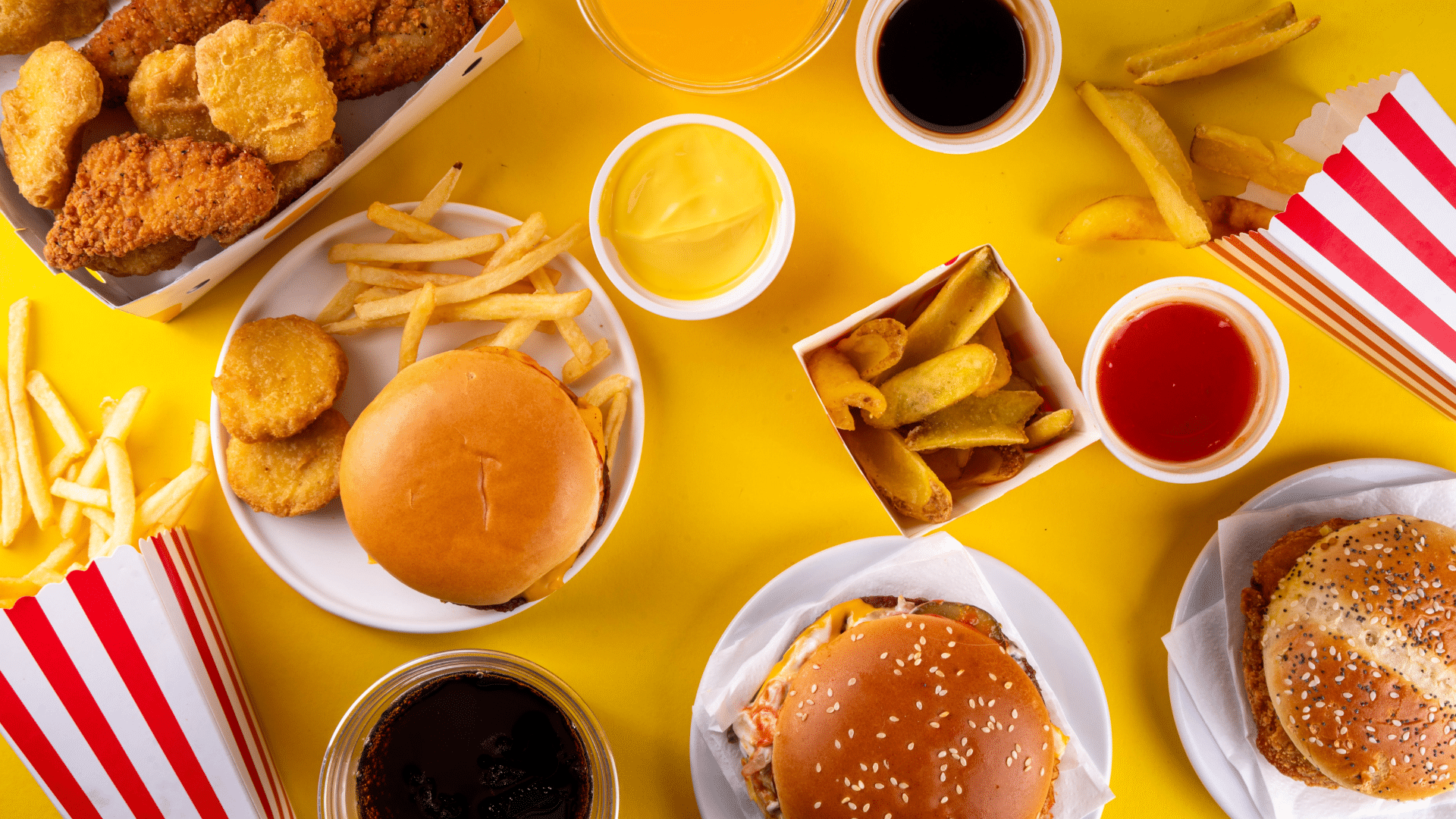

A new global study shows that eating more ultraprocessed food significantly increases the risk of premature death. Researchers focused on adults between the ages of 30 and 69, a period when death is considered preventable. The findings add to growing concerns about how modern diets affect long-term health. Ultraprocessed foods now dominate many people’s daily calorie intake.
Just a 10% Increase in Ultraprocessed Calories Has Real Consequences

For every 10% increase in calories from ultraprocessed foods, the risk of premature death rose by nearly 3%. The study was coauthored by Carlos Augusto Monteiro, the nutrition expert who coined the term “ultraprocessed.” Researchers analyzed data from more than 240,000 people. Even modest dietary shifts showed measurable health impacts.
What Exactly Counts as Ultraprocessed Food?

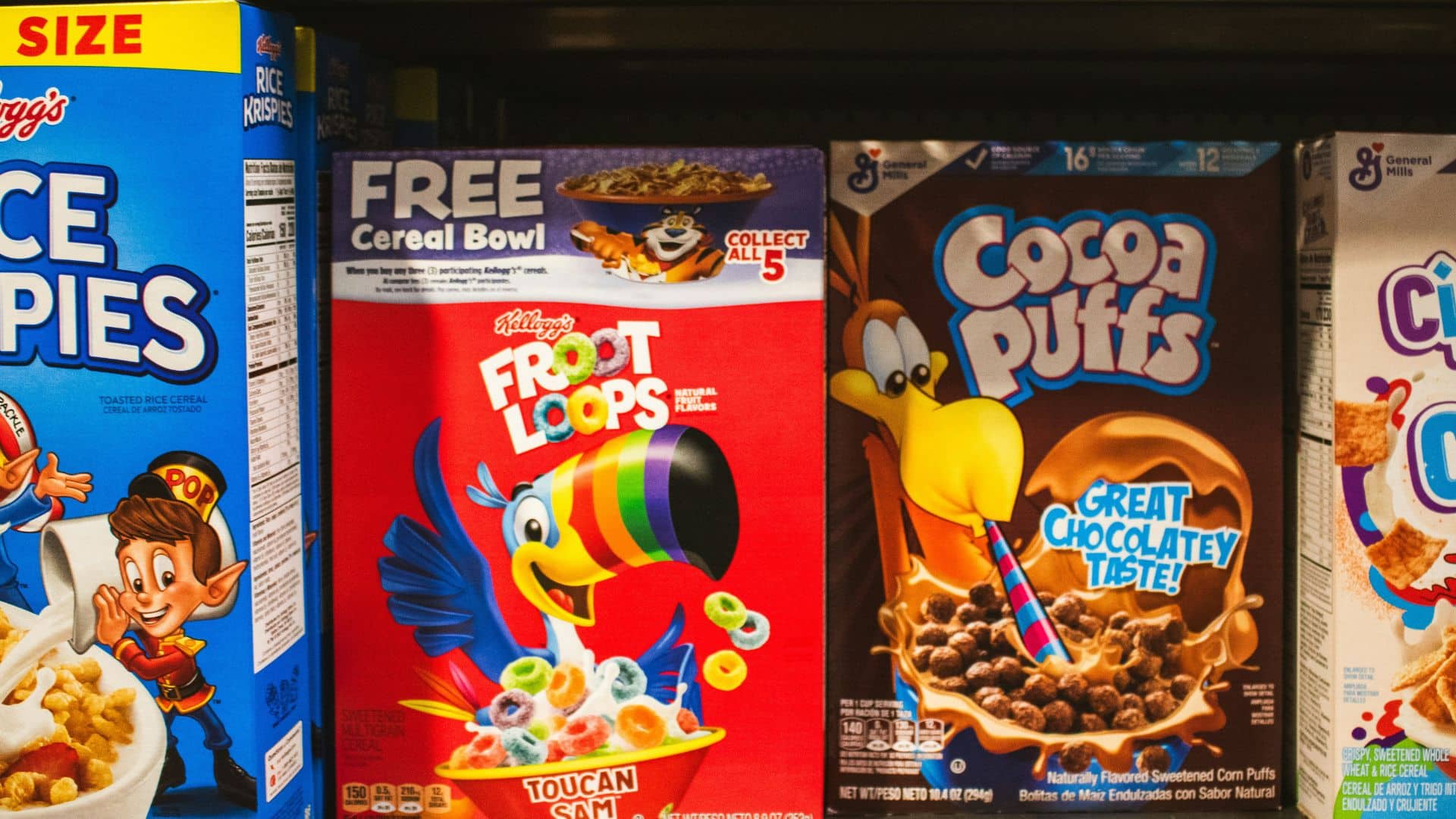
Ultraprocessed foods fall under Group Four of the NOVA food classification system. Unlike whole or minimally processed foods, these products contain little to no real food. They are manufactured using chemically altered ingredients and synthetic additives. Their design prioritizes shelf life, flavor, and habit-forming qualities over nutrition.
Why Scientists Say the Human Body Can’t Fully Adapt

Monteiro argues there is no reason to believe humans can safely adapt to ultraprocessed products. In a 2024 editorial, he wrote that the body may react to them as harmful or useless. Over time, this can impair bodily systems. The effects depend on both vulnerability and how much ultraprocessed food is consumed.
Industry Leaders Push Back Against the Findings

The Consumer Brands Association criticized the study, calling it misleading. A spokesperson warned that demonizing shelf-stable foods could limit access to affordable nutrition. They also raised concerns about increased foodborne illness and widening health disparities. The food industry argues that convenience foods play a vital role for many families.
Even One Serving a Day Can Increase Health Risks

Previous studies show that small increases in ultraprocessed food intake can lead to major health consequences. A February 2024 study linked higher consumption to a 50% increase in cardiovascular-related deaths. Risks of anxiety, obesity, diabetes, sleep disorders, and depression also rose sharply. One serving per day made a measurable difference.
Links Found to Stroke, Cancer, and Cognitive Decline

Additional research published in 2024 found that adding just 10% more ultraprocessed food increased the risk of stroke and cognitive decline. A 2023 study linked higher intake to cancers of the upper digestive tract. These findings suggest the risks go beyond weight gain or heart disease. Long-term neurological and cancer risks are also involved.
Ultraprocessed Foods Dominate the U.S. Diet
An estimated 70% of the U.S. food supply is ultraprocessed. Children in the U.S. get about two-thirds of their calories from these foods. Adults consume roughly 60% of their daily calories from ultraprocessed products. This level of exposure is higher than in any other country studied.
Researchers Estimate Thousands of Preventable Deaths
The study estimated preventable premature deaths across eight countries. In nations with high ultraprocessed food consumption, up to 14% of early deaths could be linked to these foods. In the U.S. alone, researchers estimate over 124,000 deaths in 2017 might have been prevented. Countries with lower consumption showed far fewer preventable deaths.
Scientists Caution the Findings Show Risk, Not Proof

Experts stress that the study does not prove ultraprocessed foods directly cause death. Critics note that eliminating ultraprocessed foods entirely is unrealistic. However, researchers say repeated findings across countries raise serious concerns. While not definitive, the evidence increasingly suggests ultraprocessed foods are more than an innocent bystander.