New Tariff Proposal Targets Patented Drugs, And It’s Raising Concerns


The cost of medicine could be heading into new territory.
A new tariff proposal is targeting patented drugs, and it is already drawing strong reactions. What looks like a trade policy move may end up affecting something much closer to home for many Americans.
A Major Policy Shift on Prescription Drugs
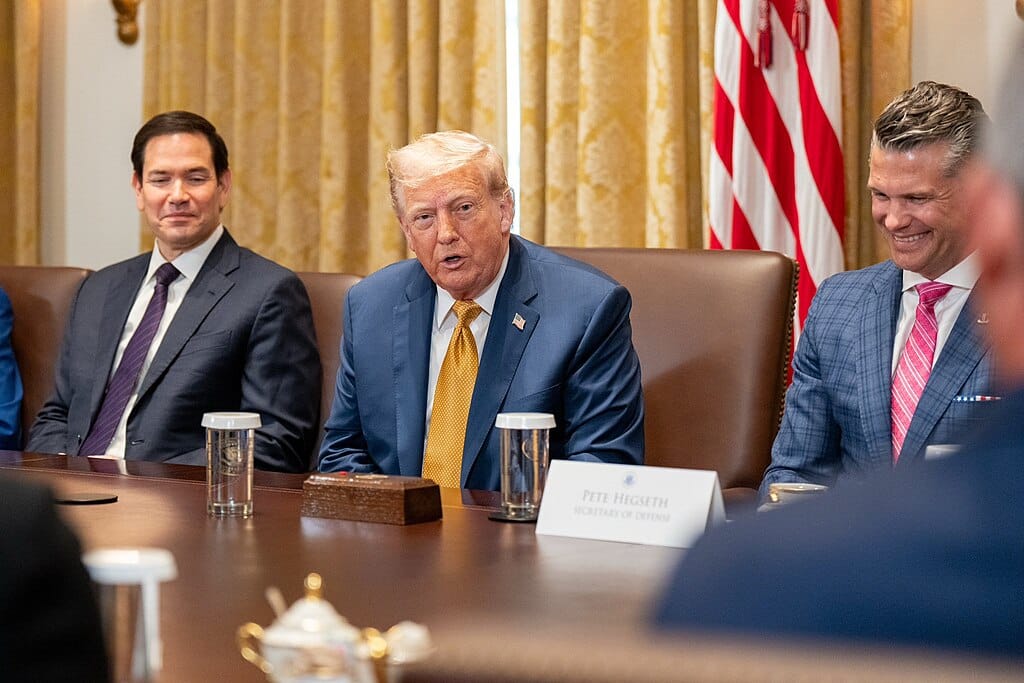
The Trump administration has introduced tariffs that could reach as high as 100% on certain patented pharmaceutical products. The policy targets companies that do not agree to new pricing or manufacturing conditions set by the government. This marks a significant shift, as pharmaceuticals had largely avoided this level of tariff pressure in the past.
How the Tariffs Would Work
The structure of the tariffs depends on how companies respond. Firms that refuse to negotiate pricing deals or move production to the United States could face the full 100% tariff. Companies that agree to bring manufacturing into the U.S. may face lower rates, while those that meet both pricing and production goals could avoid tariffs entirely.
Not All Countries Are Treated the Same
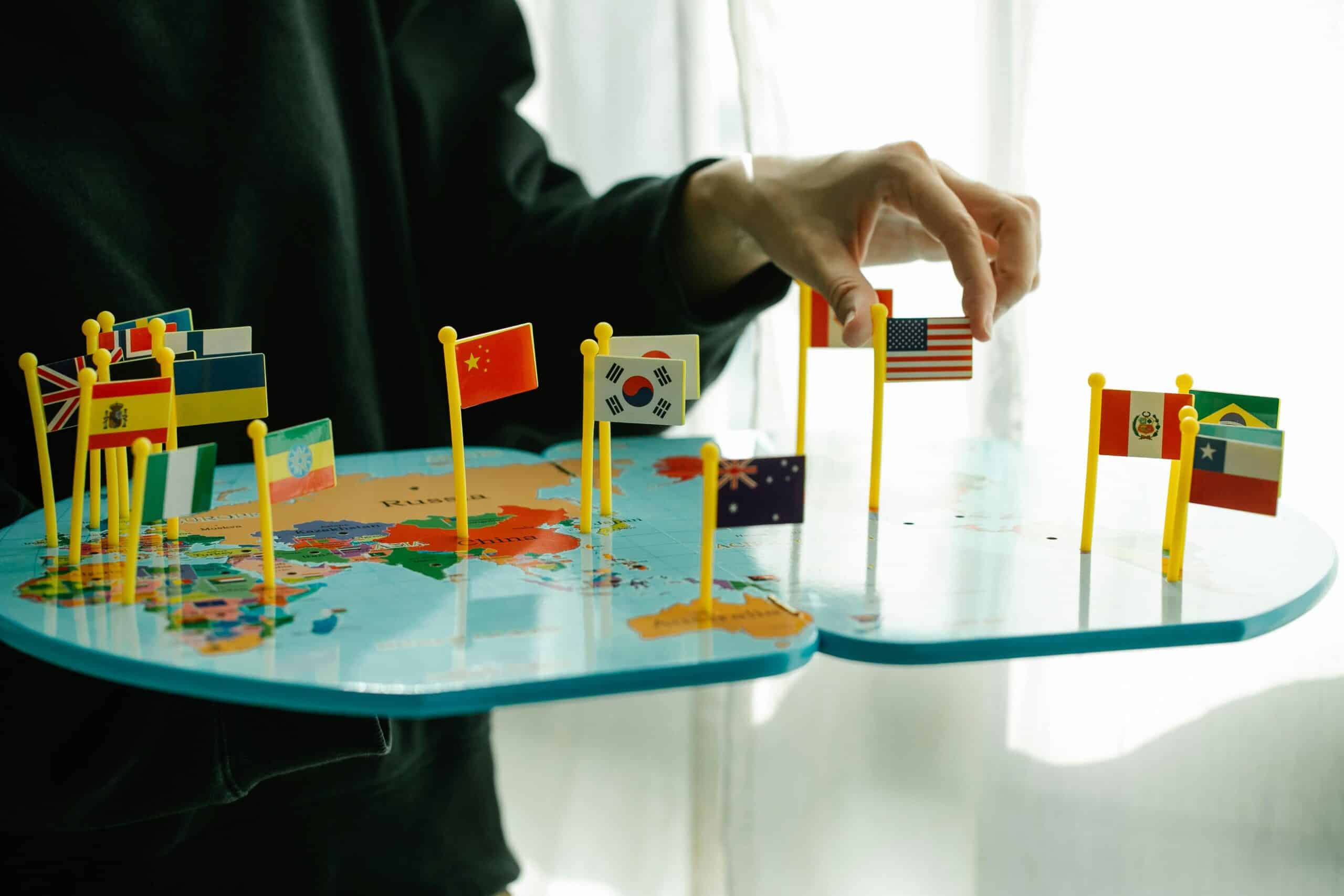
Some countries will face lower tariffs due to existing trade agreements. Imports from regions like the European Union, Japan, and South Korea may see rates closer to 15%, while the United Kingdom could face even lower levels. These differences reflect broader trade relationships and ongoing negotiations.
Why the Administration Is Pushing This

Officials say the goal is to strengthen domestic supply chains. According to a White House fact sheet, the administration views reliance on foreign pharmaceuticals as a national security concern. The policy also aims to push drugmakers to manufacture more products within the United States.
Pressure on Drug Companies Is Not New

This move builds on earlier efforts to lower drug prices. In reporting from Bloomberg, President Trump had already pressured major pharmaceutical companies to reduce costs, warning he would use every available tool if they did not comply. Tariffs now appear to be part of that broader strategy.
Industry Leaders Are Raising Concerns

Not everyone sees this as a solution. Stephen J. Ubl, CEO of the industry group PhRMA, warned that tariffs on “cutting-edge medicines will increase costs and could jeopardize billions in U.S. investments,” speaking in response to the proposal. Many in the industry argue that the policy could have unintended consequences.
Potential Impact on Prices and Access

Tariffs often raise costs somewhere along the supply chain. In this case, that could mean higher prices for certain medications or shifts in how drugs are distributed. At the same time, the administration argues the policy could eventually lower prices if companies agree to new pricing structures.
A Strategy That Goes Beyond Trade

The proposal reflects a broader strategy that combines trade policy with healthcare goals. Officials have used tariffs as leverage to push companies toward pricing agreements and domestic investment. That approach blends economic policy with public health priorities in a way that continues to draw debate.
What Happens Next Could Shape Drug Pricing

The policy is still unfolding, and companies have time to respond before the highest tariffs take effect. Negotiations, manufacturing plans, and pricing decisions will all play a role in what comes next. For now, the proposal highlights a growing tension between lowering drug costs, protecting supply chains, and maintaining innovation. How those priorities balance out may determine what patients see at the pharmacy counter in the years ahead.

