New U.S. Alcohol Guidelines Redefine What’s Considered Healthy Drinking
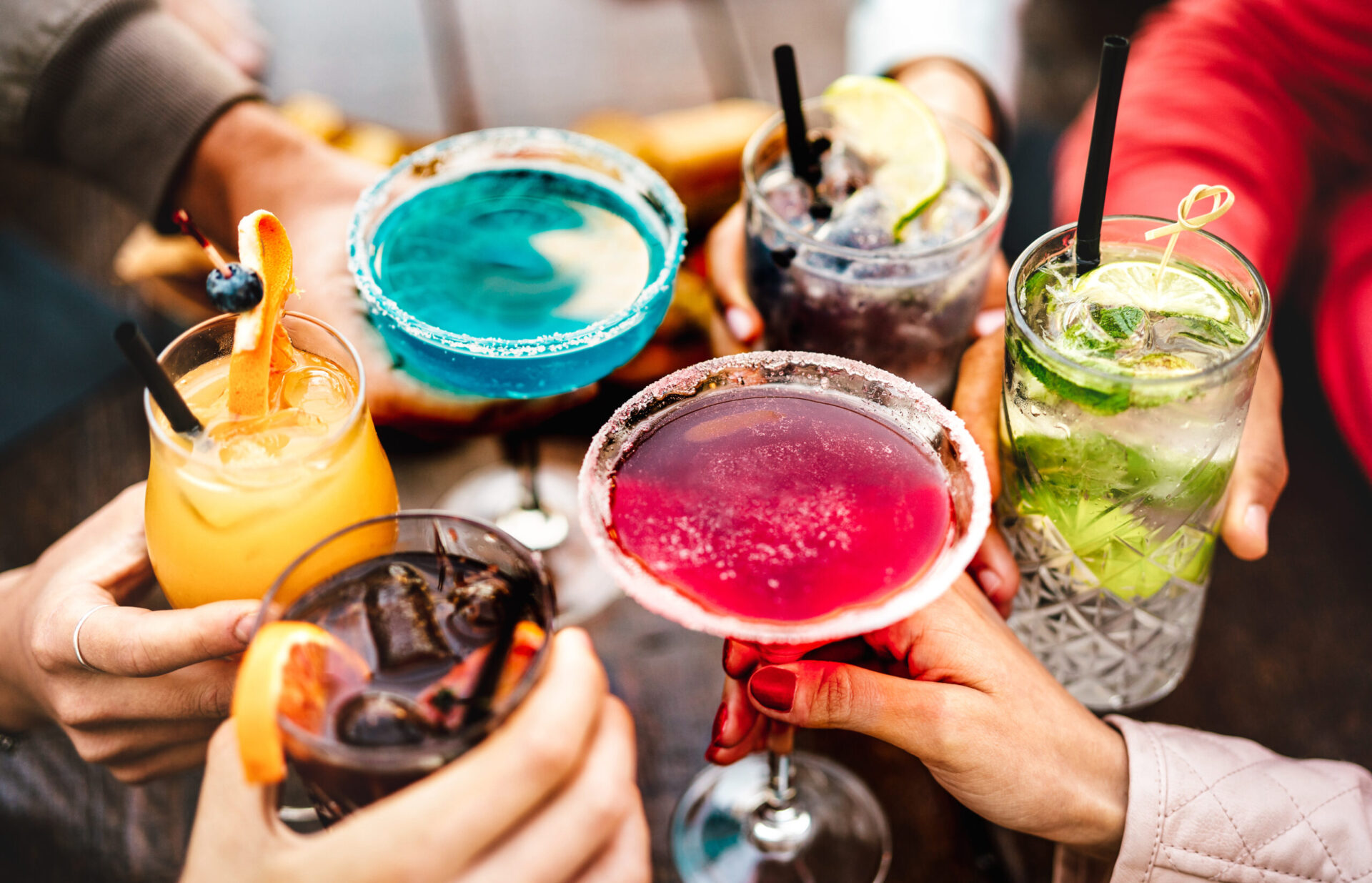

For decades, Americans were told exactly how much alcohol was considered “moderate” drinking. Men were advised to limit themselves to two drinks a day, women to one. That familiar guidance is now gone.
The newly released 2025–2030 Dietary Guidelines for Americans quietly changed the language around alcohol, replacing numeric limits with a broader instruction to simply “limit alcoholic beverages.” The update marks a noticeable shift in how federal health officials frame alcohol consumption and risk.
The change has drawn attention not only because of what it says, but because of what it no longer spells out. By moving away from daily drink counts, the guidelines leave more room for personal interpretation and more questions about what “healthy drinking” actually means today.
What Changed in the Guidelines

Under previous guidelines, alcohol advice was clear and gender-specific. The new version removes daily drink limits altogether and no longer distinguishes between men and women, despite longstanding research showing differences in how alcohol is metabolized.
Federal officials said the change reflects uncertainty in the science around precise thresholds. During the press briefing announcing the update, Centers for Medicare & Medicaid Services Administrator Dr. Mehmet Oz described alcohol as a “social lubricant,” saying that while not necessary for health, it plays a role in social connection when consumed judiciously.
The guidelines still emphasize moderation, but they stop short of defining it numerically. Instead, alcohol is framed as something to be consumed sparingly and thoughtfully, without being positioned as either beneficial or categorically unsafe.
Why the Update is Controversial

Public health advocates say the softer language risks underplaying well-documented health harms. Organizations such as the U.S. Alcohol Policy Alliance argue that clearer warnings are needed, especially given links between alcohol and cancer, heart disease, and liver damage.
The timing of the update has also raised eyebrows. The change comes after the World Health Organization (WHO) reiterated that no amount of alcohol is considered safe, and after the former U.S. surgeon general urged stronger labeling to highlight cancer risks. Critics worry the new wording muddies that message.
At the same time, industry groups welcomed the revision. Wine and spirits representatives described the guidelines as more “balanced and realistic,” saying they acknowledge risk without promoting abstinence. That divide reflects a broader cultural tension around alcohol’s place in American life.
What the New Definition of “Healthy” Really Means

Despite the debate, experts agree on one point: the new guidelines place more responsibility on individuals to interpret risk. Without numeric limits, people are left to weigh social habits, health history, and personal tolerance on their own.
Health researchers caution that “limiting” alcohol does not mean it is harmless. According to the Centers for Disease Control and Prevention (CDC), excessive drinking remains a major contributor to preventable illness and death in the U.S., even as overall consumption trends decline.
In practice, the updated guidance signals a shift away from rigid rules toward broader risk awareness. Rather than redefining alcohol as healthy, the guidelines reflect growing uncertainty and leave Americans navigating a more ambiguous definition of moderation.