New Warning Symbol Appears on Fast-Food Menus in New York City

It started quietly—just a small black triangle tucked beside milkshakes, soda combos, and glazed breakfast items. No slogan. No explanation. Yet diners across New York began noticing the symbol appearing overnight on digital boards and printed menus. For a city that has long experimented with food regulation, this latest icon feels different.
The Mystery Grows

At first, customers guessed it was a calorie marker or a new rewards sign. Others thought it might be part of a promotion. But as the triangles spread, from Manhattan coffee chains to outer-borough burger counters, speculation turned to concern. “It made me stop scrolling the menu,” one diner told CBS New York. “I wasn’t sure what it meant, but it didn’t look good.”
What the Symbol Means
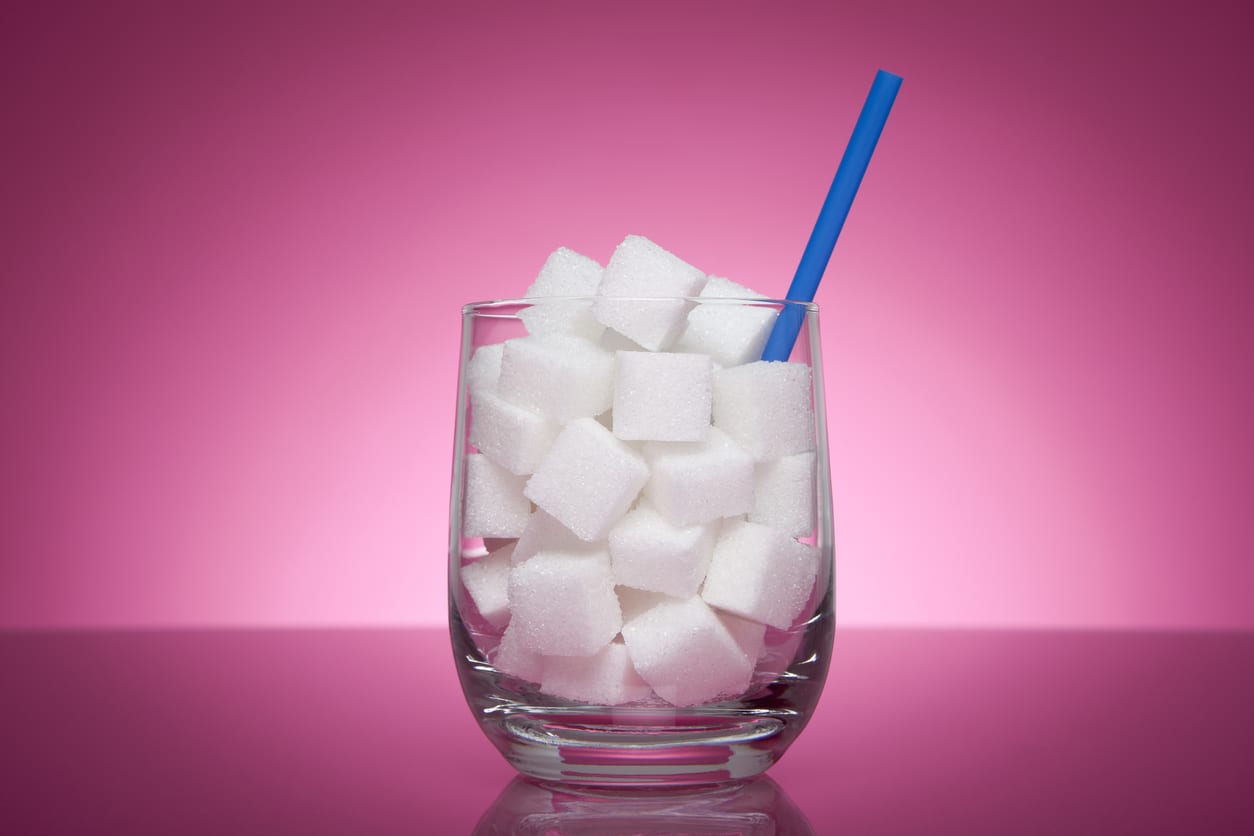
The truth arrived days later: the warning symbol signals an item that exceeds 50 grams of added sugar—the recommended daily limit set by federal guidelines. It’s part of a sweeping new NYC health rule requiring fast-food chains to alert consumers when a single drink or meal meets or surpasses that threshold.
A First for the Nation
The rule, effective citywide, applies to all chain restaurants with 15 or more U.S. locations. It’s the first of its kind in the country, following earlier city-led nutrition efforts such as sodium icons and calorie labeling. The Department of Health said the initiative is designed to “make the invisible visible”, bringing hidden sugars out of the fine print and onto the main menu.
Citywide Sugar Reality Check

According to a 2024 survey, the average American consumes over 36,000 grams of sugar annually—about 80 pounds. That number climbs higher in urban areas where convenience dining dominates. “Sugar is one of the most common yet overlooked health risks,” said Acting Health Commissioner Dr. Michelle Morse, adding that even one large coffee drink can exceed an entire day’s sugar limit.
Symbol with a Purpose
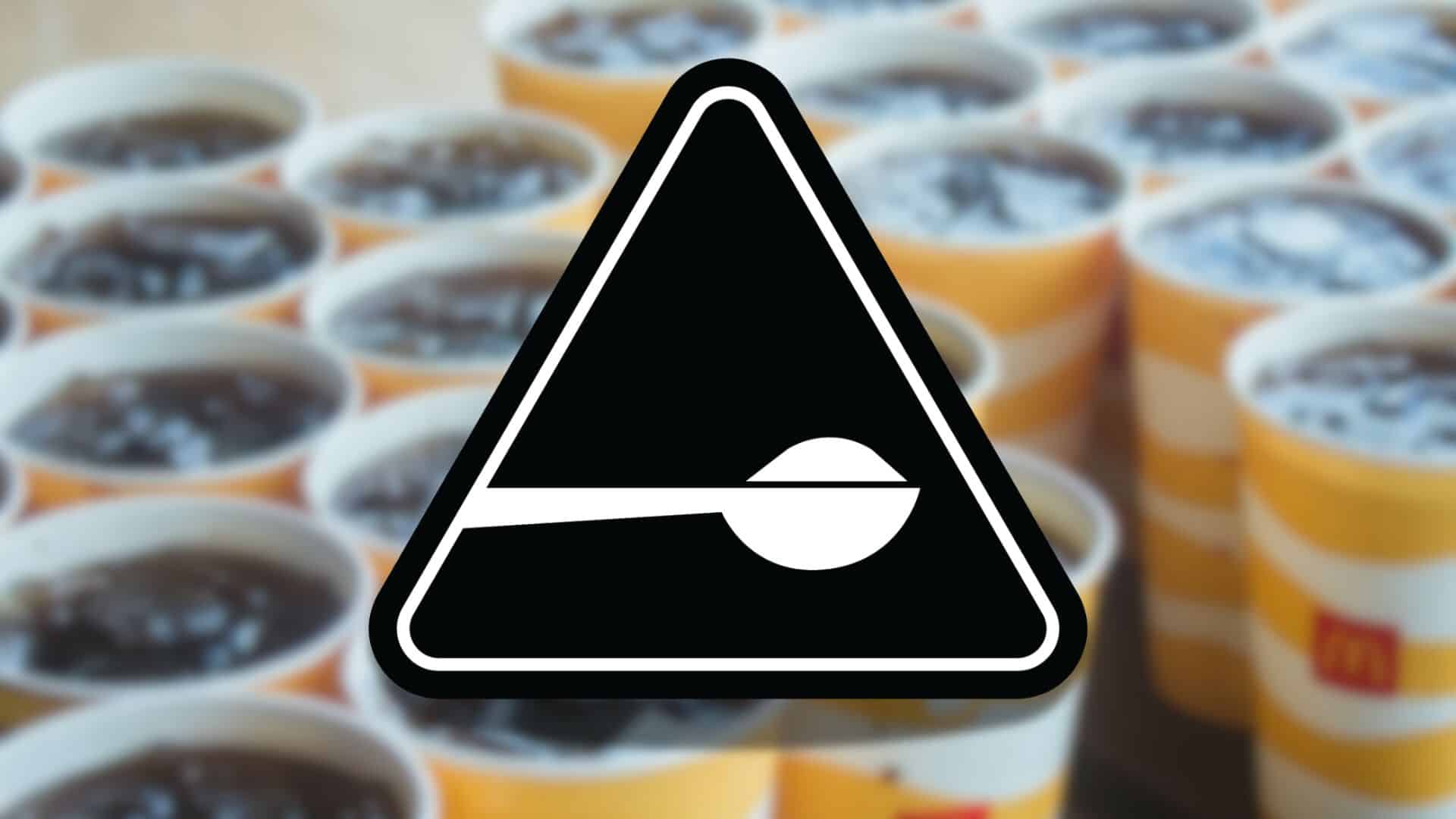
The sugar triangle joins New York’s growing visual language of health warnings. Modeled after the city’s salt icon introduced in 2015, the triangle’s design is meant to trigger a moment of pause.
“It’s not about scaring people,” said NYU researcher Dr. Pasquale Rummo, who studies how consumers react to menu cues. “It’s about making them think, even for a second, before they order.”
Early pilot studies show such symbols can reduce high-sugar purchases by as much as 12%.
Mixed Feelings Among Diners
Reaction across the city has been divided. Some customers say the icons help them make better choices without reading long nutrition charts. Others dismiss the move as “nanny-state overreach.”
“Everyone knows soda has sugar,” said one Brooklyn diner. “If I want it, I’ll buy it.” But others, especially parents, appreciate the visual reminder before ordering for kids.
Industry and Implementation
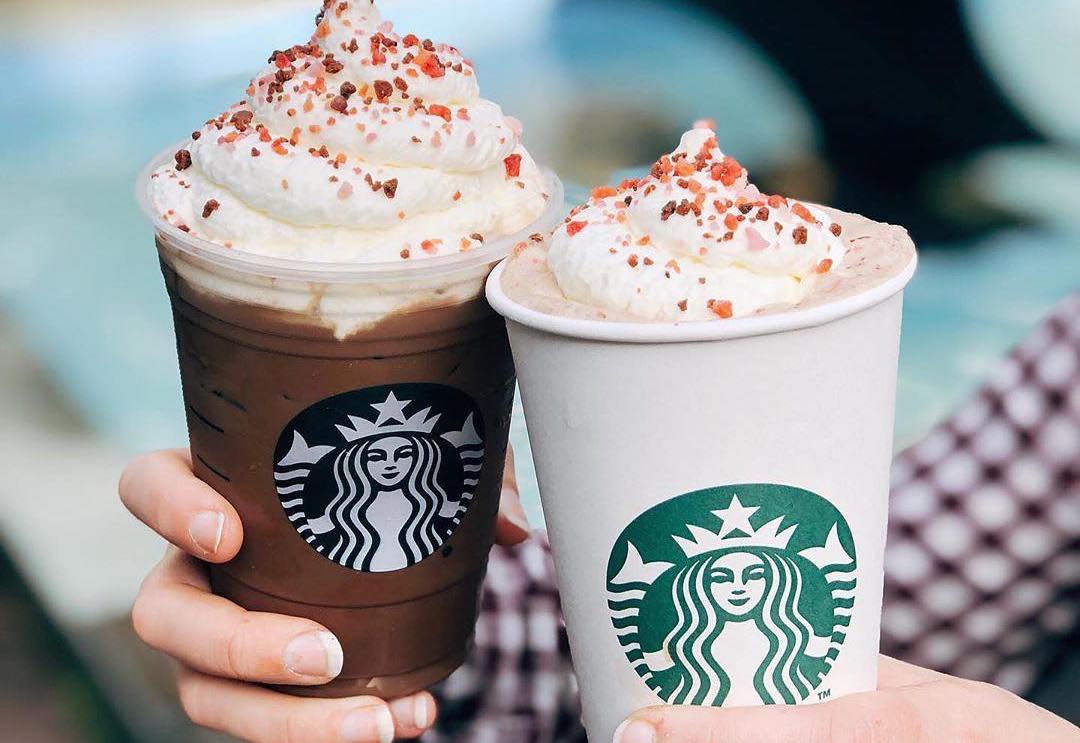
Restaurant groups have largely complied, updating digital menus and print boards ahead of the January 2026 enforcement deadline. The city plans to issue $200 fines for non-compliancy but says its main focus is education. Fast-food giants like McDonald’s, Starbucks, Taco Bell, and Shake Shack have added the icons quietly, often alongside promotional imagery to soften the visual impact.
What Comes Next
New York’s experiment could soon spread nationwide. Public health experts are watching to see whether this simple graphic changes habits or simply blends into the background. For now, the triangle’s quiet appearance across the city represents more than a design change. It’s a test of how much information can fit into a single symbol and whether awareness alone can shift a culture built on sweet convenience.

