New York City Plans $30 Million Public Grocery Store On East Harlem Site Already Slated For $25 Million Upgrade
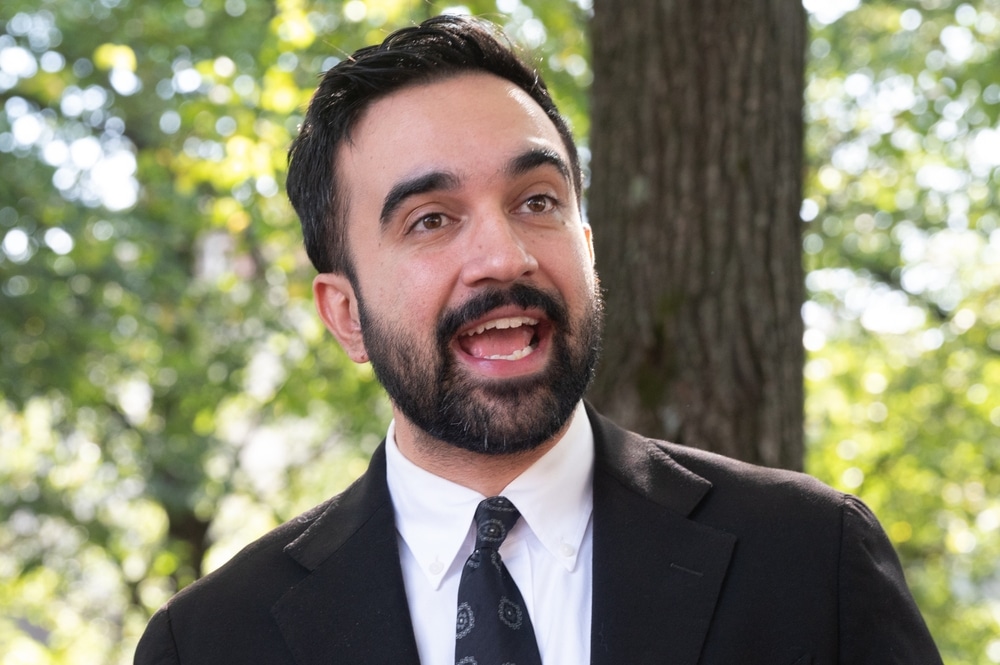

New York City is moving forward with an ambitious plan to launch its first municipally backed grocery store, a centerpiece of Mayor Zohran Mamdani’s broader effort to address food affordability and access across the five boroughs.
The proposed East Harlem location would be built at La Marqueta, the historic public marketplace beneath the elevated Metro-North tracks on Park Avenue. City officials envision a roughly 9,000-square-foot grocery store that would operate under a model designed to lower costs by eliminating major expenses such as rent and property taxes. Supporters argue those savings could be passed directly to shoppers through lower prices on staple foods.
The East Harlem project is part of a larger initiative to create five city-owned grocery stores, one in each borough. While the East Harlem store is expected to open by 2029, a separate Bronx location in Hunts Point is currently scheduled to open first, potentially as early as next year. City officials estimate the full five-store program will cost approximately $70 million.
The proposal reflects a growing national conversation about public-sector involvement in food access, particularly in neighborhoods where residents face higher grocery costs and fewer full-service supermarket options.
Why East Harlem Was Chosen
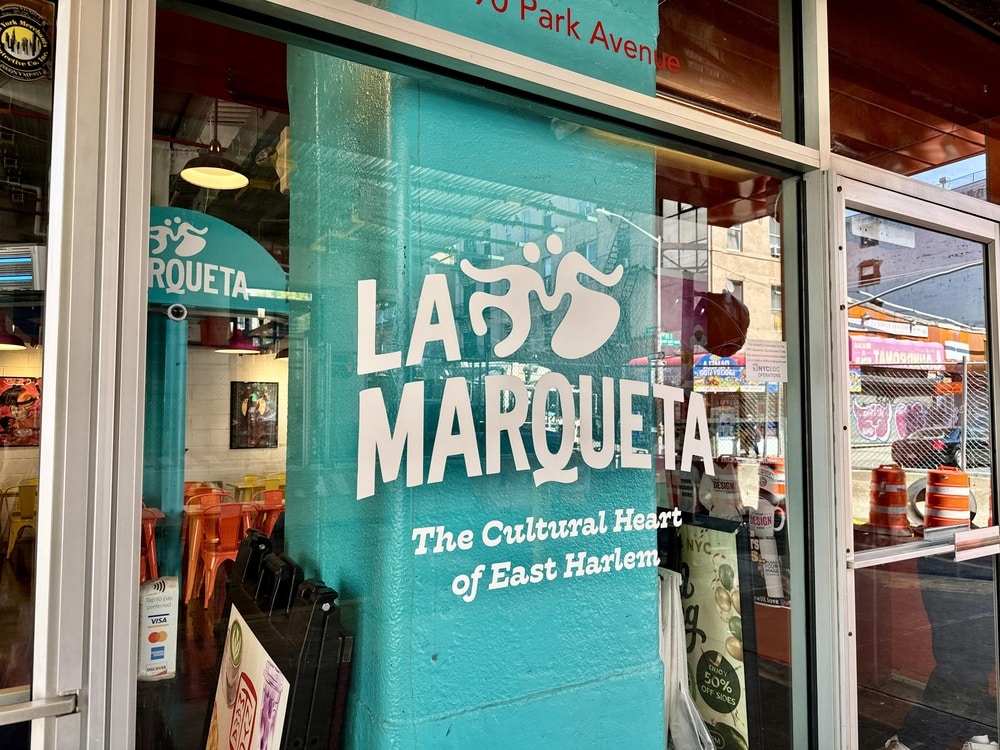
City leaders have framed La Marqueta as a natural location for the first Manhattan store because of both its history and its role within the surrounding community.
Originally established in 1936 as the Park Avenue Retail Market, La Marqueta became a major commercial and cultural hub for East Harlem, particularly within the neighborhood’s Puerto Rican and broader Latino communities. Although the market’s footprint has shrunk over the decades, it continues to host dozens of small businesses, restaurants, artists, and community organizations.
Officials say East Harlem still faces persistent affordability challenges and food-access concerns despite years of redevelopment. The city’s site-selection process considered factors including grocery store density, local income levels, population concentration, and residents’ ability to access affordable food options.
Supporters believe the project could help address food insecurity while creating a model that combines lower prices with labor protections. Advocates have also pointed to similar municipal grocery initiatives elsewhere in the country, arguing that public ownership can serve as a tool for expanding access to fresh and affordable food in underserved communities.
The Cost Debate Intensifies

While the concept has generated enthusiasm among supporters, the project’s financing has become a focal point of criticism.
Recent reporting revealed that the East Harlem site had already been approved years ago for a separate $25 million redevelopment initiative overseen by the New York City Economic Development Corporation. That earlier plan included upgrades such as public gathering spaces, outdoor seating, recreational amenities, and improvements to the broader La Marqueta complex. City officials have confirmed that the previously approved redevelopment funding and the proposed grocery store budget are separate investments.
The grocery store itself is projected to cost roughly $30 million, bringing the combined investment associated with the site to approximately $55 million. Critics have questioned why the East Harlem store carries a significantly higher price tag than other planned locations. The proposed Bronx grocery store, for example, is expected to cost around $10 million despite being substantially larger than the East Harlem facility.
Economic Development Corporation officials have said the $30 million budget covers ground-up construction, interior fit-out work, operational infrastructure, and parking facilities that include electric vehicle charging capability. They maintain that none of the previously allocated redevelopment funds will be used to construct the grocery store itself.
Supporters and Critics Clash Over the Future
The debate surrounding city-owned groceries extends beyond construction costs. It also centers on broader questions about the role government should play in food retail.
Supporters argue that traditional market approaches have failed to solve food insecurity in many neighborhoods. They contend that municipally backed stores can operate with public-interest goals rather than profit maximization, creating long-term benefits for residents who struggle with rising grocery bills. Some progressive policy advocates view the stores as an example of community-focused economic development that prioritizes affordability and public welfare.
Opponents, however, worry about the effect on existing businesses. Bodega owners, independent grocers, and supermarket operators have argued that city-backed stores could create an uneven competitive environment because they would not face the same rent, tax, and overhead costs as private retailers. Several business groups have also questioned whether public funds would be better spent supporting existing neighborhood food providers rather than creating new government-operated competitors.
For now, the project remains in its planning stages, with city officials continuing to refine designs and seek approval for funding. As New York prepares to test a model rarely seen in major American cities, the East Harlem store is becoming more than a grocery project. It has evolved into a broader debate over affordability, public investment, and whether government can play a larger role in addressing the rising cost of everyday necessities.