Nutritionists are Sounding Alarm Bells Over Americans Obsession With Protein
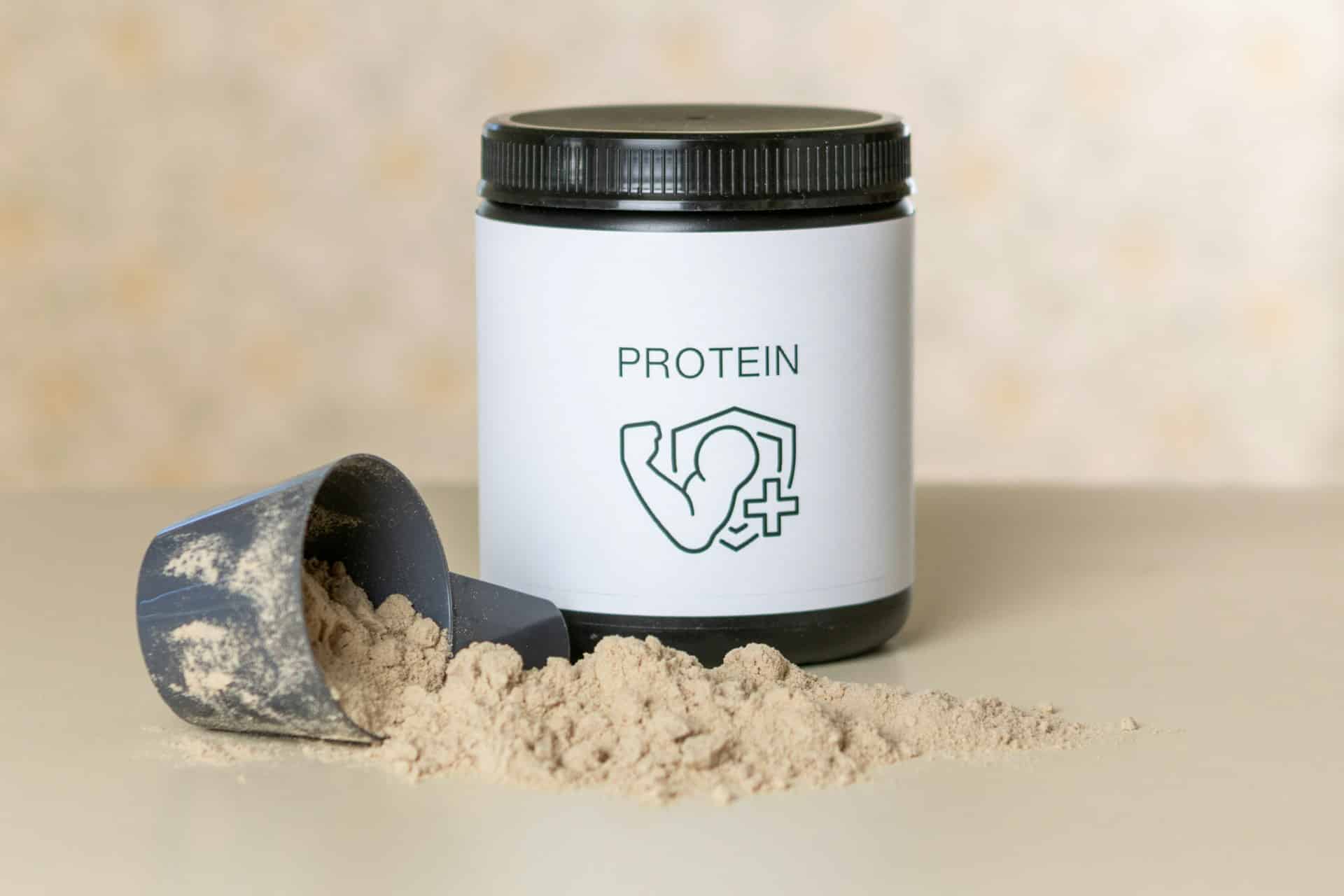

Protein has become the star nutrient of the American diet. Grocery shelves are packed with protein bars, protein chips, protein water, and protein coffee creamers, all promising strength, energy, and better health. For many people, “more protein” has become shorthand for “eating better,” even when overall diets haven’t changed much.
Nutrition experts say this obsession didn’t happen overnight. Decades of messaging around weight loss, muscle building, and aging have pushed protein to the center of nearly every health conversation. Surveys now show high-protein diets are the most popular eating pattern in the U.S., with more Americans prioritizing protein content over any other nutrition claim.
But behind the marketing, many nutritionists are sounding alarms. They say the average American is already meeting or exceeding protein needs, and the current trend risks crowding out other essential nutrients while creating new health concerns.
What Americans Are Actually Eating

Data reviewed by nutrition researchers suggests most adults consume well above the recommended daily protein intake. Federal guidelines generally recommend about 0.8 grams of protein per kilogram of body weight, yet studies show most Americans exceed that threshold comfortably without supplements or fortified foods.
One major concern is where this protein is coming from. Much of the increase is driven by processed and animal-based sources, which often come with high levels of saturated fat, sodium, and added sugars. Nutritionists note that protein-enriched snacks are frequently ultra-processed products marketed as healthy despite offering little nutritional balance.
Experts also point out that increased protein intake hasn’t delivered the benefits many expect. Research finds that consuming protein beyond adequate levels does not significantly improve muscle mass, strength, or weight loss for most people, challenging the idea that “more is better.”
Why Experts Say the Trend Is Misguided

Nutritionists emphasize that protein itself isn’t the problem. The issue is excess and imbalance. When protein dominates the diet, other nutrients like fiber, complex carbohydrates, and plant-based fats often fall short, contributing to digestive issues and long-term health risks.
Medical experts warn that consistently high intake of animal protein is associated with elevated cholesterol levels and increased cardiovascular risk. Meanwhile, plant-based proteins — which offer fiber and beneficial compounds — remain under-consumed despite their protective health effects.
There’s also concern about how aggressively protein is marketed. Food industry analysts note that protein sells well, even when consumers don’t need more of it. Experts argue this has shifted public focus away from overall diet quality and toward a single nutrient that doesn’t deserve center stage.
Rethinking Balance in a Protein-Focused Culture

Nutritionists aren’t calling for Americans to cut out protein. Instead, they urge a return to balance. Most people already get enough protein from everyday meals, making supplements and fortified snacks unnecessary for the average adult.
Experts suggest focusing less on hitting protein targets and more on building meals that include whole grains, fruits, vegetables, and varied protein sources. That approach supports long-term health without the risks associated with excess intake.
As the protein boom continues, nutritionists say the bigger challenge is helping consumers see past the marketing. Eating well isn’t about maximizing one nutrient — it’s about maintaining balance in a food environment that increasingly rewards extremes.