NYC’s Mayor Wants City-Owned Grocery Stores but the City Already Has a Program Doing the Same Thing
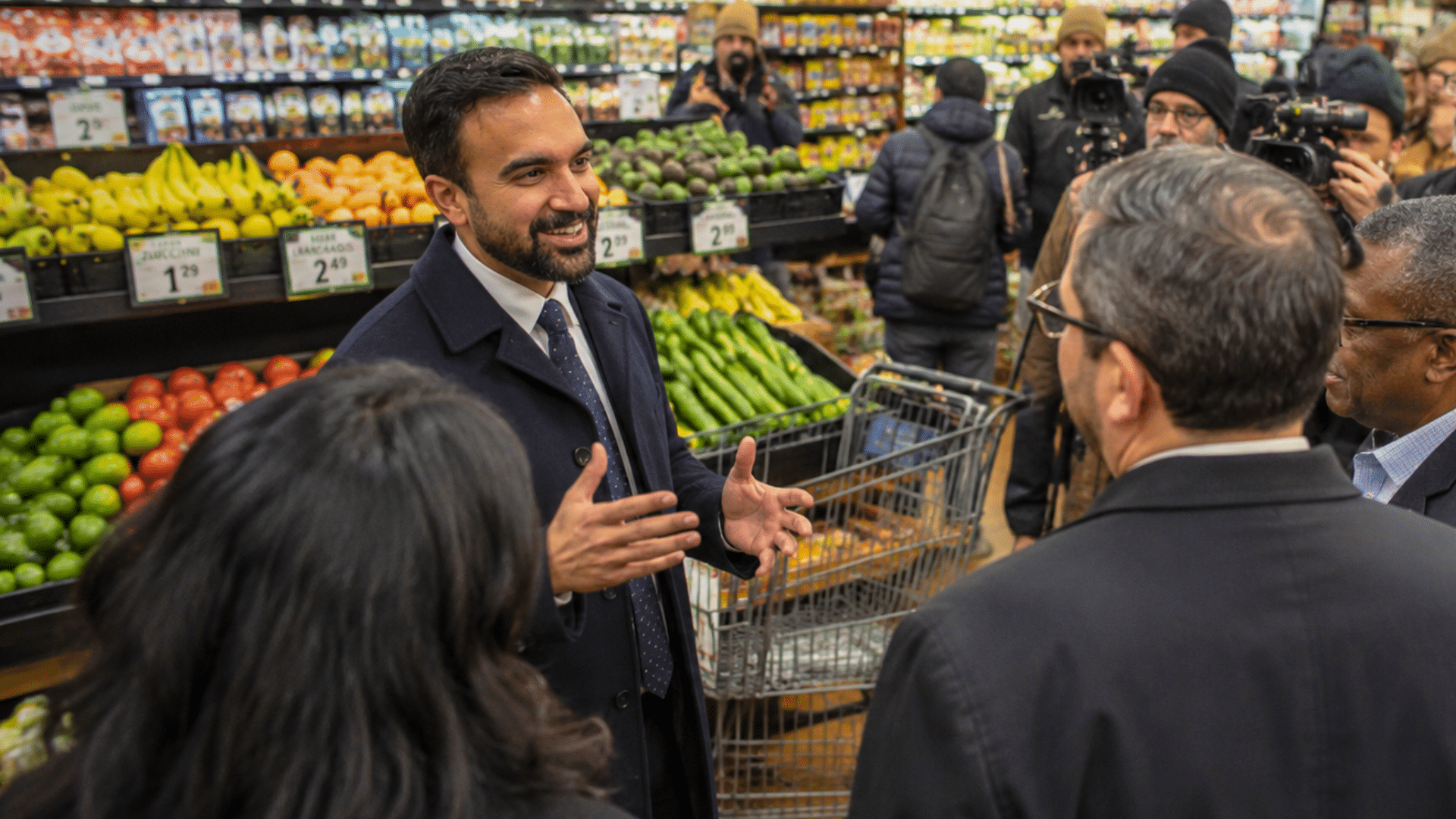

New York City is moving forward on a bold plan: five publicly owned grocery stores offering discounted food across all five boroughs. Mayor Zohran Mamdani calls it a direct intervention where private markets have failed. But the city already runs a different program with a strikingly similar goal, one that works with private grocers instead of replacing them. Understanding both programs raises a genuine policy question worth examining closely.
This article was created with the assistance of AI and reviewed by our editorial team for accuracy and clarity.
The New Plan Promises 30% Discounts on Everyday Staples
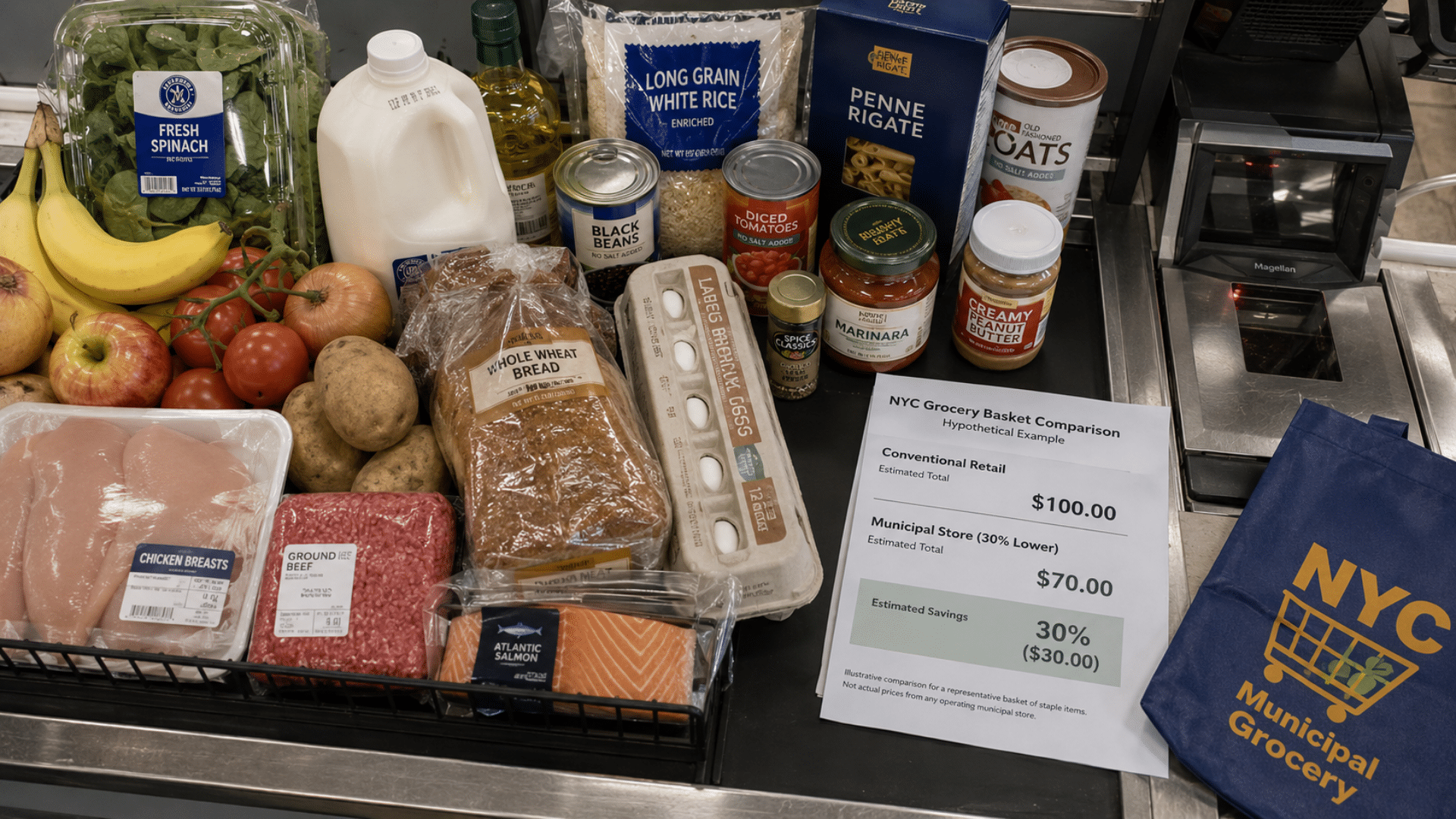
On July 27, 2026, Mamdani announced full details of his municipal grocery initiative. Prices on a “core basket” of goods, including all fresh produce, meat, seafood, and roughly 20 additional pantry categories, will be locked in 30% below typical retail prices each month. According to estimates from the New York City Economic Development Corporation, shoppers could save more than $1,000 a year. Two locations have already been announced in the Bronx and East Harlem, with three more sites still being finalized.
The City Has Funded This Kind of Effort Since 2009
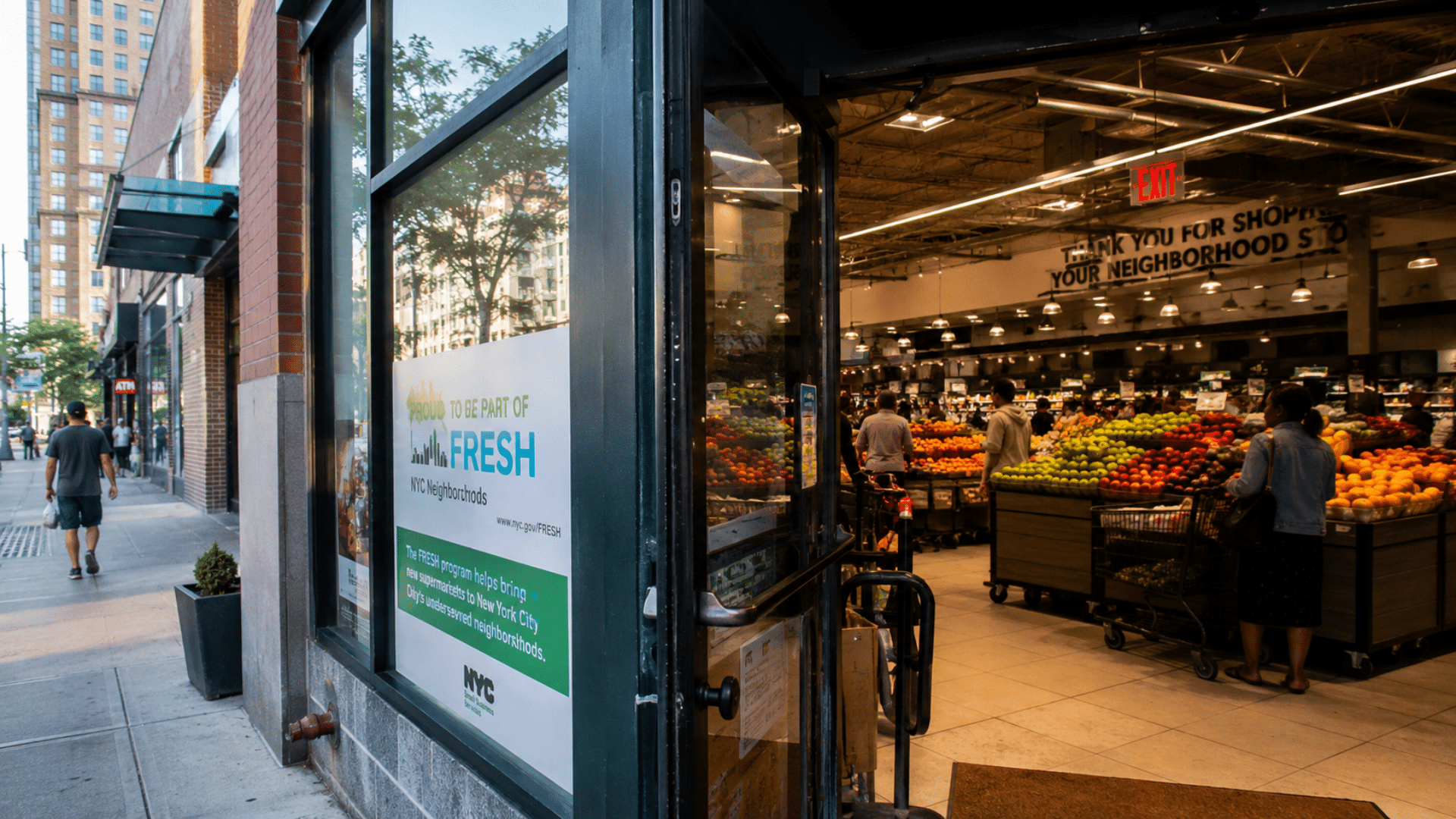
Long before this plan existed, New York City ran a different program aimed at the same underlying problem. Since 2009, the city’s Economic Development Corporation and Department of City Planning have operated the Food Retail Expansion to Support Health Program, known as FRESH. Its stated goal: “to develop and expand full-service grocery stores in underserved neighborhoods.” Rather than opening city-run stores, FRESH offers private grocers tax breaks and zoning relief to build in areas that lack full-service supermarkets.
FRESH Has Already Opened 30 New Markets Across the City
By most public measures, the FRESH program has produced real results. Thirty new 5,000 to 6,000 square foot markets have opened across all five boroughs under the initiative. City officials previously credited the program with generating $177 million in private capital investment and helping create more than 1,400 new jobs, while retaining over 600 existing retail positions, according to figures city agencies have cited in past years under the Bloomberg and Adams administrations.
Some New Store Sites Sit Remarkably Close to Existing FRESH Markets
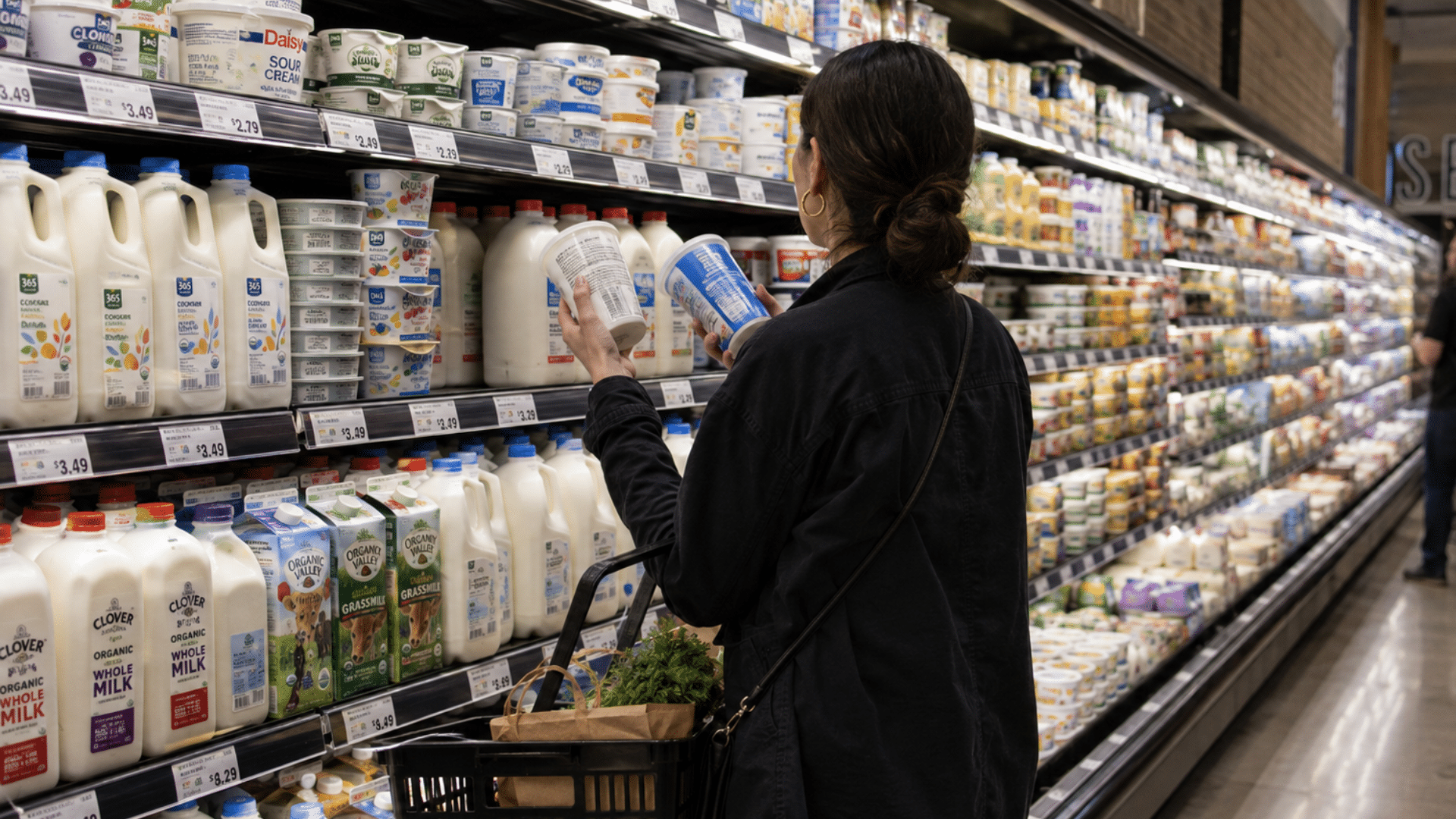
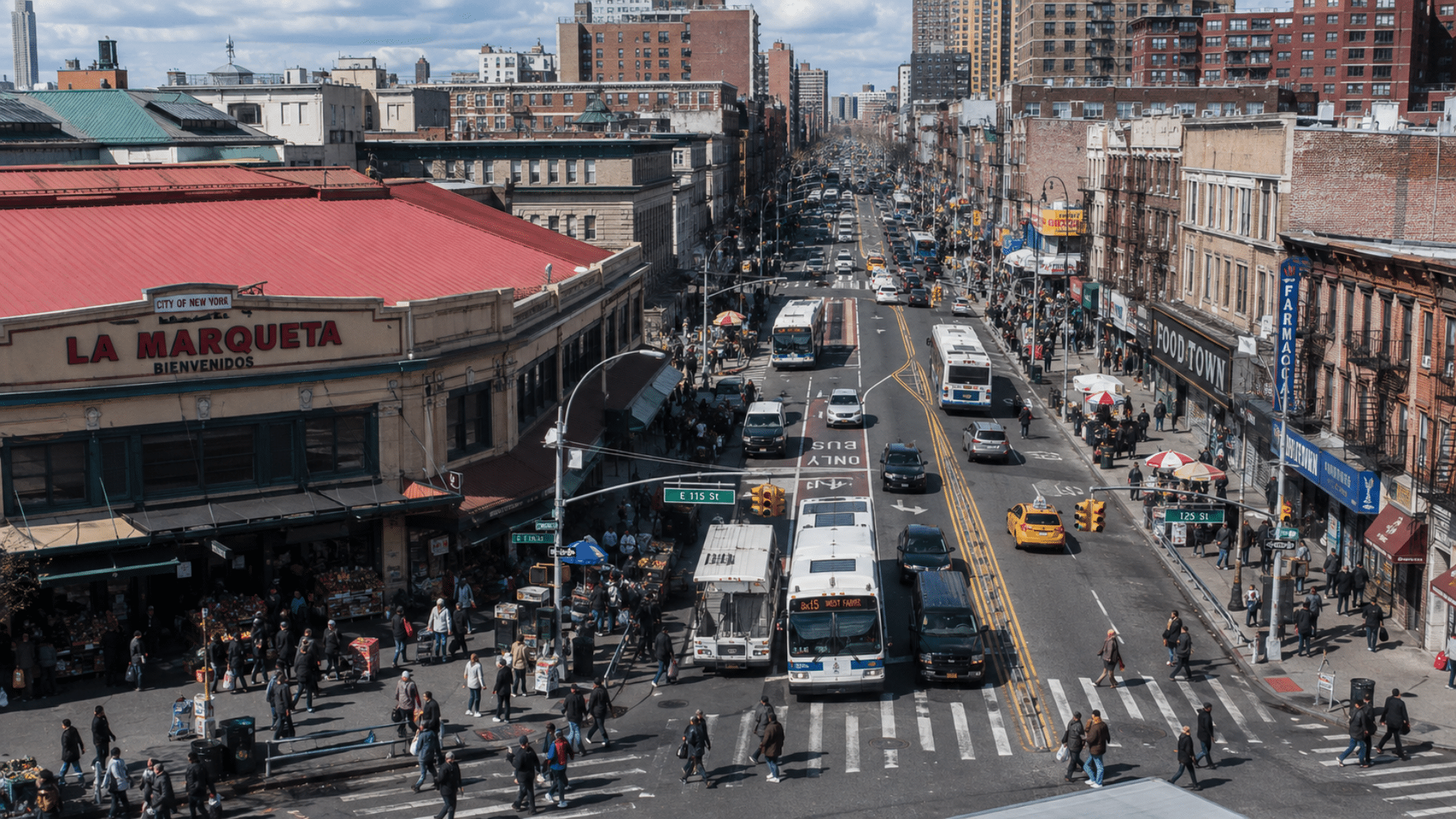
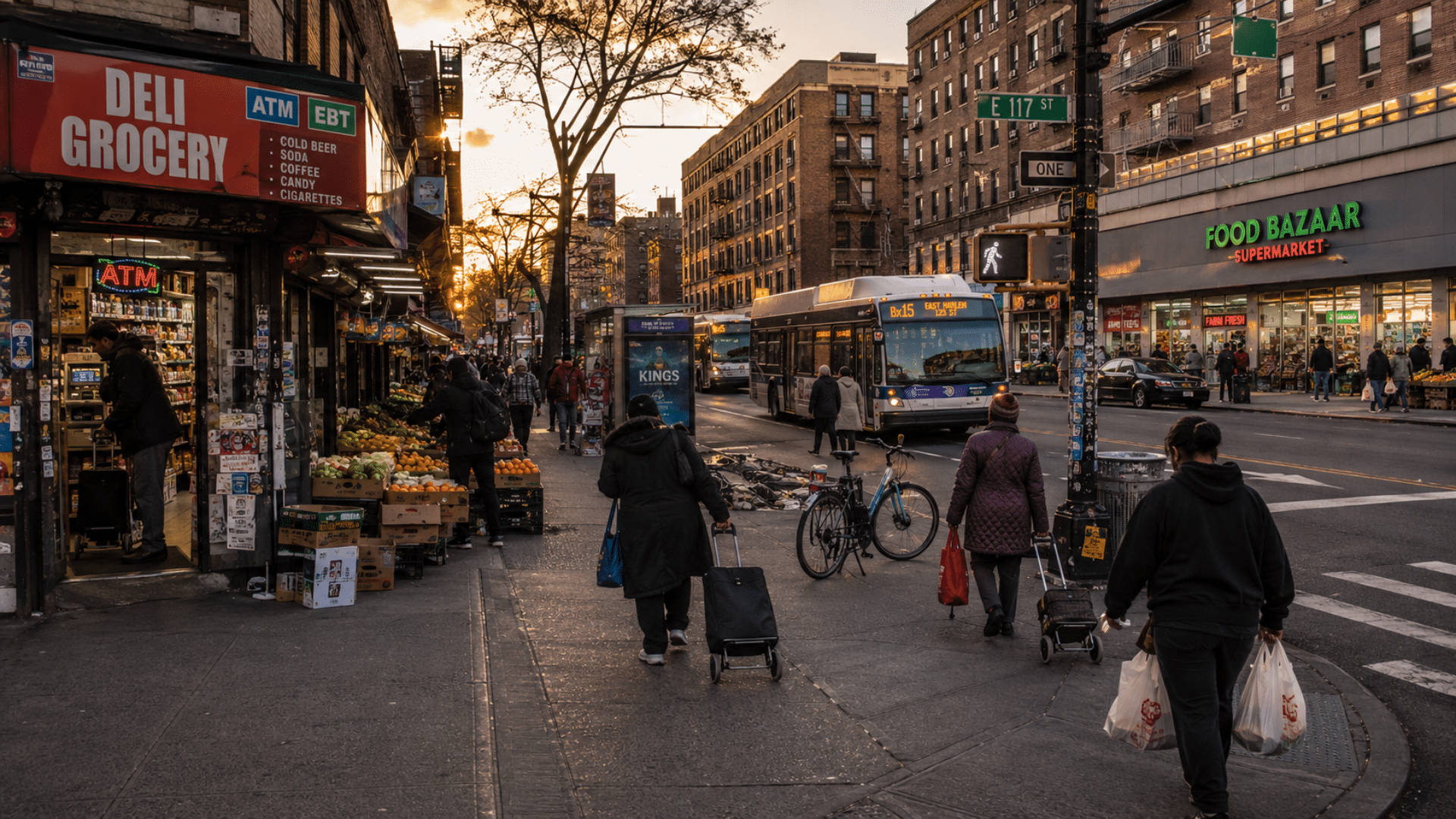
Critics of the new plan point to geographic overlap as a real concern. One FRESH-funded store, Food Bazaar on 125th Street in Manhattan, sits just a five-minute walk from the proposed La Marqueta site in East Harlem. Two other FRESH markets, Lincoln Market on St. Nicholas Avenue and Ideal Food Basket on Lexington Avenue, are within walking distance or a short bus ride of the same area, raising questions about whether the new stores would compete directly with markets the city already helped fund.
Mamdani’s Team Says the Plan Targets a Different, Deeper Problem
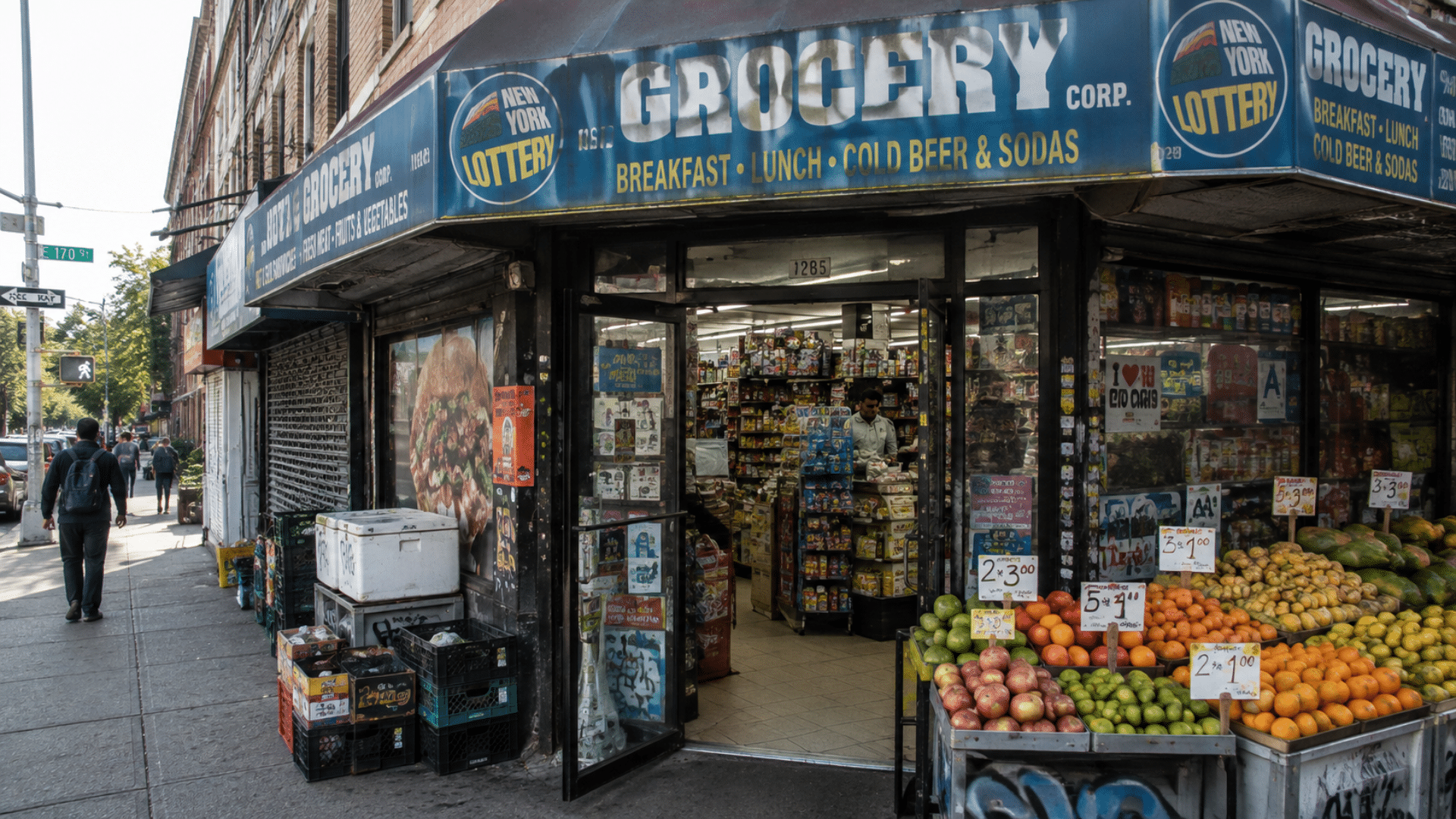
The mayor’s office frames the new stores as addressing a gap that incentive programs alone haven’t closed. “When corporations control every part of the food supply chain, prices go up, basic necessities become luxuries and workers and customers both lose,” Mamdani said at the program’s launch. “A public option allows us to intervene where the market has failed.” City officials note grocery prices in New York have risen nearly 66% over the past decade, significantly outpacing the national average.
Bodega Owners Worry They Can’t Compete With Rent-Free Stores
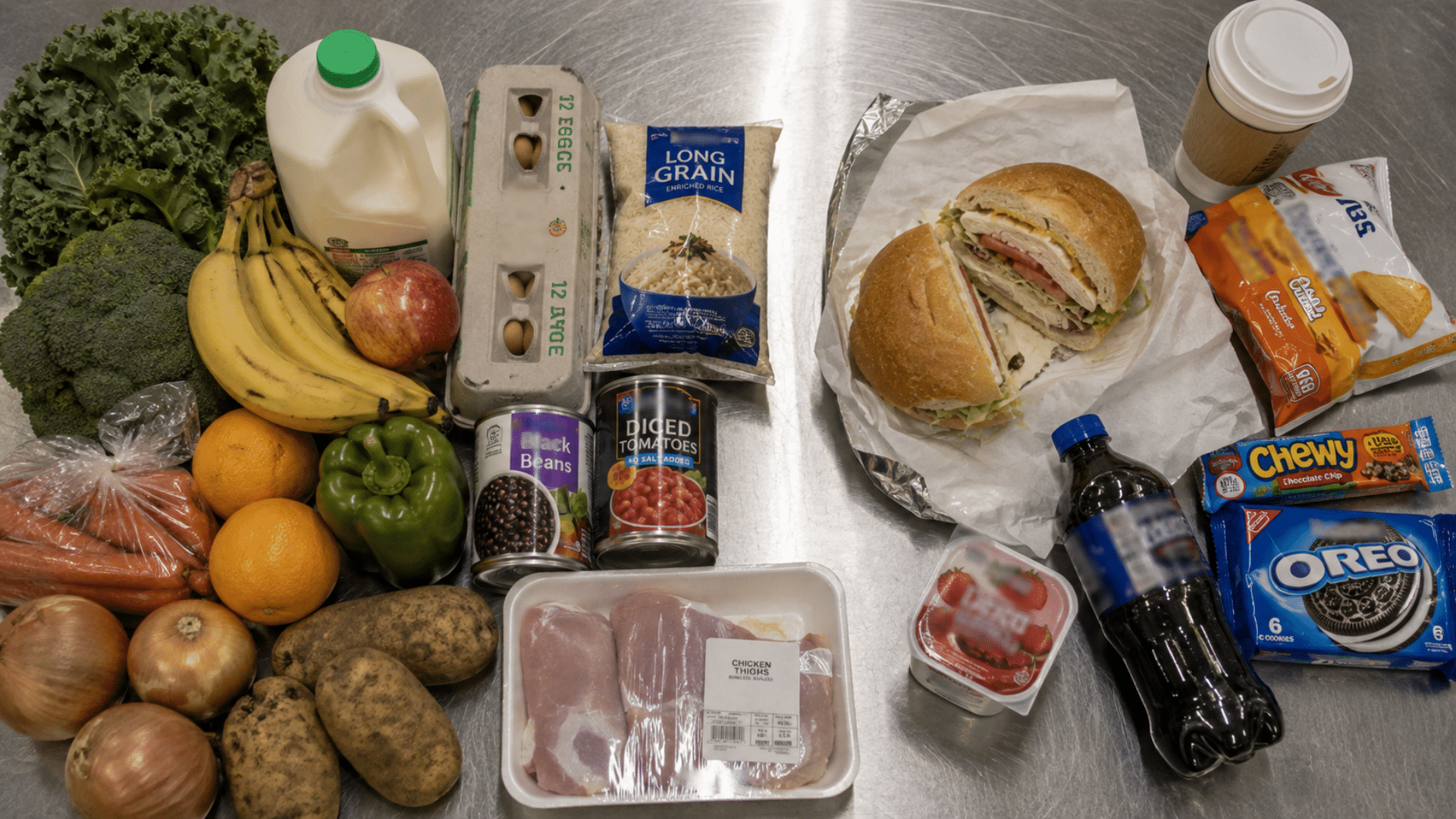
Small business owners have raised their own distinct concern, separate from the FRESH overlap issue. Radhames Rodriguez, president of United Bodegas of America and owner of four Bronx bodegas, argued his stores can’t match prices at government-run locations exempt from rent and property taxes. “Competing with the city having business is not going to be something that we can support,” Rodriguez said at a press conference alongside supermarket owner John Catsimatidis, who has also publicly opposed the plan.
The City Insists This Won’t Fully Replace Neighborhood Grocers

Mamdani has pushed back directly on claims that his stores will devastate local bodegas. He noted the government-run stores won’t sell hot food, beer, cigarettes, or butcher-counter meat, services many bodegas rely on for revenue. The city has also pointed to similar municipal grocery efforts already running elsewhere, including a store in Atlanta opened through a partnership between the city, community members, and industry groups, as evidence the model can coexist with private retail.
The Program Comes With a Real, Though Modest, Price Tag
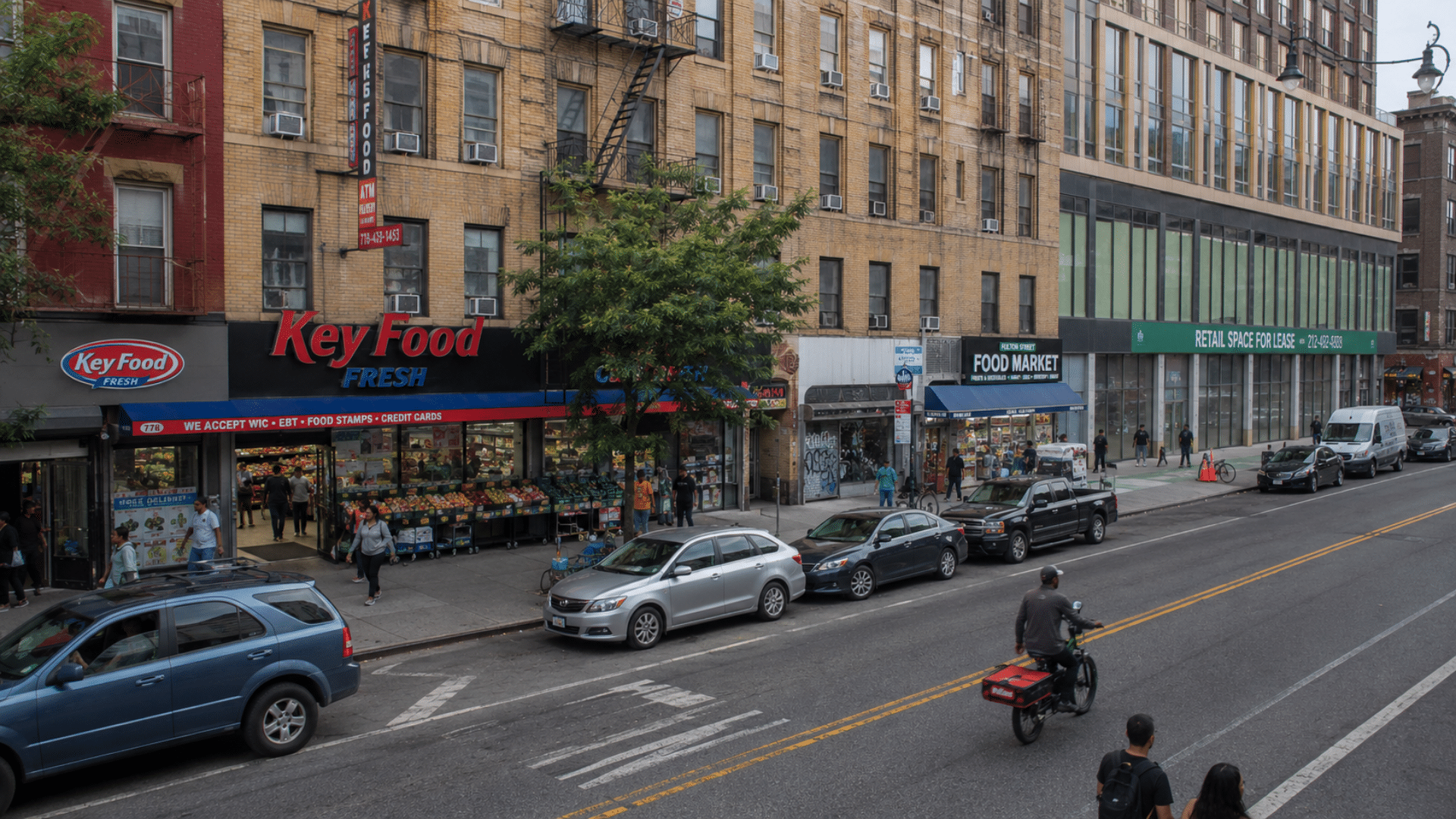
City council has approved $70 million in capital funding to build out the five store sites, with operational funding decisions still pending. That capital investment represents less than one-tenth of one percent of the city’s overall $125 billion annual budget, according to figures cited by policy analysts tracking the program. Supporters argue that scale makes the financial risk manageable, even as critics question whether it duplicates spending already committed through FRESH.
Two City Programs, One Shared Goal, Different Paths to Get There
New York City now runs two separate strategies aimed at the same basic problem: getting affordable groceries into underserved neighborhoods. FRESH works by incentivizing private grocers to open and compete on their own. Mamdani’s new stores aim to compete directly, funded and operated with public backing instead. Whether these two approaches complement each other or quietly work against one another may become clearer once the first city-owned store actually opens its doors, expected in late 2027.