NYC Plans Its First-Ever City-Run Grocery Store Under Mayor Mamdani, Starting in East Harlem
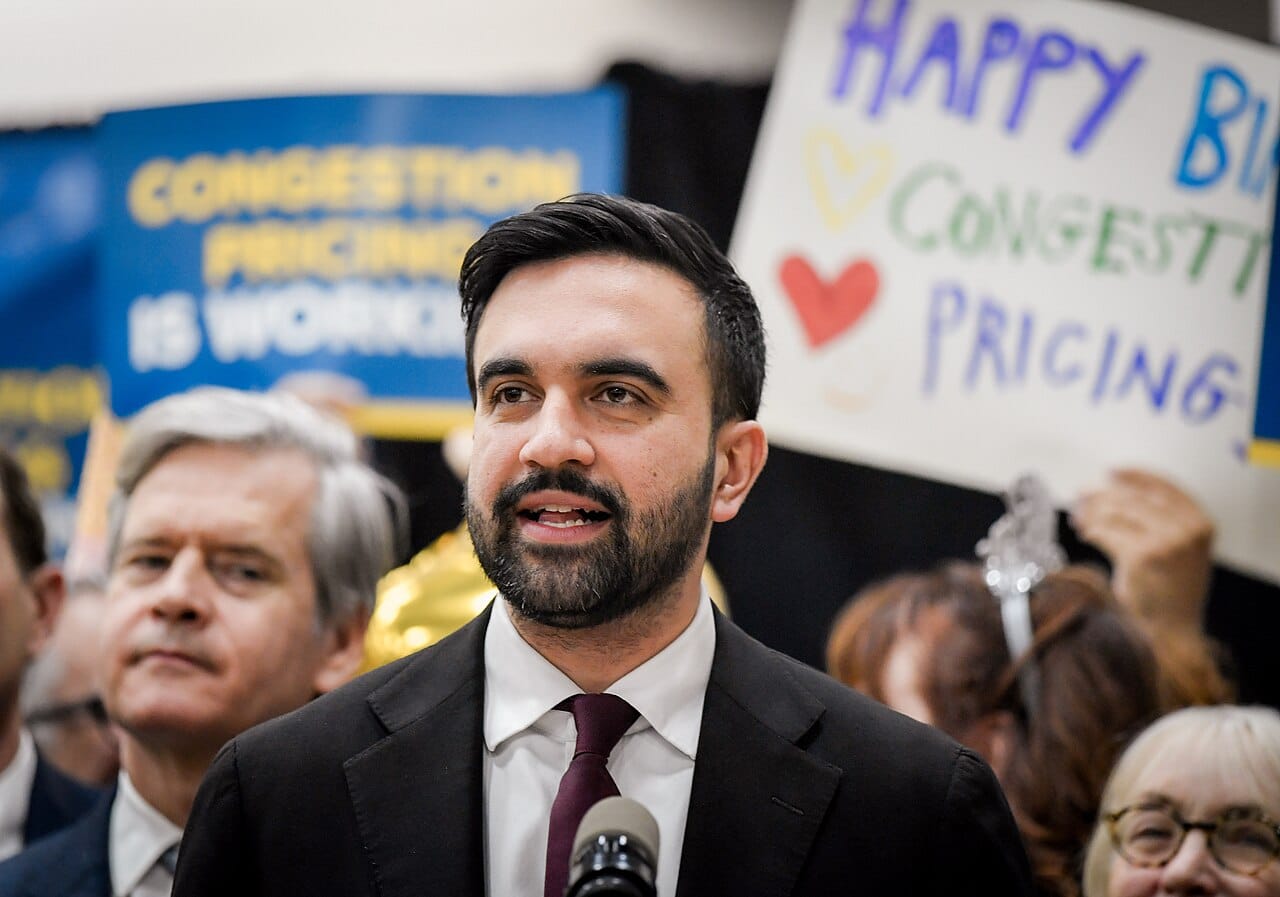

New York City officials have announced plans to launch the city’s first municipally operated grocery store, marking a significant shift in how local government approaches food access and affordability. The initiative, led by Mayor Zohran Mamdani, is designed to address the sharp rise in grocery prices, which city officials say have climbed dramatically over the past decade.
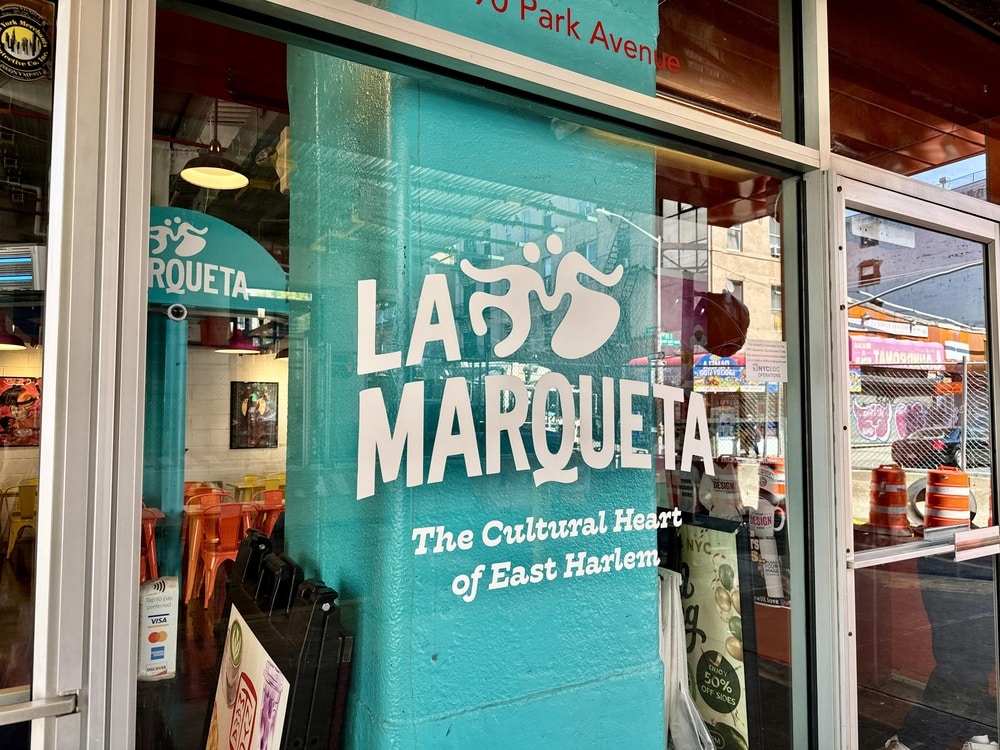
The first confirmed location will be at La Marqueta in East Harlem, a historic public market site that has long served as a community hub. The proposed store will span roughly 9,000 square feet and is expected to open by 2029, though the city aims to have its first municipally backed grocery location operational as early as 2027.
City leaders frame the program as a direct response to economic pressures facing residents, particularly in lower-income neighborhoods. By introducing a publicly backed option, the administration hopes to provide consistent access to affordable staples while reshaping how food is distributed across the city.
How the City-Run Model Will Work
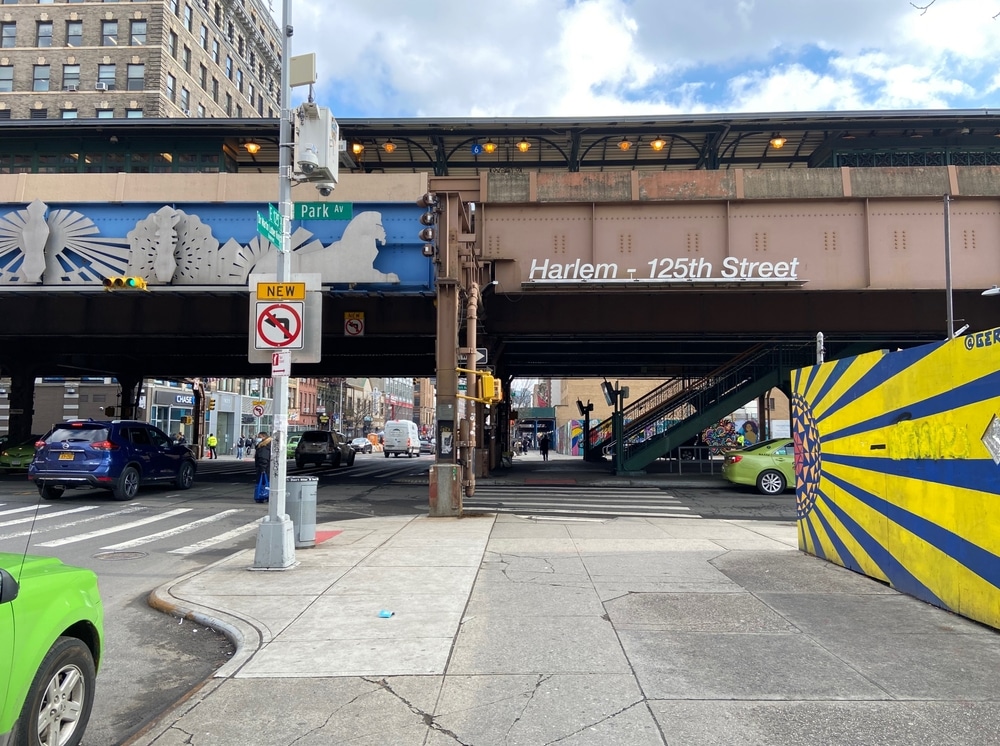
Under the proposed model, New York City will own the land and absorb major overhead costs such as construction and rent. A private operator, selected through a competitive process, will handle day-to-day operations while adhering to strict pricing and labor standards set by the city.
Officials say this structure is intended to eliminate key expenses that drive up prices in traditional grocery stores. Savings generated from reduced overhead would be passed directly to customers, particularly on a core set of essential items like bread, eggs, and other staples.
The plan also includes a broader rollout beyond East Harlem. The administration has committed to opening five stores, one in each borough, by the end of the mayor’s first term. A newly formed NYC Groceries Task Force will help guide implementation, bringing together city agencies, industry experts, and local business representatives.
Supporters See Opportunity for Equity and Access
Supporters of the initiative argue that the plan could play a meaningful role in addressing food insecurity and public health disparities. East Harlem, the first site, has long faced challenges related to limited access to affordable, nutritious food, as well as higher rates of diet-related illnesses.
Local officials and community leaders have welcomed the decision to place the first store in the neighborhood, noting its historical role as a center for food commerce. La Marqueta itself dates back to 1936, when it was established to support pushcart vendors and improve access to fresh goods for working-class residents.
Advocates also highlight the potential for broader social benefits. By guaranteeing lower prices on essentials and requiring fair labor practices, the city hopes to create a model that balances affordability with worker protections, while reinforcing neighborhood economies.
Critics Raise Concerns Over Cost and Competition
Despite the enthusiasm from city leaders, the plan has drawn skepticism from industry experts and local business owners. Some critics question whether the model is financially sustainable, pointing to estimates that the East Harlem store alone could cost around $30 million to build, significantly higher than comparable private-sector projects.
There are also concerns about long-term viability. Grocery retail operates on thin margins, and some analysts suggest the city-run stores could struggle to turn a profit, potentially requiring ongoing public subsidies. Others argue that the focus on public ownership may not address underlying supply chain challenges that contribute to high prices.
Local grocers and bodega operators have voiced additional worries about competition. Many say city-run stores, which would not face the same costs for rent or taxes, could create an uneven playing field. Trade groups representing independent supermarkets warn that the initiative could put pressure on small businesses already operating with tight margins.