World’s Oldest Woman Reveals What Food She Ate 3x a Day to Live for 117 Years
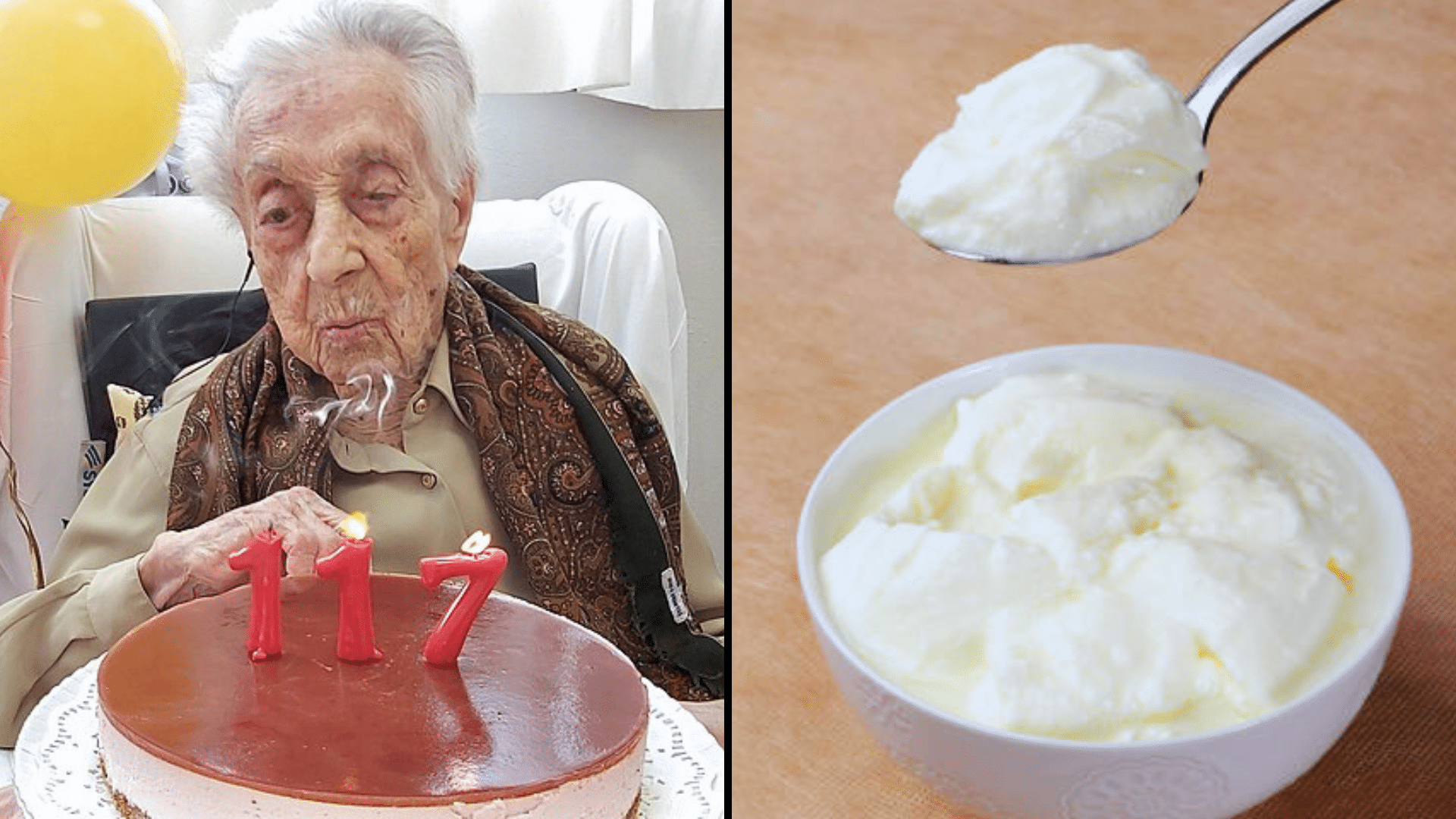

For a century, “an apple a day” got the spotlight. But the world’s oldest woman may have been living by a different daily mantra. When María Branyas Morera died in August 2024 at 117, she didn’t just leave behind a jaw-dropping lifespan; she left doctors a clue trail. She invited researchers to study her body, and what they found points to one surprisingly simple habit she repeated three times a day. The question now is: was it a personal quirk… or a quiet longevity cheat code?
Meet María Branyas, the Woman Who Outsized a Century
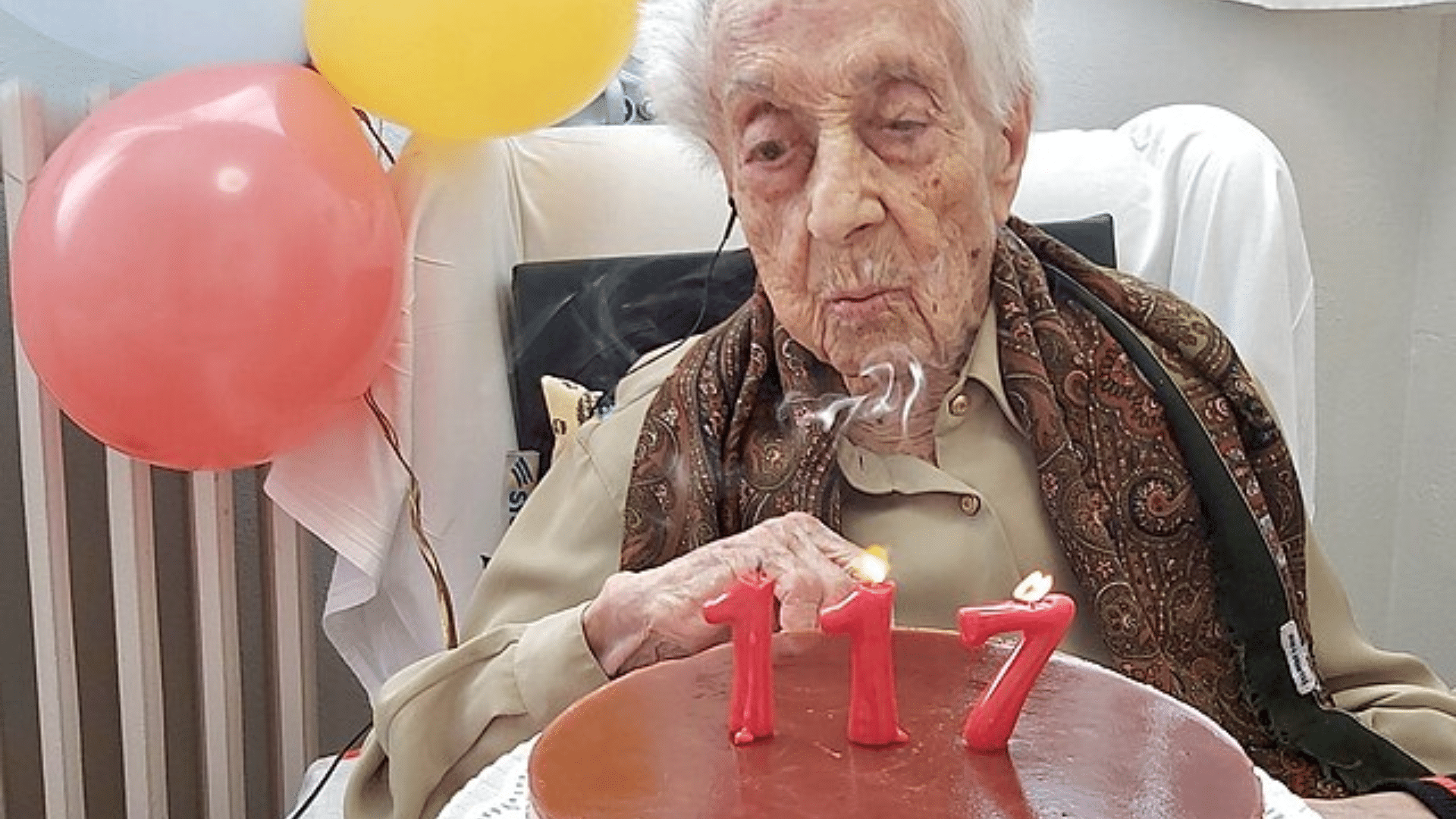
Branyas was born in 1907, lived through two world wars and two pandemics, and spent most of her life in Spain. Despite her age, researchers say she reached the end with unusually strong cognition and without the big killers that often come with extreme old age—no cancer, no cardiovascular disease, and no dementia on record. Her case gave scientists something rare: a supercentenarian who stayed relatively healthy deep into her final years.
The Study She Requested Before She Died
Instead of letting her story turn into folklore, Branyas asked doctors to examine her health in detail. Geneticist Dr. Manel Esteller and colleagues spent years analyzing her blood, saliva, urine, and stool to understand why her aging looked so different. The team published findings in Cell Reports Medicine, calling it one of the most complete biological profiles of a supercentenarian to date, with signals pointing to both inheritance and lifestyle.
The Daily Food She Never Dropped: Yogurt
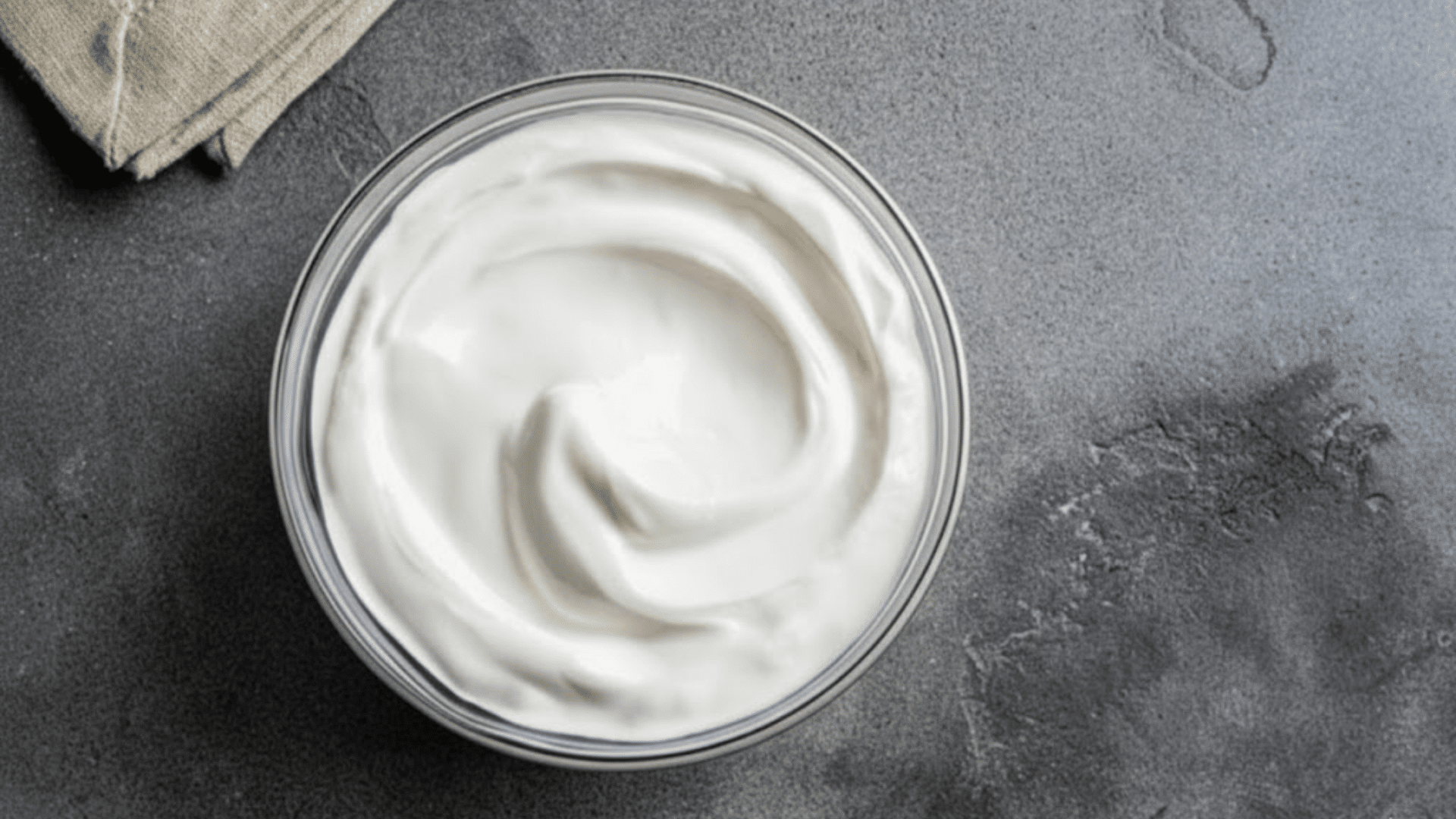
The headline habit was plain yogurt—three servings a day. Esteller’s team noted that Branyas consistently ate unsweetened yogurt as a staple, not a side. To her, it wasn’t a “health food trend.” It was just what she liked and what she kept eating. Researchers believe this routine may have helped shape a gut environment linked to lower inflammation and better overall resilience, though they stop short of calling yogurt a magic shield.
Her Gut Microbiome Looked Shockingly “Young”
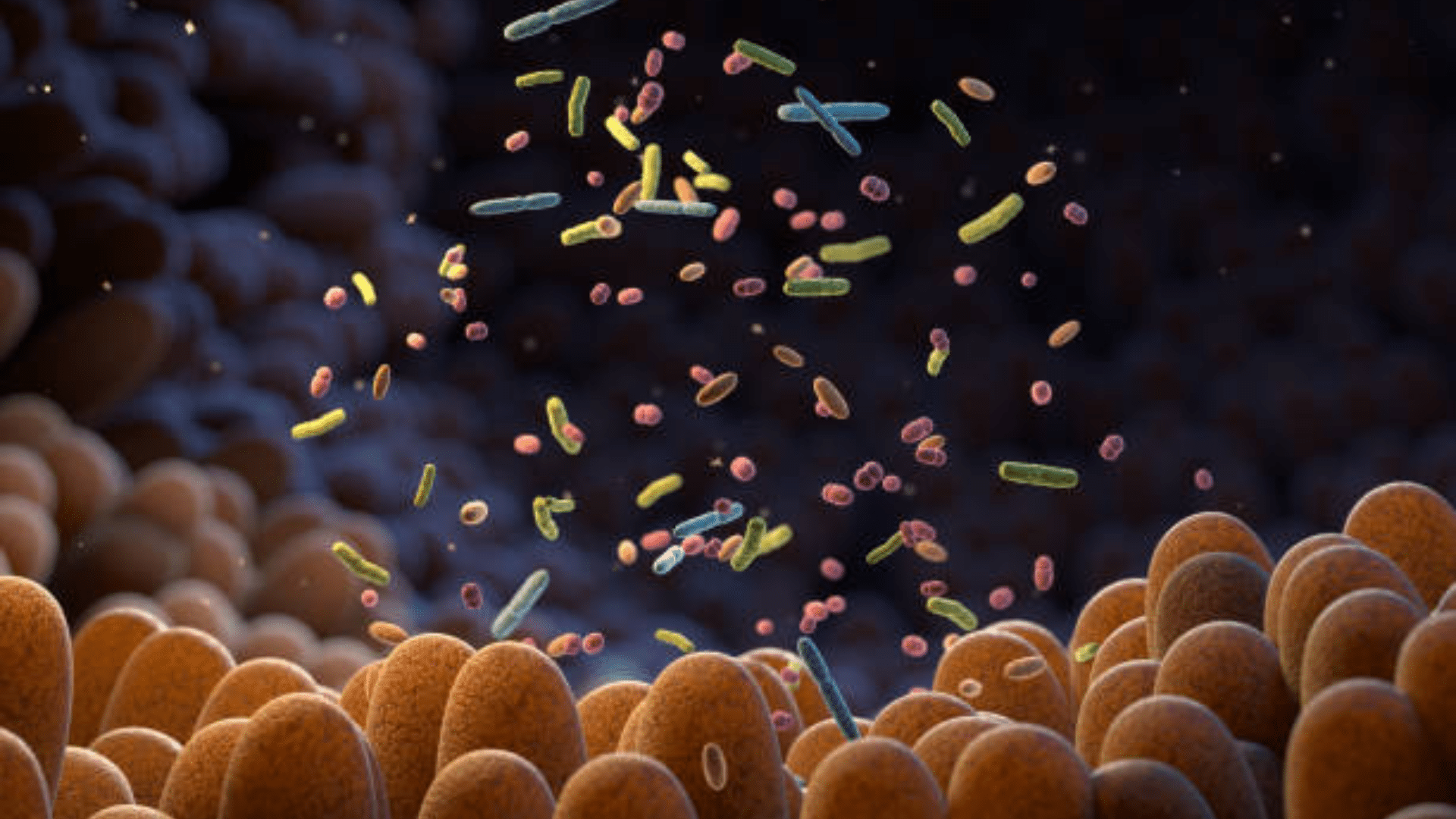
One of the strangest findings: Branyas’s gut bacteria resembled that of an infant, rich in beneficial Bifidobacterium. That matters because healthy microbiomes help regulate inflammation, metabolism, and even brain function. The scientists say the yogurt habit likely contributed to this bacterial dominance, though they also admit they can’t prove cause and effect from one person’s story. Still, it’s a striking clue, not a coincidence you can easily wave away.
Genes Gave Her a Head Start, But Not the Whole Race
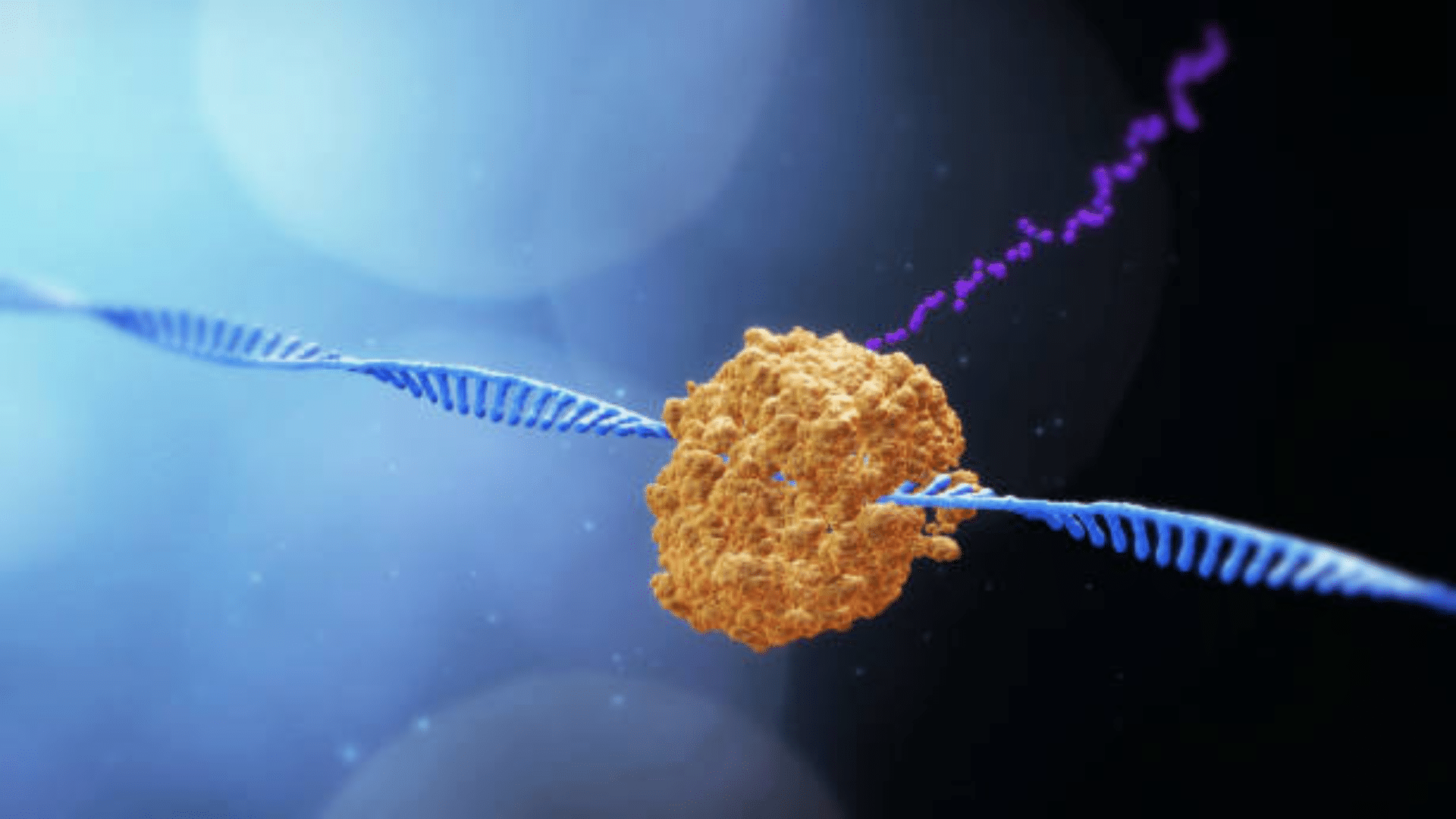
Branyas had genetic variants tied to neuroprotection, heart health, and delayed cellular aging. Her “biological age” tested younger than her chronological age; around 17 years younger in some measures. In other words, she was built to last. But Esteller emphasizes that genetics aren’t a full explanation: even great genes need a life that doesn’t sabotage them. The study frames longevity as a partnership between DNA and daily habits.
The Mediterranean Pattern Behind the Yogurt
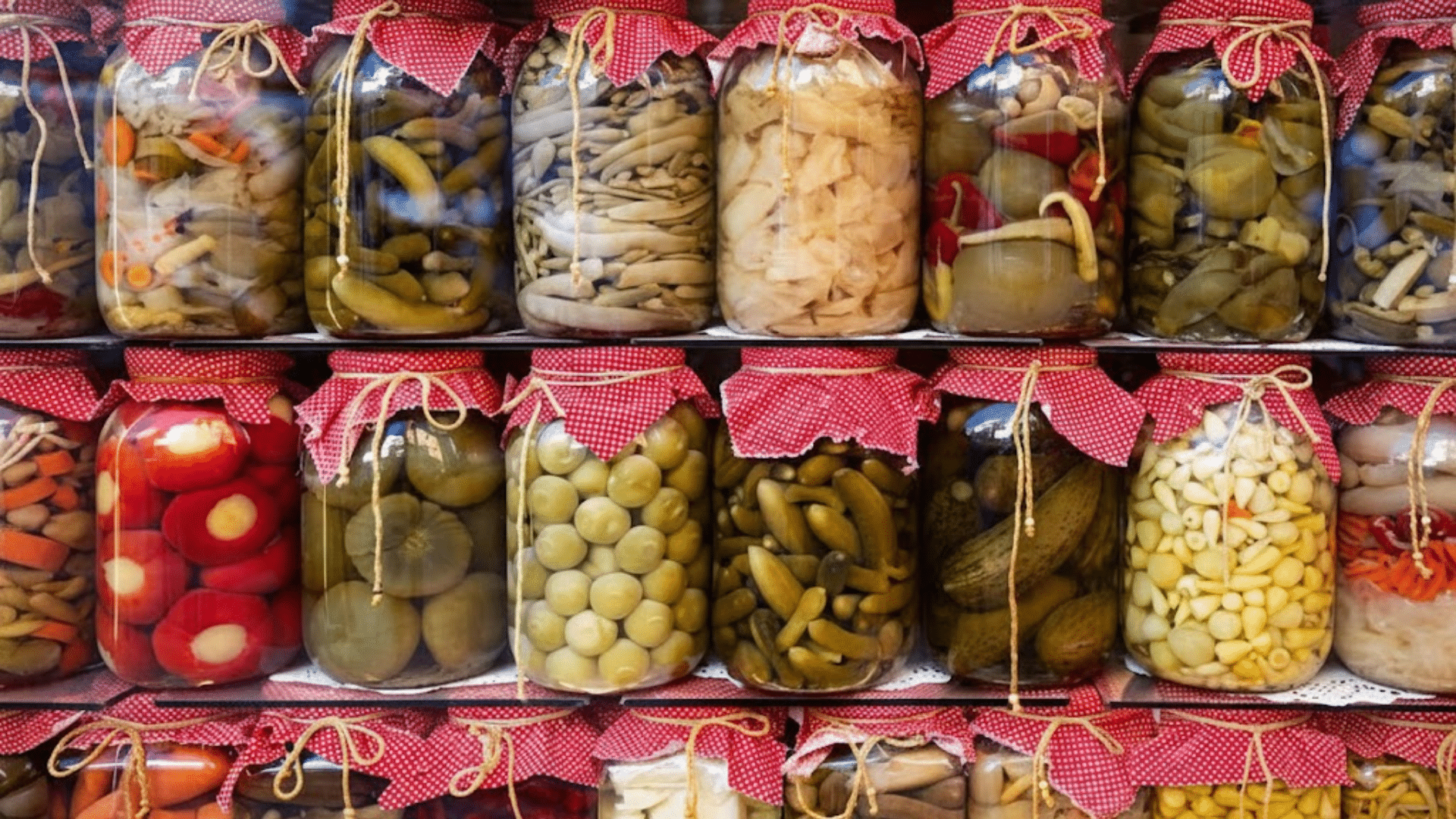
Yogurt wasn’t her only nutrition signal. Branyas followed a Mediterranean-style diet—fish, fruits, vegetables, olive oil, and modest portions. This style of eating is already associated with healthier blood lipids, better glucose control, and lower chronic inflammation. The researchers suggest her overall diet created a steady, low-stress metabolic environment, with yogurt acting like a daily microbiome “tune-up.” It’s less a single food miracle, more a food ecosystem.
Her Lifestyle Was Boring on Paper, Powerful in Biology

Branyas didn’t smoke, didn’t drink alcohol, walked regularly, and kept close family ties. In a culture that loves complex biohacks, her habits sound almost too simple. But that’s exactly what makes them interesting: they’re consistent, low-drama, and repeatable. Researchers say social connection and emotional stability likely reduced stress pathways that accelerate aging, an underrated ingredient in any longevity recipe.
Can One Person’s Blueprint Apply to You?

Here’s the catch the scientists themselves flag: extreme longevity is highly individualized. You can’t take one 117-year-old and mass-produce her results. Maybe yogurt was key, maybe it was mostly her genes, maybe the real magic was the exact mix. Still, her case pushes a bigger point: aging and illness aren’t inseparable. Healthy years can stretch longer than we assume, and small habits may matter more than flashy ones.
Conclusion
María Branyas didn’t live to 117 on a secret supplement stack or a trendy diet. She lived long with a steady pattern: good genes, Mediterranean habits, daily movement, strong relationships, and three plain yogurts a day. Is yogurt the reason she beat the odds? Not proven. Is it a clue worth paying attention to? Absolutely. If nothing else, her story dares us to ask a more hopeful question: what if longevity isn’t about chasing the perfect hack, but keeping the simplest habits for decades?