Olive Garden Just Revived a Beloved Meal Deal Because ‘Fans Kept Asking for It’

Olive Garden’s long-standing motto, “When you’re here, you’re family,” is taking on a much more literal meaning this spring. Like a Southern family sending you home with a packed plate, the Italian-American chain has officially brought back its fan-favorite Buy One, Take One (BOGO) deal. This move comes as restaurant inflation continues to climb at a rate of 4% year-over-year, leaving many diners feeling a distinct sense of price-tag shock. The return of the promotion suggests that even the biggest casual dining giants are feeling the pressure to provide tangible value as middle-income households begin to pull back on discretionary spending.
The mechanics of the deal remain as straightforward as ever, a refreshing change in an era of complex digital coupons and hidden fees. For a starting price of just $14.99, guests can enjoy a full dine-in experience—complete with the chain’s iconic unlimited soup, salad, and breadsticks—and then choose a second chilled entrée to take home for later. This strategy, which the restaurant has internally referred to as a solution for “crisis carbs,” provides a rare two-for-one victory for the average consumer. The curiosity surrounding the deal’s return was so high that eClub members were granted early access as of March 9, a full week before the public launch.
The bridge between the dining room and the home kitchen is a strategic one. Industry analysts at Goldman Sachs predict that while consumers are becoming hyper-price-sensitive in 2026, they are still willing to spend if the product feels like a unique event or a massive win for their wallet. By keeping the starting price the same as previous years, Olive Garden is making a bold statement against the “lousy” economic reports currently plaguing the retail sector. What researchers have found next is that this deal isn’t just about food; it’s about reclaiming the sit-down dining experience as an affordable treat.
The Affordability Architecture in Detail
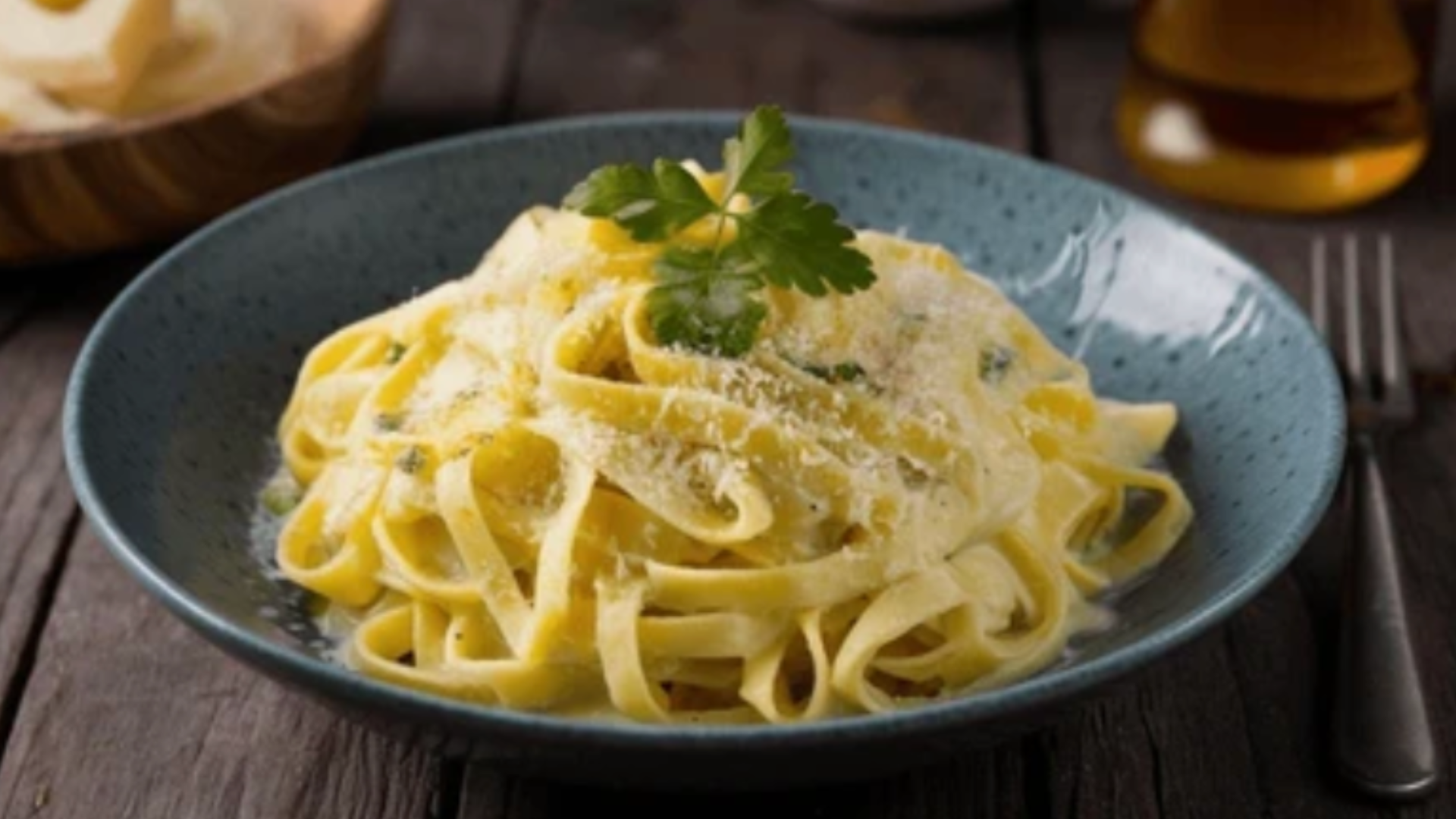
The specific pasta options available for the BOGO promo reflect a focus on classic comfort. Guests dining in can choose from staples like Spaghetti with Meat Sauce, Four-Cheese Manicotti, and a new addition to the lineup: Rigatoni Alla Vodka. For those willing to spend a few dollars more, premium options like Chicken Parmigiana and Lasagna Classico are also on the table. Once the first meal is finished, the take-home choices include Fettuccine Alfredo, Spaghetti with Meat Sauce, or Five Cheese Ziti al Forno. These second entrées are freshly prepared and then chilled, specifically designed to be heat-and-eat ready for the following night.
The physical reality of the deal is a direct response to a 50-year low in consumer sentiment regarding the value of eating out. Darden CEO Rick Cardenas has noted that the brand is focusing on “innovation-led value” to justify every dollar spent. By offering a second meal that is essentially free, the chain is undercutting the rising cost of fast-food combos, which have famously crept toward the $15 mark in many cities. This grounded approach to pricing is a concrete detail that has helped Olive Garden increase its affordability scores by 15 percentage points in recent consumer surveys.
These details matter because they highlight a shift in how the restaurant industry is fighting for the middle-income diner. While other chains are shrinking portion sizes or adding service fees, Olive Garden is leaning into the “more is more” philosophy. However, the physical strain on the staff is a real concern; internal reports from servers suggest that the high volume of “never-ending” refills combined with packing to-go orders can lead to a logistical nightmare during peak hours. If you plan on visiting, the advice is simple: tip your server well, as they are the ones balancing the “breadstick frenzy” behind the scenes.
The Lighter Portion Pivot
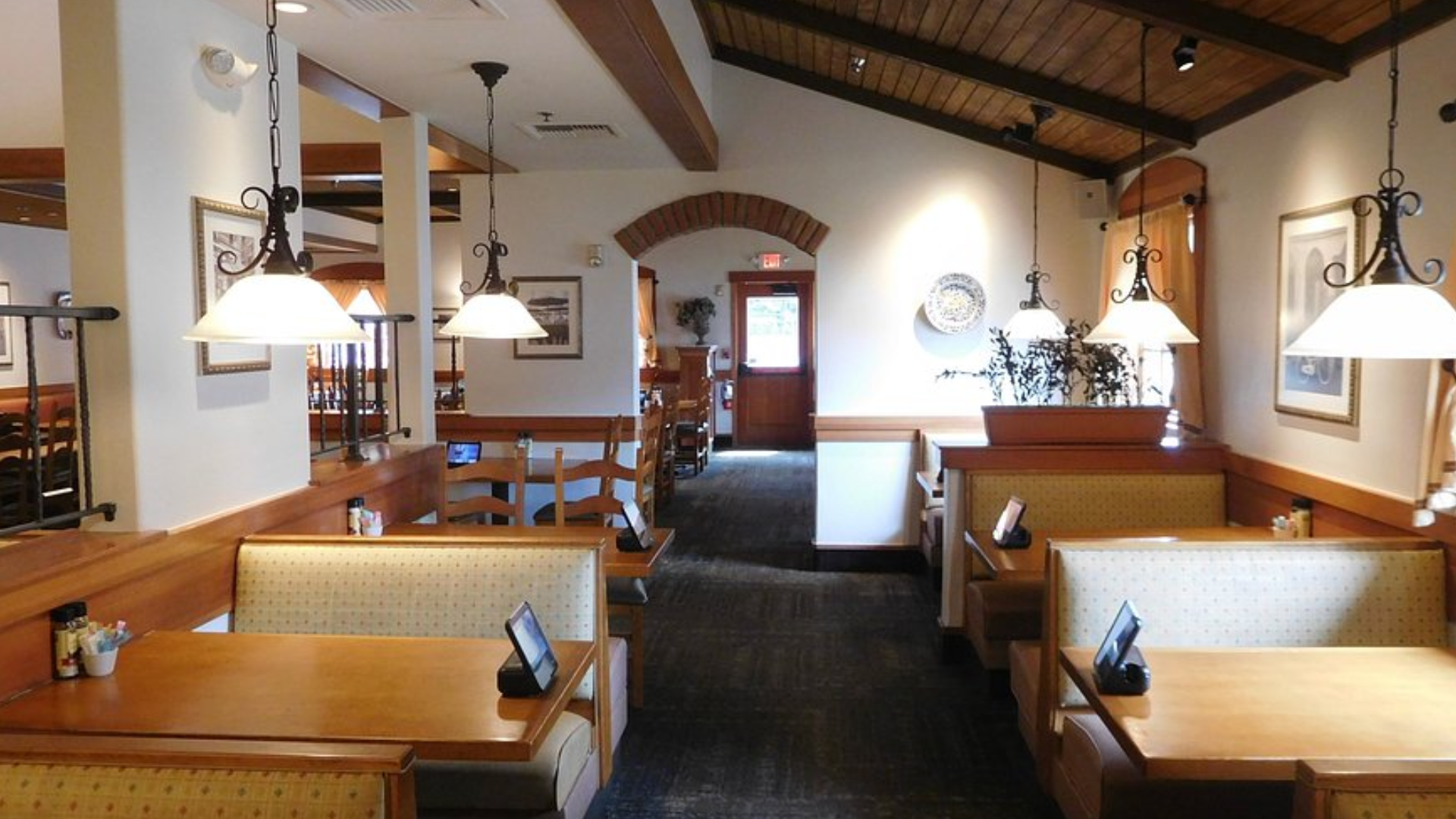
The larger implications of Olive Garden’s 2026 strategy extend beyond this single promotion. The chain is currently rolling out a “Lighter Portions” menu section nationwide, featuring smaller versions of fan favorites priced between $13 and $15. This move is designed to prevent “bill jump scare” at the end of a meal, catering to those who want the experience of dining out without the heavy caloric or financial burden. By offering both the massive BOGO deal and smaller, everyday low-price options, the chain is effectively covering both ends of the value spectrum.
This shift reflects a broader pattern in the casual dining resurgence. Data shows that same-store visits to giants like Olive Garden and Chili’s were up throughout 2025 and early 2026, even as fast-casual competitors saw a plateau. Consumers are increasingly questioning the value of a $16 bowl eaten at a counter when they can get a $15 sit-down meal with service and breadsticks. This fascination with “strategic value” is winning back a selective consumer base that had previously traded down to grocery stores and warehouse clubs.
The emotional journey from being “inflation-weary” to feeling “treated like family” is a narrative Olive Garden is eager to protect. By resisting the urge to hike prices on its most beloved deal, the brand is building long-term trust in a volatile market. The conflict between rising commodity costs—specifically a “significant step-up” in beef prices—and the need for affordable menu items is a delicate balancing act. For now, the chain is choosing to prioritize foot traffic over short-term margin expansion, betting that a full dining room is the best defense against a cooling economy.
The Fate of the To-Go Kingdom
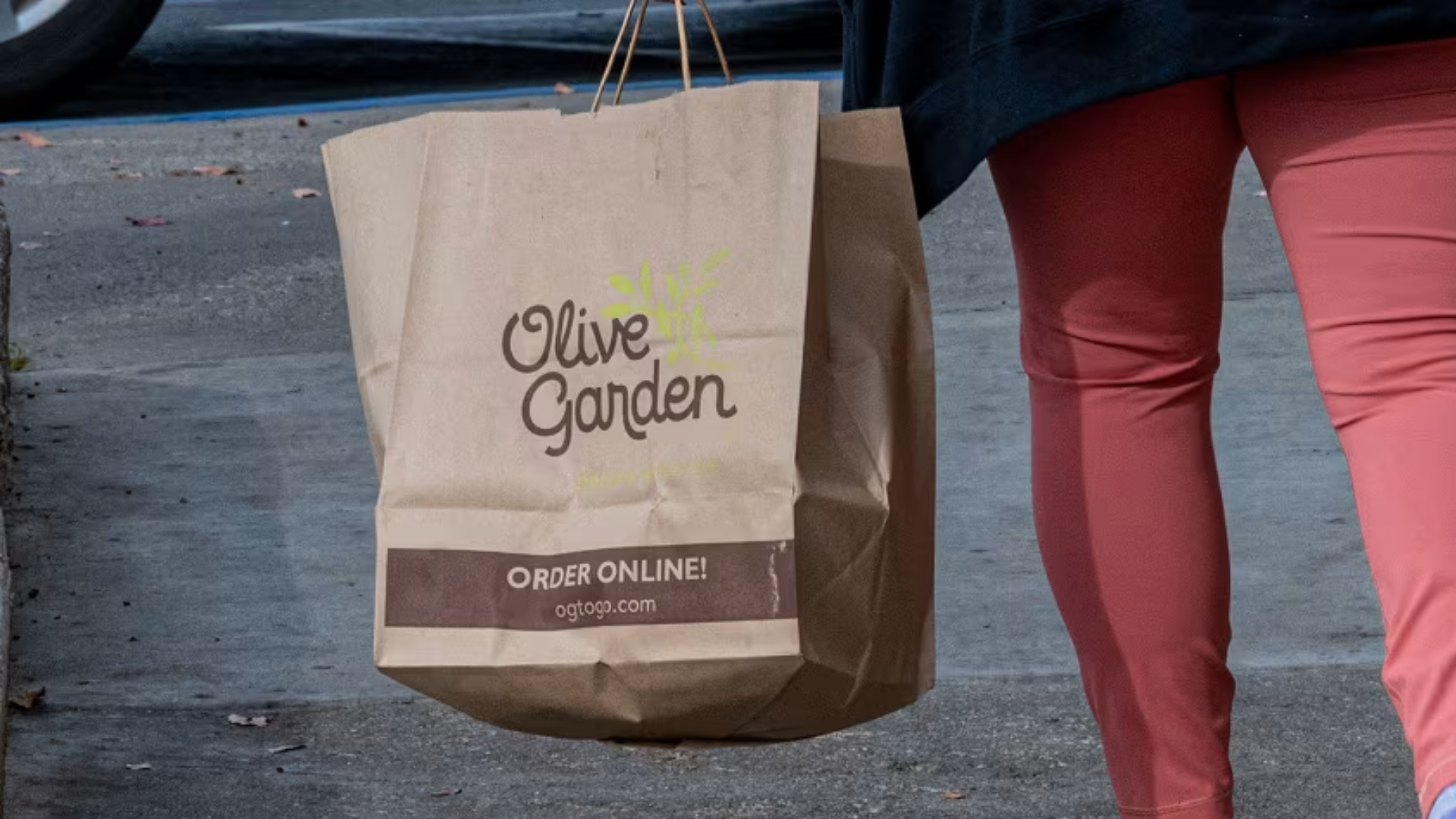
As the BOGO deal runs through May 3, the next step for Olive Garden involves expanding its first-party delivery services to keep the momentum going. The chain recently reported that delivery now accounts for 5% of its total sales, attracting a younger, more affluent demographic that values convenience. While the BOGO deal is primarily a dine-in draw, it also feeds into the growing “at-home” dining culture by providing a pre-made meal for the next day. This forward-looking approach suggests that the boundary between the restaurant and the home kitchen will continue to blur.
The return to urgency is felt by competitors who are now scrambling to launch their own “Value Wars” for the 2026 midterm season. With gasoline prices and energy costs on a rollercoaster, theIrresistible pull of a “buy one, get one” offer is a powerful marketing weapon. Olive Garden’s ability to execute this at scale, using its massive supply chain to keep costs down, gives it a distinct advantage over smaller regional players. The era of the generic discount is over; the winning brands are those that give consumers a distinct, irrefutable reason to choose dining out over staying in.
Ultimately, the revival of the BOGO deal serves as a powerful reminder that in tight economic times, generosity is the best policy. As fireballs rise in distant energy markets and grocery bills continue to climb, a $15 double-meal deal feels like a small island of stability. The struggle for the American wallet has moved from the drive-thru to the dining room. We must now accept that the most successful restaurants will be those that feed us today and make sure we have a little something left for tomorrow.

