Over 100 Food Ingredients Entered the U.S. Food Supply Without FDA Safety Reviews, Report Finds
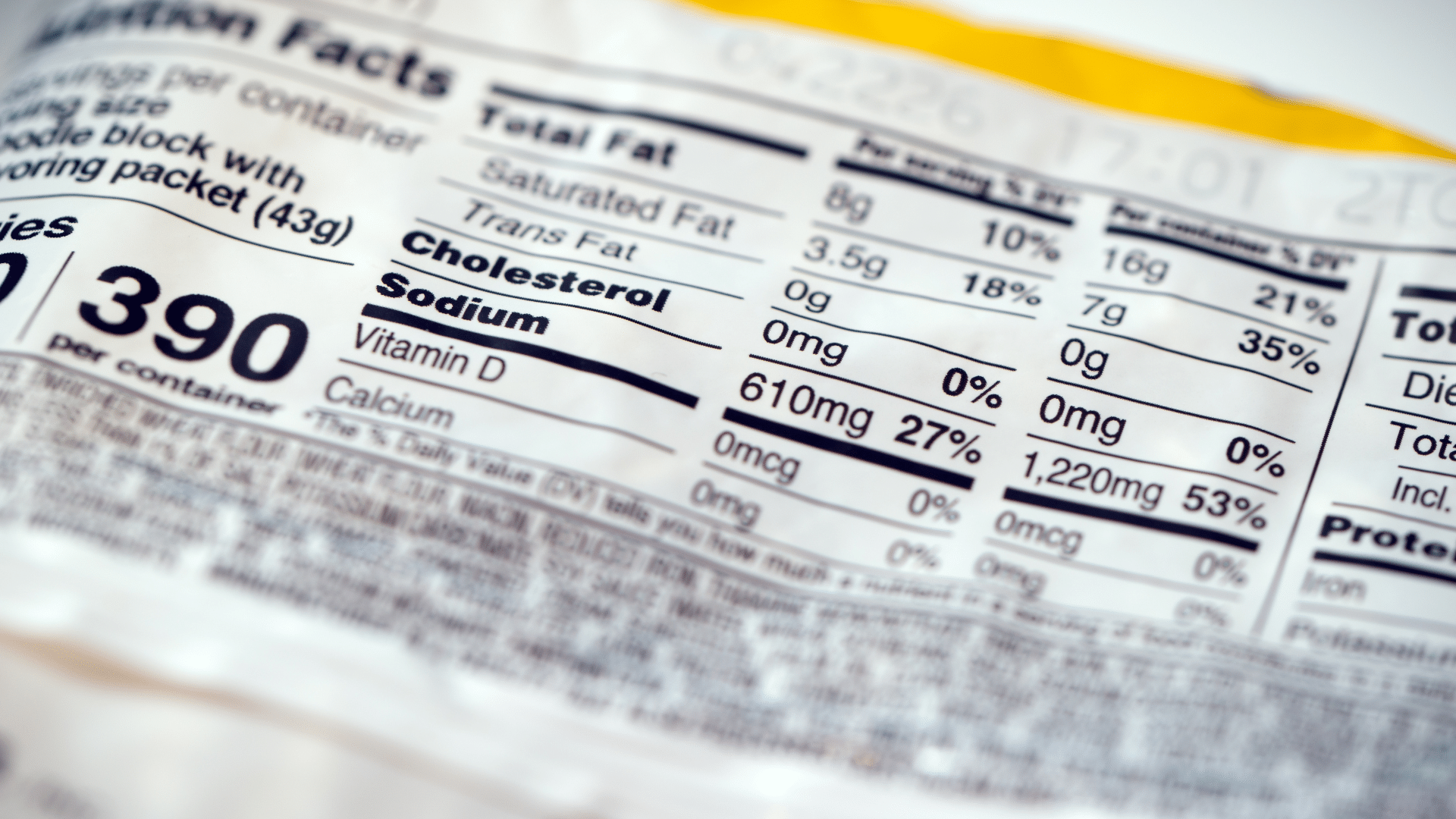

A new analysis has raised questions about how some food ingredients make their way into the American food supply. According to a report examining federal records, more than 100 substances currently used in foods, beverages, and dietary supplements entered the market without undergoing a formal safety review by the U.S. Food and Drug Administration (FDA). The findings have renewed debate over a decades-old regulatory process that allows companies to determine that certain ingredients are “Generally Recognized as Safe,” or GRAS, without requiring mandatory FDA review.
Researchers say the issue is not necessarily that these ingredients have been proven unsafe. Instead, critics argue that the current system allows some companies to introduce new substances without notifying the FDA, limiting government oversight and public transparency. Supporters of the existing framework maintain that manufacturers are still legally responsible for ensuring their ingredients are safe before they are used in food.
The report has sparked renewed calls for reforms that would require companies to submit safety data directly to regulators before new ingredients reach consumers.
How The GRAS System Works
Under federal law, many food additives require FDA review before they can be marketed. However, ingredients considered “Generally Recognized as Safe” can follow a different pathway. Companies may determine that an ingredient is safe based on scientific evidence or a history of safe use and, under the current system, are not always required to notify the FDA before introducing it into the food supply.
The recent analysis identified at least 111 ingredients that reportedly entered the food supply without FDA notification. Researchers also found that 49 of those ingredients appear in thousands of products listed within the U.S. Department of Agriculture’s Branded Foods Database, meaning consumers may already encounter them in everyday grocery items.
Supporters of mandatory notification argue that greater transparency would strengthen public confidence by ensuring regulators have the opportunity to independently evaluate safety information. Industry groups, meanwhile, note that manufacturers remain legally responsible for ensuring ingredients are safe regardless of whether FDA notification occurs.
Why Consumer Advocates Want More Oversight
Consumer advocacy organizations say the report highlights what they view as a significant oversight gap. They argue that allowing companies to self-determine ingredient safety without mandatory FDA notification makes it difficult for regulators, researchers, and consumers to know exactly which substances have entered the marketplace.
The concern is centered on transparency rather than immediate evidence of harm. Researchers emphasize that the report does not conclude the identified ingredients are unsafe, but instead questions whether sufficient independent review has occurred before widespread use in food products. Critics believe mandatory reporting would provide additional opportunities for scientific evaluation and public accountability.
The debate also reflects broader discussions about modern food regulation as manufacturers continue introducing new ingredients, processing aids, and functional additives designed to improve taste, texture, shelf life, and nutritional characteristics.
What This Means For Consumers
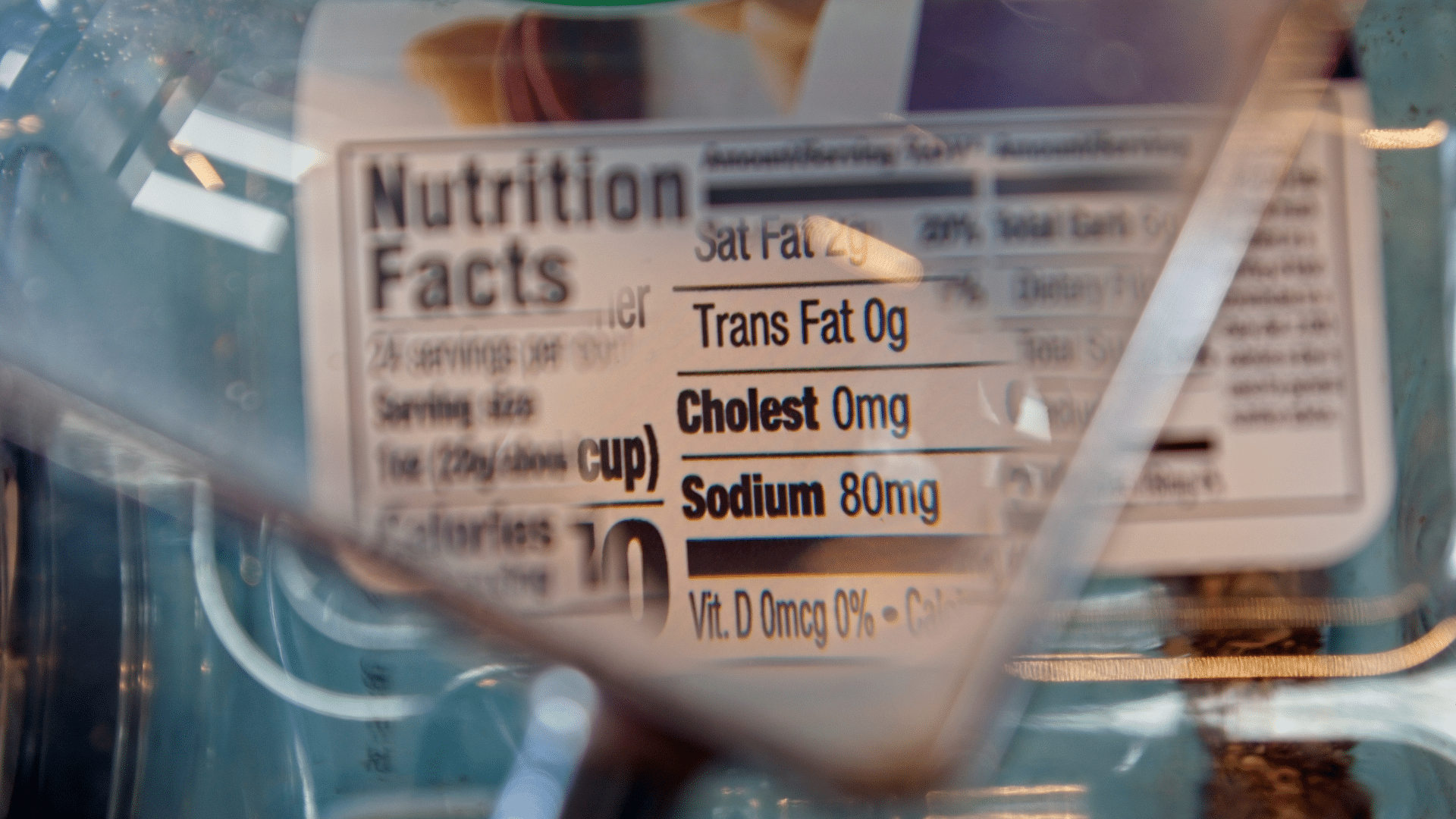
Experts say consumers should not interpret the report as evidence that grocery store foods are suddenly unsafe. Most ingredients used in the food supply have long histories of use or supporting scientific research. Instead, the report focuses on how the regulatory process operates and whether additional oversight could improve confidence in food safety.
People who want to better understand what is in their food can continue reading ingredient labels, staying informed about FDA announcements, and following food safety updates from reputable public health organizations. Nutrition experts also recommend maintaining a balanced diet that emphasizes minimally processed foods whenever practical.
Ultimately, the report has reignited discussion about whether the current GRAS system provides enough transparency for today’s food industry. While manufacturers remain legally responsible for ensuring ingredient safety, critics argue that mandatory FDA notification could strengthen oversight and increase public trust. Whether regulators pursue changes remains to be seen, but the findings have brought renewed attention to how new food ingredients reach American grocery shelves.