Over 70 Underperforming Red Robin Stores Expected to Close in Major Shake-Up
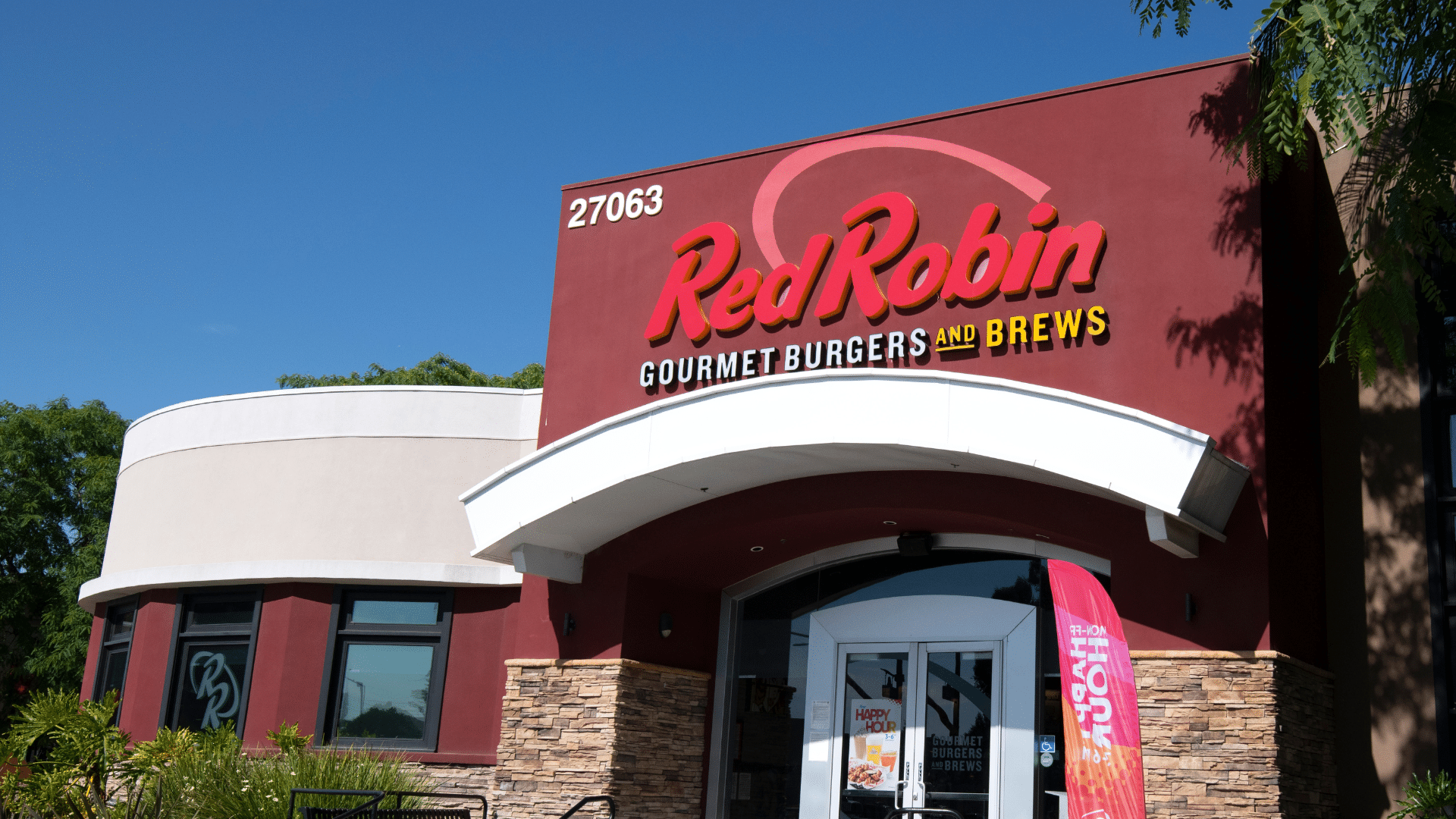

Red Robin, a long-standing casual dining chain known for burgers and bottomless fries, has begun permanently closing several of its restaurant locations across the United States as part of a broader effort to streamline operations and address ongoing financial pressures. In late 2024, the company confirmed plans to close up to 70 underperforming locations over the next five years, with the most immediate closures occurring as leases expire and certain units prove unable to achieve sustainable profitability. These changes come amid years of fluctuating same-store sales and significant net losses that have prompted executives to reevaluate how the chain allocates its resources in an increasingly competitive restaurant market.
Recent permanent closures have already affected specific sites, including locations in Illinois, California, and New Jersey, where restaurants have shuttered abruptly with public notices thanking guests for their patronage and reflecting on the memories made there. While some Red Robin units continue to perform well, with more than 300 still operating successfully, those that have consistently struggled financially are being targeted for closure to help improve the corporation’s overall performance.
Company leaders have linked these closures to a larger transformation strategy designed to strengthen the brand and focus on long-term viability, a plan that also includes promotions aimed at boosting customer traffic and refining the guest experience while reducing overall debt. Although the chain’s footprint will shrink as a result of these decisions, executives say the ultimate goal is to preserve Red Robin’s core offerings and ensure its future remains secure in an evolving dining landscape.
Why Red Robin Is Closing Restaurants
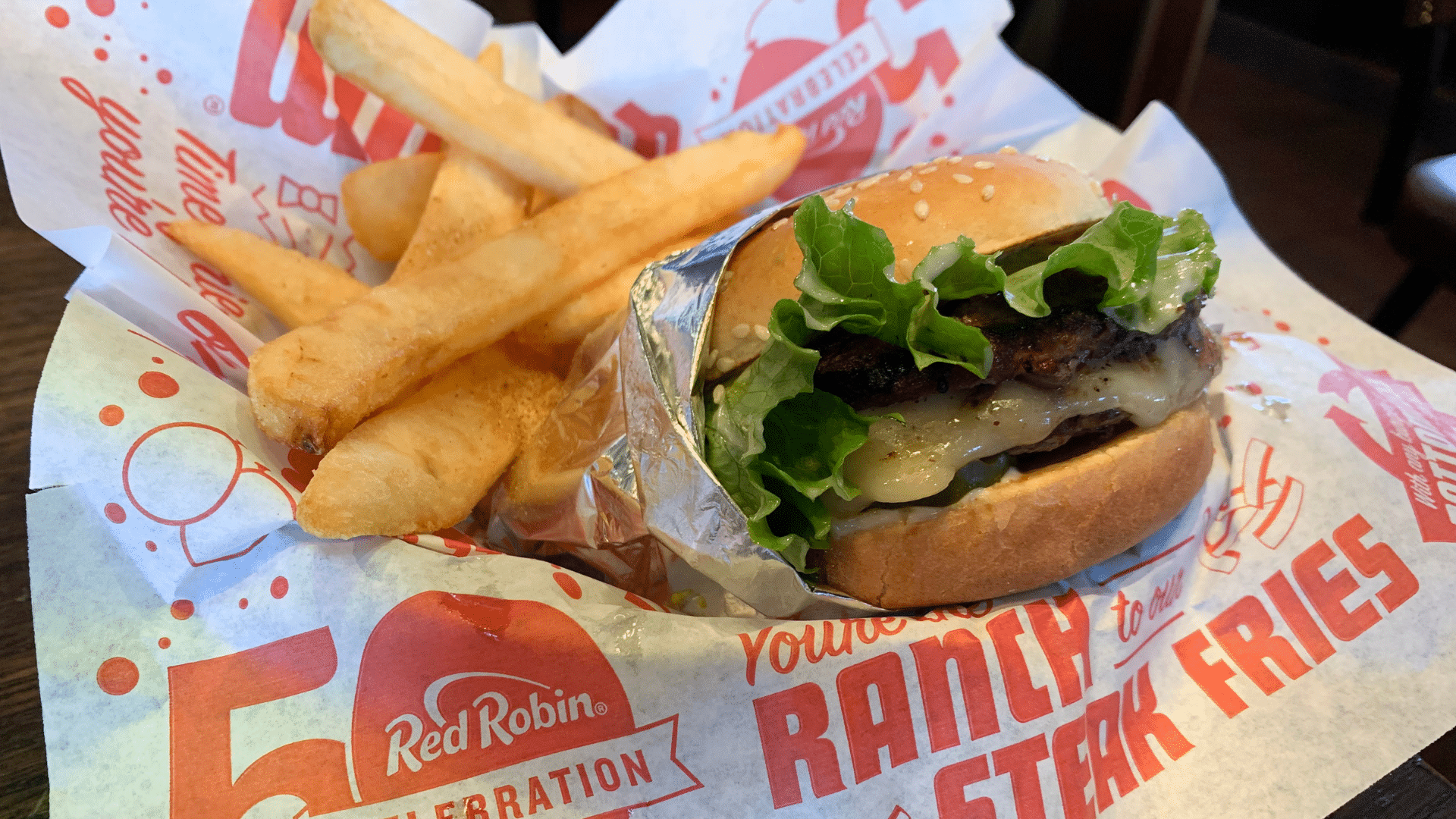
The decision to shut down numerous Red Robin locations is rooted in the chain’s recent financial performance, with reported net losses prompting executives to evaluate the profitability of individual units and determine which ones are dragging on corporate results. In 2024, Red Robin posted a substantial net loss, and although efforts like the “North Star” transformation plan have led to improvements, ongoing challenges have made it clear that trimming the portfolio of underperforming restaurants is necessary to return the company to sustained profitability.
Part of this cost-control effort involves allowing leases to expire on locations that cannot be viably turned around, a strategy that not only cuts operating expenses but also frees up cash that can be used to invest in more successful units or pay down debt. Company executives have explained that this approach enables Red Robin to concentrate on restaurants with stronger traffic and financial performance, while reducing the drag of units that consistently underperform.
In addition to closures, Red Robin’s leadership has also explored refranchising parts of its footprint to transition more restaurants into the hands of franchise owners, a move they say could lower corporate risk and provide more entrepreneurial energy for individual locations while stabilizing the overall brand. However, this refranchising plan remains in the evaluation stage and is part of a broader suite of changes being considered to strengthen the company for the years ahead.
What Customers and Communities Are Experiencing
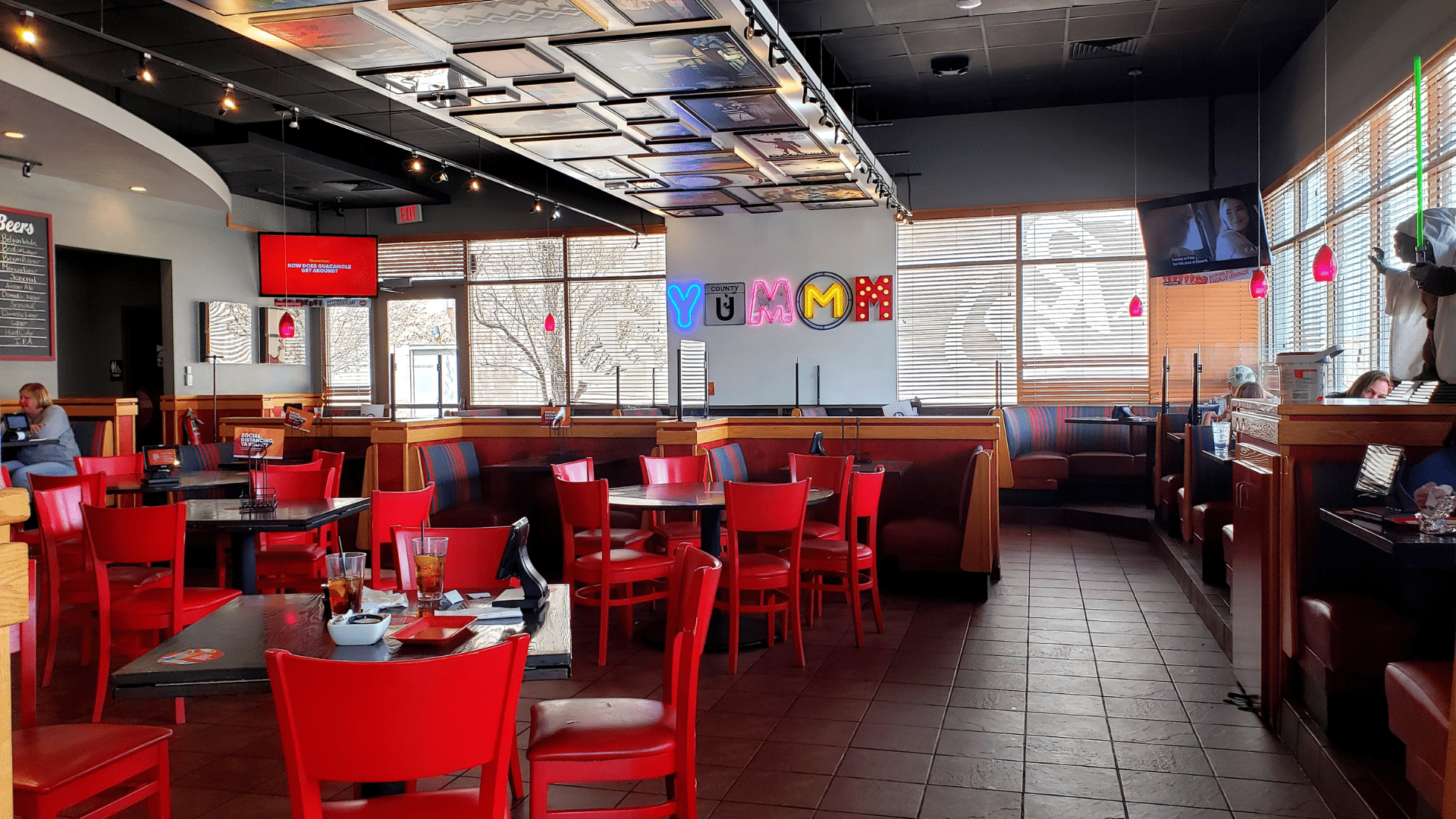
For many customers and local communities, the closures have come as a surprise, especially since some signs of reduced business performance were not always apparent before the shuttering notices went up, and in several towns patrons have expressed nostalgia and disappointment at losing a familiar dining spot where many shared family meals and social gatherings over the years.
In some areas, closures reflect broader shifts in casual dining, where competition from fast-casual and quick-service brands has eaten into the market share of traditional sit-down restaurants, leading diners to seek greater value, faster service, or more innovative menus at competitors’ locations. Red Robin’s experience mirrors trends seen across the industry as consumer preferences evolve and cost pressures continue to squeeze mid-tier dining chains.
Despite the closures, many Red Robin locations remain open and are continuing service, with local franchise owners in certain regions reporting that their units are not scheduled to close. These operational variations underscore how performance can differ widely between markets and explain why some restaurants are shuttered while others remain popular community staples.
What This Means for the Future of Red Robin
The permanent closures represent a significant turning point for Red Robin as it seeks to rebalance its business model, reduce debt, and position itself for stability in a competitive restaurant industry where consumer preferences continue to shift. By focusing on stronger performing locations and refining its value proposition through new promotions and marketing strategies, executives hope the leaner network will be more sustainable in the long run.
Analysts and industry observers note that while Red Robin is shrinking in size, the brand’s commitment to revamping its operations and reinvesting in core strengths could help it emerge more resilient, allowing it to adapt to changing diner expectations while maintaining its identity as a casual dining favorite for burgers and social meals.
Whether the closure strategy will ultimately restore profitability and encourage growth again remains to be seen, but company leaders and loyal customers alike are watching closely as Red Robin navigates this pivotal period, balancing the nostalgia of its bottomless fries tradition with the practical realities of operating in a challenging economic environment.

