Over 700K Kids Could Lose Access to Food Aid Due to Trump Policy Proposal
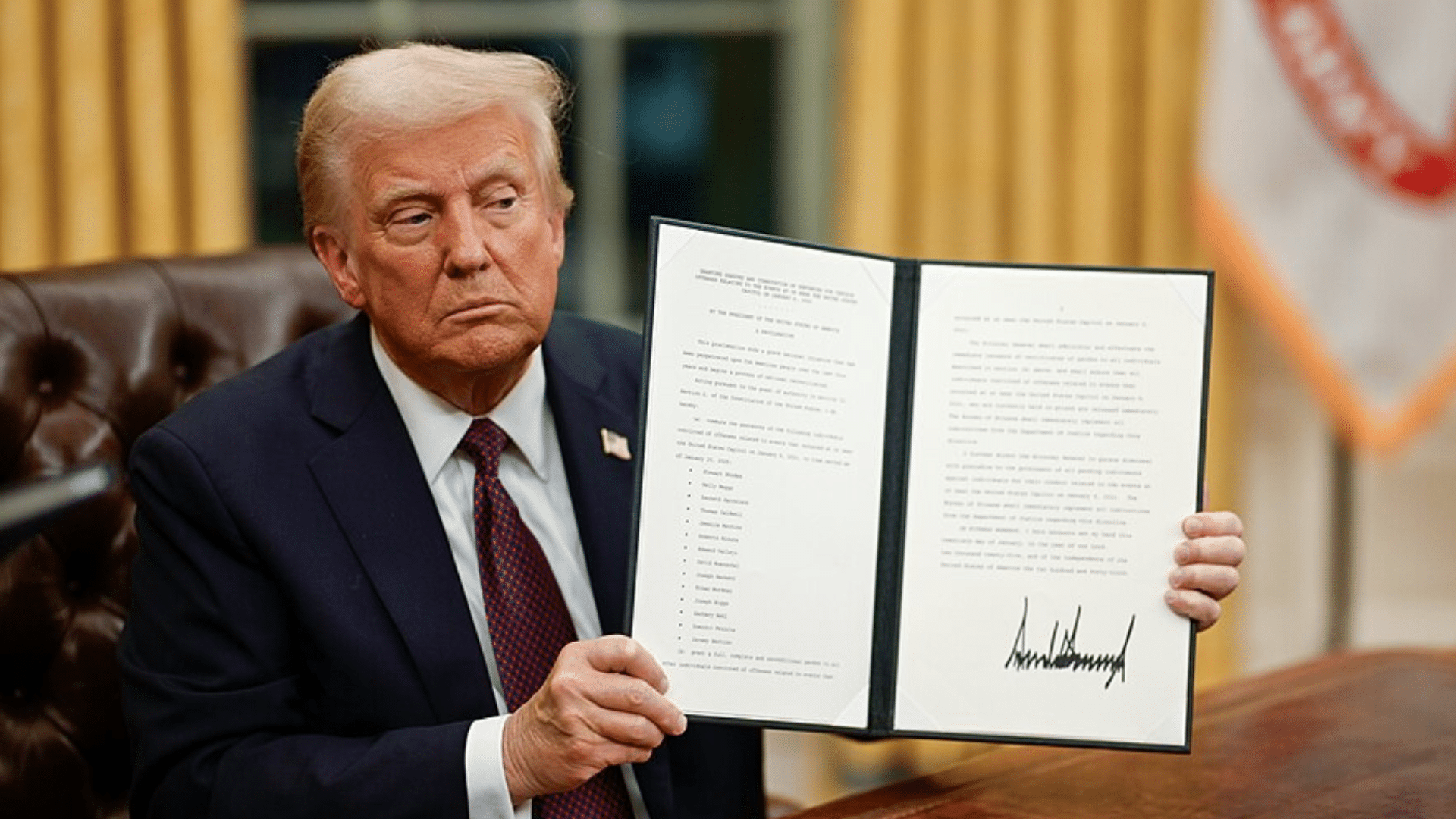

A major federal policy proposal backed by President Donald Trump has sparked concerns among anti-hunger advocates, educators, and state officials after estimates suggested that more than 700,000 children could lose automatic access to food assistance programs. The changes are tied to provisions within the administration’s sweeping budget and tax package, often referred to as the “One Big Beautiful Bill.” Critics warn that the proposal could make it harder for low-income families to qualify for food benefits, while supporters argue it would reduce federal spending and strengthen program oversight. The debate has intensified as lawmakers evaluate the potential impact on children who depend on school meal programs and nutrition assistance.
The Proposal Is Linked to SNAP Eligibility Rules
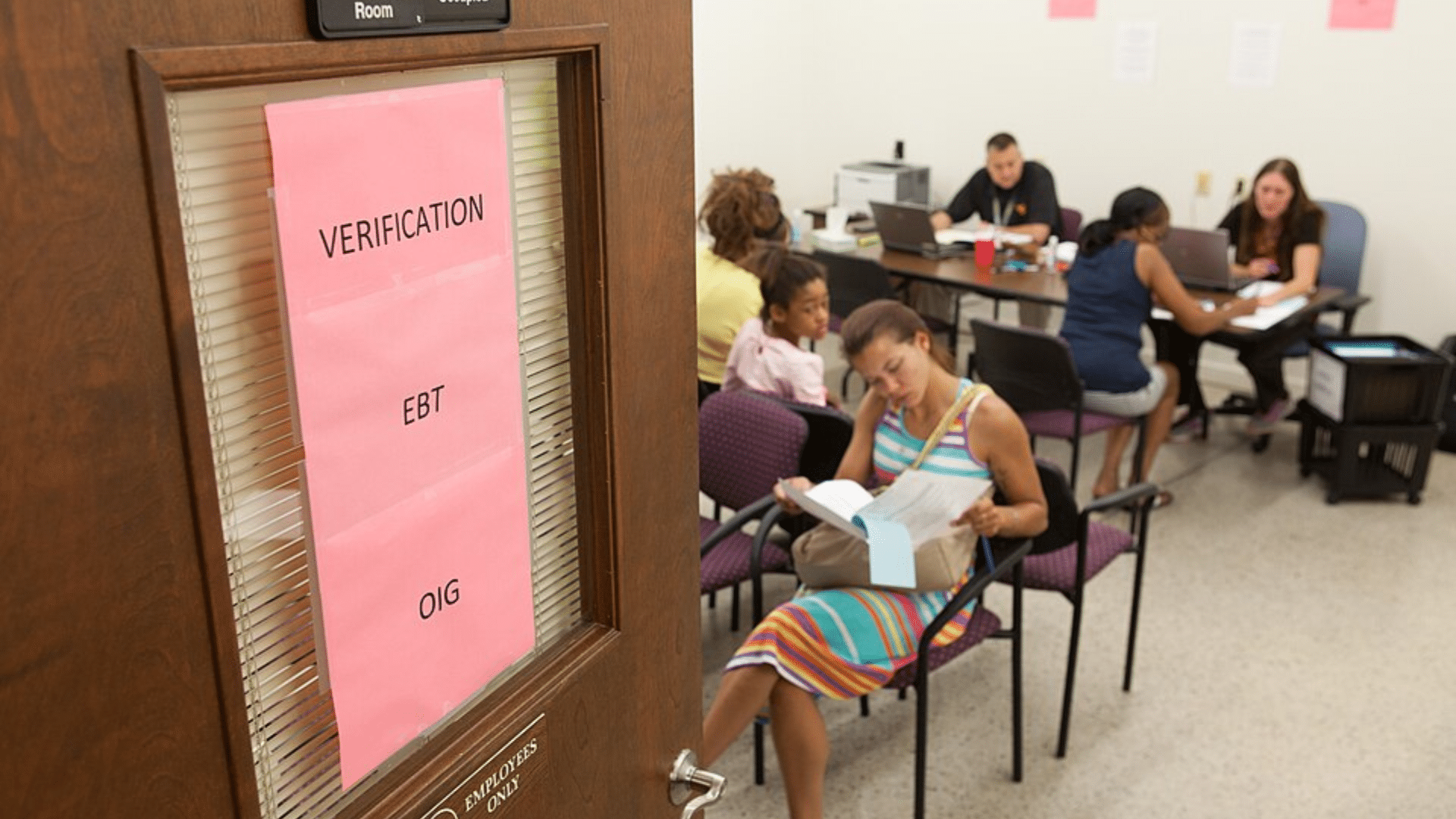
At the center of the controversy are proposed changes to the Supplemental Nutrition Assistance Program, or SNAP, the nation’s largest food assistance program. Under current rules, many children automatically qualify for free school meals because their households participate in SNAP. The proposal would tighten certain eligibility standards and increase administrative requirements, potentially reducing the number of families enrolled in the program. Anti-hunger organizations warn that any decline in SNAP participation could have a ripple effect across multiple nutrition programs.
More Than 700,000 Children Could Be Affected

Analyses cited by advocacy groups suggest that more than 700,000 children nationwide could lose automatic access to free school meals if the proposed changes take effect. These children would not necessarily become ineligible for assistance entirely, but many families could face additional paperwork, verification requirements, or enrollment hurdles. Experts say even small administrative barriers often lead to eligible households losing benefits. As a result, schools could see a decline in participation among students who still qualify for aid but fail to complete the required process.
School Meal Programs Could Feel the Impact

School nutrition advocates are particularly concerned because many districts rely on direct certification systems that automatically enroll eligible children for free meals. If fewer families participate in SNAP, fewer students may be automatically certified for breakfast and lunch programs. Schools could be forced to spend additional resources processing applications and verifying eligibility. Some districts may also experience funding challenges because federal support is often tied to participation levels.
Anti-Hunger Organizations Are Sounding the Alarm
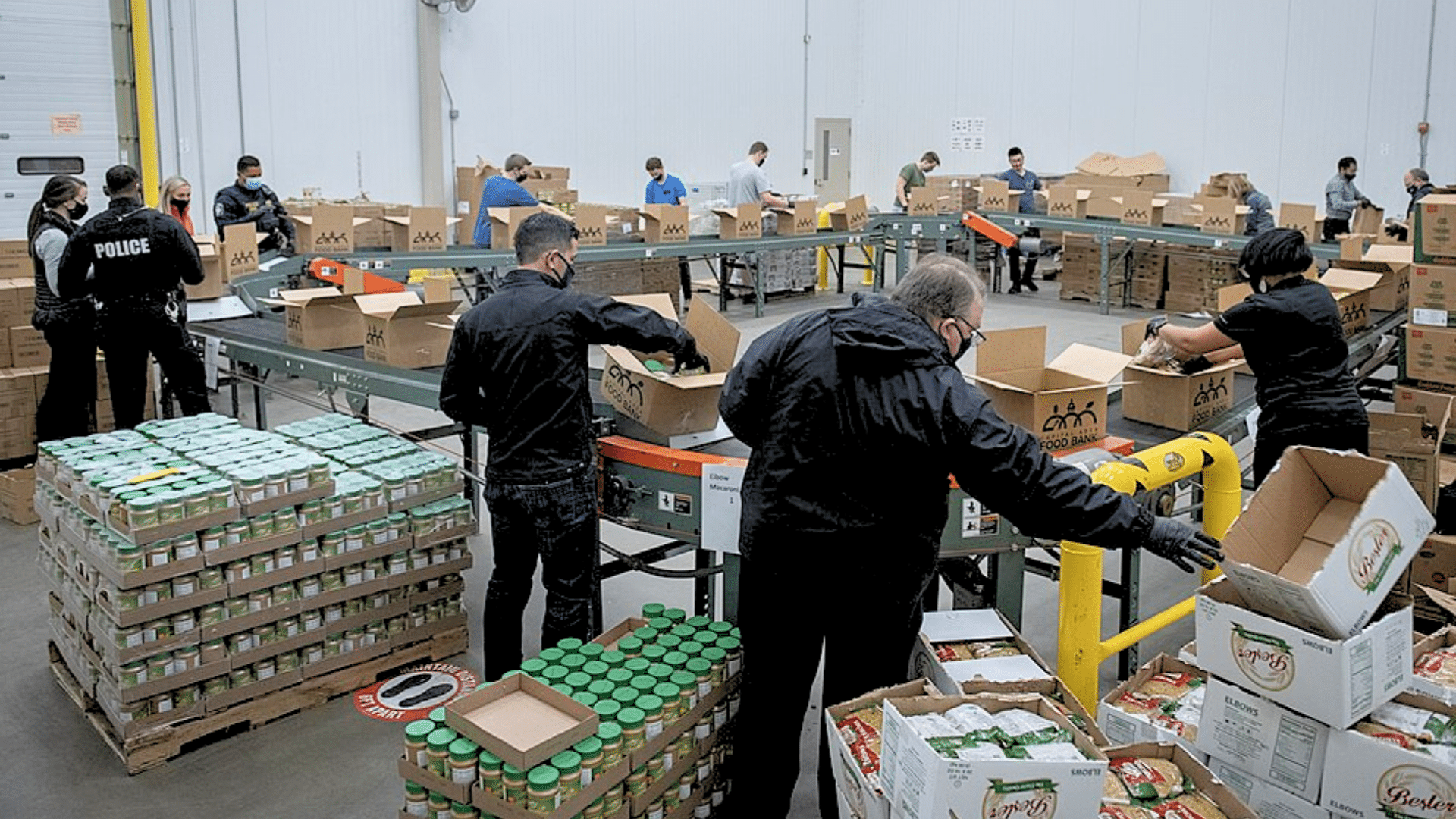
Organizations focused on child nutrition and food security have strongly criticized the proposal, arguing that it could increase food insecurity among vulnerable children. They contend that access to healthy meals improves educational outcomes, physical health, and long-term economic stability. Several advocacy groups have urged Congress to preserve existing eligibility pathways and minimize barriers for low-income households. They warn that reductions in participation could increase demand at food banks and community meal programs.
Supporters Say Reforms Would Improve Accountability

Supporters of the proposal argue that tighter eligibility standards would improve accountability and ensure taxpayer-funded programs serve their intended purpose. They maintain that reducing improper payments and strengthening verification systems could help preserve the long-term sustainability of federal assistance programs. Some lawmakers also argue that states should play a larger role in administering benefits and determining eligibility. The administration has framed the changes as part of a broader effort to control federal spending.
States Could Face New Administrative Burdens
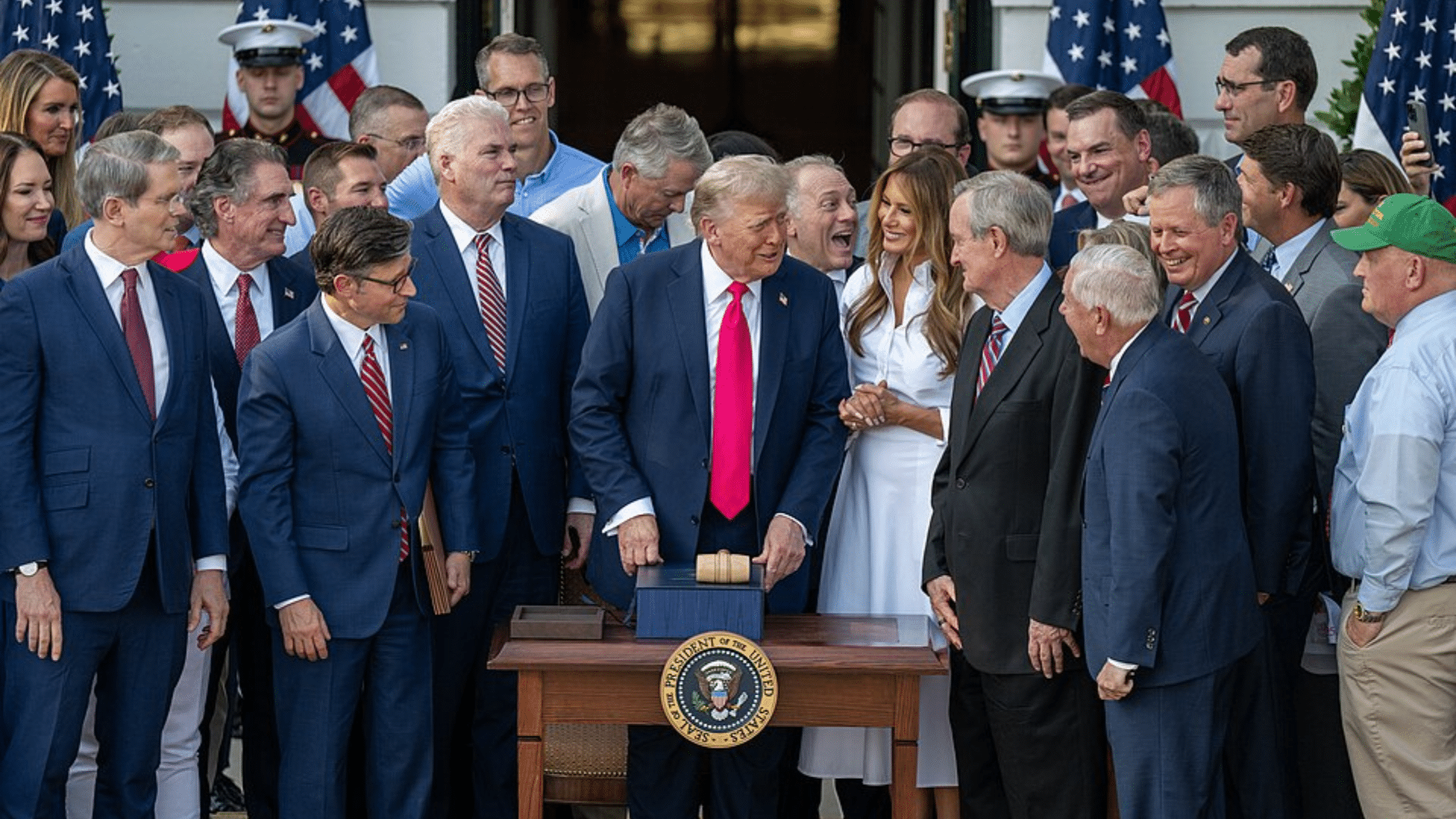
State agencies responsible for administering SNAP may face additional responsibilities if the proposal becomes law. New verification procedures, eligibility reviews, and reporting requirements could increase administrative costs and processing times. Policy experts note that states already struggling with staffing shortages may find it difficult to implement major changes efficiently. Delays and backlogs could potentially affect families seeking assistance even if they remain eligible under the revised rules.
Families Worry About Rising Food Costs

The debate comes as many families continue to face high food prices despite some easing of inflation pressures. Rising costs for groceries, housing, and utilities have increased financial strain for households across the country. Advocates argue that reducing access to food assistance during a period of economic uncertainty could create additional hardships for families already living paycheck to paycheck. Many parents say nutrition programs provide an essential safety net that helps keep food on the table.
Congress Will Ultimately Decide the Outcome
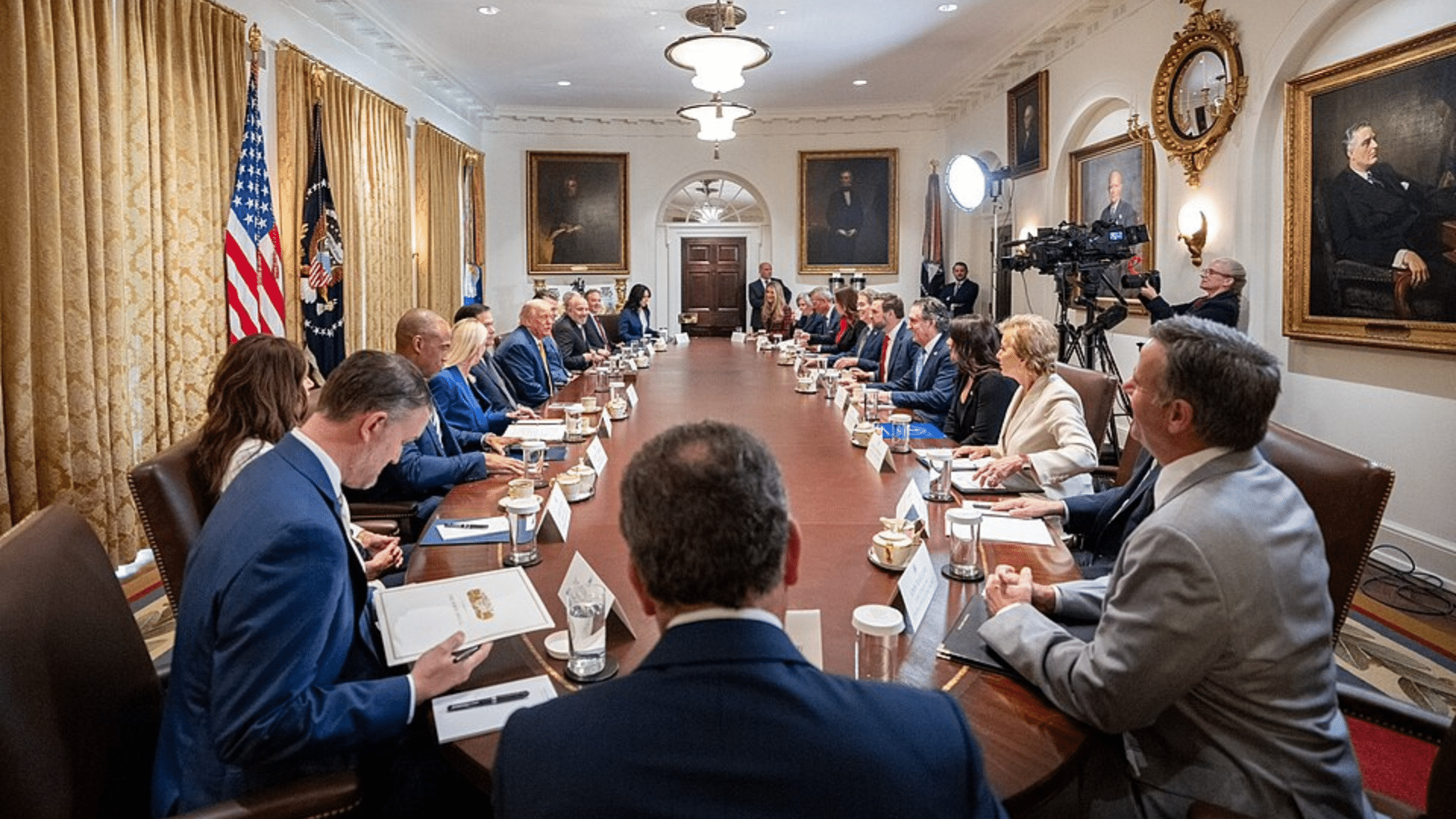
Although the proposal has received significant attention, it must still move through the legislative process before any changes become law. Lawmakers from both parties are expected to scrutinize the projected effects on children, schools, and state governments. The final version of the legislation could differ substantially from the current proposal as negotiations continue. Education groups, anti-hunger advocates, and state officials are likely to remain heavily involved in the debate.
Food Assistance Debate Highlights Broader Questions About Federal Priorities

The proposal’s potential impact on more than 700,000 children has transformed it into one of the most closely watched aspects of the broader budget debate. Supporters view the changes as necessary reforms designed to improve oversight and reduce federal spending, while critics argue they could create new barriers for families who rely on nutrition assistance. With SNAP participation closely connected to school meal access, the effects could extend far beyond grocery benefits alone. As Congress weighs the proposal, millions of families, educators, and anti-hunger advocates will be watching closely to see how the final policy takes shape.