People Have Started Taking Ozempic in Droves, But What Happens When You Stop Taking It?
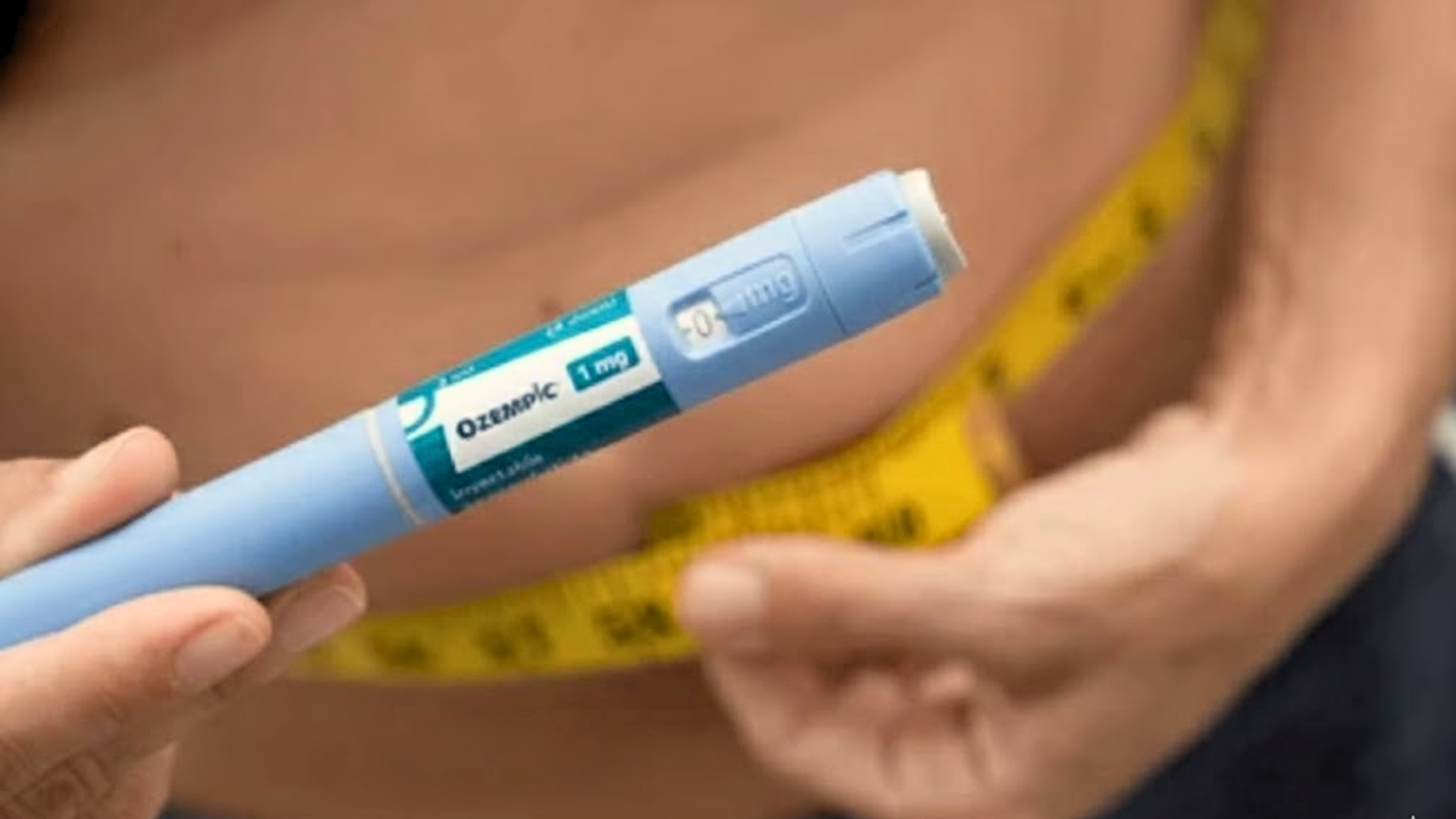

Ozempic, Wegovy, Mounjaro. In just a few years, these GLP-1 drugs have transformed the weight-loss conversation in America. With roughly 42% of adults classified as obese and millions saying willpower alone is not enough, prescriptions have skyrocketed. About one in eight U.S. adults has tried a weight-loss medication. The results can be dramatic. But here’s the uncomfortable question few people ask out loud: what happens when you stop? Because many do. Cost, shortages, side effects, or simply reaching a goal weight push people off the medication. And that is where the real debate begins.
These Drugs Were Never Meant to Be Casual

GLP-1 receptor agonists were originally developed to treat type 2 diabetes. They help regulate blood sugar and insulin while also slowing digestion and reducing appetite. Doctors now treat obesity as a chronic disease, not a short-term project. That means these medications are generally intended for long-term use. Yet studies show many patients quit within the first three months. That is often not long enough to stabilize metabolic changes. The result can feel like slamming the brakes mid-journey.
The Weight Regain Nobody Wants to Hear About
Here is the part that sparks heated arguments. Research shows that many people regain a significant portion of the weight after stopping semaglutide-based medications. In some trials, participants regained about two-thirds of lost weight within a year of stopping. Why? Because the drug does not permanently rewire metabolism. It suppresses appetite and improves insulin sensitivity while you are on it. When it leaves your system, your biology often returns to baseline. For some, that feels like betrayal. For others, it proves obesity truly is chronic.
Appetite Comes Back, Sometimes Fast

One of the biggest shifts patients report is hunger returning with force. GLP-1 drugs dampen appetite signals and quiet what many call “food noise,” the constant mental chatter about eating. Once the medication fades, those signals can resurface. You may feel hungry sooner. Cravings may intensify. Portion sizes can creep upward again. Critics argue this proves the drugs are a temporary crutch. Supporters counter that chronic diseases often require ongoing treatment. High blood pressure medication works the same way. Stop it, and the numbers climb.
Blood Sugar and Insulin Can Shift Again
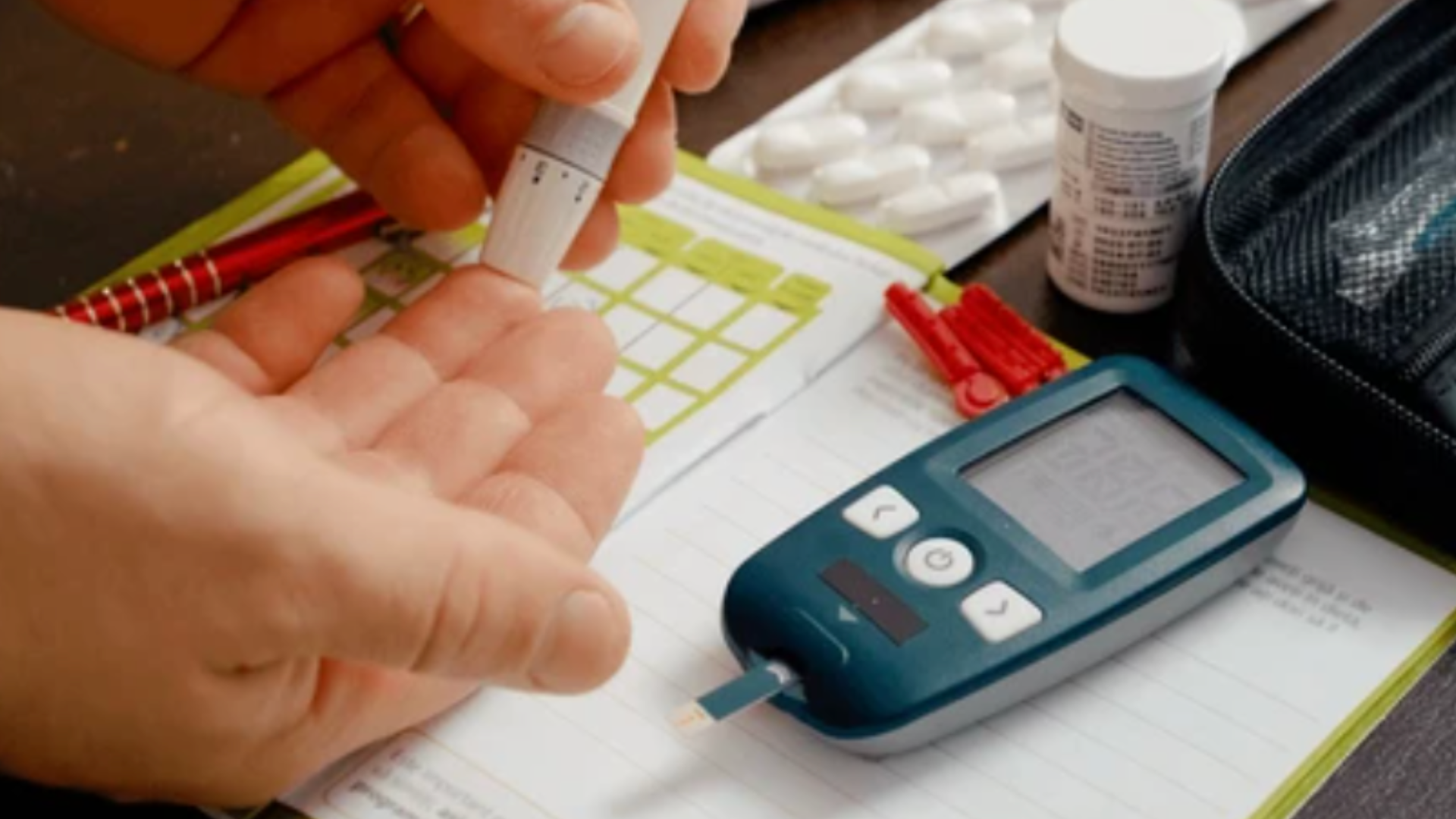
For people with diabetes or prediabetes, stopping GLP-1 medication can mean blood sugar levels rise again. These drugs were first approved to improve insulin regulation. Without them, some patients see glucose spikes return. That can increase long-term risks if not monitored. This is why doctors strongly recommend medical supervision before quitting. What feels like a cosmetic weight-loss decision may actually be a metabolic one.
Mood and Motivation May Take a Hit

The psychological side is rarely discussed openly. Some research suggests people with diabetes report lower anxiety or depression while on GLP-1 medications. Whether that is biological or related to weight loss success is still under study. When the weight returns or cravings surge, mood can dip. Some patients describe frustration, shame, or fear that they “failed.” Others say they feel liberated being off medication. The emotional rebound can be as intense as the physical one.
Cholesterol and Blood Pressure Might Change Too
In long-term semaglutide trials, participants who stopped treatment saw cholesterol levels rise again after months off the drug. Blood pressure improvements can also reverse. These medications often create a ripple effect of metabolic benefits. When removed, those benefits may fade unless lifestyle changes are firmly in place. This raises the uncomfortable question. Are patients prepared for maintenance without the pharmaceutical support?
The Gut Adjustment Period Is Real
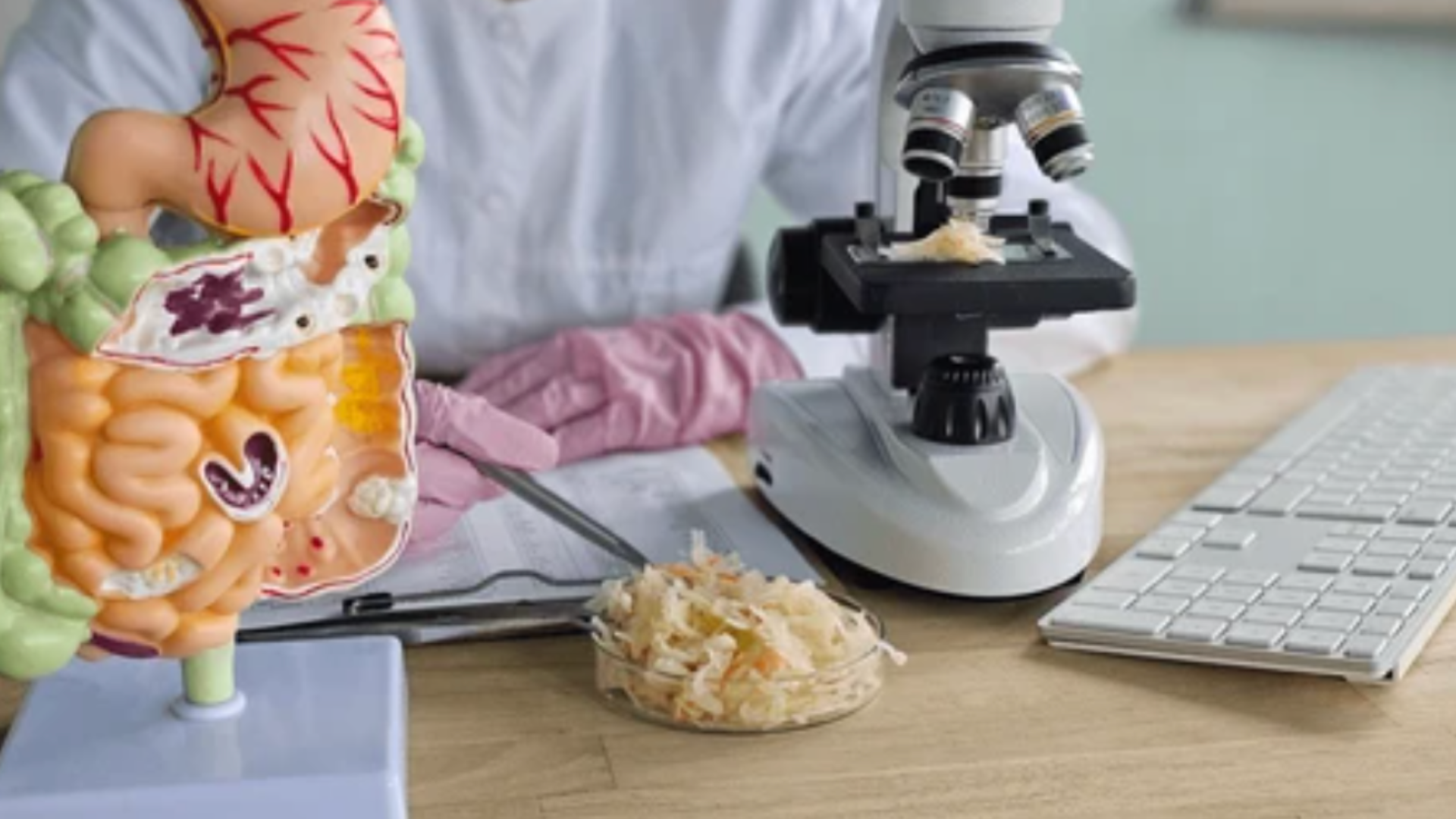
GLP-1 drugs can take up to a month to fully leave the body. During that time, some people experience gastrointestinal adjustments, including nausea or digestive shifts. The gut microbiome may also adapt to the medication and then readjust once it’s gone. Stop-and-start cycles can make side effects worse. Doctors increasingly warn against treating these drugs like seasonal tools. Consistency matters.
The PCOS Exception That Complicates the Narrative
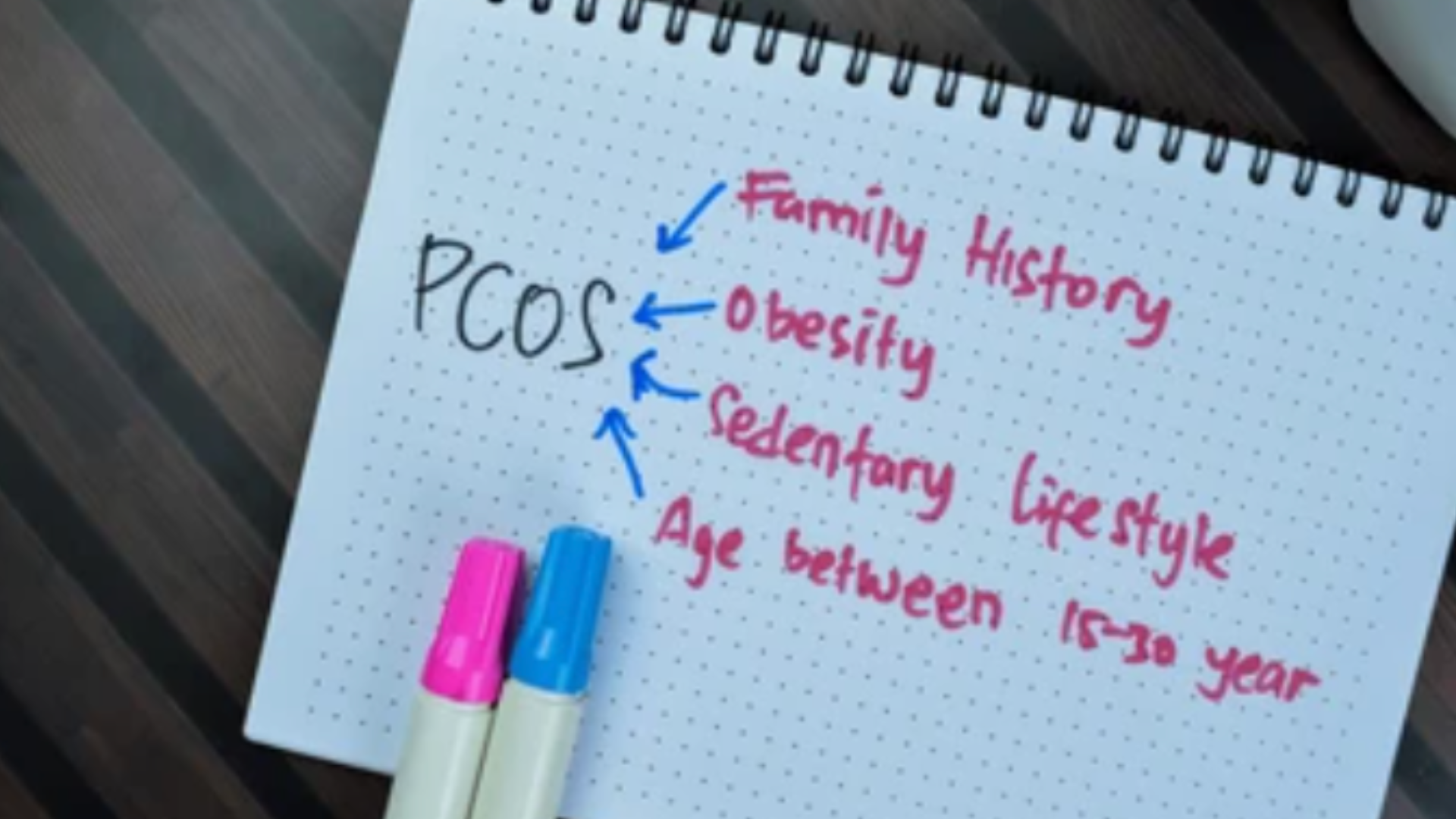
Interestingly, some studies on women with polycystic ovary syndrome show that certain benefits may persist even after stopping semaglutide, including lower testosterone levels and some sustained weight reduction. That nuance complicates the conversation. Not everyone rebounds the same way. Biology is not uniform. But these cases appear to be exceptions, not the rule.
The Real Debate, Lifelong Treatment or Lifestyle Reset?

Are GLP-1 drugs a breakthrough that requires lifelong use, like insulin or statins? Or are they powerful jump-start tools that should transition into disciplined lifestyle changes? The science leans toward obesity being chronic and often requiring long-term management. But cost, access, and side effects make lifelong use unrealistic for many. The truth is uncomfortable. Stopping is possible. But it rarely means the journey is over. It simply means the next phase begins, and it may be harder than expected.