People Avoid This ‘Toxic’ Plant but Foragers Are Now Hoarding It

Many people are taught to avoid plants labeled as “toxic,” especially those connected to the nightshade family. However, some experienced foragers say one of these misunderstood plants may actually be edible under the right conditions. The plant in question is Black Nightshade (Solanum nigrum), a wild species that spreads quickly across parts of North America. While the plant has long carried a reputation for toxicity, some foragers say its ripe berries can be safely consumed when properly identified and prepared.
Black nightshade often appears in gardens, roadside patches, and disturbed soil, where it grows aggressively and competes with other plants. Because of its association with poisonous relatives in the nightshade family, many people assume the plant is dangerous and remove it immediately. Yet some foragers view the plant differently, seeing it as a free and abundant food source that grows naturally without cultivation.
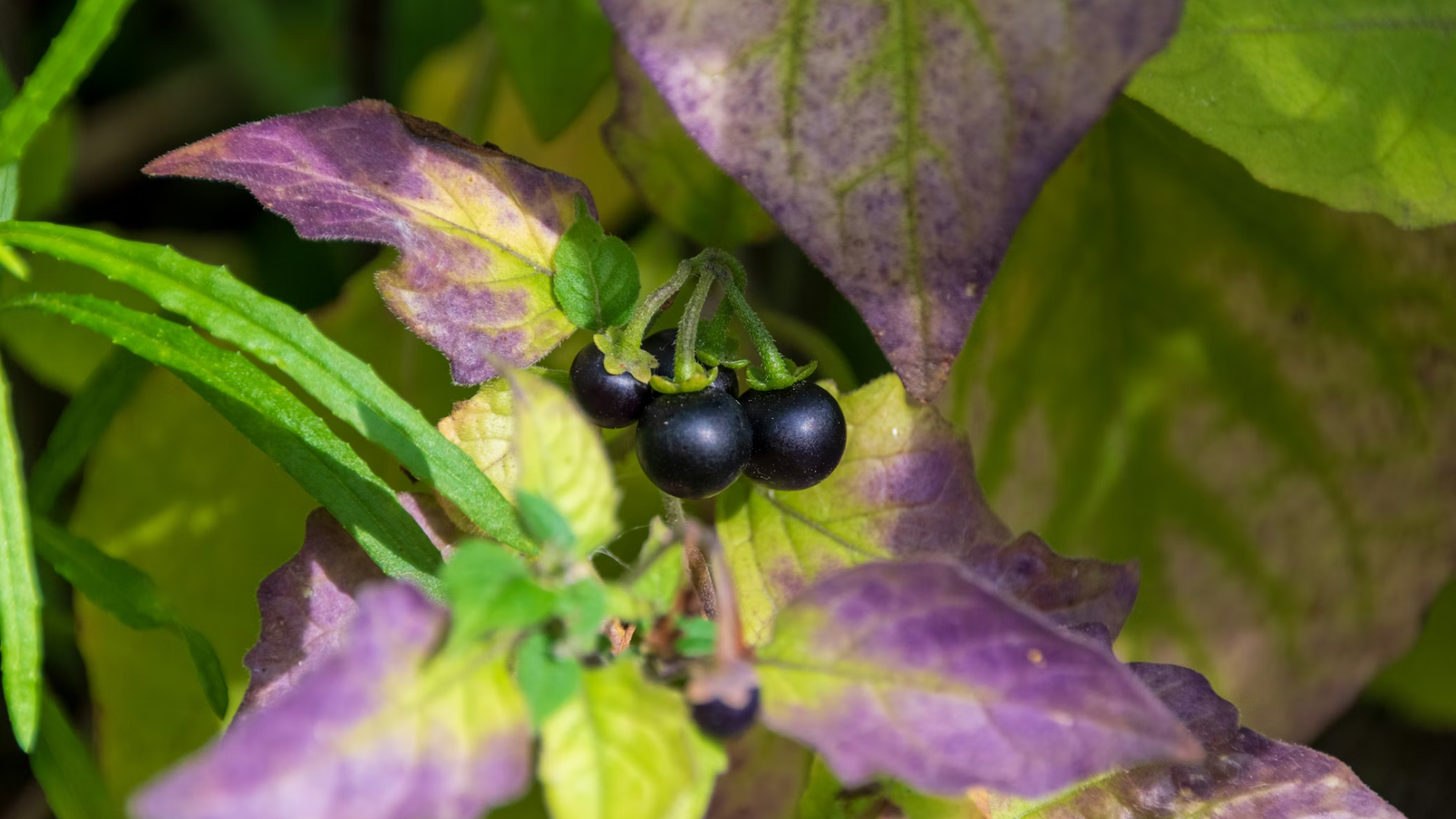
The renewed attention around the plant comes from a growing online conversation among foragers and sustainability enthusiasts. In one discussion, a forager explained that their freezer was “packed” with berries harvested from black nightshade plants. According to experienced gatherers, the berries, once fully ripe and dark, can be used in jams, smoothies, and other recipes, sometimes even compared to blueberries when sweetened properly.
Why Most People Think the Plant Is Dangerous
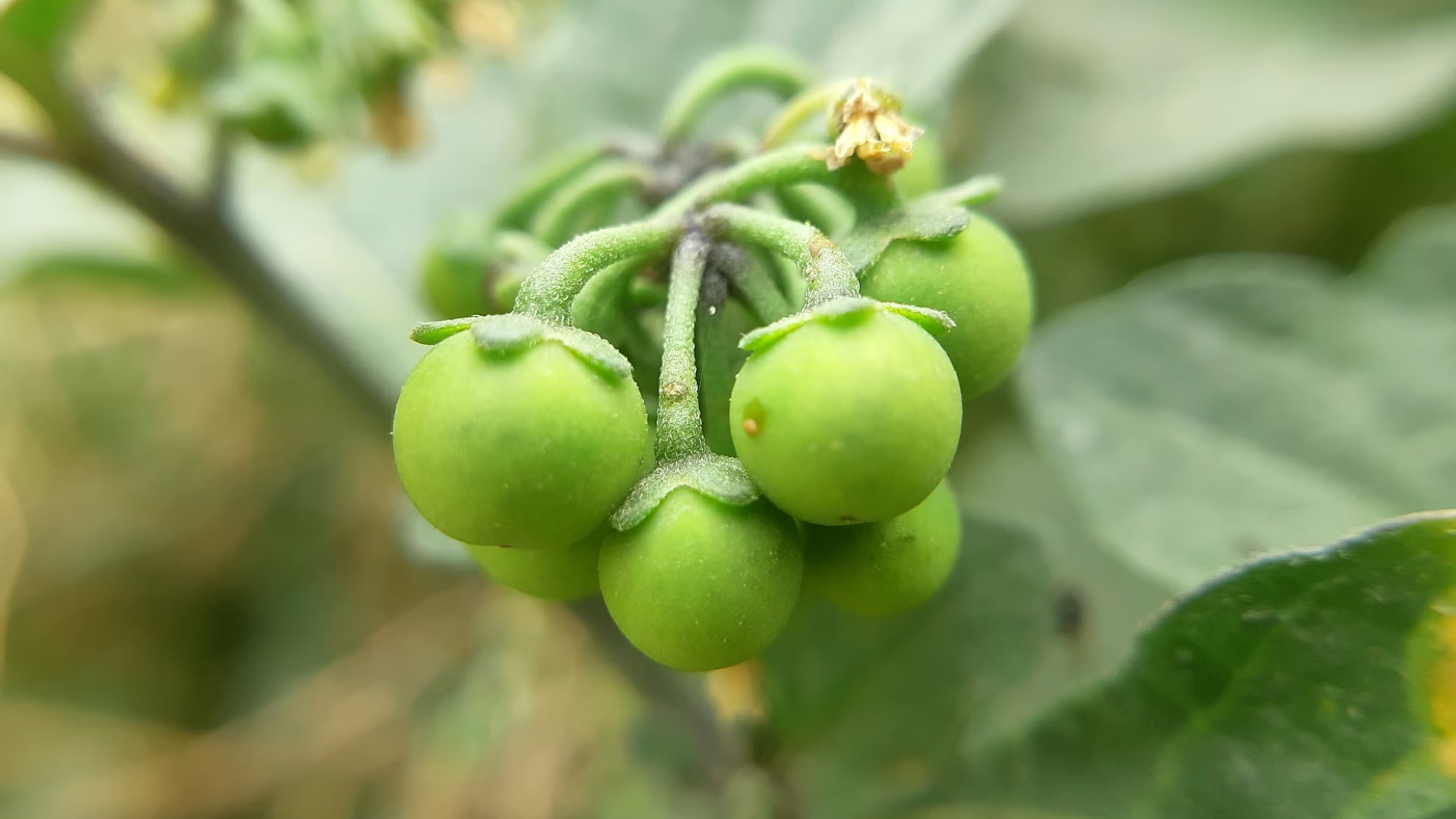
The fear surrounding black nightshade comes from the plant’s natural chemical compounds. Like many members of the nightshade family, the plant contains solanine, a toxin that can be harmful if consumed in high amounts. Unripe berries, especially green ones, contain higher concentrations of this compound and can cause nausea, digestive distress, and other symptoms if eaten.
Because of this toxicity risk, experts warn that proper identification is absolutely critical before attempting to eat any wild plant. Black nightshade has several lookalike relatives, some of which are significantly more poisonous. Without experience in plant identification, it can be difficult for beginners to safely distinguish edible berries from dangerous species.
Foragers emphasize that only fully ripe black berries should ever be considered for consumption. Even then, many experts advise caution and recommend researching the plant thoroughly before harvesting. People with allergies or sensitivities to other nightshade plants may also want to avoid it altogether, highlighting the importance of careful research before trying any wild foods.
Why Some Foragers Are Collecting It in Large Quantities
Despite its controversial reputation, black nightshade has gained popularity among some foragers who see it as a practical and sustainable food source. Because the plant spreads easily and grows in many environments, it can produce large quantities of berries with little effort. Harvesting these plants can even help control invasive growth in certain areas while providing a supply of wild food.
Foragers also point out the economic benefit. Fresh berries such as blueberries or blackberries can be expensive at grocery stores, especially outside peak seasons. Wild plants like black nightshade offer an alternative for people interested in harvesting their own food locally, reducing reliance on store-bought produce shipped long distances.
Still, experienced foragers stress that wild harvesting should be done responsibly. Sustainable foraging means correctly identifying plants, harvesting only safe quantities, and respecting local ecosystems. The practice has grown in popularity in recent years as more people look for ways to connect with nature and explore alternative food sources.
Dangerous of Nightshade Berries
The story of black nightshade highlights how plants once considered dangerous or unwanted can sometimes have surprising uses. While the plant has long been associated with toxicity, experienced foragers say it can be edible under specific conditions when harvested correctly and prepared safely. However, experts continue to stress that proper knowledge and identification are essential before consuming any wild plant.
Foraging itself has become an increasingly popular hobby, especially among people interested in sustainability, local food systems, and reducing food waste. Plants that grow freely in fields, roadsides, and gardens can provide unexpected ingredients for cooking, jams, and other recipes. But experts emphasize that responsible harvesting practices should always come first.
As interest in wild foods continues to grow, plants like Black Nightshade remain both fascinating and controversial. For some people it’s a weed to remove, while for others it’s a surprisingly useful wild berry. Either way, the plant serves as a reminder that nature often holds unexpected food sources, if you know where to look and how to use them safely.