Pepsi Launches Prebiotic Soda Nationwide But Health Experts Urge Caution


Gut health has steadily evolved from niche wellness talk to supermarket staple, and now one of the world’s biggest beverage companies wants in. PepsiCo has officially launched Pepsi Prebiotic Cola nationwide, signaling that the fizzy fiber trend has moved firmly into the mainstream.
The new drink contains five grams of cane sugar, 30 calories, and three grams of prebiotic fiber per 12 ounce can. It is available in Original Cola and Cherry Vanilla, giving fans a familiar flavor profile with a functional twist. Retailers across the country, along with online platforms, are now stocking the product.
Pepsi’s move places it alongside established gut-focused soda brands such as Poppi, Olipop, Bloom, and Culture Pop Soda. Rival Coca-Cola has also joined the category with Simply Pop, underscoring how competitive the fiber-fortified soda space has become.
What Exactly Makes a Soda “Prebiotic”?
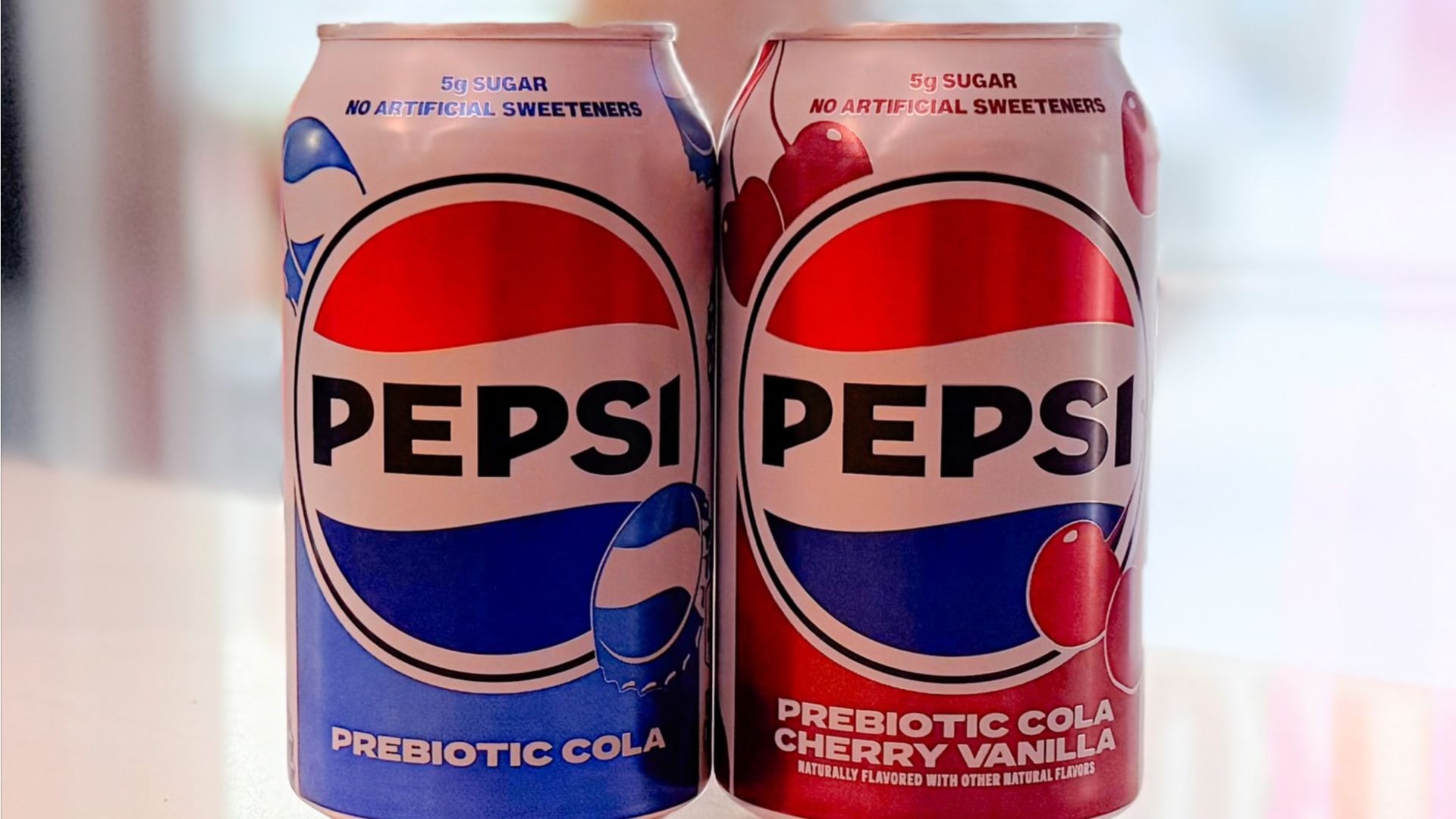
At its core, a prebiotic soda is a beverage infused with dietary fibers known as prebiotics. Unlike nutrients your body directly digests, prebiotics pass through the digestive system intact, serving instead as nourishment for beneficial gut bacteria. Health experts at the Cleveland Clinic describe them as fuel for the microbiome rather than fuel for you.
Most prebiotic sodas rely on inulin, a plant based fiber naturally present in fruits, vegetables, and grains. Commercial formulas often source inulin from agave or chicory root, ingredients that blend easily into sweetened beverages without altering flavor too dramatically.
The category began gaining serious traction around 2018, when Olipop and Poppi entered the market, the latter boosted by a high profile appearance on Shark Tank. Since then, fiber-laced fizz has transformed from curiosity to cultural mainstay.
Are Prebiotic Sodas Actually Healthy?
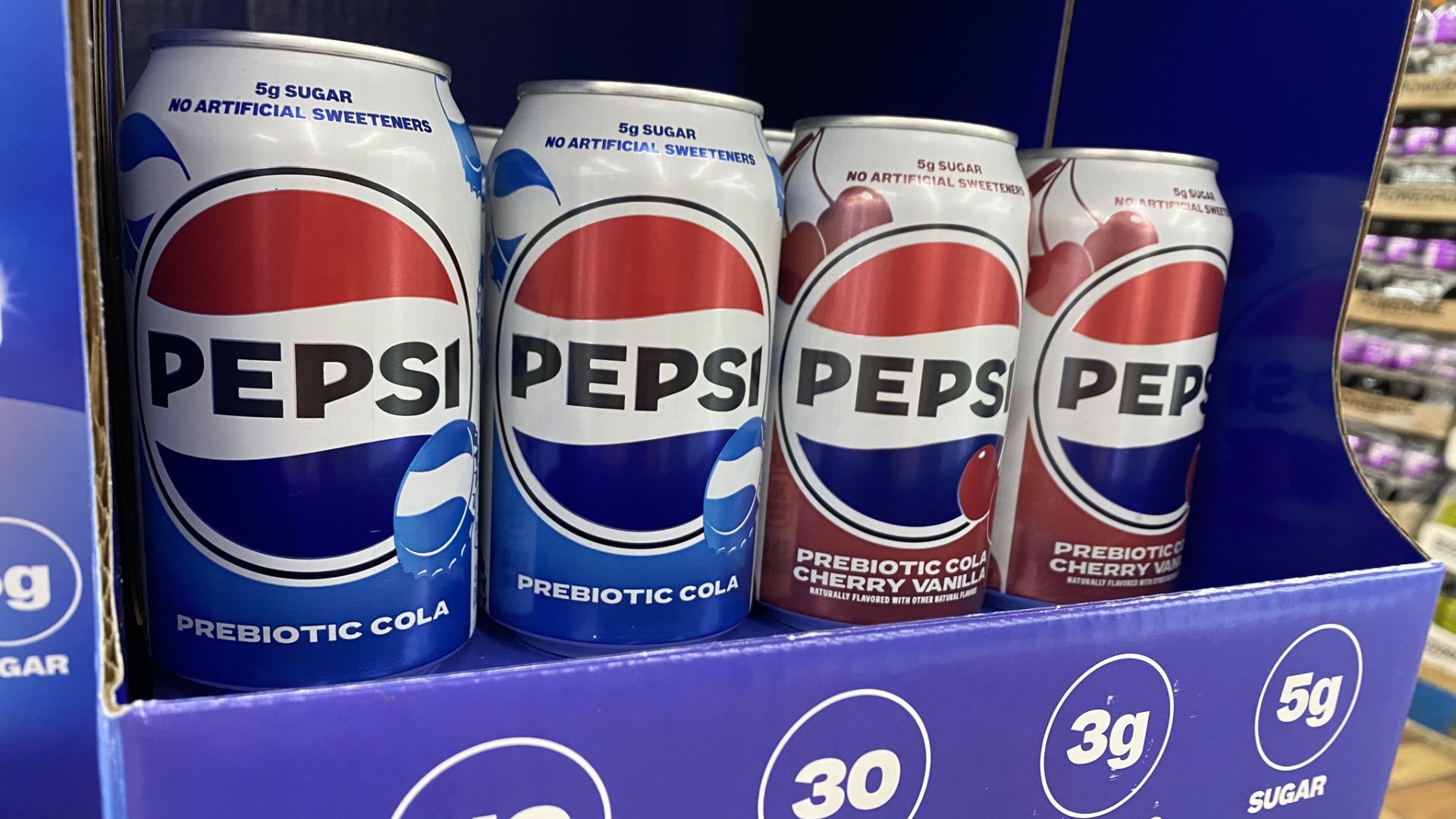
The answer depends on who you ask and how much you drink. The U.S. Food and Drug Administration recommends adults consume roughly 28 grams of fiber daily. Most prebiotic sodas deliver between two and nine grams per can, meaning they can contribute to daily intake but are unlikely to fulfill it on their own.
Research has shown promise. A 2019 study in the American Journal of Clinical Nutrition suggested that inulin rich foods may support beneficial gut microbes, promote fullness, and potentially curb cravings for sugary or fatty foods. Another 2018 study published in Science found links between gut bacteria composition and type 2 diabetes risk, though soda alone is not a preventive strategy.
Skepticism remains. In 2024, a consumer filed a class action lawsuit against Poppi, alleging the fiber content per can was insufficient to meaningfully alter gut health. Dietitians caution that while these drinks are often healthier than traditional sugary sodas, the long term effects and ideal prebiotic dosage remain under study.
Side Effects and the Prebiotic Versus Probiotic Debate

Fiber is beneficial, but more is not always better. According to guidance from the Cleveland Clinic, a sudden increase in fiber intake can cause bloating, gas, diarrhea, or abdominal discomfort, particularly for individuals who previously consumed low-fiber diets.
Those with digestive conditions such as irritable bowel syndrome or inflammatory bowel disease may experience heightened sensitivity. For them, even modest amounts of added inulin could trigger symptoms, making moderation essential.
It is also worth clarifying terminology. Prebiotics feed the bacteria already living in your gut, while probiotics are live microorganisms that contribute directly to digestive balance. Foods like apples, oats, and garlic naturally contain prebiotics, while yogurt, kefir, and sauerkraut provide probiotics. Pepsi’s new cola belongs firmly in the first camp, offering fiber for your microbiome, not microbes themselves.

