PepsiCo to Cut Prices on Cheetos, Doritos, and More Following Consumer Backlash
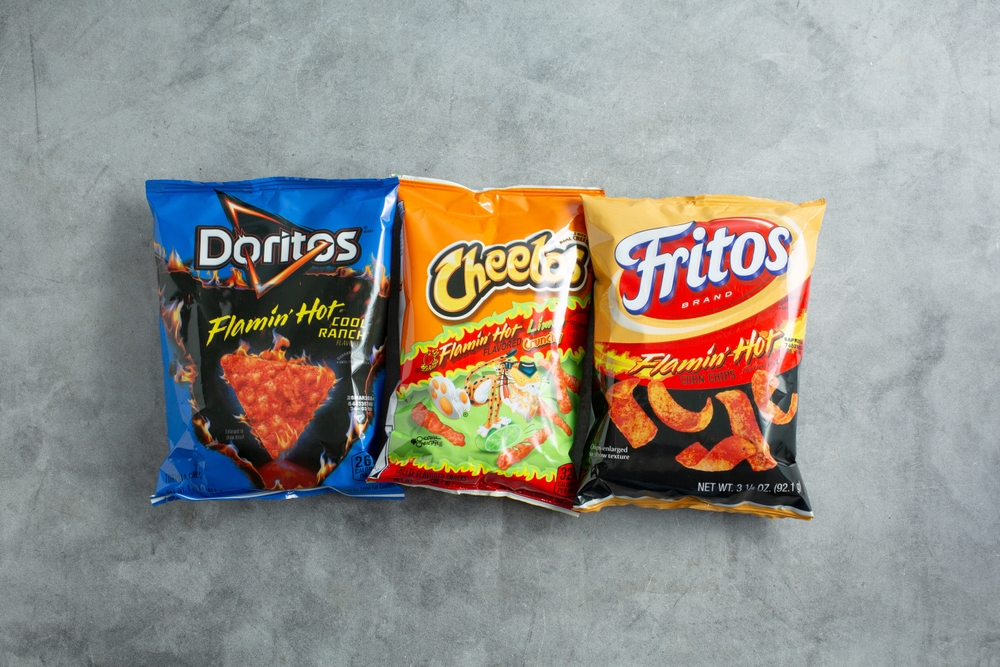

After years of rising grocery bills, one of the biggest snack makers in the world is finally moving in the opposite direction. PepsiCo has announced it will cut the suggested retail price of some of its most popular snacks, including Lay’s, Doritos, Cheetos and Tostitos, by up to nearly 15%.
The decision comes after months of complaints from shoppers who said even small indulgences like chips had started to feel like a luxury. PepsiCo Foods U.S. CEO Rachel Ferdinando said the company has “spent the past year listening closely to consumers” who told them they’re feeling the strain of higher everyday costs.
Rather than a limited promotion, PepsiCo is framing the move as a meaningful reset of how much these snacks should cost. Ferdinando said lowering the suggested price is meant to “help reduce the pressure where we can,” and to ensure people don’t have to choose between “great taste and staying within their budget.”
What PepsiCo is Changing on Store Shelves
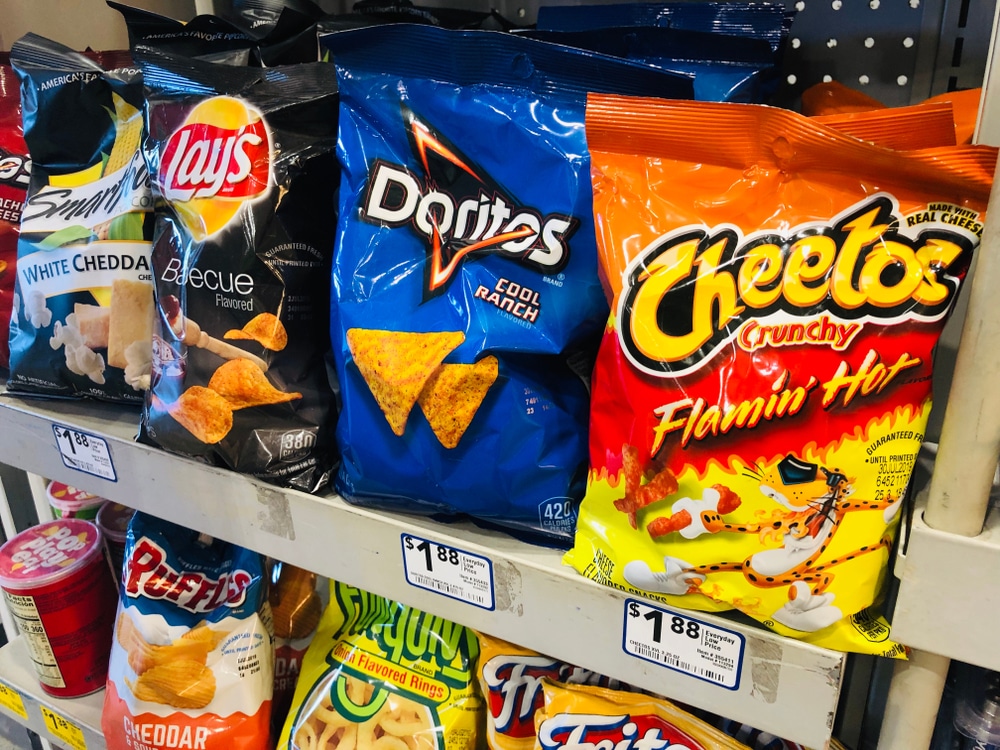
The new prices apply to a wide range of core brands, including classic Lay’s potato chips, Doritos tortilla chips, Cheetos, Tostitos, and other top sellers in PepsiCo’s snack portfolio. According to CNN Business, the cuts will be up to roughly 15% off previous suggested retail prices, with the changes beginning to roll out across the U.S. this week.
PepsiCo says the snacks themselves aren’t shrinking: bag sizes and recipes are staying the same, while updated packaging will call out the new lower prices. That’s a notable shift in a market where “shrinkflation”—quietly reducing package size rather than price—has become common.
Because retailers ultimately set the prices on shelves, what shoppers actually pay will still vary by store and region. PepsiCo notes that some grocers may pass through even bigger discounts, while others could move more slowly. Still, the company is betting that clearly labeled lower suggested prices will be enough to nudge baskets and brand loyalty back in its direction.
Why PepsiCo is Backing Off Higher Snack Prices
PepsiCo’s move comes after a long stretch in which food companies steadily raised prices, even as headline inflation began to cool. Government data cited by Fox Business shows grocery prices were still up about 2.4% year over year at the end of 2025, on top of sharp increases since the pandemic. At the same time, more shoppers have been switching to cheaper store brands and discount chains.
Ferdinando said the company has been “flooded” with messages from customers complaining that their favorite snacks had simply become too expensive. In a corporate statement ahead of the Super Bowl, she said the cuts are a direct response to that backlash: “Message received,” she said, adding that lowering prices is “one step – an important one – in our commitment to deliver for consumers.”
Business pressures played a role too. CNN Business reports that PepsiCo’s North American snack volume fell about 1% in recent quarters, even as revenue rose on higher prices, suggesting some households were buying fewer bags. The company has also been working with activist investor Elliott Management, which built a multibillion-dollar stake and pushed for changes to improve performance. In its earnings release, PepsiCo said tests of the lower prices boosted “purchase frequency” and were met with strong consumer enthusiasm.
What This Means for Shoppers and the Snack Aisle
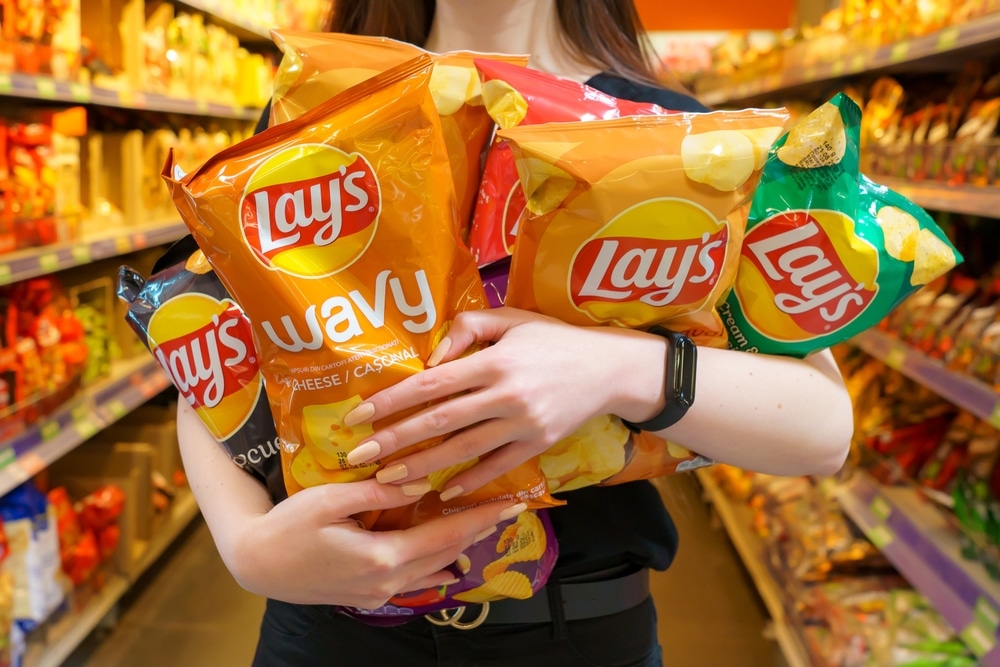
For shoppers, the most immediate impact should be slightly cheaper name-brand chips, especially as households stock up for big snacking moments like the Super Bowl and other winter gatherings. PepsiCo is positioning the move as a way to bring “a little relief — and a lot of joy” back to everyday snacking without asking people to trade down to private labels.
Over the longer term, the change could signal a new phase in the post-inflation food landscape. If PepsiCo’s lower prices succeed in lifting volumes and winning back customers, rival snack makers may feel pressure to follow suit rather than risk losing share to a better-value competitor with strong brand recognition. That would mark a notable shift from the recent “price over volume” strategy many packaged-goods companies have relied on.
At the same time, PepsiCo is pairing the cuts with product innovation, rolling out things like higher-protein Doritos, fiber-rich popcorn, and chips cooked with avocado or olive oil to appeal to changing tastes. For now, though, the message is simple: the company has heard the frustration over $6 and $7 bags of chips. Whether this reset is temporary or becomes the new normal will depend on how shoppers respond—bag by bag.