Peptide Drugs Popular With Wellness Influencers Just Got a Boost From an FDA Panel


Wellness influencers and celebrities have been injecting peptides for years, chasing promises of faster recovery, sharper energy and a longer life. Now a federal advisory panel has moved to make that access official, voting narrowly to ease restrictions on several of these compounds despite pointed warnings from the FDA’s own scientists that the safety evidence behind most of them remains thin.
A Different Kind of Advisory Panel Sat at the Table

The Pharmacy Compounding Advisory Committee that met last week looked notably different from past FDA advisory groups, which have typically been staffed mainly by academics and researchers rather than industry professionals. More than half a dozen doctors, pharmacists, and consultants with ties to the peptide industry were added to the roster ahead of the meeting. And the panel’s votes on easing access were tight.
Kennedy Has Called Himself a Big Fan of Peptides
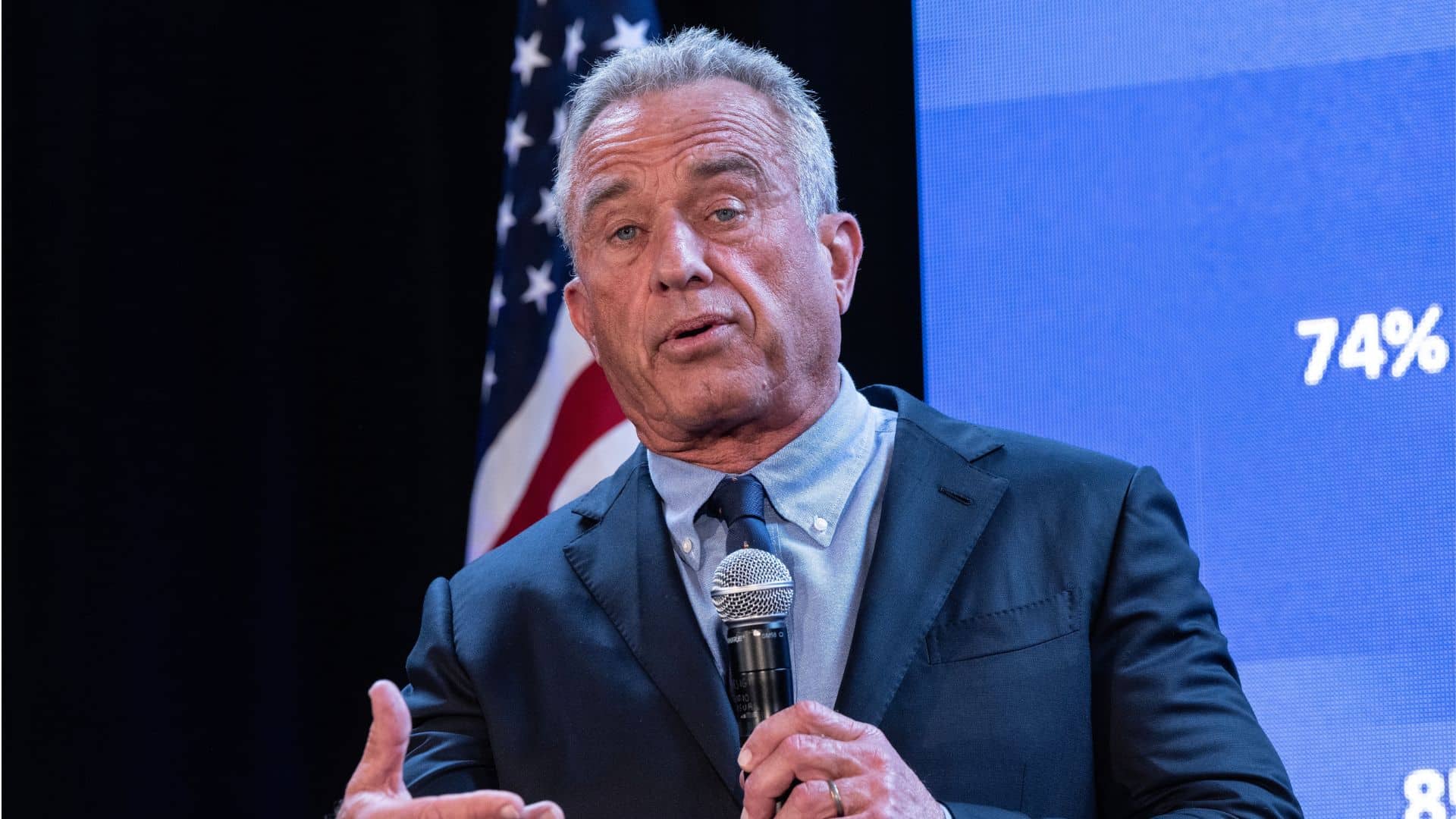
Health Secretary Robert F. Kennedy Jr. has called himself “a big fan” of peptides and said he uses them personally. In 2023, the FDA placed two of the peptides under review, BPC-157 and TB-500, on a list of substances considered too risky for pharmacy compounding. Kennedy removed both from that list earlier this year, a move that set the stage for the panel’s vote.
Six of Seven Peptides Cleared the Committee

Over two days, the committee reviewed seven peptides nominated for the FDA’s 503A Bulks List, which governs what compounding pharmacies may prepare for patients with a prescription. BPC-157, KPV, TB-500, MOTS-c, Semax, and epitalon each cleared by a slim margin, with votes ranging from 7-4 to 8-6. Only one peptide, emideltide, marketed for sleep and opioid withdrawal, failed to gain majority support.
Academic Voices Pushed Back on the Science

Panelists with academic backgrounds were among those most likely to vote no. Dr. Elizabeth Rebello of the University of Texas MD Anderson Cancer Center said she worried the committee was “responding to a market-induced demand rather than a decision based in solid science.” FDA staff scientists echoed that concern, reporting that existing studies on peptides like BPC-157 involved small sample sizes and short durations.
Supporters Called It a Matter of Patient Choice
Supporters framed the vote as a matter of patient choice. David Pope, chief pharmacy officer at Xifin Pharmacy Solutions, said he backed the change because it was “time to put this decision back in the hands of the patient, the physician and the pharmacist.” Others argued that regulated pharmacies offer a safer alternative to the unregulated products many consumers already buy online from overseas.
What Peptides Actually Do Inside the Body
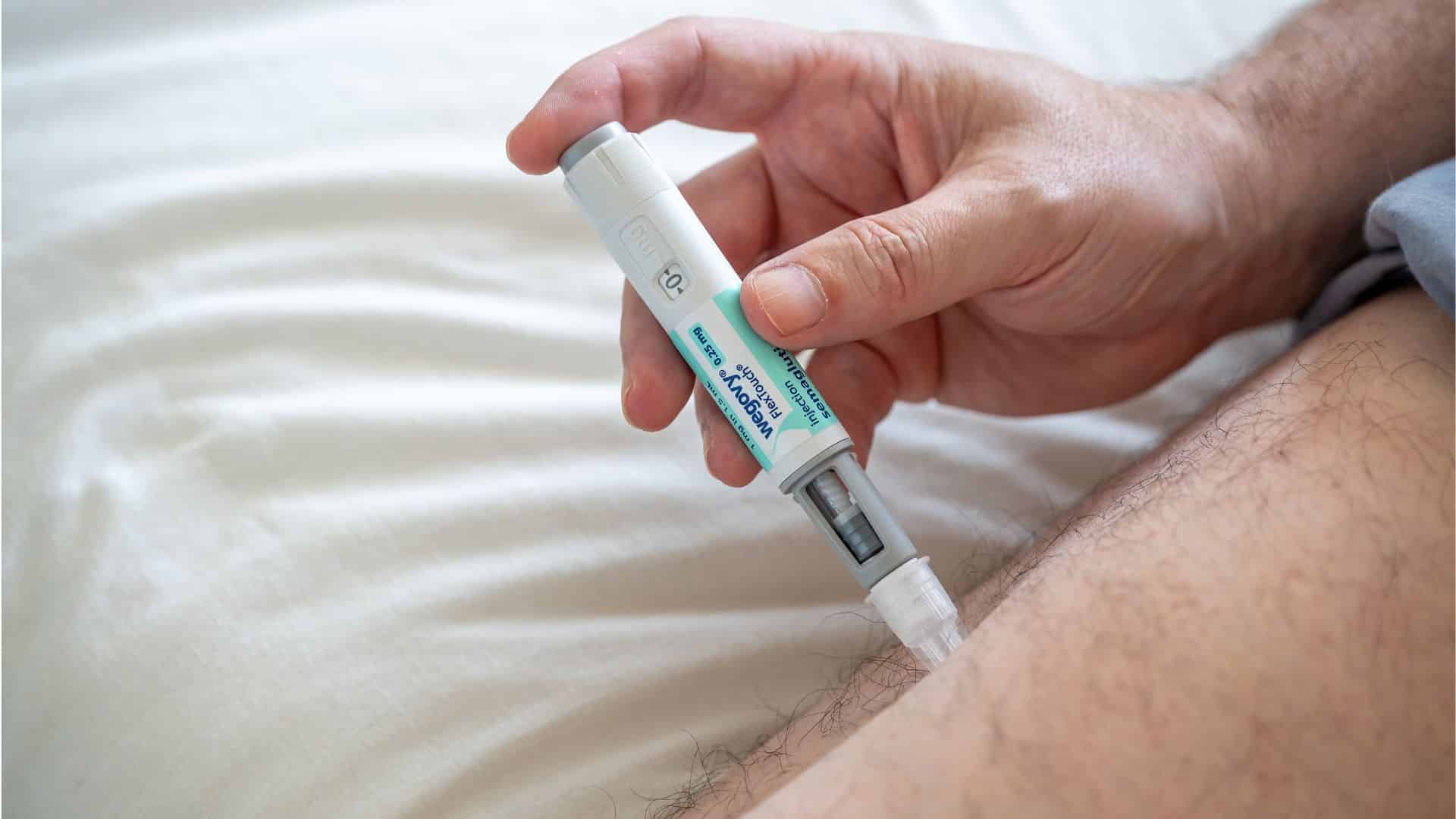
Peptides are short chains of amino acids that trigger hormones involved in growth, metabolism and healing. A few have become mainstream medications, including insulin and GLP-1 drugs such as Ozempic and Wegovy. But the peptides under review, most of them given by injection, are unapproved, proposed for uses ranging from ulcerative colitis and wound healing to insomnia, osteoporosis and opioid withdrawal, with far less clinical trial data behind them.
A Legal Pathway Through Licensed Pharmacies

Legal experts say the committee’s approval would create a lawful path for compounding pharmacies to prepare these peptides for patients with a prescription, something not currently guaranteed. Attorney Jesse Dresser of Frier Levitt said the change would let pharmacies dispense the substances once a doctor writes an order. Critics counter that moving peptides into pharmacies risks giving the impression they are proven safe.
The FDA Still Has to Make the Final Call
The FDA will now weigh the votes, along with more than 18 hours of testimony from doctors, lawyers and peptide entrepreneurs, before deciding whether to add the substances to its compounding list. Attorney Nathan Beaver said the process will likely end where Kennedy wants it to. FDA-watchers expect a temporary policy protecting pharmacies first, since formally listing the peptides would require new regulations that could take months or years to draft.
Regulators May Look to Supplements as a Model

Down the road, retired FDA official Dr. Janet Woodcock thinks peptide oversight could end up looking like how supplements are regulated, with the agency stepping in only after harm shows up rather than demanding trials upfront. Dr. Eric Topol of Scripps Research Translational Institute isn’t as optimistic, saying earlier this year that peptide compounding looked like “a disaster in the works” given the lack of safety and efficacy data. As of this writing, the FDA’s decision is still pending.