Popeyes Returns $6 Nationwide Price Test To Capture Cost-Conscious Fast-Food Consumers


Peter Perdue, the recently appointed president of Popeyes Louisiana Kitchen, stepped up to the executive podium to combat a historic multi-quarter contraction threatening the fried chicken titan. His corporate directive signaled a high stakes operational retreat as industry wide price increases pushed working class families to cut back on restaurant visits. The national strategy aims to pull retreating shoppers back into the restaurant ecosystem, balancing franchise profit margins against the severe erosion of customer traffic.
Corporate analysts at Nation’s Restaurant News and retail trackers at Delish documented that this targeted discount represents a tactical return to the chain’s heritage value portfolio. Executives admitted that previous, complex premium item launches over the past fiscal year failed to secure steady consumer loyalty, effectively alienating the everyday consumer base. The current initiative shifts promotional resources back to established legacy items, aiming to reverse a steep slump in transaction volume that troubled corporate shareholders.
The financial pivot centers on resurrected nationwide access to the classic six dollar Big Box meal, an aggressive undercutting mechanism designed to combat restaurant inflation. Six dollars represents a smaller financial sum than the average cost of single premium sides purchased independently at major metropolitan quick service storefronts. The promotion packages multiple core components, offering cash strapped parents a direct alternative to cooking expensive groceries at home, where rising utilities squeeze monthly utility budgets.
When Operational Slumps Force Executive Retrenchment
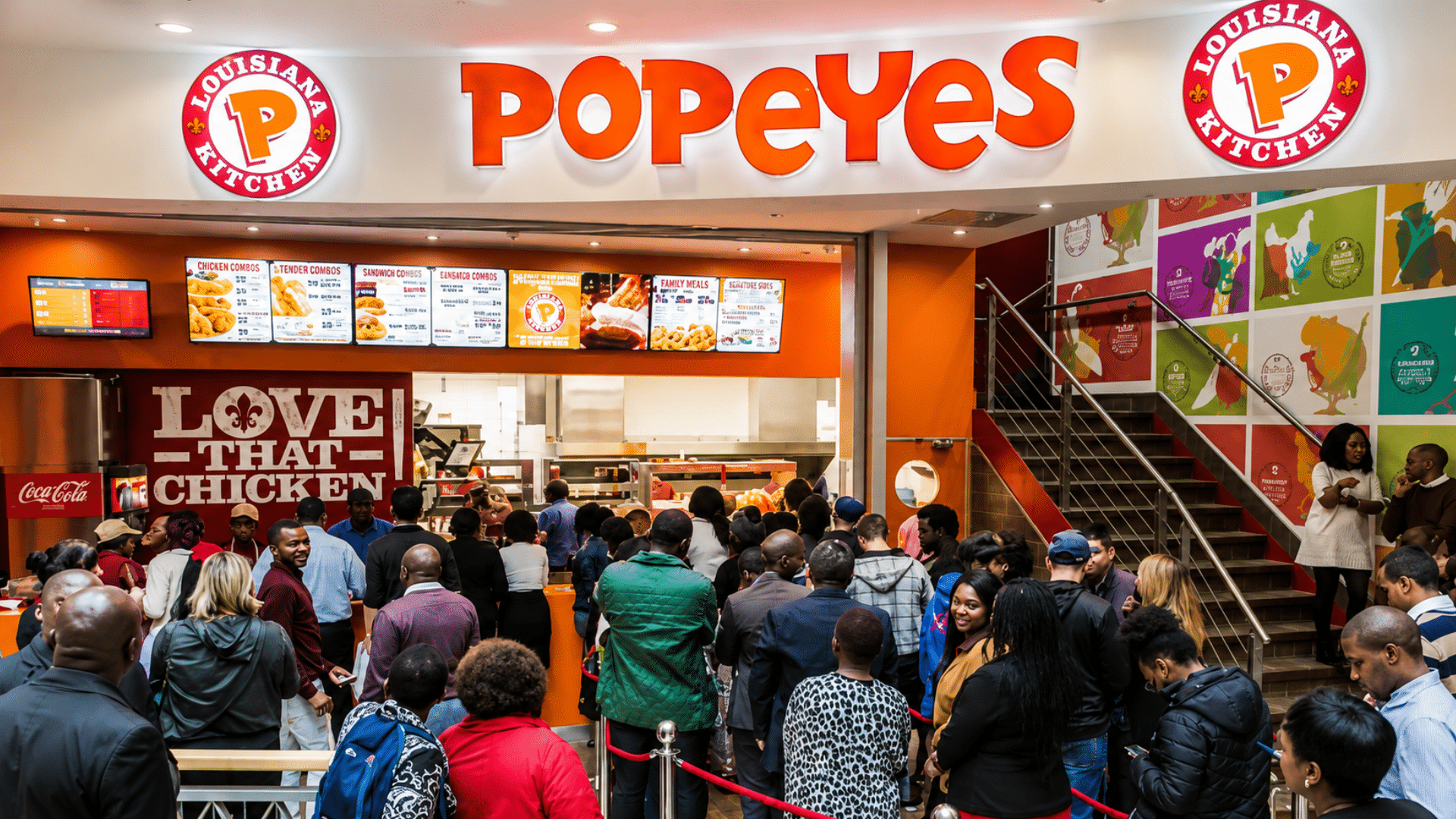
Quick service restaurant mechanics tracked by Restaurant Dive illustrate that deep discounting strategies buy immediate location foot traffic rather than sustained multi-year brand loyalty. Corporate balance sheets show that fifteen out of eighteen major fast food brands witnessed measurable drops in consumer retention rates over a rolling twenty-four month timeline. This aggressive six dollar baseline directly challenges competing value meals, altering profit margins per transaction to stabilize the overall frequency of consumer visits.
Franchisee leadership groups expressed immediate operational pushback, stating through corporate channels that narrowing unit margins place immense strain on localized independent restaurant operators. Official corporate releases from parent companies counter that this value shift has successfully generated sequential revenue improvements across testing markets since early summer initialization. Executive teams maintain that the standard menu items must remain accessible to low income households to prevent long-term brand abandonment across regional markets.
The physical consequence of this corporate policy forces local restaurant workers to handle higher transaction volumes under strict kitchen production windows. Storefronts must process significantly more chicken volume per hour, a logistical acceleration that complicates workforce scheduling and increases daily kitchen equipment wear. For an ordinary fast food worker or manager, this shift means elevated physical labor without automated wage increases, intensifying pressure on their monthly household rent payments.
How Decreasing Retention Exposes Systemic Consumer Exhaustion

Secondary industry complications manifest as widespread consumer trade down patterns, where middle income families abandon sit down dining options for cheap fast food boxes. The shift highlights severe macroeconomic exhaustion, as federal inflation metrics reveal that restaurant dining costs have outpaced normal American wage growth. This market environment creates an unstable ecosystem where consumers spread their limited discretionary budgets across multiple competing chains, searching exclusively for the lowest daily price point.
Independent tracking agencies noted that regional franchise networks are reacting by implementing automated ordering kiosks to offset the low promotional margins. These corporate modifications to store level systems are driving friction between workforce unions and restaurant management regarding long term employment security.
The structural changes ripple downward, directly influencing how long a family must wait in drive thru lanes just to secure a budget friendly dinner. “A lot of the LTOs attracted new guests that didn’t come back. It was at the expense of our core guests. We haven’t given them the service or everyday value that they deserve.”
Why the Value Wars Reshape the Quick Service Landscape
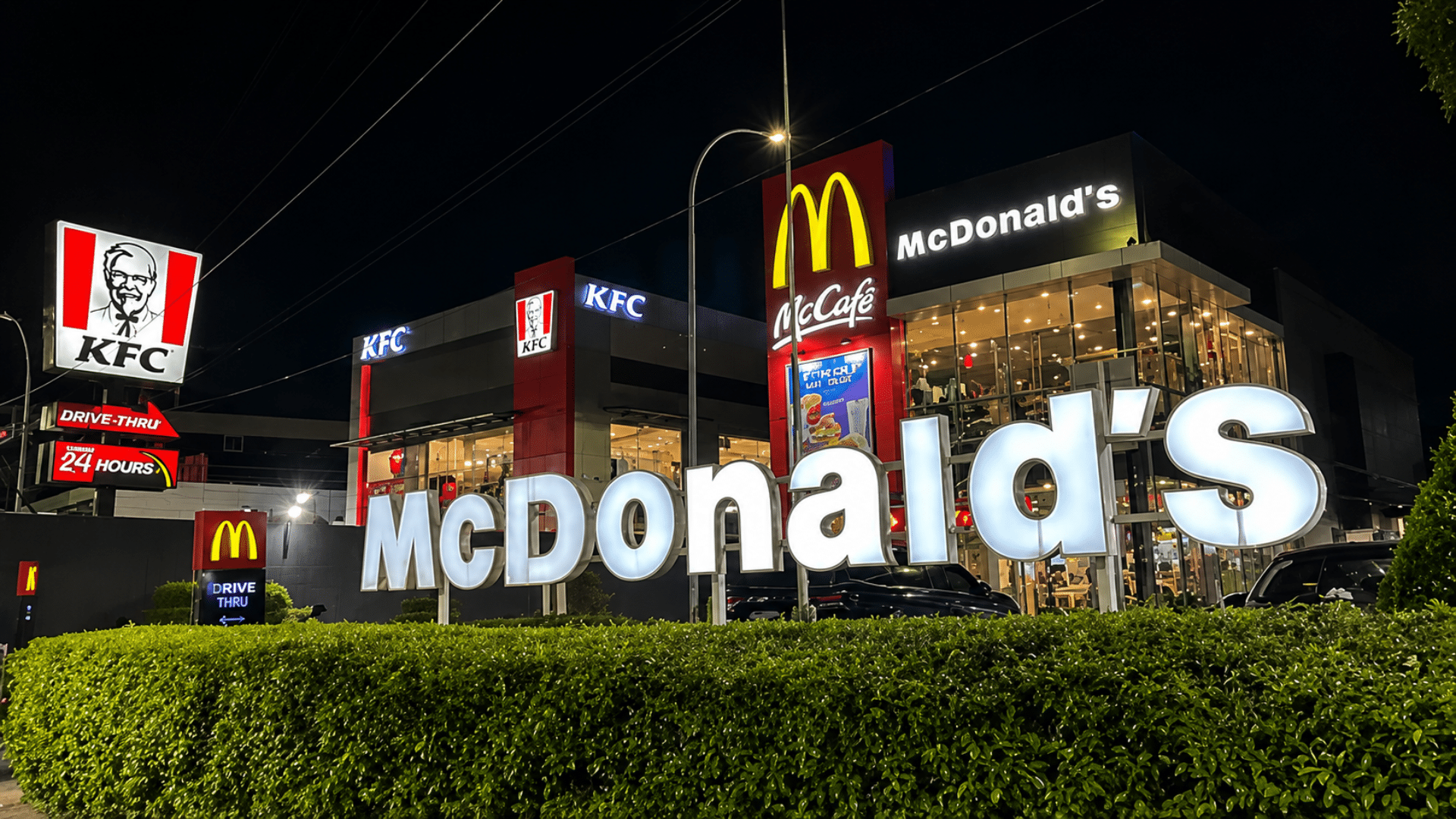
Long term systemic fallout from this pricing battle line forces the entire quick service sector into an unsustainable discounting cycle. A permanent reliance on six dollar price points threatens the financial health of larger franchise systems, leading directly to localized corporate bankruptcies. The ongoing compression of operational profit margins leaves national networks with fewer financial reserves to handle sudden supply chain disruptions or global poultry resource shortages.
Historical market patterns compiled by industry analysts demonstrate that identical promotions, like the original five dollar version from August 2014, consistently emerge during economic slowdowns. Compounding transaction data indicates that while lower prices successfully spark short term consumer interest, they fail to cure underlying structural inflation. The quick service landscape remains highly volatile, matching historical precedents where intense discount campaigns ultimately preceded significant restaurant closures and market consolidation.
The immediate relief of a cheaper family dinner provides no permanent resolution for households facing escalating costs on fundamental necessities. Families purchasing these promotional boxes still face the reality of high utility bills, expensive healthcare premiums, and rising credit card interest rates. The temporary discount at the drive thru window cannot fill the widening gap between stagnant baseline wages and the real cost of living.