Popular Cheese Brand Abandons its Iconic Packaging

Babybel is changing something consumers rarely question but always touch. The snack cheese brand has announced a transition toward recyclable paper packaging as part of a long-term sustainability strategy. While the cheese itself remains the same, the materials surrounding it are being fundamentally rethought. The move reflects growing pressure on global food brands to reduce waste without sacrificing safety or quality.
From Compostable Cellophane to Fully Recyclable Paper
Since 2020, Babybel has used bio-based, home-compostable cellophane for its outer wrap. The new shift goes further by introducing paper packaging designed to be fully recyclable in existing waste systems. According to the company, this change aligns more closely with how consumers actually dispose of packaging. It also addresses limitations in composting infrastructure across many regions.
Why Switching Materials Is More Complex Than It Sounds
Replacing plastic with paper is not a simple swap. Babybel’s parent company, Bel Group, explained that the transition required redesigning the entire protection system around the cheese. Packaging must safeguard freshness, prevent contamination, and survive transportation from factory to fridge. Each layer has to function under real-world conditions, not just sustainability goals.
Food Safety Remains the Top Priority
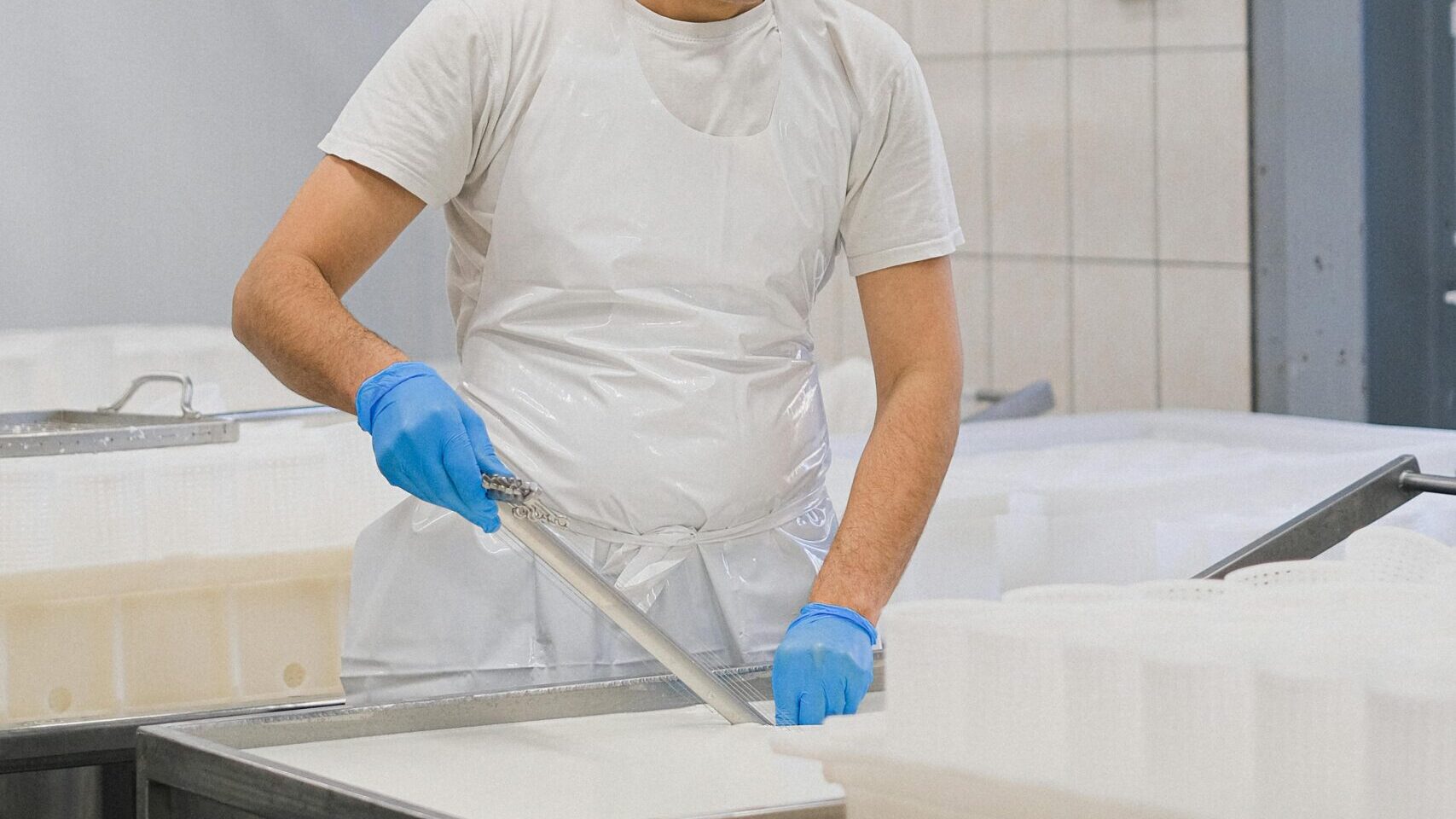
Cheese is highly sensitive to temperature, moisture, and microbial exposure. The new packaging had to meet strict standards for shelf life and food safety across global markets. Babybel emphasized that environmental improvements could not come at the expense of consumer health. Every design decision was tested against microbiological and quality benchmarks.
The Red Wax Is Staying Right Where It Is
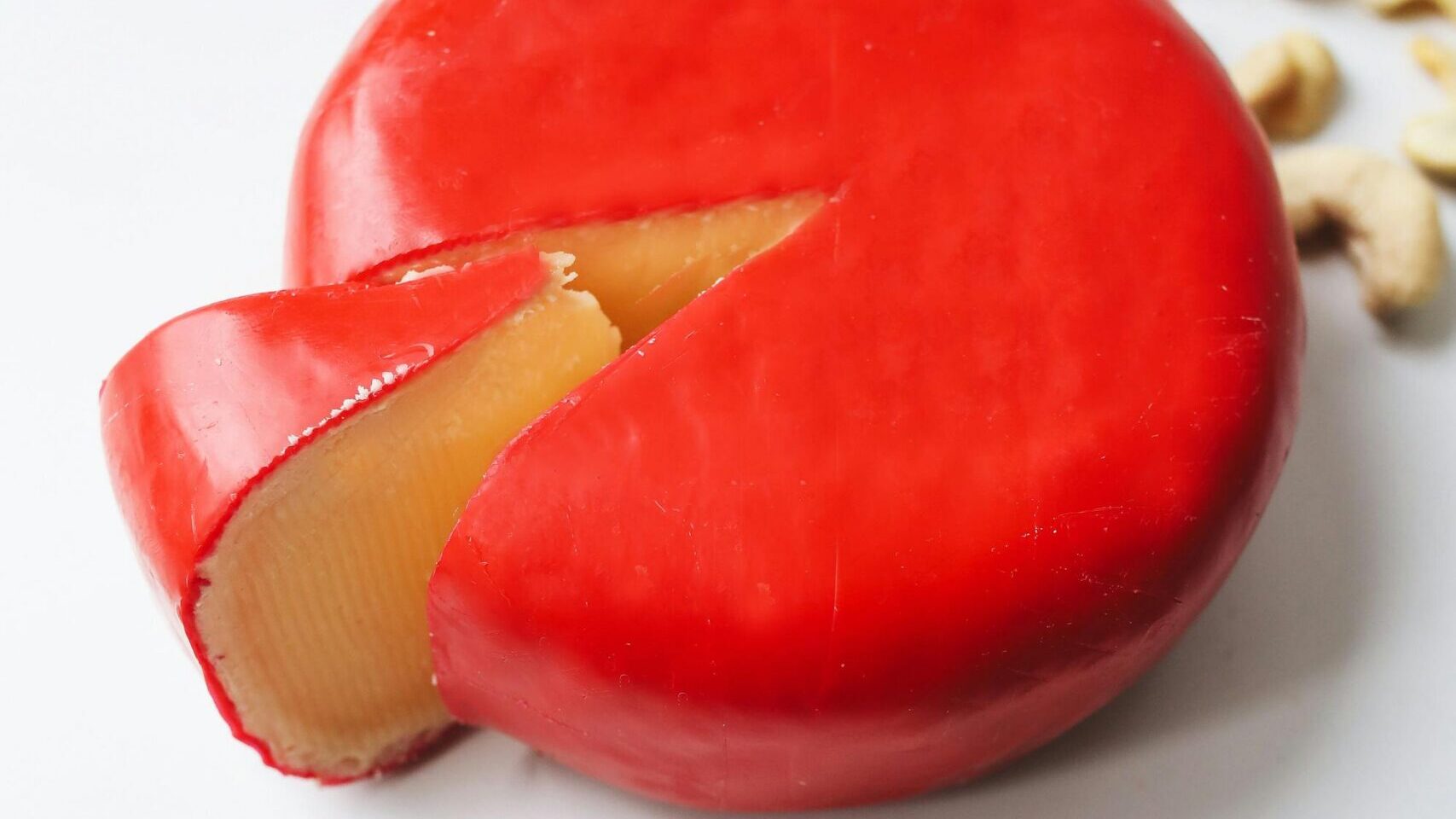
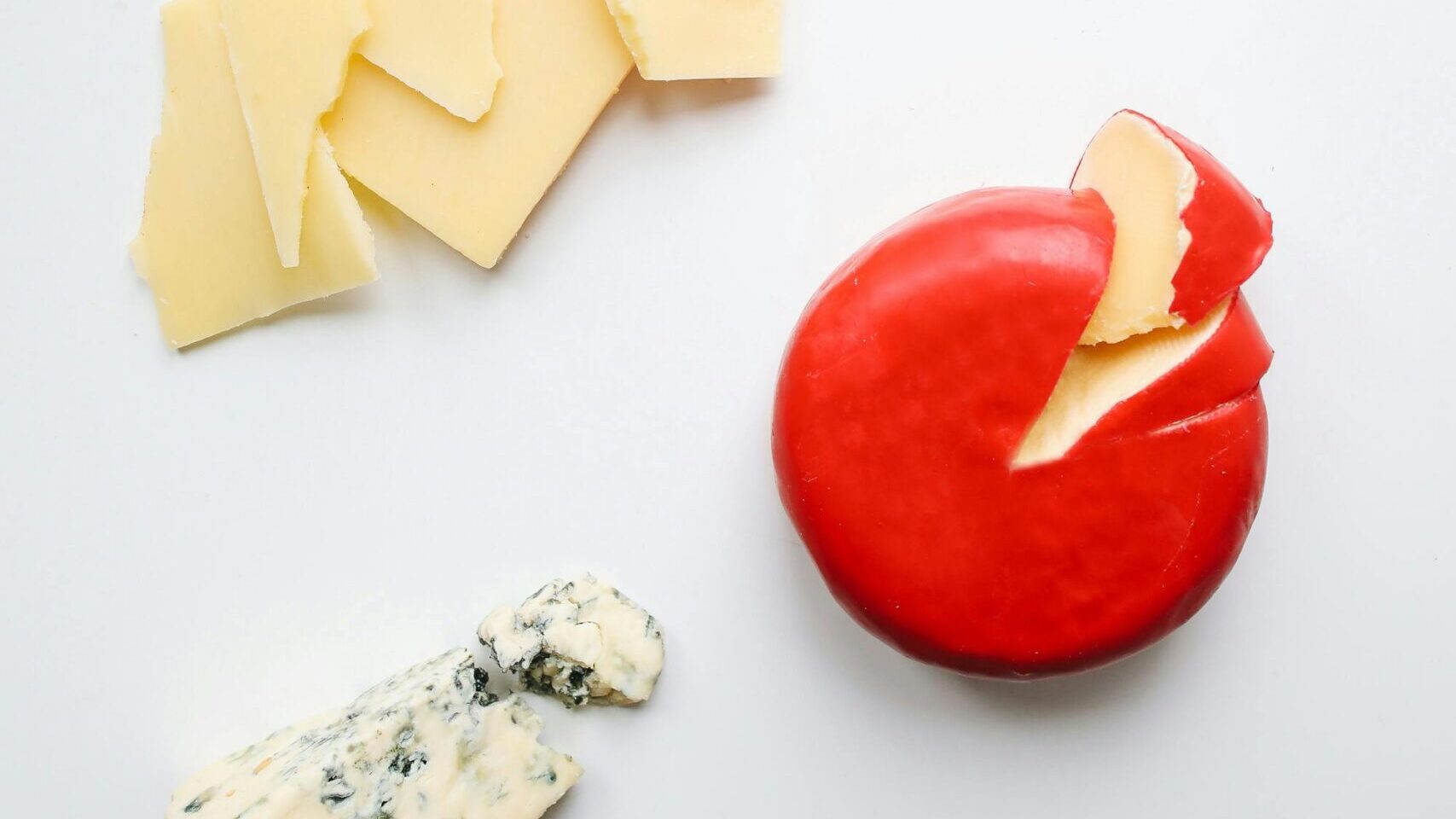
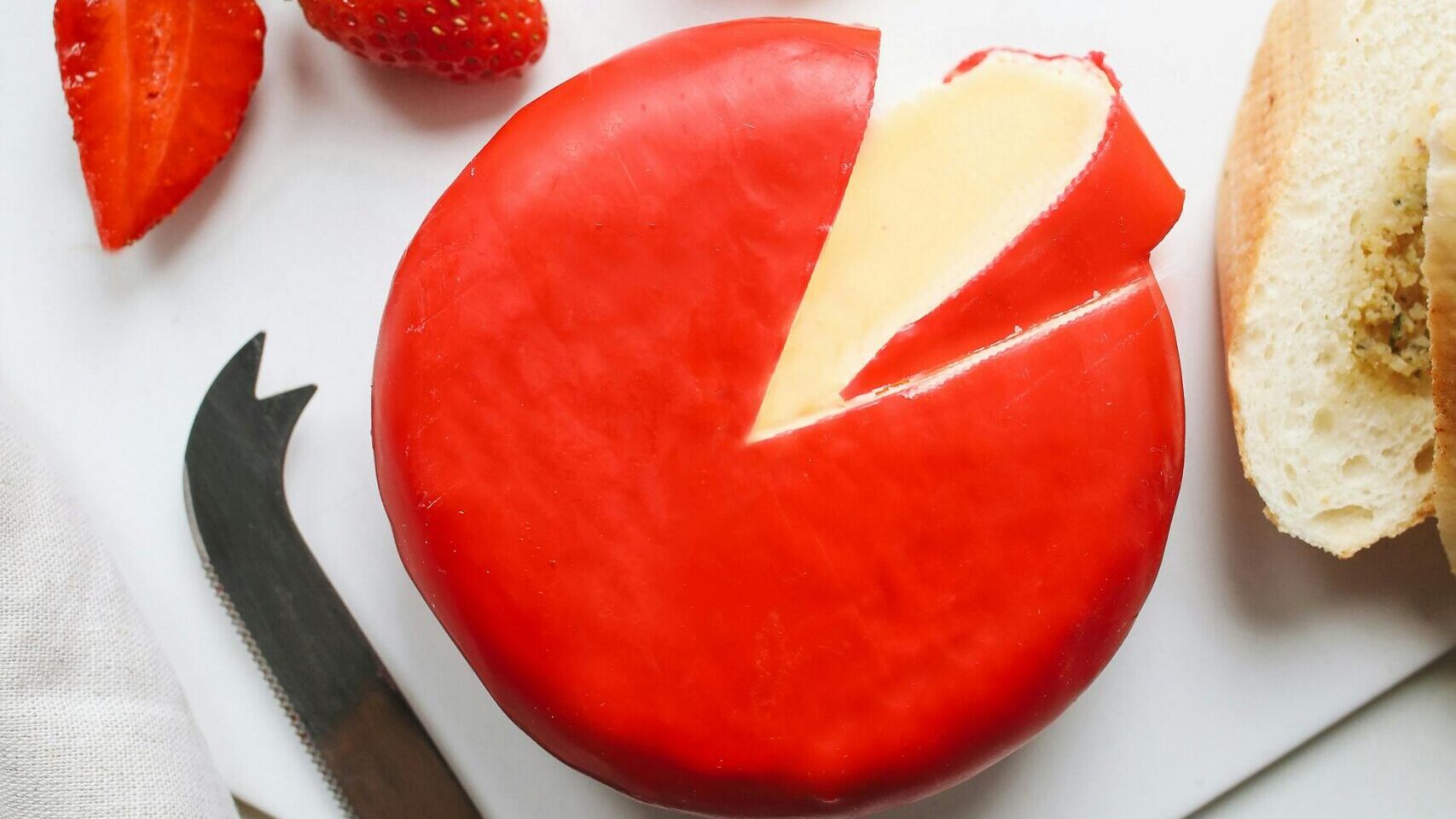
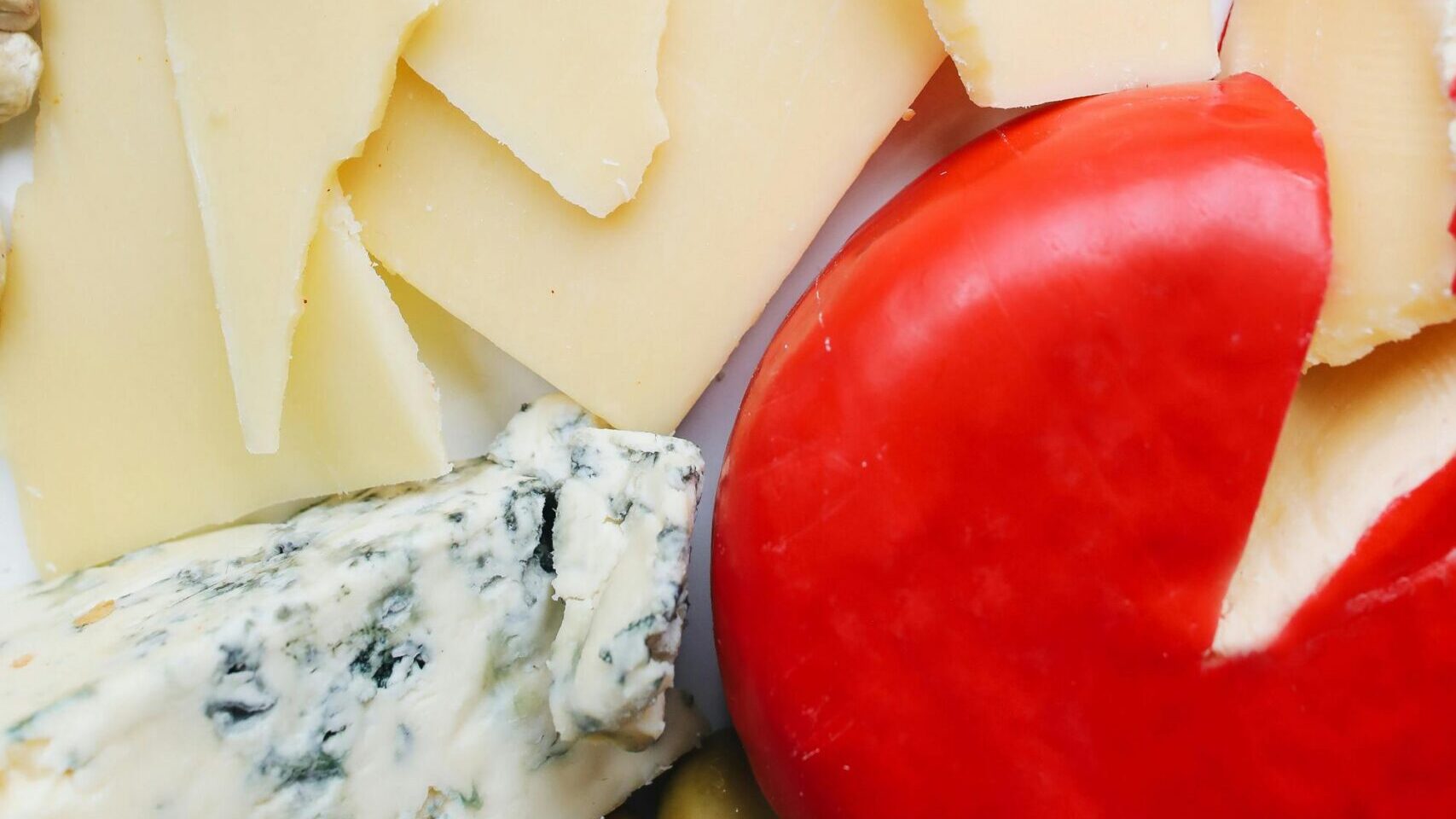
Despite the outer packaging changes, Babybel’s signature red wax will remain untouched. The company describes the wax as essential to protecting the cheese’s taste, texture, and integrity. It also plays a key role in preventing contamination. For many consumers, it is the most recognizable part of the Babybel experience.
A Small Snack With Massive Global Impact
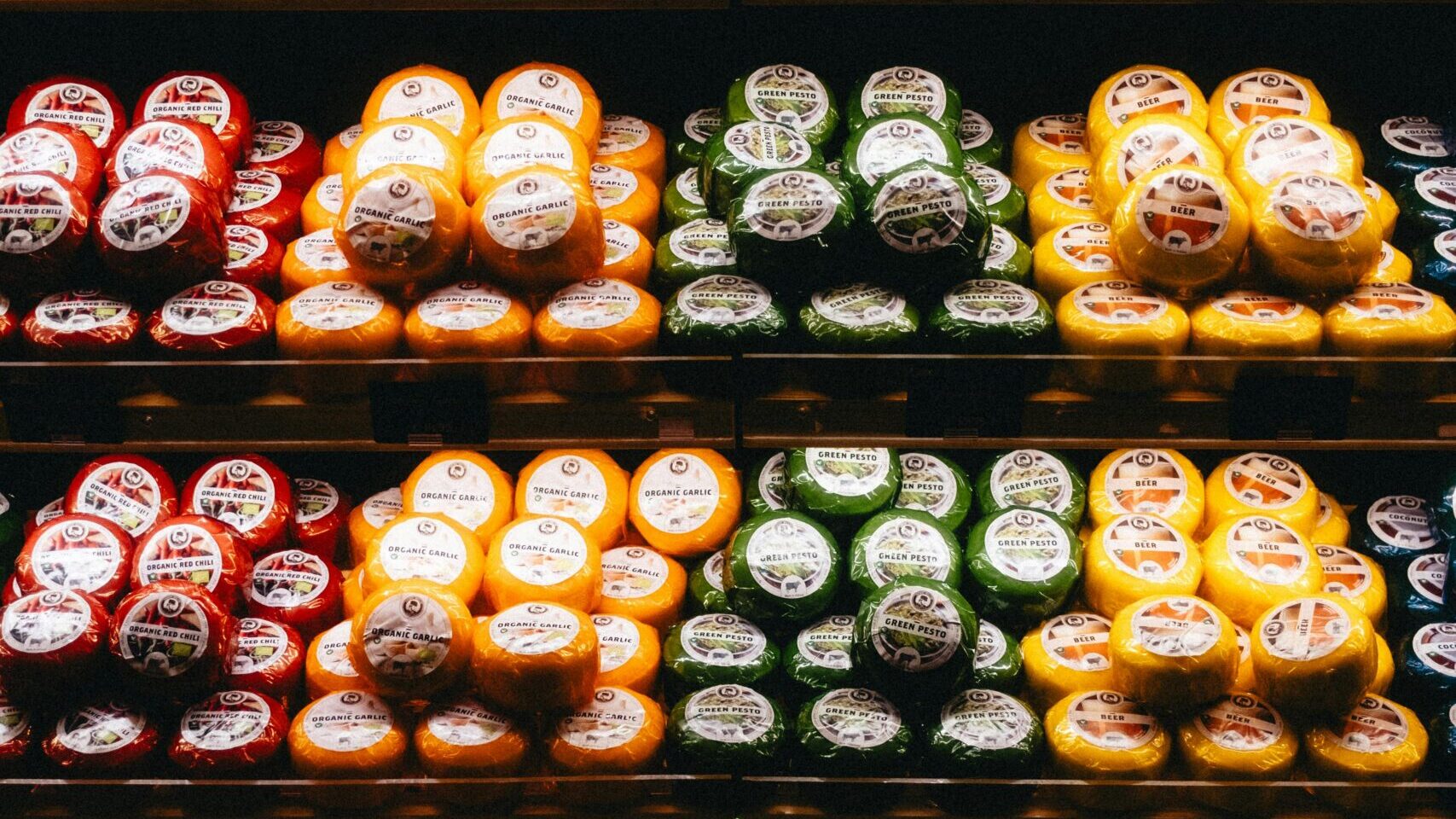
Babybel sells more than two billion individual portions every year across 50 countries. That scale means even small material changes can produce significant environmental effects. Company executives describe the packaging shift as a decisive milestone rather than a cosmetic update. The goal is to reduce waste at a global level, not just in select markets.
Balancing Sustainability With Consumer Convenience
Bel Group noted that sustainability efforts must still fit into daily consumer habits. Packaging that cannot be easily recycled often ends up in landfills regardless of intent. By focusing on widely accepted paper recycling systems, Babybel aims to close the gap between environmental promises and actual outcomes. Convenience plays a critical role in whether green initiatives succeed.
The United Kingdom Leads the Rollout
Shoppers in the United Kingdom are already seeing the new packaging on store shelves. The region serves as an early testing ground for consumer response and logistical performance. Feedback from this rollout will help guide future expansions. It also allows the company to fine-tune production before entering larger markets.
North America Will Follow in 2026

Consumers in the United States, Canada, and Northern Europe can expect the new packaging to arrive in 2026. Babybel plans to expand the changes globally by 2027. The phased rollout reflects the complexity of coordinating manufacturing, regulation, and distribution across regions. It also underscores the long-term nature of the transition.
What Babybel’s Packaging Shift Really Represents
Babybel’s decision signals a broader shift in how legacy food brands approach sustainability. Rather than rebranding products, companies are reengineering systems behind the scenes. The iconic red wax remains, but the materials around it are evolving. For consumers, it is a reminder that meaningful environmental change often happens quietly.