Porridge Pulled From Shelves After Mouse Contamination Discovery


A widespread food recall has been issued after multiple porridge products were pulled from shelves due to a potential mouse contamination discovered at a manufacturing site, triggering urgent warnings from food safety authorities across the UK. The recall affects a broad range of MOMA Foods porridge pots and sachets, with officials stressing that the issue is not limited to a single batch but linked to production conditions, making multiple products potentially unsafe to eat.
The affected items were sold across UK supermarkets and grocery retailers, meaning they were stocked on standard breakfast and cereal aisles, as well as convenience food shelves where ready-to-eat porridge pots are typically displayed. Stores have been instructed to immediately remove all impacted products from shelves and place visible recall notices at point-of-sale locations to warn customers about the contamination risk.
Because contamination may not be visible to the naked eye, health officials are emphasizing that even unopened or seemingly normal products should be treated as unsafe, making it critical for consumers to carefully check packaging and follow recall guidance to avoid potential illness.
Full List Of Recalled Products, Sizes, Codes, And Identifiers
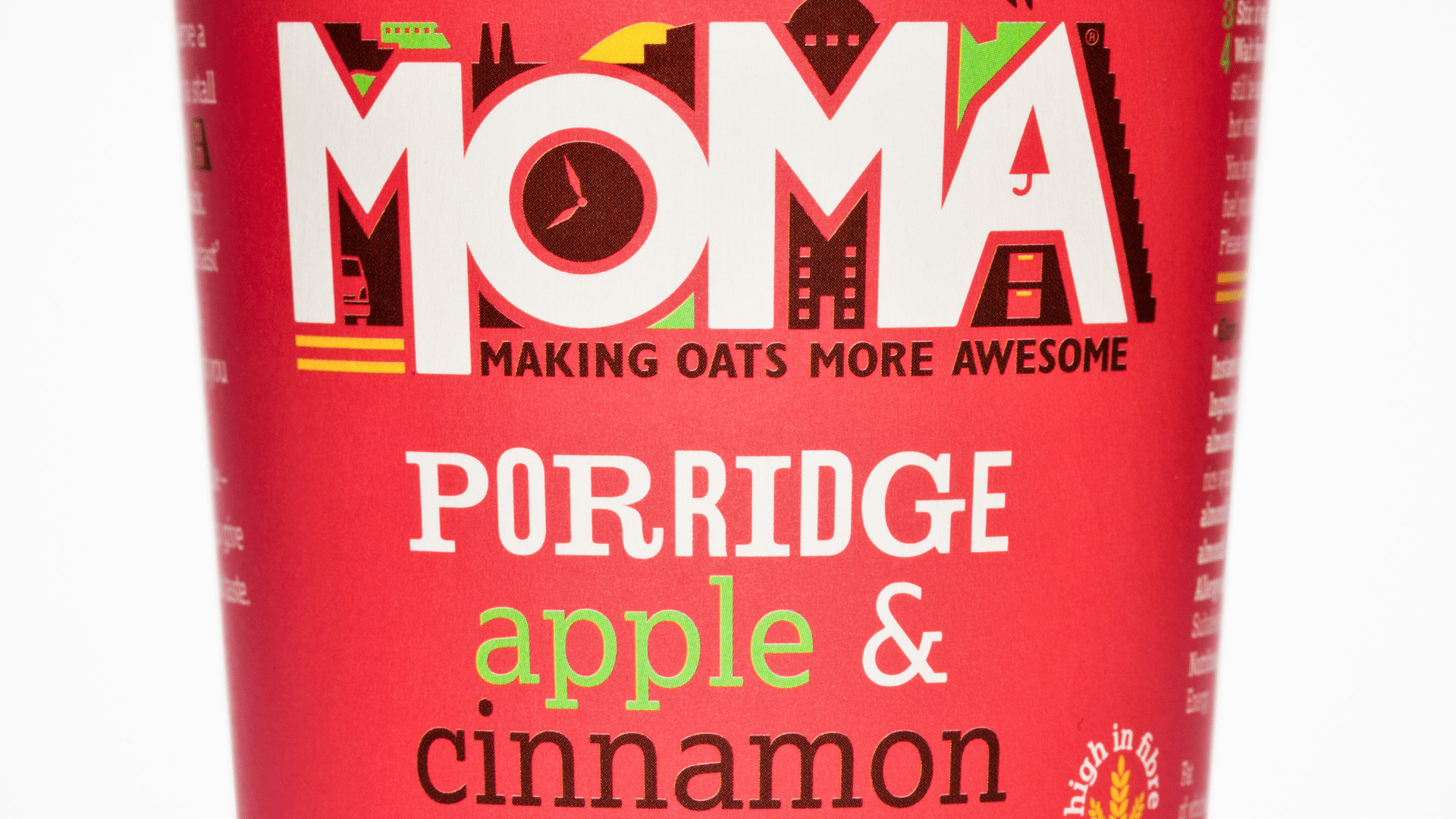
The recall includes a detailed list of specific products, sizes, and lot codes rather than traditional UPCs, as these items are identified by batch numbers printed on the base of pots or the back of sachets. Affected porridge pots include MOMA Almond Butter & Salted Caramel (55g, packs of 1, 8, or 12), Apple, Cinnamon & Brown Sugar (65g, packs of 1 or 8), Banana & Peanut Butter Protein (65g), Blueberry & Vanilla (65g), Cranberry & Raisin (70g), Golden Syrup (70g), and Plain No-Added Sugar (65g), all with multiple lot numbers such as M5296, M5304, M5329, M5335, M5349, and M6027.
In addition to the pots, several sachet products are also included in the recall, such as Almond Butter & Salted Caramel sachets (7x40g), Apple, Cinnamon & Brown Sugar sachets (6x40g), and other variations listed by the manufacturer, with affected lot numbers including M5289, M5290, M5293, and M5295. These products were sold in both single packs and multipacks, meaning consumers may have purchased them in different formats without realizing they are part of the same recall.
The recall also extends broadly to any MOMA porridge or cereal product with best-before dates ranging from April 24, 2026, through March 12, 2027, meaning shoppers should carefully check all packaging within that date range, even if the product is not one of the most commonly listed flavors.
Why The Contamination Is Serious And What Stores Did
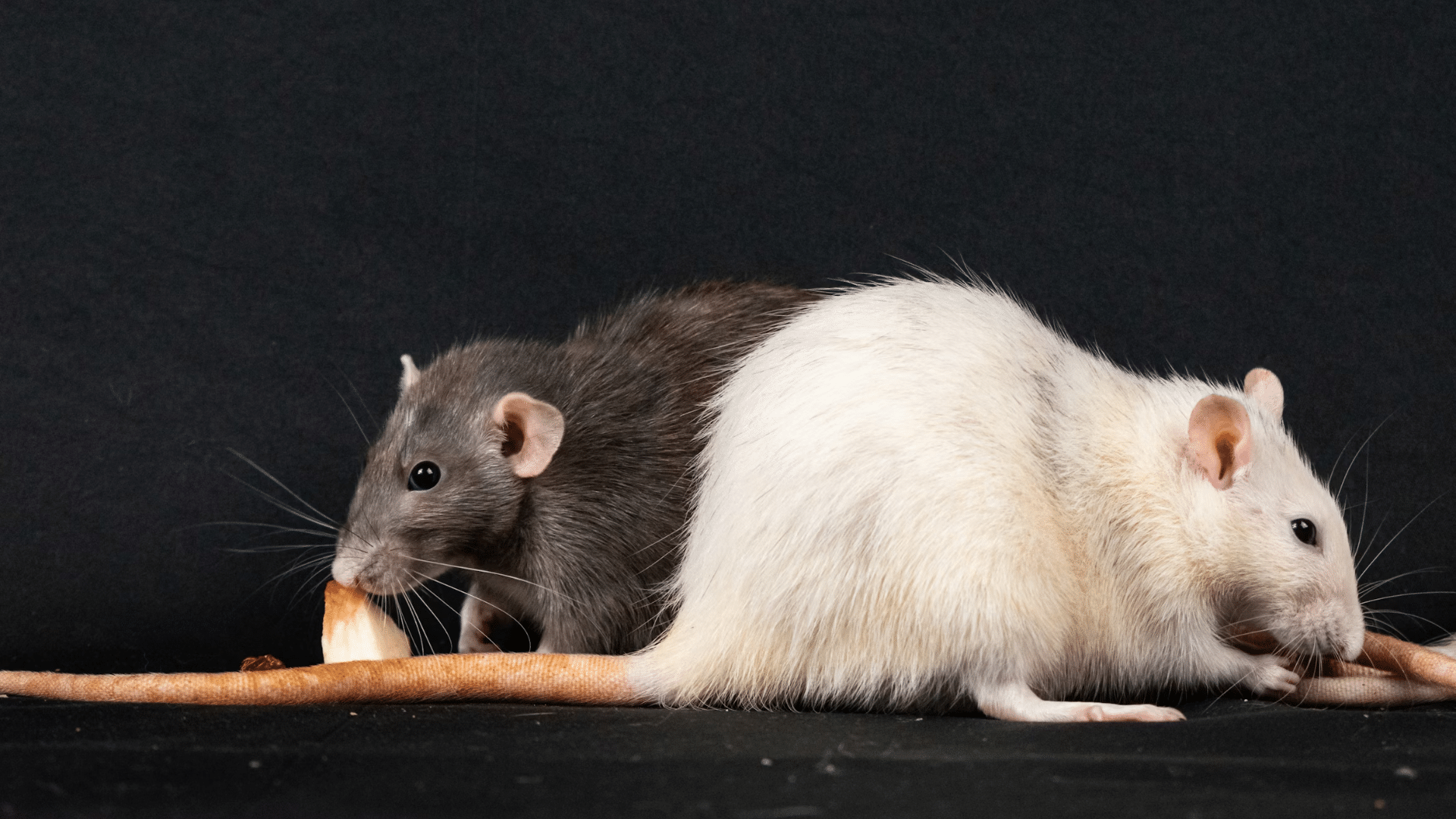
The contamination risk stems from a mouse infestation at the manufacturing facility, raising concerns that products could contain harmful materials such as droppings, hair, or bacteria, all of which can lead to serious foodborne illnesses if consumed. Health experts warn that such contamination can introduce pathogens like Salmonella or Listeria, which may cause symptoms ranging from mild gastrointestinal discomfort to severe illness requiring medical attention.
In response, retailers across the UK have removed the affected products from all store shelves, including breakfast aisles, grab-and-go sections, and online grocery listings, while also posting official recall notices both in-store and on their websites to ensure customers are informed as quickly as possible.
This type of large-scale recall highlights how a single issue at a manufacturing site can impact multiple product lines and retailers at once, especially for widely distributed grocery items that are stocked in supermarkets, convenience stores, and online platforms nationwide.
What Shoppers Should Do Right Now
Consumers who have purchased any of the affected porridge products are being strongly advised not to eat them under any circumstances, even if the packaging appears sealed or undamaged, as contamination may not be visible and could still pose a health risk.
Instead, shoppers should check the product name, size, and lot or batch code printed on the packaging, and if it matches any of the recalled items or falls within the affected best-before date range, they should return it to the store where it was purchased for a full refund, with no receipt required in most cases.
If anyone has already consumed the product and begins experiencing symptoms such as nausea, vomiting, diarrhea, or fever, health experts recommend seeking medical advice promptly, while continuing to monitor updates from retailers and food safety authorities as the investigation into the contamination continues.

