Quiznos Shuts Down 4,500 Restaurants in Historic U.S. Chain Collapse
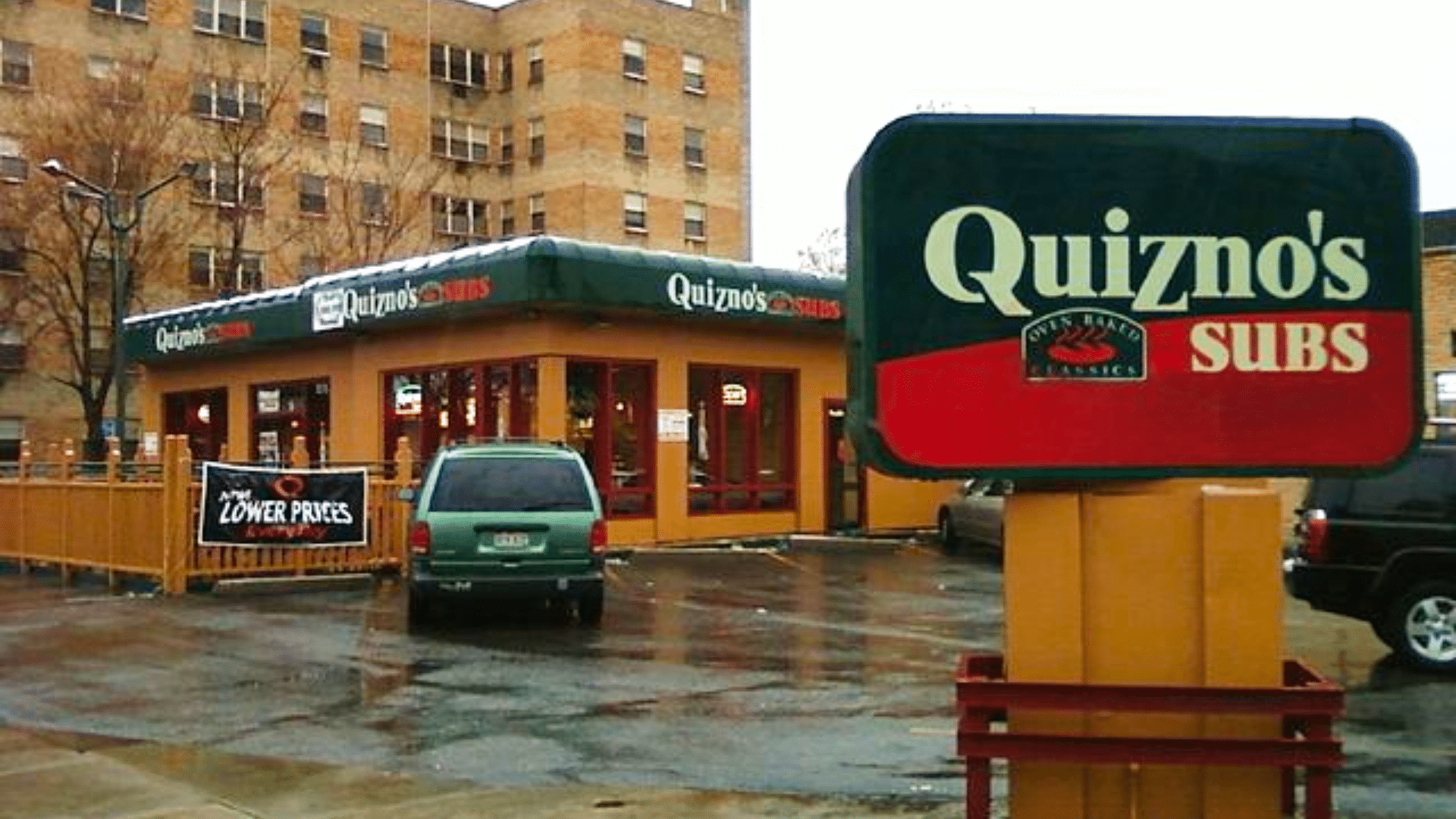

Once a ubiquitous name in American fast food, Quiznos has seen one of the most dramatic declines in restaurant history, with more than 4,500 of its U.S. locations closing over the past two decades as the brand collapsed from a once-thriving sandwich empire to a fraction of its former size, a shift that has stunned customers, franchisees and industry analysts alike. At its peak in the mid-2000s Quiznos operated nearly 5,000 restaurants across the country, making it one of the largest submarine sandwich chains in the United States and a serious competitor to rivals such as Subway, yet missteps in business strategy, aggressive franchising models and escalating debt over time eroded its footprint at a shocking pace.
The closures did not happen overnight but unfolded over many years as Quiznos faced mounting headwinds including stiff competition offering lower-priced sandwiches, disputes with franchise owners over costly supply contracts, and the ripple effects of the Great Recession that made operating marginal restaurants increasingly untenable, forcing countless franchisees to shutter their doors and pushing the brand toward bankruptcy and sustained contraction.
By the early 2020s, the number of U.S. Quiznos restaurants had fallen below 200 total locations, a staggering decline that reflects nearly a 97 percent drop from the chain’s peak, leaving a handful of longtime diners nostalgic for toasted subs that once dominated main streets and shopping centers nationwide.
How Quiznos Went From Boom to Bust
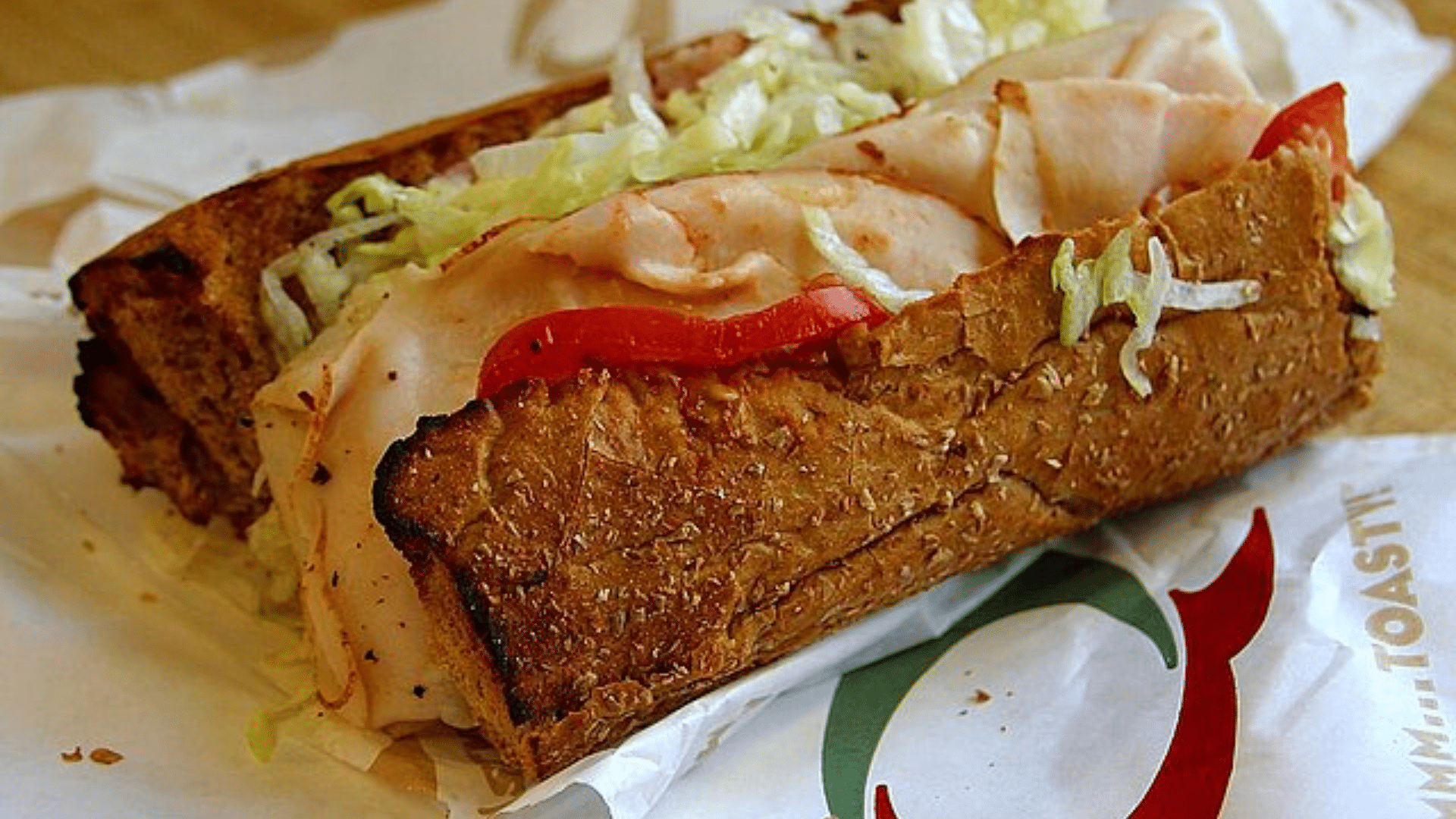
In its early years after being founded in Denver in 1981, Quiznos expanded rapidly thanks to its unique offering of toasted submarine sandwiches, capturing consumer interest and securing franchise deals that helped the brand grow into thousands of locations by the early 2000s, a period when casual sandwich dining was booming and consumers were eager for convenient, flavorful meals on the go.
However, analysts point to several structural challenges that began eroding Quiznos’s growth, including a franchise model that required owners to purchase supplies at marked-up prices, which squeezed profit margins and left many franchisees struggling financially; at the same time, dominant rivals like Subway countered with aggressive pricing such as its famous $5 Footlong campaign, eroding Quiznos’s competitive advantage and drawing customers toward cheaper alternatives.
Economic headwinds including the Great Recession of the late 2000s accelerated closures as consumer spending tightened, and the company’s debt burden led to bankruptcy proceedings in 2014, after which the network of restaurants continued to shrink even as new ownership tried restructuring efforts, making it clear that the chain’s earlier momentum had been lost and that reversing its decline would be exceptionally difficult.
What the Collapse Means for Franchisees and the Industry
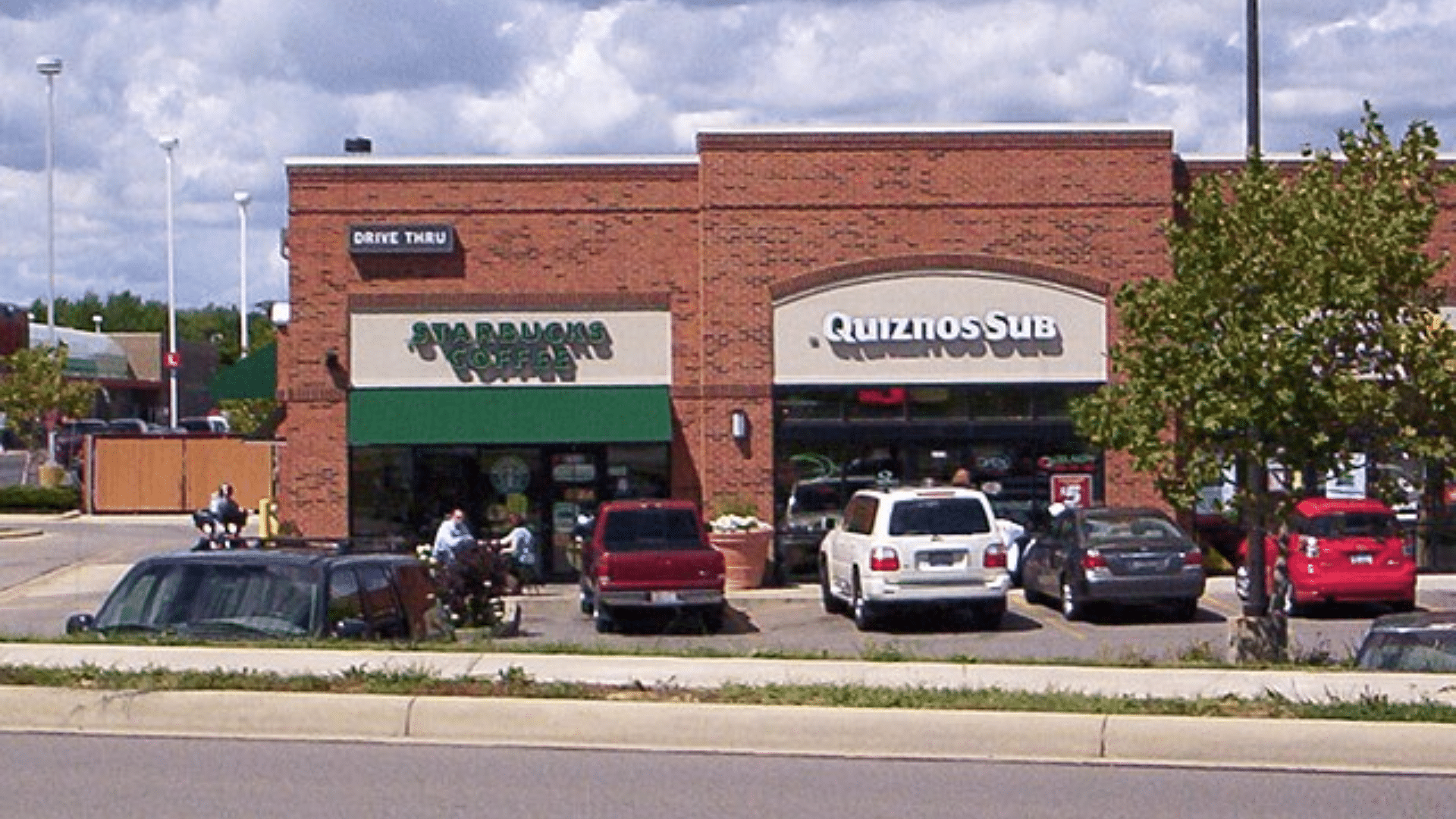
For franchise owners who invested in Quiznos early on, the dramatic wave of closures has represented not only the loss of a business but often a significant financial setback, with many operators unable to sustain profitability as costs outpaced revenues and corporate support waned; some franchisees have described their experience as emblematic of broader issues in franchising where centralized supply agreements and contractual obligations can amplify risk for local operators.
Industry experts also view the rise and fall of Quiznos as a cautionary tale about rapid expansion without sustainable infrastructure, noting that while aggressive franchising can fuel fast growth, it can equally accelerate collapse if market conditions shift or if strategic flexibility is lacking when competition intensifies and consumer preferences evolve.
The scale of Quiznos’s decline has also reshaped the sandwich segment of fast food, leaving competitors like Subway, Jersey Mike’s and Firehouse Subs to fill the void left by thousands of closures and alter the landscape of quick-service dining as brands with more resilient business models capture market share.
From Toasted Subs to a Fading Legacy
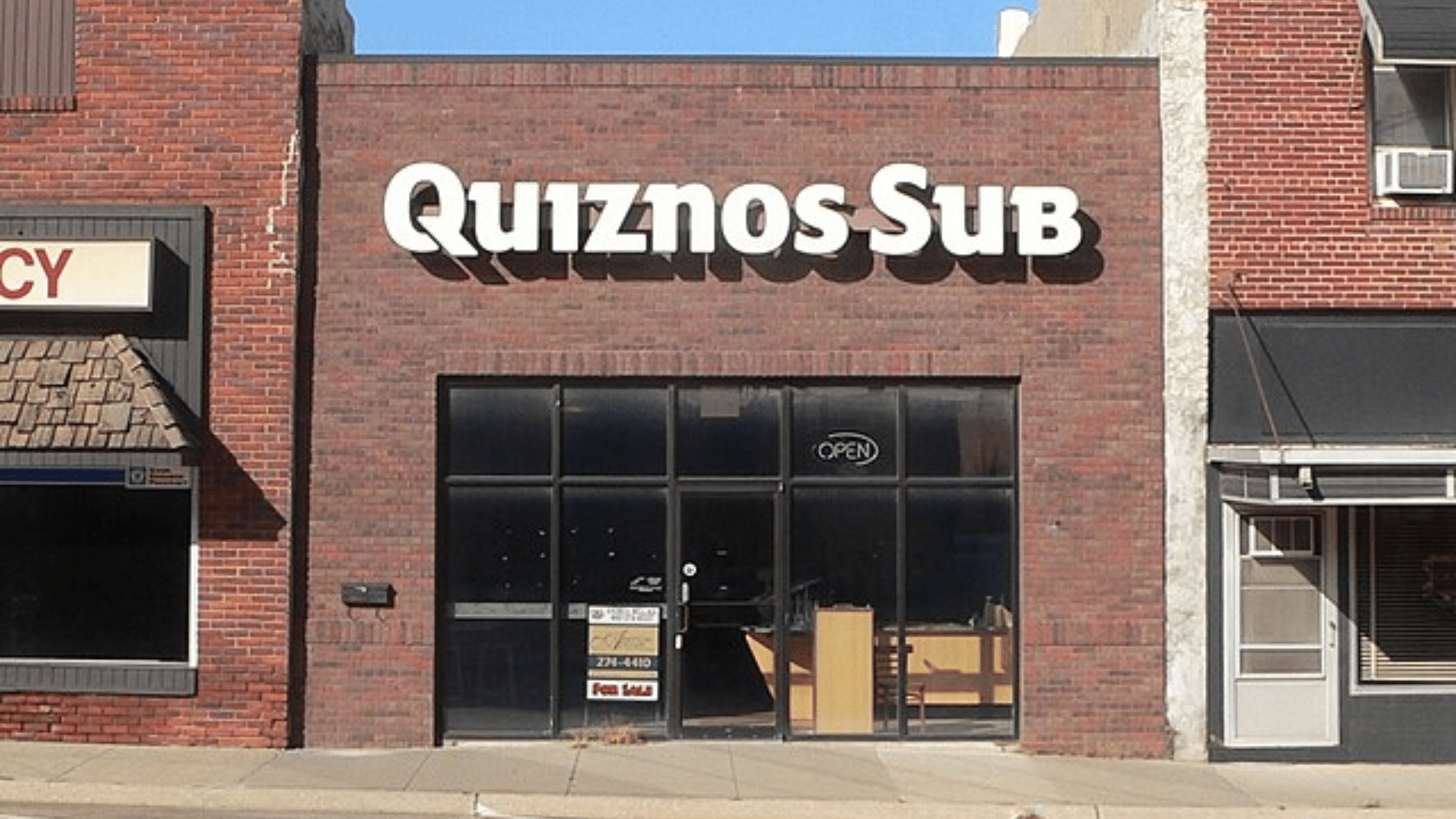
Despite its precipitous fall, the Quiznos brand still carries nostalgic value for many consumers who remember its bold advertising, toasted offerings and once-pervasive presence across shopping centers and urban districts, yet the business realities of declining locations serve as a stark reminder of how fleeting success can be in the competitive world of fast food.
Under new ownership, the remaining Quiznos restaurants have been diversifying formats and exploring non-traditional locations like convenience stores and airports, with leadership aiming to stabilize operations and preserve the essence of what once made the chain unique, even as its traditional footprint continues to shrink.
For many observers, the story of Quiznos’s expansion and collapse offers lessons about adaptability, franchise economics and the challenges legacy brands face in remaining relevant amid changing consumer tastes, evolving industry dynamics, and the constant pressures of competition and economic cycles.