Reese’s Heir Blasts Hershey for ‘Cutting Corners’ on Iconic Peanut Butter Cups
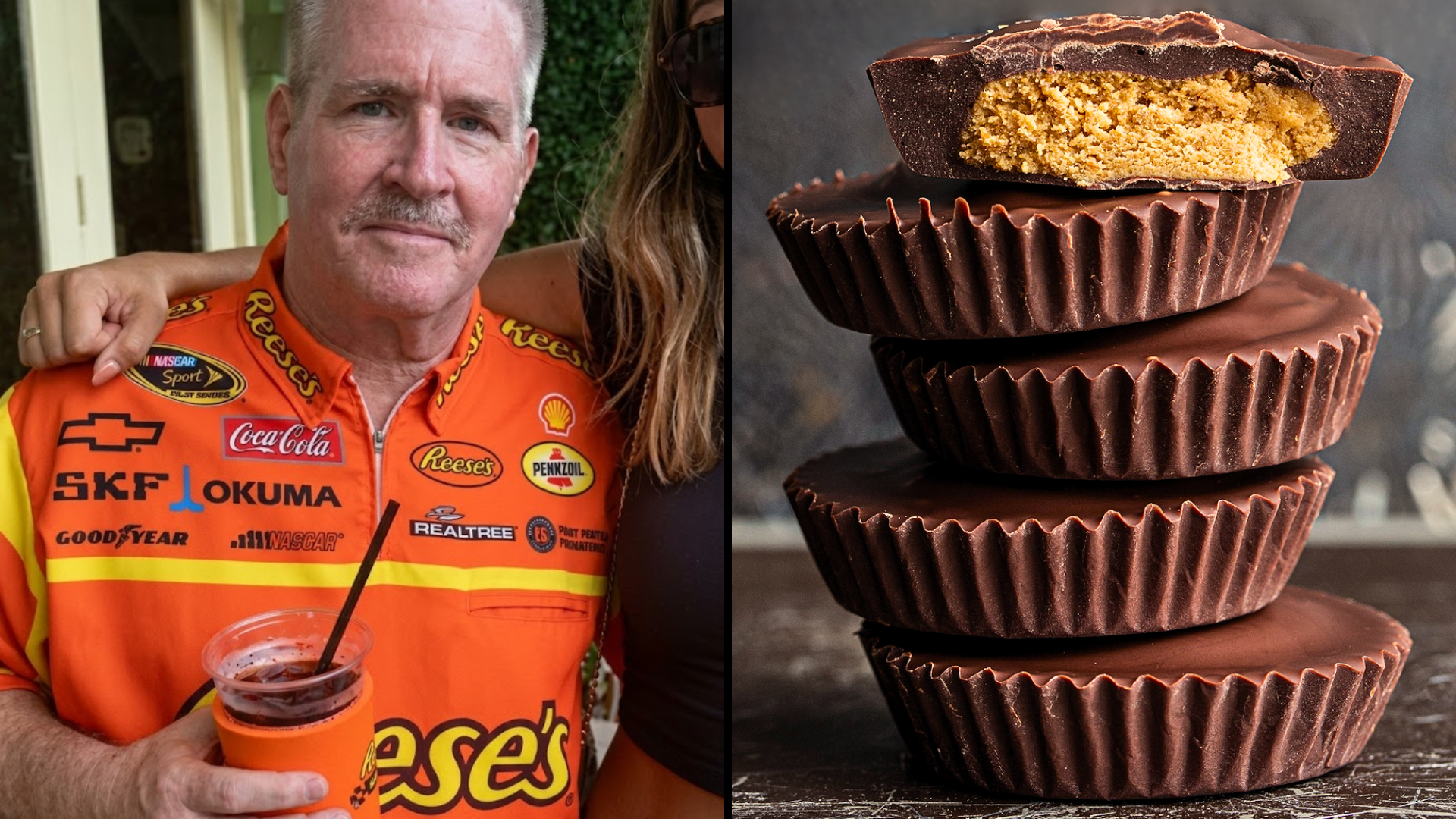

For nearly a century, Reese’s Peanut Butter Cups have meant one thing to candy lovers, milk chocolate wrapped around creamy peanut butter. But now a member of the Reese family says that promise is slipping. Brad Reese, grandson of founder H.B. Reese, has publicly accused The Hershey Co. of quietly downgrading ingredients in some of its most recognizable products.
In a Feb. 14 letter addressed to Hershey’s corporate brand manager and later posted on LinkedIn, the 70-year-old heir questioned how the company can market Reese’s as a flagship symbol of quality while altering what made it famous. His complaint centers on a subtle but significant shift in wording and formulation.
According to Reese, certain products no longer use milk chocolate and peanut butter. Instead, he says, they rely on “chocolate candy” coatings and “peanut butter crème.” That distinction may sound technical, but to him it represents something much larger. What he claims happens next cuts to the heart of a household name.
What Changed Inside the Wrapper
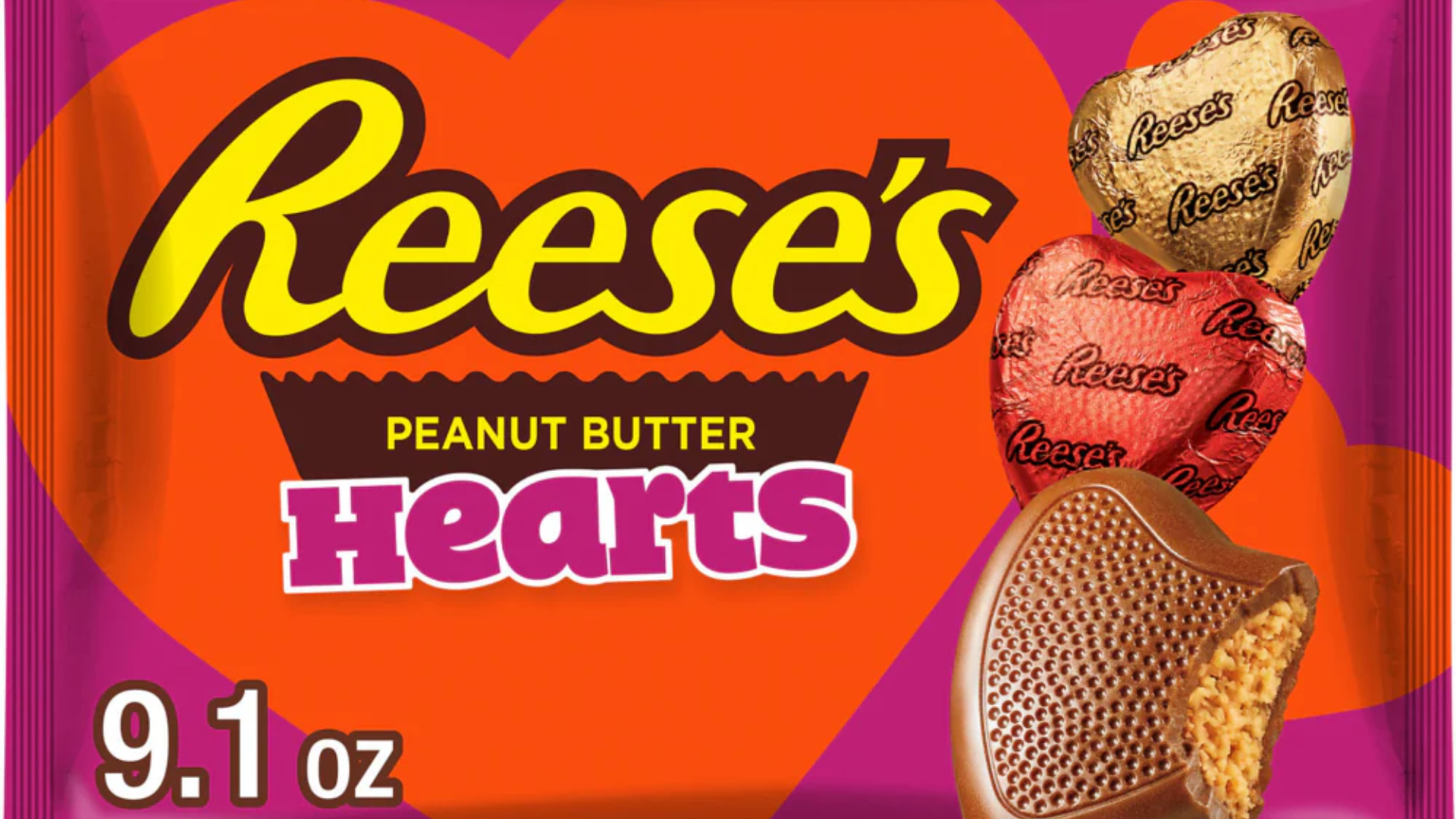
Reese points to specific examples. He says Reese’s Mini Hearts released for Valentine’s Day were labeled as “chocolate candy and peanut butter crème.” After trying them, he told The Associated Press he threw the bag away. “It was not edible,” he said, adding that he once ate a Reese’s product every day.
He also claims recipe adjustments have affected bars like Take5 and Fast Break, which he says were once coated in milk chocolate but now are not. White Reese’s products, introduced in the early 2000s as white chocolate, are now described as white crème. The changes, he argues, dilute the original formula that built consumer trust.
There is also a regulatory angle. The U.S. Food and Drug Administration requires milk chocolate to contain at least 10% chocolate liquor, 12% milk solids, and 3.39% milk fat. Products labeled “chocolate candy” can bypass those standards. That wording shift, while legal, can signal a different ingredient profile inside.
Hershey Pushes Back

Hershey disputes the broader claim. The company says its classic Reese’s Peanut Butter Cups are still made with milk chocolate and peanut butter produced from roasted peanuts, sugar, and salt. It acknowledges that some products in its expanding lineup use recipe adjustments to support new shapes, sizes, and innovations.
Executives argue those tweaks are driven by consumer demand and market realities. High cocoa prices have pushed many manufacturers to experiment with formulations in recent years. On a prior investor call, Chief Financial Officer Steven Voskuil said any changes were carefully tested and had “no consumer impact whatsoever.”
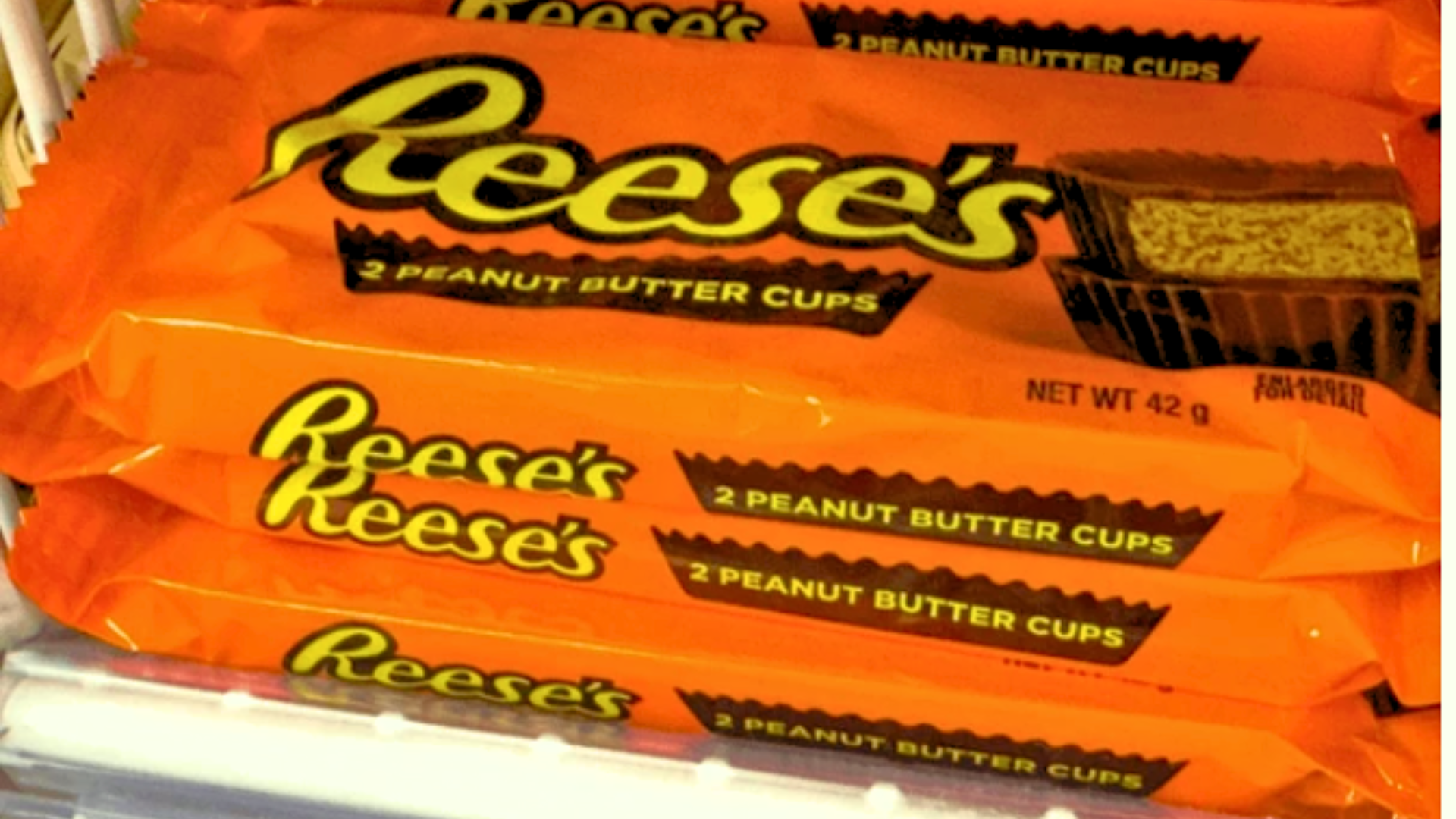
Even overseas versions became part of the debate. Reese suggested cups sold in Europe differ from those in the United States, citing packaging that references “milk chocolate-flavored coating.” Hershey responded that the recipes are the same, but labeling varies to meet stricter European Union and U.K. cocoa and milk content rules.
A Legacy at Stake
The disagreement carries unusual emotional weight. H.B. Reese created the peanut butter cup in 1928 after leaving Hershey to start his own candy company. His six sons sold that company to Hershey in 1963, cementing Reese’s as a cornerstone of the chocolate giant’s portfolio.
Brad Reese insists he supports innovation, but not at the expense of quality. He says consumers frequently tell him the candy does not taste as good as it once did. For him, the issue is not nostalgia but brand integrity, especially for a product long marketed as simple and consistent.
He points to a quote from Milton Hershey himself: “Give them quality, that’s the best advertising.” As ingredient costs rise and companies chase novelty, that line now echoes beyond one family dispute. In the battle between innovation and tradition, the real question is whether iconic brands can evolve without losing the trust that made them iconic.