Report Flags Bottled Waters With Higher Levels of PFAS Linked to Cancer

A new review of bottled water products and independent scientific studies has raised significant concerns about per- and polyfluoroalkyl substances (PFAS), often called “forever chemicals”, appearing in many brands of bottled water sold across the United States and abroad, and linked in research to higher cancer risk and other serious health effects if humans are exposed to them over time. PFAS are a class of man-made chemicals that do not break down easily in the environment or in the body, and scientific evidence has connected exposure to some PFAS with increased risks of certain cancers, hormone disruption and immune system impacts, leading experts to urge greater transparency, monitoring and regulation for all drinking water sources, including bottled water.
Much of the attention on PFAS contamination in drinking water has focused on tap water in communities near industrial sites or contaminated aquifers, but multiple independent tests have shown that bottled waters, especially natural spring and sparkling varieties, can contain detectable levels of PFAS that vary substantially between brands and types, meaning that consumers who assume bottled water is a safer alternative may still be ingesting these persistent chemicals.
The lack of federal limits on PFAS in bottled water means that companies are not currently required to disclose PFAS content or meet strict contamination thresholds, even though regulatory health advisories for drinking water have been updated in recent years to reflect mounting evidence tying PFAS exposure to cancer risks such as kidney, testicular, and other cancers, as well as reproductive and developmental harms.
Which Types of Bottled Water Show Higher PFAS Levels
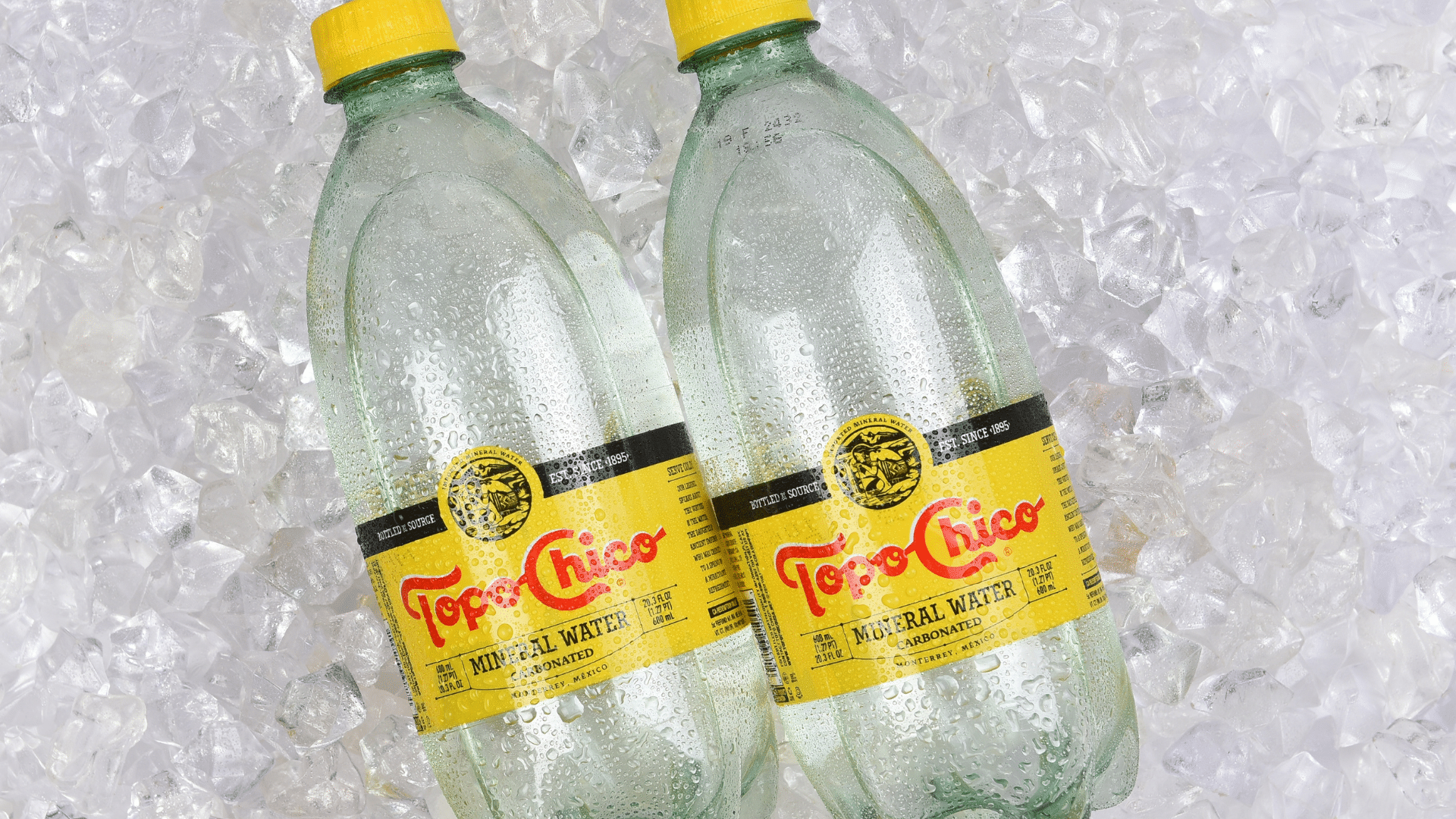
Independent testing from sources such as Consumer Reports and other researchers has found that many sparkling water brands showed some of the highest measured PFAS levels, with certain products testing several parts per trillion (ppt) of total PFAS, concentrations that experts say may contribute to cumulative exposure over time, especially if consumers drink large quantities regularly, despite these levels generally being below current drinking water health advisory values.
Among carbonated and spring water brands tested in past studies, examples with relatively elevated PFAS measurements included Topo Chico Natural Mineral Water, which had some of the highest PFAS levels detected, followed by other popular sparkling and spring water names such as Polar Natural Seltzer and Bubly Blackberry Sparkling Water, though brands varied substantially and newer filtration efforts have reduced chemical levels in some cases.
It’s important to note that still water products and purified bottled water varieties typically showed lower PFAS concentrations than spring or sparkling water in many tests, and some brands have been reported to have undetectable PFAS, suggesting that source water quality and treatment technologies play a major role in how much PFAS ends up in the finished product.
Why PFAS in Bottled Water Matters for Public Health
PFAS are infamous for their persistence in the environment and human tissue, earning the “forever chemical” nickname because they can remain in the body for years after exposure, and scientific reviews have linked exposure to certain PFAS compounds with increased risks of cancers such as kidney, testicular, and thyroid cancer, as well as a range of other health effects including hormone disruption and immune system dysfunction.
Because there are no enforceable federal standards for PFAS in bottled water, consumers often have little information about what they are drinking, even though recent pilot studies and surveys have found detectable PFAS in a significant portion of bottled water products tested, underscoring gaps in regulation and labeling that health advocates say need to be urgently addressed.
Scientists and policy experts emphasize that reduced exposure, especially for vulnerable groups such as pregnant people, infants and children, should be a priority, since PFAS can accumulate over time, making it crucial for bottled water companies, regulators, and health agencies to implement stronger testing standards, public disclosure practices, and treatment requirements to minimize these risks.
How Consumers Can Reduce PFAS Exposure
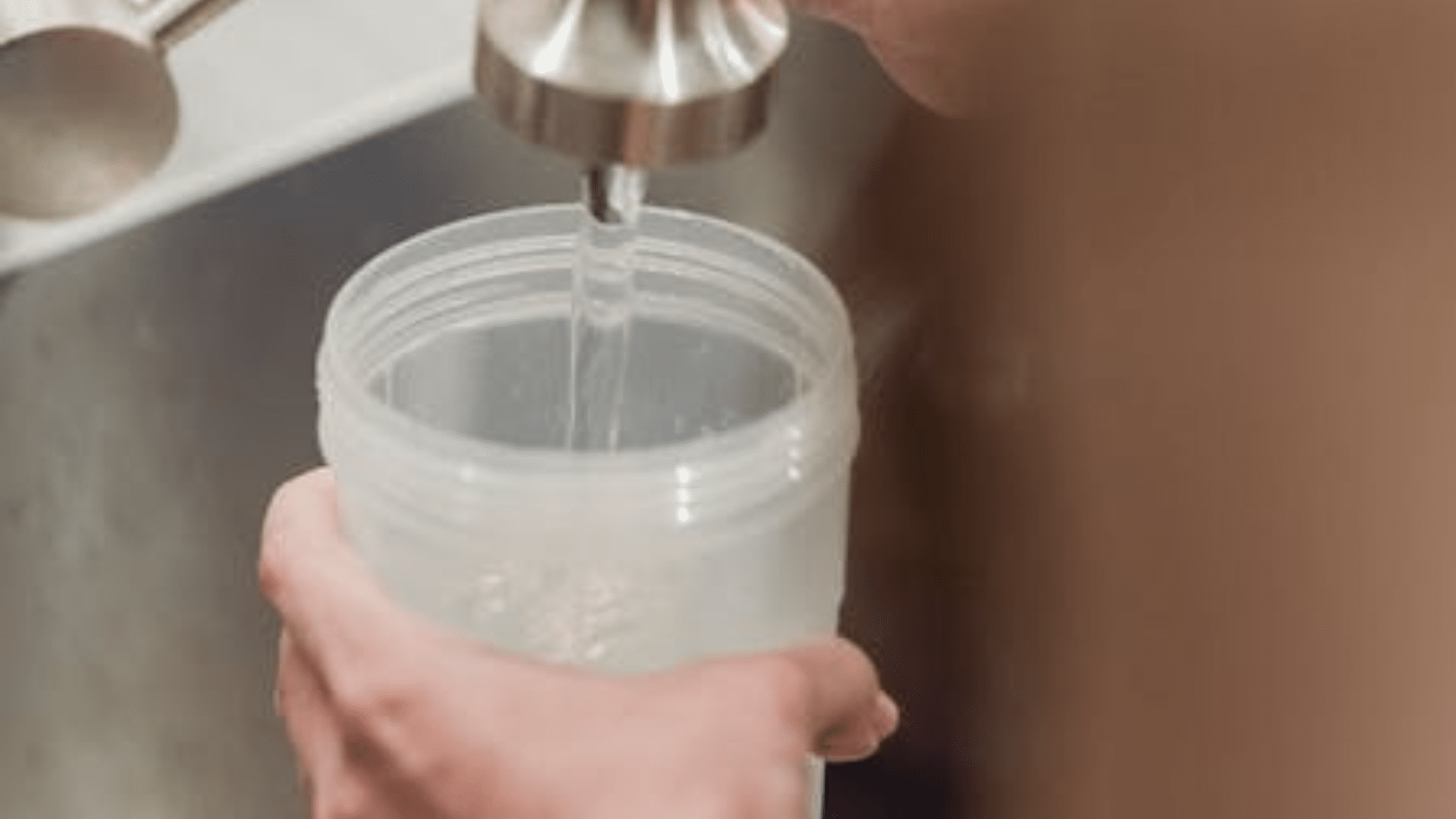
One of the most effective ways individuals can reduce their PFAS exposure from drinking water is by choosing purified water products that use technologies like reverse osmosis, which have been shown to remove a significant portion of these chemicals compared with untreated spring water.
Installing home water filtration systems certified to reduce PFAS can also help protect against both bottled and tap water contamination, providing an added layer of safety for everyday use and offering peace of mind for families concerned about long-term health impacts.
Staying informed about the latest research and regulatory developments related to PFAS, checking for updated tests on water brands, and supporting stronger public health standards can empower consumers to make safer hydration choices, because understanding where and how these chemicals enter drinking water is the first step toward reducing potential cancer risks associated with long-term exposure.