Report Flags Pesticides in Popular Produce, Farming Groups Slam It as ‘Fearmongering’
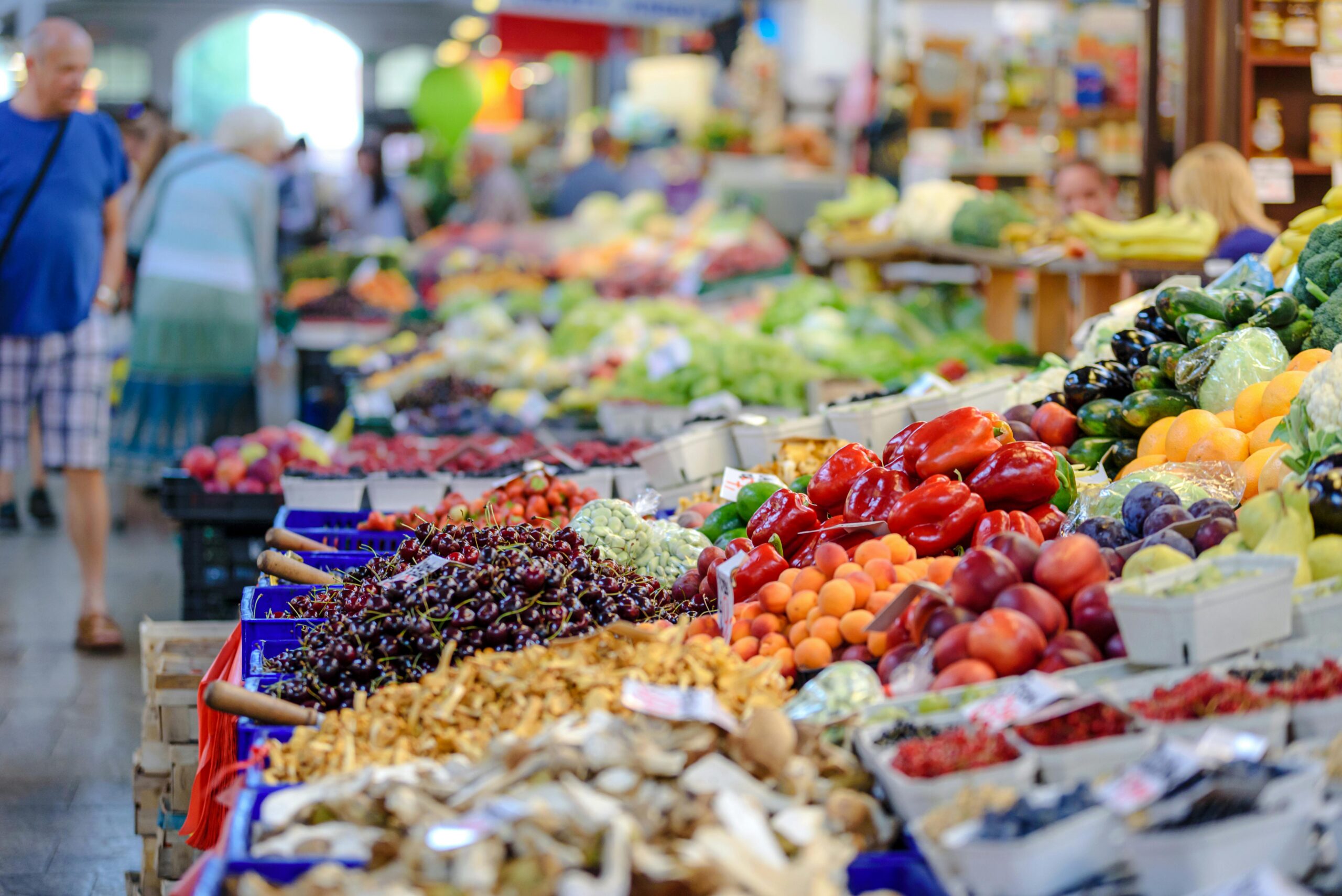

What’s really on your produce? A new report is taking a closer look. The Environmental Working Group’s 2026 Shopper’s Guide to Pesticides in Produce analyzed more than 54,000 samples and found residues of 264 different pesticides across common produce items.
At the center of the report is the updated “Dirty Dozen” list, which highlights produce with the highest levels of pesticide residues. Spinach, kale, strawberries, grapes, and nectarines rank near the top, with most samples containing multiple chemicals.
Researchers also pointed to a newer concern. PFAS, often called “forever chemicals,” were detected in many samples. These compounds do not easily break down and can accumulate over time, adding a new layer to how people think about food exposure.
What the Research Says About Health and Exposure

The findings connect to a broader body of research looking at how pesticide exposure affects the body. A study reported by CNN found that people who eat more produce with higher pesticide levels tend to show higher concentrations of those chemicals in their urine, suggesting a measurable link between diet and exposure.
Alexis Temkin, vice president of science at the Environmental Working Group, explained in the CNN report that researchers compared pesticide levels on food with actual measurements in people. The result showed a clear pattern: higher-residue foods were associated with higher exposure levels.
Some pesticides have been linked in past studies to health concerns ranging from hormone disruption to developmental risks, though scientists also note that research is ongoing, and not all effects are fully understood.
Critics Push Back on the Findings

Not everyone agrees with how the report presents its conclusions. Industry groups and regulators argue that the findings can be misleading. CropLife America, which represents pesticide manufacturers, told CNN that federal agencies already account for combined exposure when setting safety limits, including protections for children and vulnerable populations.
They also emphasize that produce sold in the United States meets strict federal safety standards. As noted in coverage of the report, government testing consistently finds residue levels within limits considered safe for consumption.
Some critics have gone further, calling reports like the Dirty Dozen alarmist. They argue that focusing on pesticide residues without full context may discourage people from eating fruits and vegetables, which are widely recognized as essential for good health.
What It Means for Shoppers at the Grocery Store
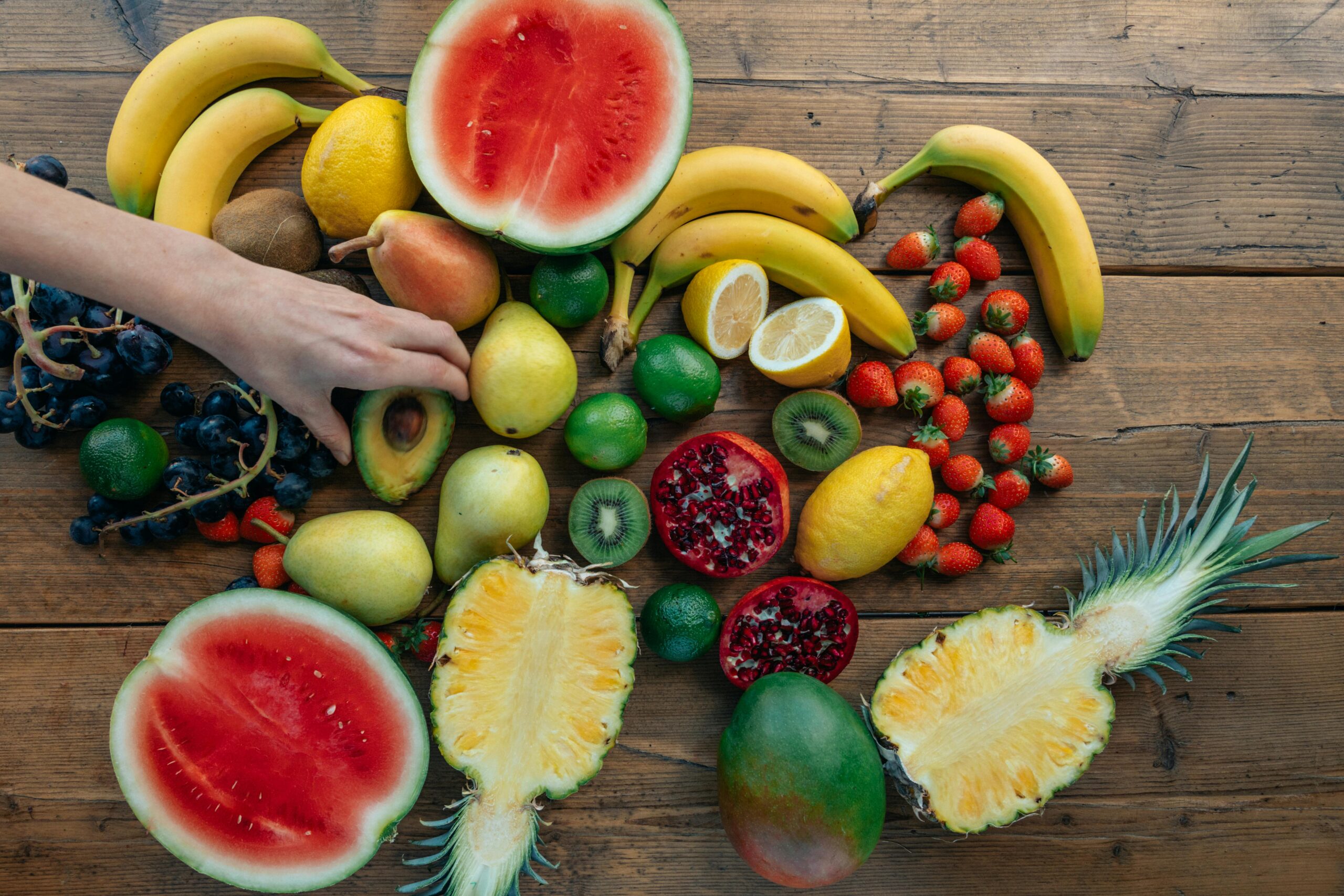
For shoppers, the takeaway is not to avoid produce, but to make smarter choices. Varun Subramaniam, a science analyst with the Environmental Working Group, said the guide helps people understand what is on their food. “The Clean Fifteen and Dirty Dozen lists aren’t meant to discourage the consumption of fruits and vegetables,” he explained, “but rather to help shoppers make informed decisions.”
The report points to simple steps. Choose organic for higher-residue items when possible and lean on the “Clean Fifteen” for lower-residue options. Nearly 60 percent of those items showed no detectable pesticide residues, making them a practical and budget-friendly choice.
Experts also stress the basics. Wash produce, eat a variety of fruits and vegetables, and keep a balanced diet. Those habits matter more than avoiding specific foods. The debate leaves shoppers with a clear question: how much should you focus on reducing exposure, and how much should you trust the safety standards already in place?