Researchers Say Where You Live in the US Could Affect Diabetes Risk


For years, epidemiologists noticed a curious pattern: people living in mountainous regions appeared less likely to develop diabetes than those at sea level. Now, researchers at the Gladstone Institutes believe they’ve uncovered the biological machinery behind that advantage and it begins with the air itself.
Their new study, published in Cell Metabolism, suggests that reduced oxygen levels at higher elevations fundamentally alter how the body handles glucose. Rather than leaving sugar circulating in the bloodstream, the body appears to redirect it into an unexpected reservoir.
The revelation aligns with earlier population data. A sweeping analysis of more than 285,000 U.S. adults found that residents living between 1,500 and 3,500 meters above sea level were significantly less likely to have diabetes even after accounting for diet, age, and ethnicity. The mountains, it seems, may quietly reshape metabolism in ways science is only beginning to understand.
The Hidden Sugar Sponge Inside Your Blood
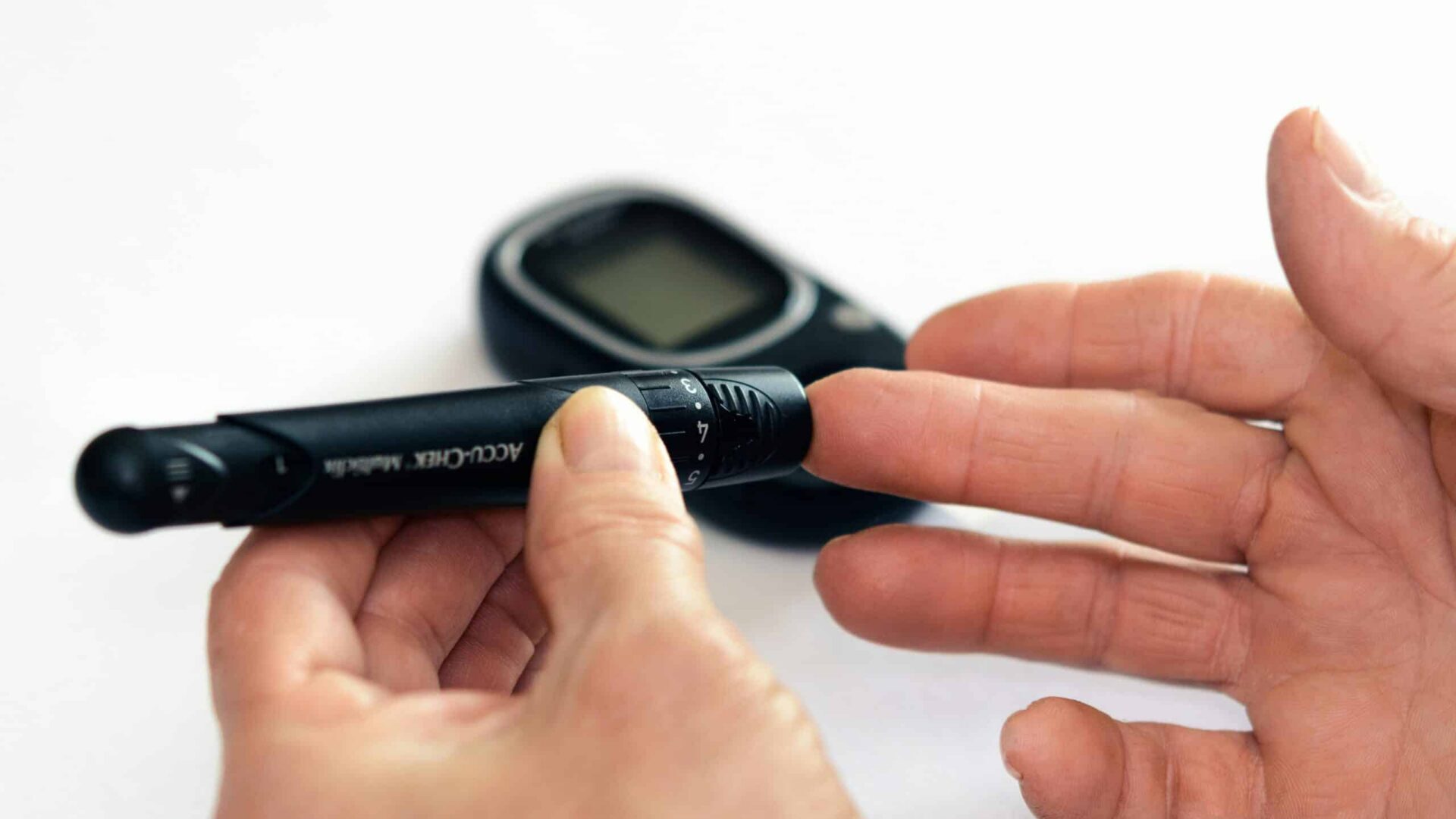
At the center of the discovery is an unlikely hero: the red blood cell. Long regarded as a simple oxygen courier, it now appears to moonlight as a glucose regulator under low-oxygen conditions. According to senior author Isha Jain, red blood cells represent a “hidden compartment” of glucose metabolism that researchers had previously overlooked.
When oxygen levels drop a state known as hypoxia these cells begin absorbing large amounts of glucose from the bloodstream. Acting almost like microscopic sponges, they soak up excess sugar, lowering overall blood glucose levels in the process.
Simultaneously, the cells rewire their internal chemistry to deliver oxygen more efficiently. It’s a dual adaptation: enhanced oxygen transport paired with improved sugar clearance. In populations living at elevation, this subtle metabolic shift may cumulatively translate into meaningful protection against diabetes.
The Mouse Experiments That Cracked the Mystery
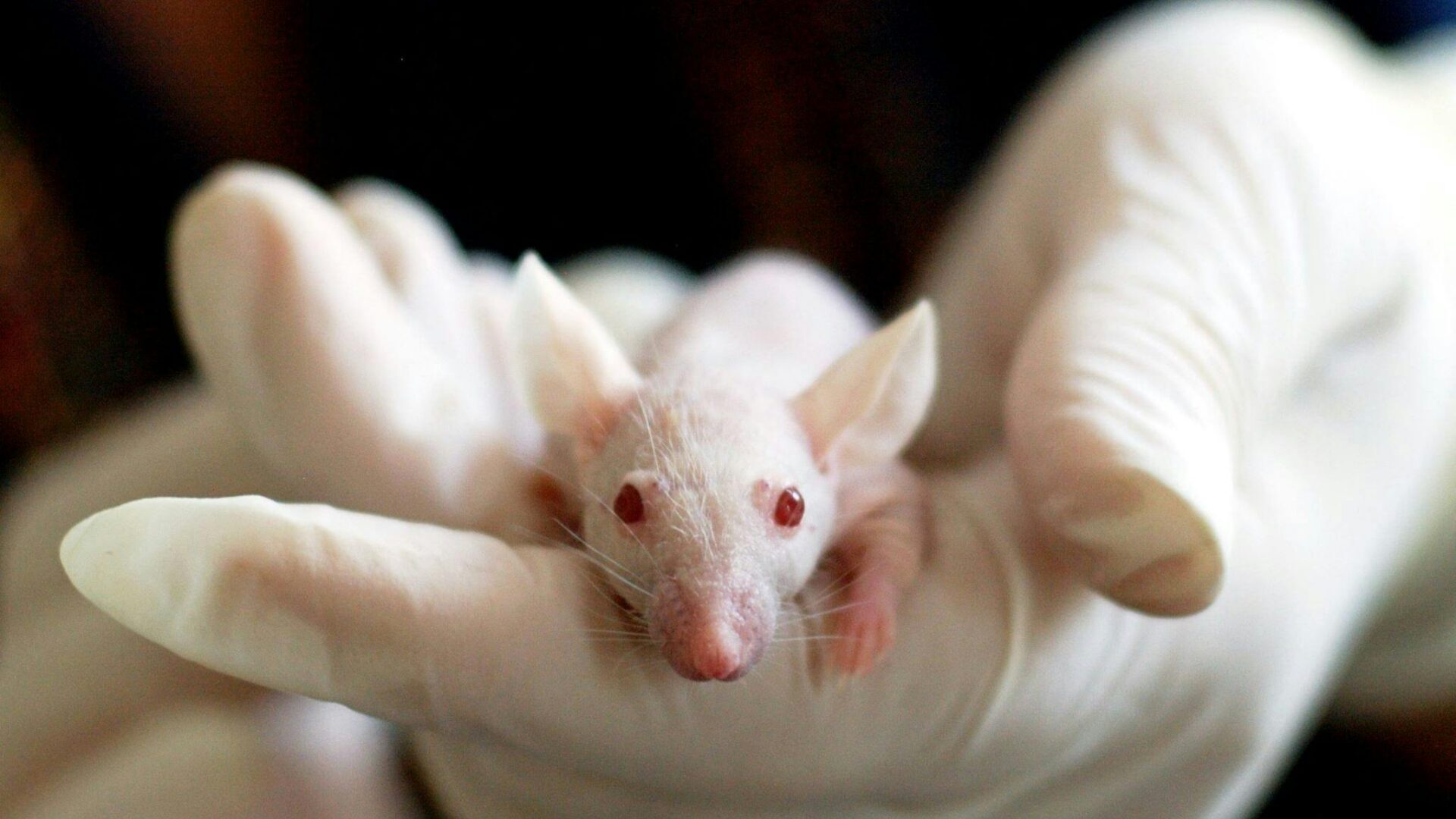
Before confirming the mechanism, Jain’s team first observed something puzzling in laboratory mice. When exposed to thin air, the animals cleared sugar from their bloodstreams almost instantly after eating a trait typically associated with lower diabetes risk. Yet researchers couldn’t initially determine where that glucose was going.
They examined muscle tissue, liver cells, even the brain the usual metabolic suspects but none accounted for the rapid sugar disappearance. It wasn’t until the team deployed a different imaging method that the answer surfaced. The red blood cells themselves were acting as the missing “glucose sink.”
Under hypoxic conditions, not only did mice produce more red blood cells, but each individual cell absorbed significantly more glucose than normal. The discovery reframed how scientists think about blood sugar regulation not merely as a function of insulin and organs, but as a whole-body oxygen response.
From Mountain Air to Medicine

The implications extend far beyond geography. Inspired by the high-altitude effect, researchers developed an experimental drug called HypoxyStat, designed to mimic low-oxygen metabolic changes. In laboratory testing, the compound completely reversed high blood sugar in diabetic mice a result that hints at powerful therapeutic potential.
Still, the researchers are careful to temper enthusiasm with caution. The experiments focused on a single mouse strain particularly sensitive to blood sugar fluctuations. Only young male mice were studied, leaving open questions about whether age, sex, or genetic variation might influence results. Broader testing will be essential.
Even so, the horizon looks expansive. As Jain noted, this is merely the beginning. Understanding how the body adapts to oxygen scarcity could unlock new treatments not only for diabetes, but for a range of metabolic and cardiovascular conditions. The mountains may not just offer breathtaking views they may hold a blueprint for reengineering blood sugar control itself.