Restaurant Industry is Forced to Shift as Consumers are Driven by Value More Than Cost

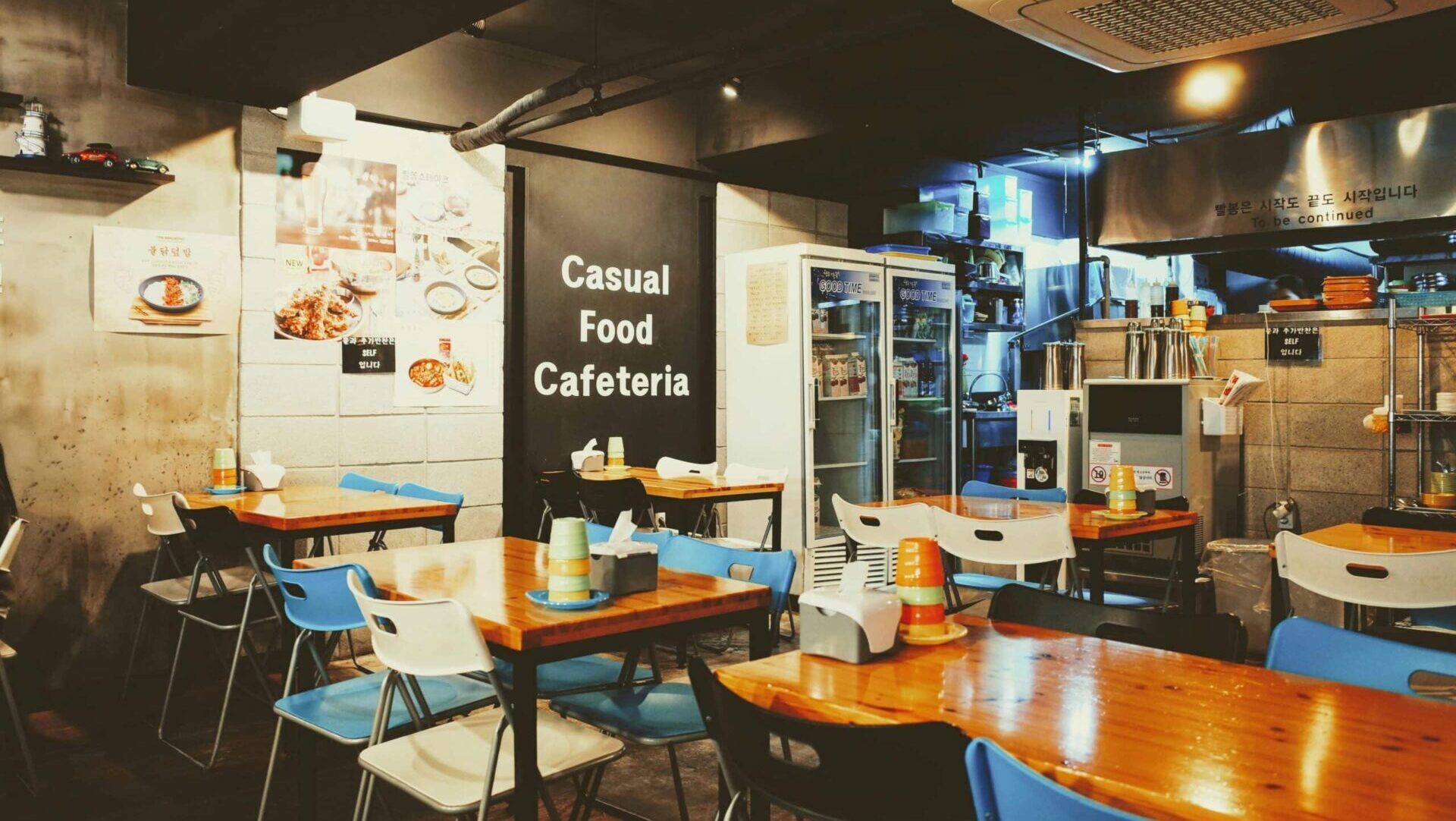
As 2026 begins, the restaurant industry is confronting a fundamental shift in consumer psychology. Diners are no longer motivated primarily by novelty or convenience. Instead, they are calculating cost, frequency, and perceived worth with far greater scrutiny. Eating out is no longer automatic. It is a decision weighed against groceries, delivery fatigue, and staying home altogether.
This shift has forced operators to ask a difficult question: how can restaurants offer more value without eroding already thin margins. Raising prices further risks alienating customers, yet absorbing higher food and labor costs is increasingly unsustainable. Value today is not simply about lower prices. It is about consistency, portion integrity, service quality, and the overall dining experience justifying the spend.
Complicating matters is the reality that restaurants are no longer just competing with one another. They are competing with the option of not dining out at all. In this environment, understanding what customers truly value, rather than assuming loyalty or habit, has become essential to survival.
From Transactions to Trust: Rebuilding the Customer Relationship
Beyond pricing, restaurants are questioning how to build deeper emotional and behavioral connections with their customers. Limited time offers, collectibles, and app based rewards have proven effective at driving short term engagement, but many operators now recognize that tactics alone are not enough. The larger challenge is defining what a brand stands for and why it deserves a place in a consumer’s routine.
This has expanded into broader considerations around sustainability, sourcing, and social responsibility. Consumers increasingly expect brands to align with their values, whether through local sourcing, ethical labor practices, or environmental commitments. These choices can improve efficiency and public perception, but they also require careful execution to avoid becoming costly gestures with little impact.
At the same time, restaurants are grappling with how to maintain a reliable workforce. Labor shortages, rising wages, and changing expectations around flexibility have made talent retention one of the industry’s most pressing challenges. Operators are asking how to attract workers while also creating conditions that encourage them to stay, grow, and identify with the brand.
Efficiency, Automation, and the Technology Reckoning
Cost pressures have pushed efficiency from a back office concern to a strategic priority. Restaurants are searching for ways to streamline operations without sacrificing hospitality. This includes rethinking menus, simplifying workflows, and investing in systems that reduce waste and improve forecasting.
Technology sits at the center of this recalibration. Artificial intelligence, automation, and advanced analytics are increasingly embedded in everything from drive thru ordering to inventory management and labor scheduling. While many tools promise efficiency, the industry is still determining which solutions deliver lasting value versus short lived hype.
The consensus among analysts is that the restaurants of the future will be far more data driven than those of the past. Whether a single location bistro or a global chain, success will increasingly depend on the ability to interpret real time data and respond quickly to changing conditions. The challenge lies in investing wisely while margins remain under strain.
Consolidation, Capital, and the Question of Sustainable Growth
As pressures mount, the industry is also watching which companies consolidate, which retreat, and which attempt to expand or go public. Rising costs have made scale more attractive, particularly for brands seeking purchasing power and operational leverage. Smaller chains with high fixed costs and limited flexibility face growing vulnerability.
At the same time, not all signals point to contraction. Some brands continue to invest aggressively in technology, centralized kitchens, and simplified menus that support both efficiency and growth. Concepts that balance operational discipline with strong brand identity appear best positioned to navigate the current climate.
Ultimately, every question confronting the restaurant industry converges on a single issue: how to grow in an environment defined by cautious consumers, rising expenses, and rapid technological change. The answers will determine not only which restaurants survive, but which ones define the next era of dining.