Restaurants Are ‘Losing’ America, Here’s Why
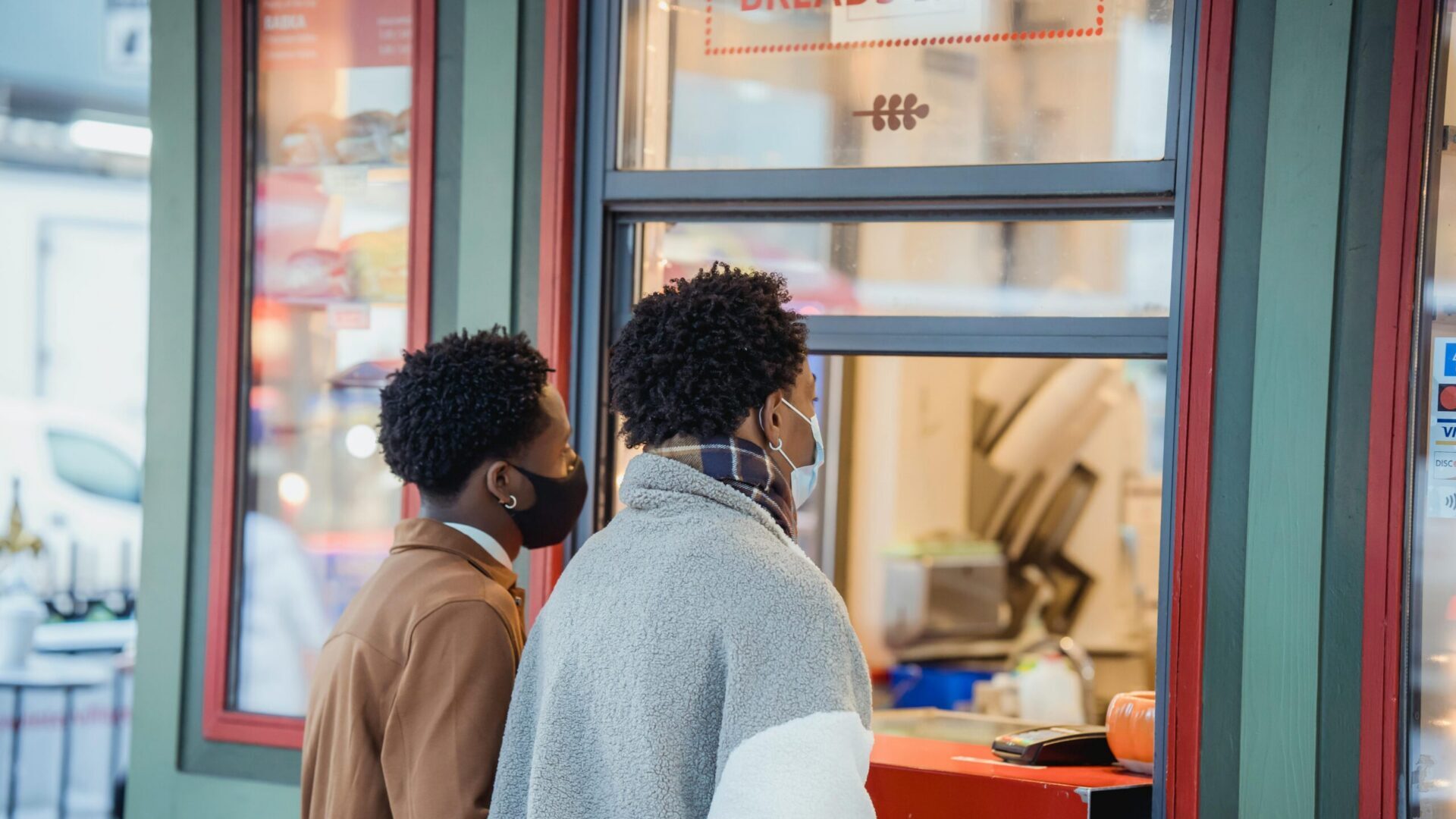

For many Americans, dining out was once an occasion, not routine, not rushed, but something faintly celebratory. That feeling has dimmed, and the most obvious culprit is cost. According to data from the Bureau of Labor Statistics cited by the National Restaurant Association, average menu prices climbed 31% between February 2020 and April 2025. That cumulative jump compounds quickly once drinks, tax, and gratuity enter the picture.
The math is hard to ignore. A steak that once hovered around $28 now pushes $38. Pasta that felt like a midweek indulgence at $16 is now north of $20. Even appetizers, once an easy add-on, can rival what entrées used to cost. Inflation may be broad, but restaurant inflation feels personal because it lands in a single check.
For many diners, the issue is not simply that prices rose. It’s that the increase outpaced expectations and wages leaving behind a subtle but persistent sense that the experience no longer matches the spend.
Paying More, Getting Less
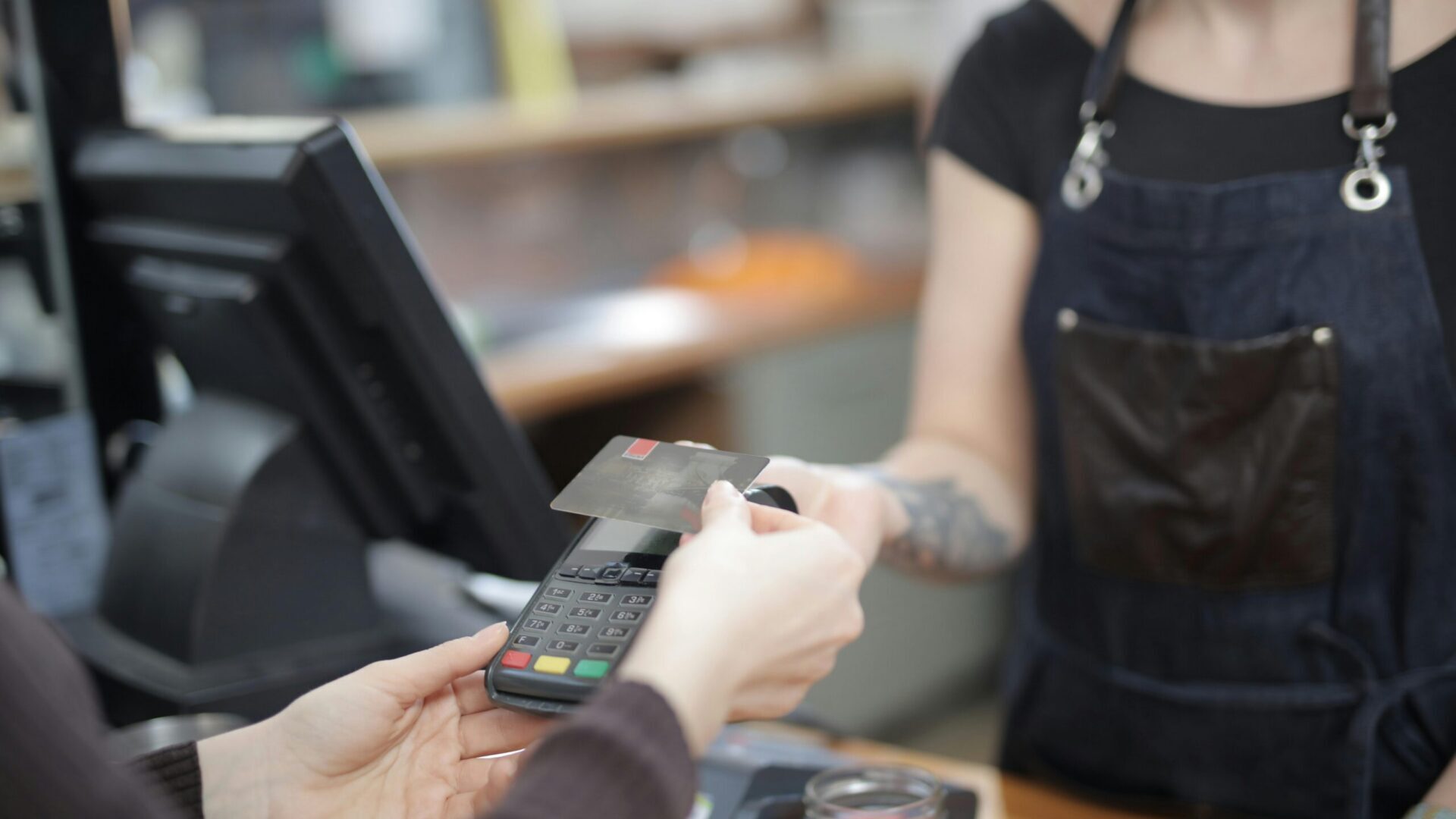
Compounding the frustration is shrinkflation. Across the country, diners report that portions have quietly narrowed even as prices climbed. Yelp review data spanning 47 states documented a noticeable spike in shrinkflation complaints between 2021 and 2022, with little sign of reversal.
The appetizer that once anchored the table now arrives looking tentative. Entrées that used to guarantee leftovers vanish before a second refill. Paying more might sting less if abundance remained part of the equation but many customers feel they are absorbing a double hit.
Add to that the widening value gap between eating out and cooking at home. Preparing a meal at home often averages $4 to $6 per person, while a sit-down restaurant easily runs $15 to $20 before drinks and gratuity. A 2025 survey from YouGov found 82% of Americans believe restaurant prices have climbed, and only 28% think those prices are fair for the quality received.
Fees, Tips, and the New Bill Anxiety
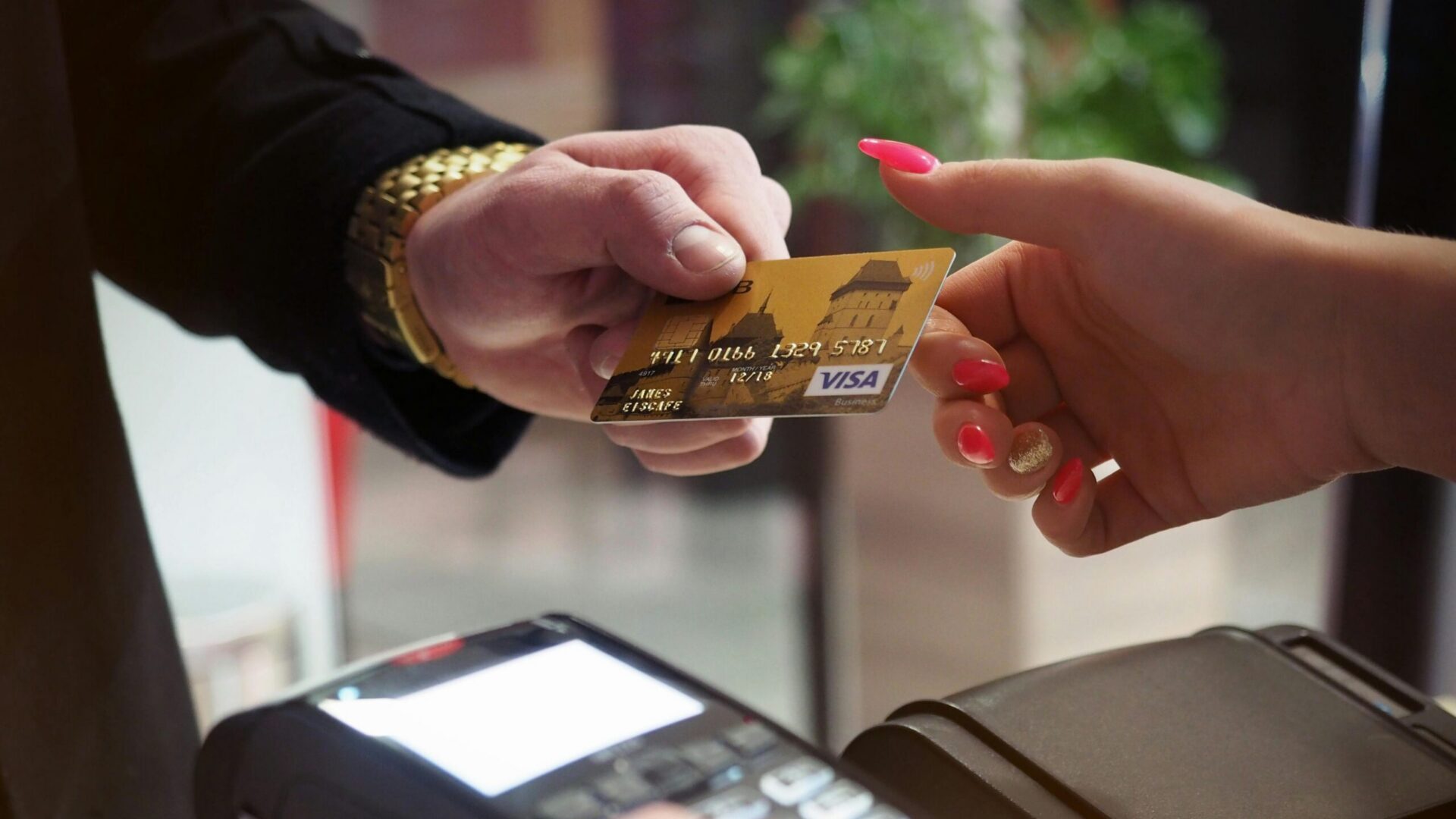
Then there is the check itself. What used to be a straightforward total now frequently includes surprise line items: service charges, wellness surcharges, kitchen appreciation fees, or credit card processing add-ons. The “resort fee” logic has migrated to the dinner table.
Tipping culture has grown equally fraught. A 20% baseline feels less optional than mandatory. Counter-service screens swivel around requesting gratuities. Automatic tips for larger parties blur with separate service charges that may or may not go directly to staff. The act of paying has become a minor cognitive workout.
The USDA Economic Research Service confirms that food-away-from-home prices have risen faster than grocery costs. But for diners, the discomfort isn’t merely economic it’s psychological. When settling a bill triggers uncertainty instead of satisfaction, the glow of the meal dims quickly.
The Experience Itself Feels Different

Beyond price, many Americans sense a shift in atmosphere. The neighborhood restaurant, intimate, familiar, slightly imperfect and is disappearing, squeezed by corporate consolidation and private equity ownership. In its place are concepts optimized for turnover and margin, efficient yet forgettable.
Technology has altered the ritual. QR code menus tether diners to their phones at the exact moment they hoped to unplug. Dining rooms have grown louder, with hard surfaces and open kitchens amplifying sound until conversation requires raised voices. The ambiance once described as “lively” can now feel exhausting.
Add longer waits, tighter menus engineered for efficiency, and the ever-present glow of smartphones at the table, and something intangible has eroded. A recent YouGov survey found 37% of Americans are dining out less frequently than a year ago, with 69% citing rising costs as the primary reason. The food may still satisfy. But for many, the surrounding experience and the anticipation, the warmth, the sense of occasion, no longer feels worth what it costs.