Restaurants May Be Charging Higher Tips Without Diners Realizing It
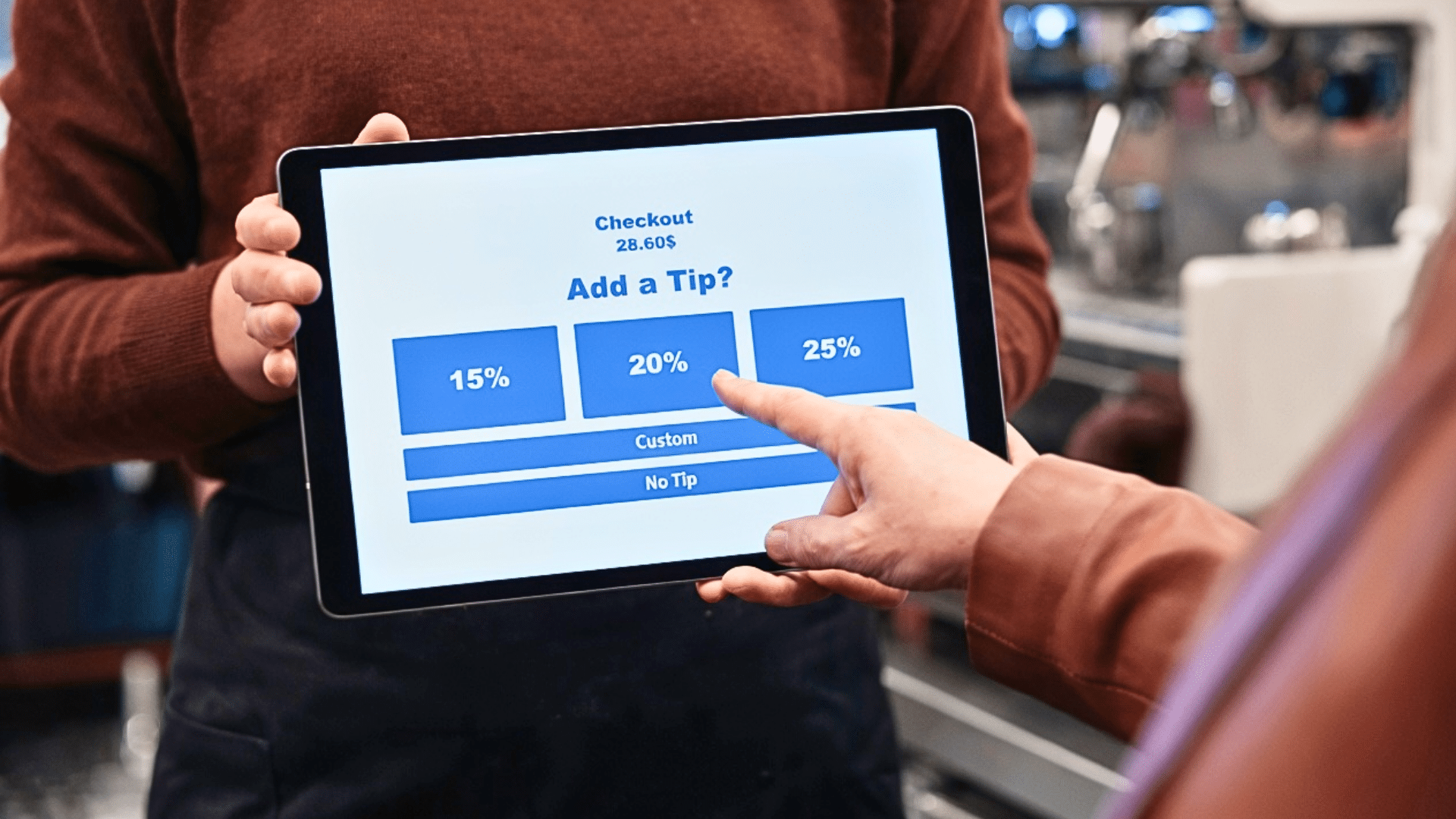

You finish your meal, the server brings the tablet over, and three tip percentages appear on the screen. You tap 20 percent and move on. Simple enough except the number you just agreed to may have been calculated on your post-tax total, not your food and drink subtotal. That gap is small on any single bill but adds up across millions of transactions every year. A controversy at a Dave and Buster’s location recently brought the practice into the open, and restaurant owners and etiquette experts say the problem is far more widespread than one chain.
The Dave and Buster’s Controversy That Started the Conversation
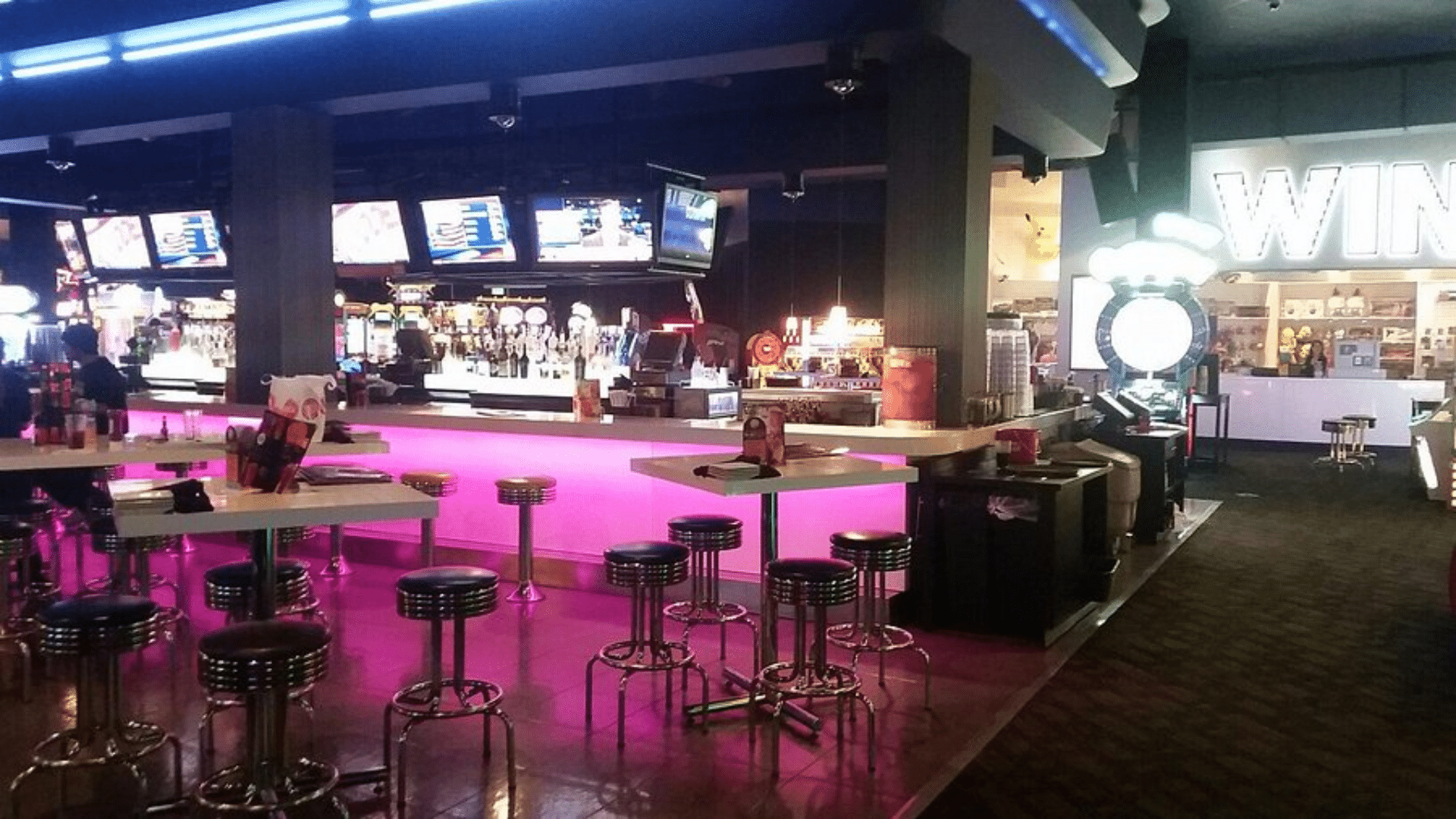
Customers at a Dave and Buster’s location recently noticed something that did not sit right: the suggested tip amounts on their bills appeared to be calculated on the post-tax total rather than the pre-tax subtotal. The backlash spread quickly online, prompting widespread discussion about whether the practice was deceptive, accidental, or simply the new normal hiding in plain sight. Fox News Digital reached out to the Texas-based company for comment. The incident gave a name and a face to something many diners had sensed but could not quite articulate: their tips felt larger than expected.
Why Pre-Tax vs. Post-Tax Actually Matters
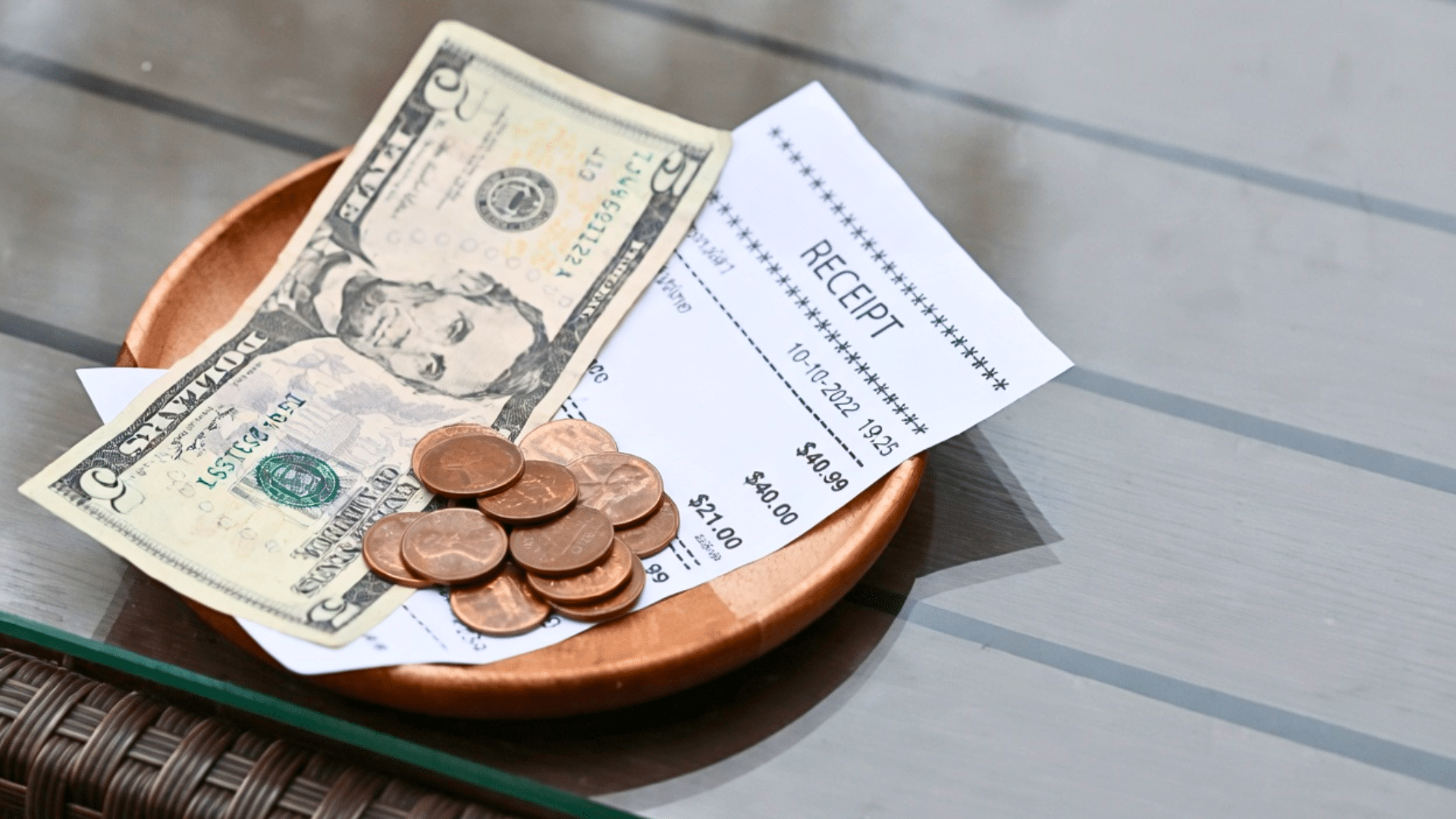
The difference between tipping on a pre-tax subtotal versus a post-tax total may sound like a rounding error, but it compounds quickly. Sales tax in the United States ranges from around 6 to 10 percent depending on the state. When a tip percentage is applied to the taxed total instead of the food bill alone, the customer ends up tipping on money that went directly to the government, not to the restaurant or its staff. Vicki Parmelee, owner of Jumby Bay Island Grill in Jupiter, Florida, described the practice plainly: according to her, post-tax tipping amounts to double-dipping.
Restaurant Owners Say the Math Should Be Simple

Derek Simms, who operates multiple restaurants in Frisco, Texas, was equally direct. A tip, he said, should always be calculated on the subtotal. He noted that diners are increasingly doing the mental math on their receipts and realizing the numbers do not feel right. That growing awareness carries real consequences for restaurants that rely on repeat business. According to Simms, when a customer feels they have been taken advantage of, they simply do not return and bringing customers back is the lifeblood of any restaurant operation, regardless of its size or reputation.
What Etiquette Says About Tipping in the First Place

Lisa Burdette, founder of the Dallas School of Etiquette, offered a broader frame for the conversation. A tip, she said, is fundamentally a gift. Proper etiquette strongly encourages it, but it is not a mandatory charge. Gratuities should reflect the effort, attitude, and quality of service received, not function as an automatic addition to every bill. Her recommended range is 15 to 20 percent for good service and 25 to 30 percent for exceptional service, always calculated on the pre-tax amount. Treating a tip as a discretionary bonus, she argued, is exactly what it was always meant to be.
Suggested Tip Percentages Have Been Quietly Climbing
Beyond the pre-tax versus post-tax question lies a separate but related trend: the baseline percentages appearing on point-of-sale screens have been inching upward for years. Parmelee noted that 18 percent was once considered a solid and generous tip by industry standards. Today, she said, most restaurant-goers she observes never tip below 20 percent, partly because the screens in front of them rarely suggest anything lower. Some establishments start their suggested options at 20, 25, and 30 percent, nudging customers toward higher amounts without any explicit conversation about service quality or expectations.
Some Restaurants Have Removed Suggested Tips Entirely
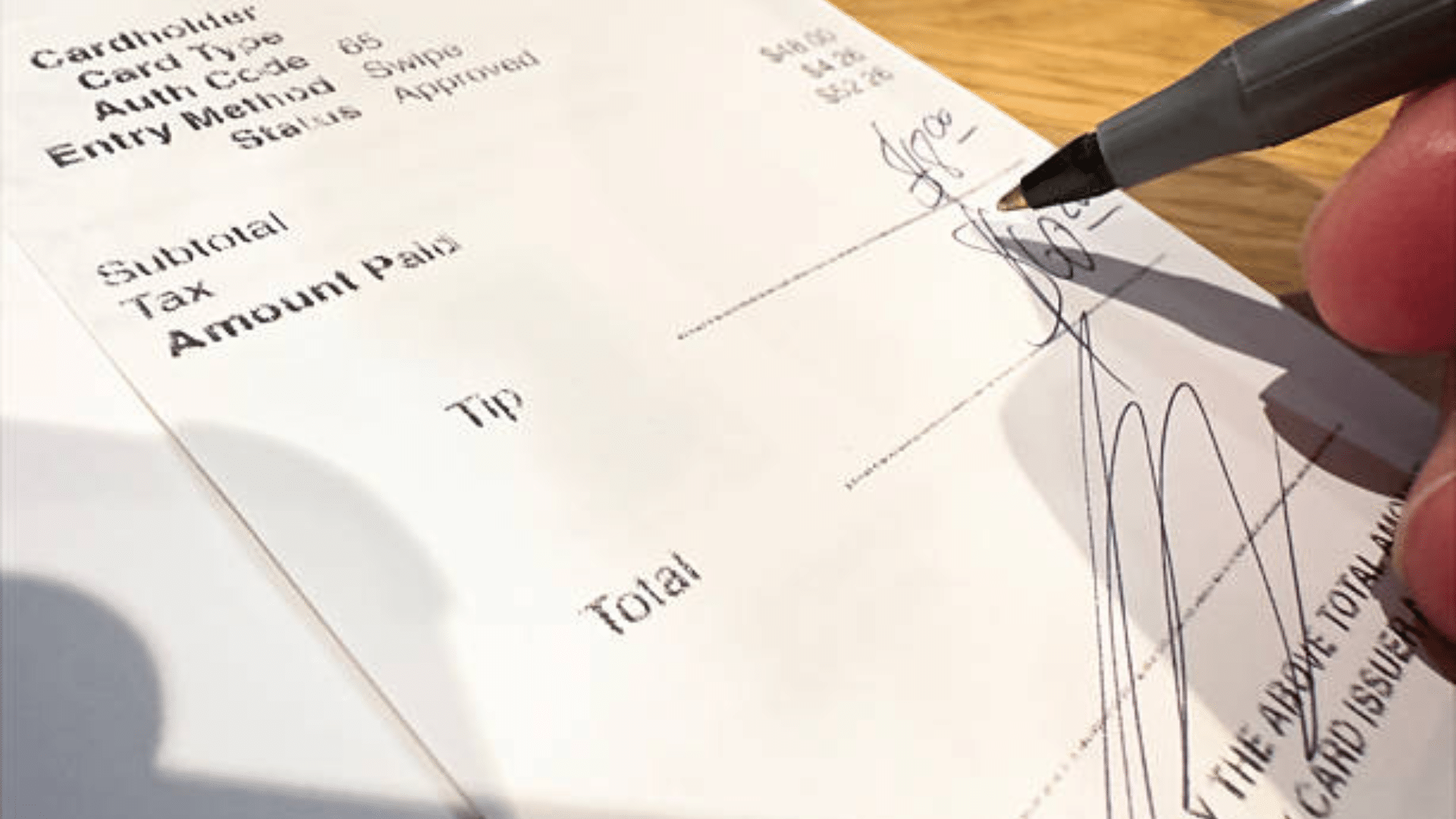
Not every operator is comfortable with how technology has reshaped the tipping experience. Parmelee said her restaurant has opted out of displaying suggested tip amounts on guest receipts altogether, describing her approach as old-school: a tip should be earned, never expected. The decision reflects a philosophy that pre-dates digital payment systems entirely and places the judgment back in the customer’s hands. It also sidesteps the controversy around how percentages are calculated, since removing the suggestion removes the potential for confusion or resentment before it begins.
The Technology Is Easy to Change. Operators Choose Not To.
One of the most important details in this conversation is also one of the least discussed: restaurant operators have full, direct control over how their payment systems calculate and display suggested tips. Parmelee explained that adjusting the percentage calculations on a point-of-sale system is straightforward, and that any operator who does not know how to change the settings can simply call their POS provider’s tech support to have it done. In other words, post-tax tip calculations are not a technical default that restaurants are stuck with. They are a choice someone made and has the power to reverse.
What Diners Can Do Right Now
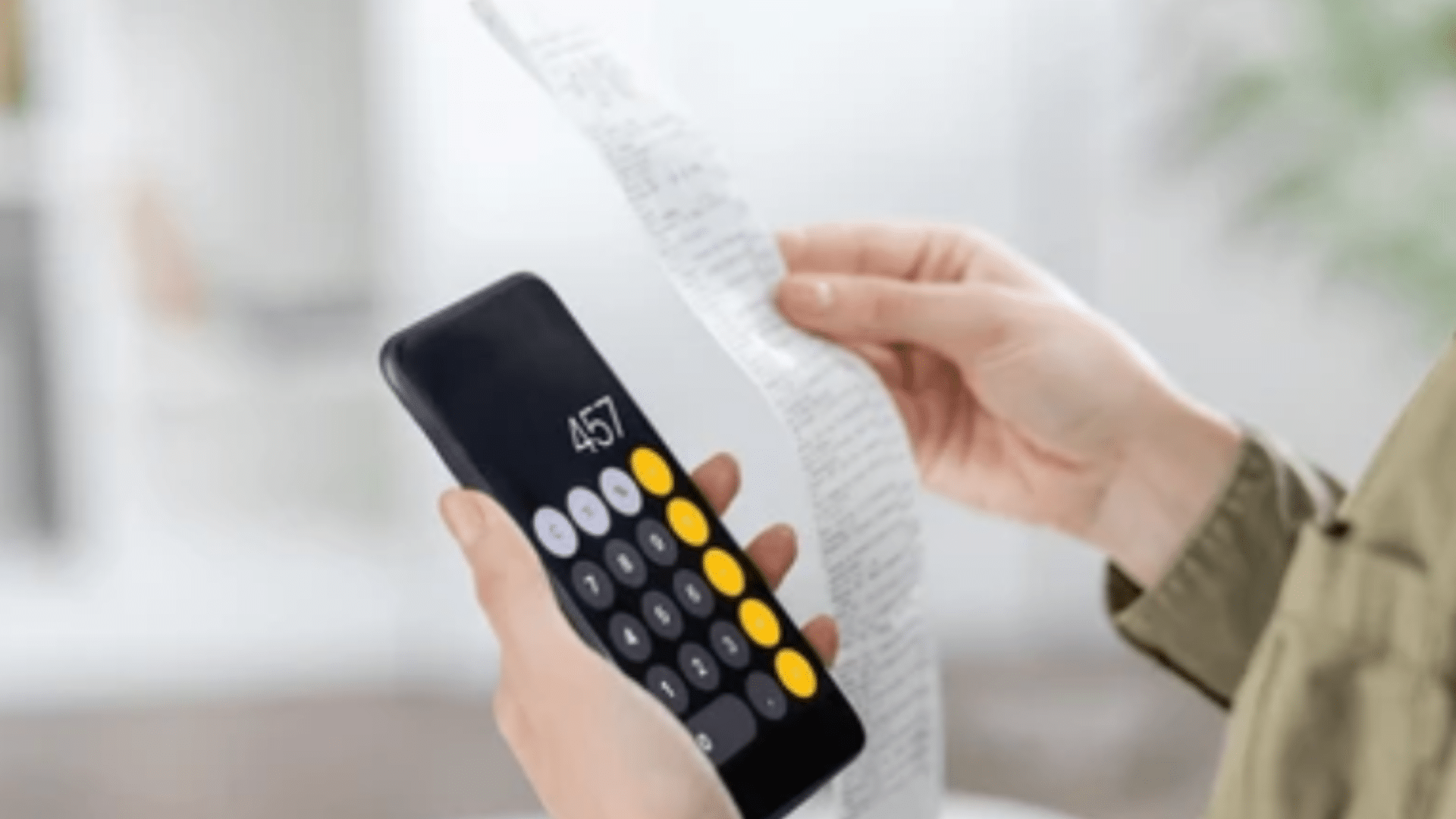
Experts agree that awareness is the most practical tool available to consumers in the current tipping environment. Parmelee encouraged diners to do the math themselves, either mentally or using a phone calculator, rather than defaulting to whatever number appears on the screen. Burdette added a specific caution: watch for preset tip fields on receipts and make sure not to tip twice by filling in the blank line after already selecting a suggested amount on a tablet. Simms encouraged diners to feel confident leaving a lower tip when service genuinely does not warrant the suggested percentage. That confidence, he said, is entirely within every customer’s right.
The Screen Is Not Neutral. Read It Like It Isn’t.

Digital payment systems have changed the tipping experience in ways most diners have not fully registered. The percentages are higher than they used to be. The base they are calculated on may not be what you assume. And the speed of the transaction is designed to minimize the time you spend questioning any of it. None of this is inevitable. Restaurants can change their settings. Diners can do their own math. The trust between a customer and a restaurant is built on transparency. And right now, that transparency is worth paying closer attention to than the suggested tip on the screen.

