Restaurants Rethink Portion Sizes as Ozempic Use Expands
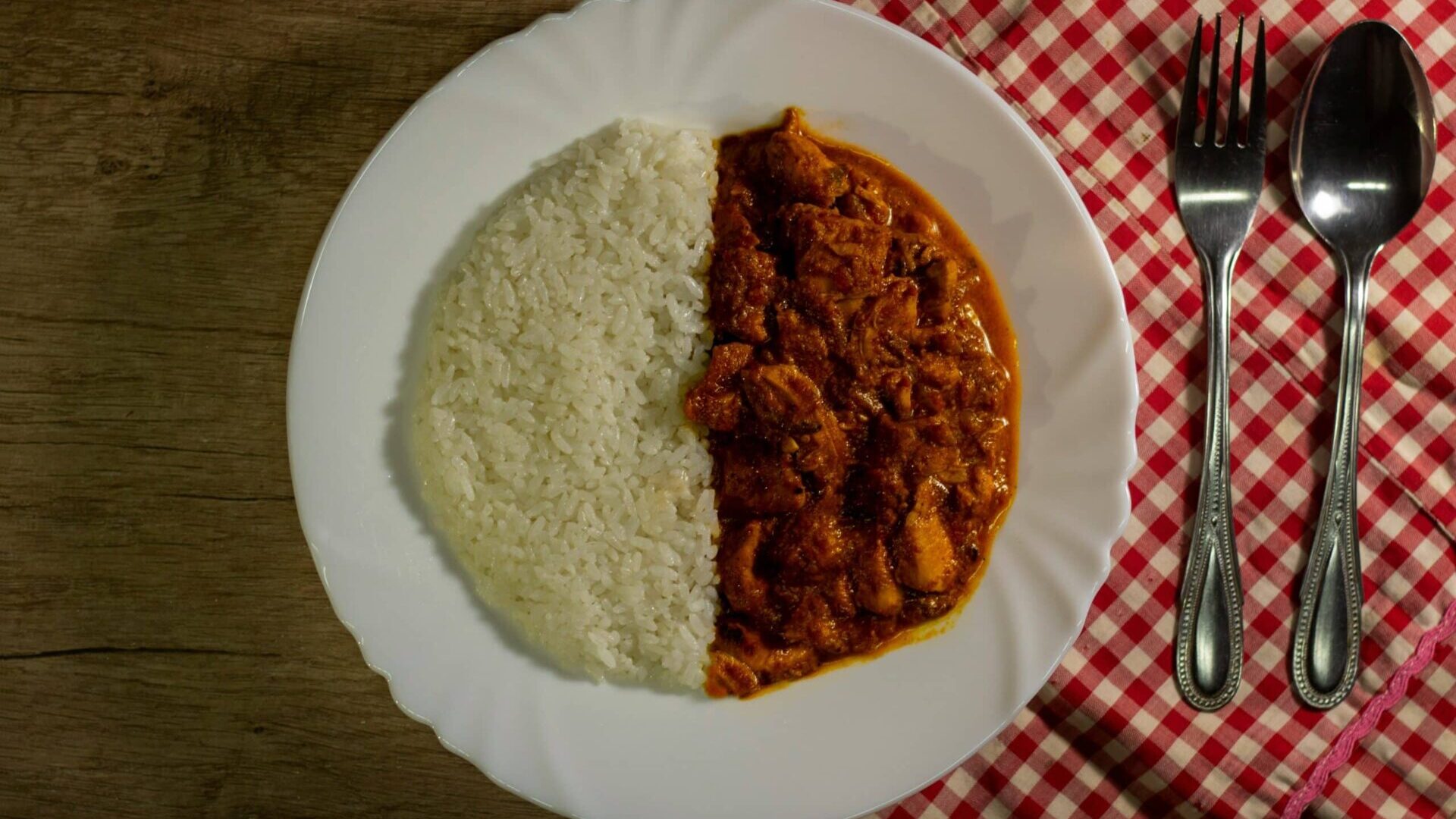

For longtime New Yorker Lina Axmacher, food was once central to her social life — cocktails, desserts, and indulgent dinners included. That changed when she started taking Ozempic, which quickly reduced her appetite and led to a 20-pound weight loss in under two months.
But losing hunger didn’t mean losing her desire to socialize.
Axmacher still wanted to go out with friends, even if she couldn’t finish a full plate. Restaurants like Manhattan’s Le Petit Village made that easier by offering smaller portions at lower prices, allowing diners on GLP-1 medications to stay part of the city’s dining culture without waste or discomfort.
Why Restaurants Are Downsizing Menus
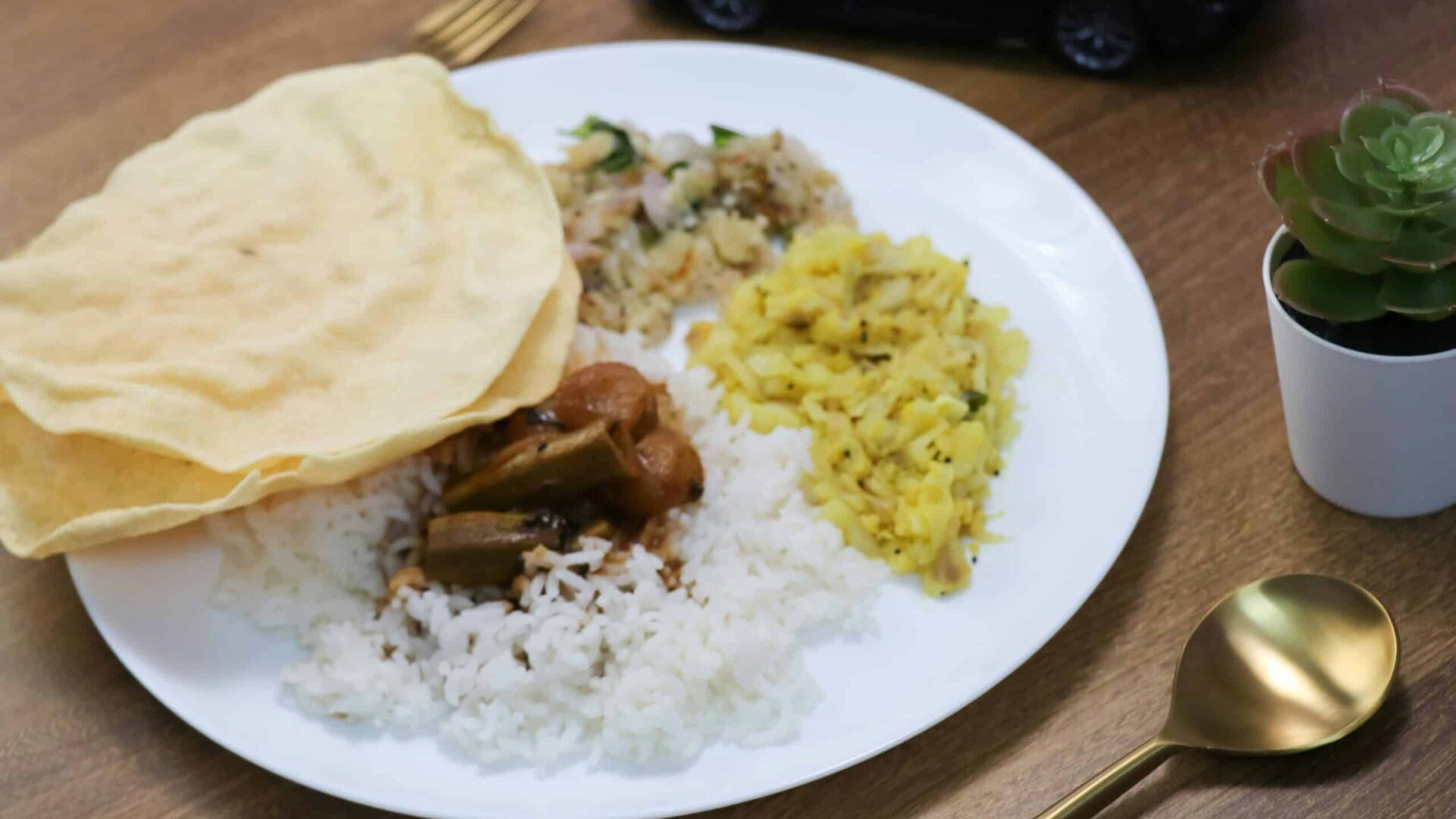
Roughly one in eight American adults is currently using GLP-1 drugs such as Ozempic or Wegovy, according to a recent KFF poll. As more diners eat less, restaurant owners are noticing unfinished meals piling up.
That waste sparked a rethink.
At Clinton Hall in New York, owner Aristotle Hatzigeorgiou saw customers taking only a few bites before stopping. In response, he created an $8 “teeny-weeny mini meal” featuring a bite-sized burger, fries, and a small drink — a sharp contrast to the restaurant’s famously indulgent dishes.
Smaller Portions, Lower Prices, Broader Appeal
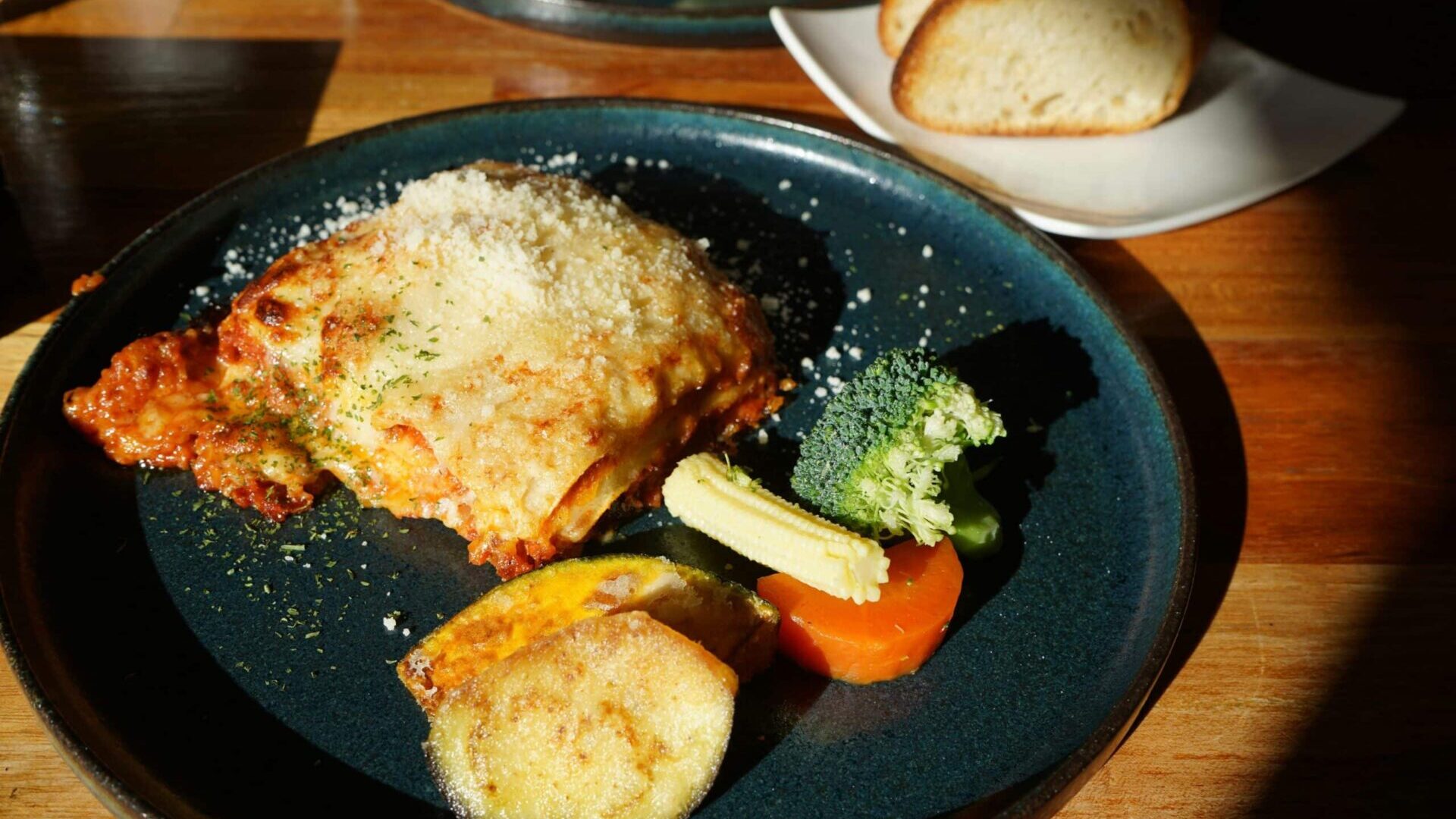
While these mini meals cater to Ozempic users, they’re also attracting customers feeling the squeeze of inflation. Rising rent, food prices, and everyday expenses have made traditional dining out harder to justify.
The smaller plates offer a solution.
By giving people a cheaper option to go out, restaurants can draw in budget-conscious diners as well as those eating less for health reasons. Hatzigeorgiou says the approach has been working — and some customers even remark that these portions feel like what meals used to look like before the super-sized era.
A Cultural Shift Around Food and Hunger
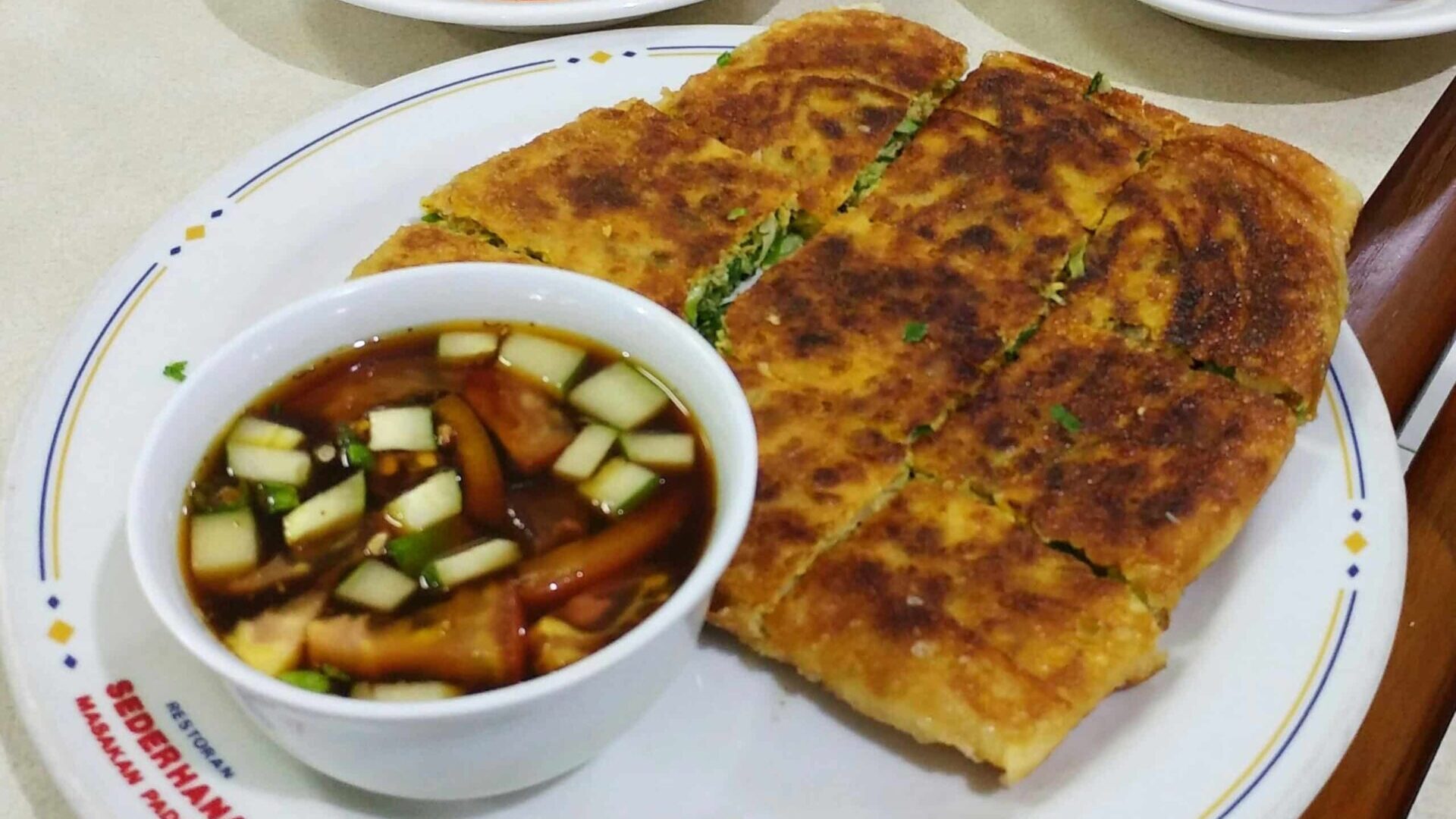
Nutrition experts say the rise of GLP-1 drugs could fundamentally change how people relate to food. Marion Nestle, a professor emerita at NYU, notes that when hunger disappears, food can feel less like pleasure and more like obligation.
The long-term impact remains unclear.
While side effects and unknown consequences remain, Nestle says the shift toward smaller portions may ultimately be positive. As restaurants expand half-sized options and rethink portion norms, the Ozempic era may be nudging American dining culture back toward what some now call the “right-sized meal.”