Restaurants Warned as Customer Accused of Using “New Scam” to Avoid $600 Bill

Restaurants are being urged to stay vigilant after a shocking incident in Sydney, Australia, where a family was accused of staging a contamination complaint to avoid paying a hefty dining bill. The alleged scheme, described by hospitality professionals as both unusual and concerning, has sparked broader discussions about customer fraud in the industry.
According to reports, the incident occurred at Pony Dining in The Rocks, a well-known Sydney steakhouse. Staff claimed that the family ordered several high-value menu items, including a large tomahawk steak, entrées, and drinks, accumulating a bill of approximately $600. Only after finishing their meal did the diners reportedly complain about finding a hair in their food and refused to pay.
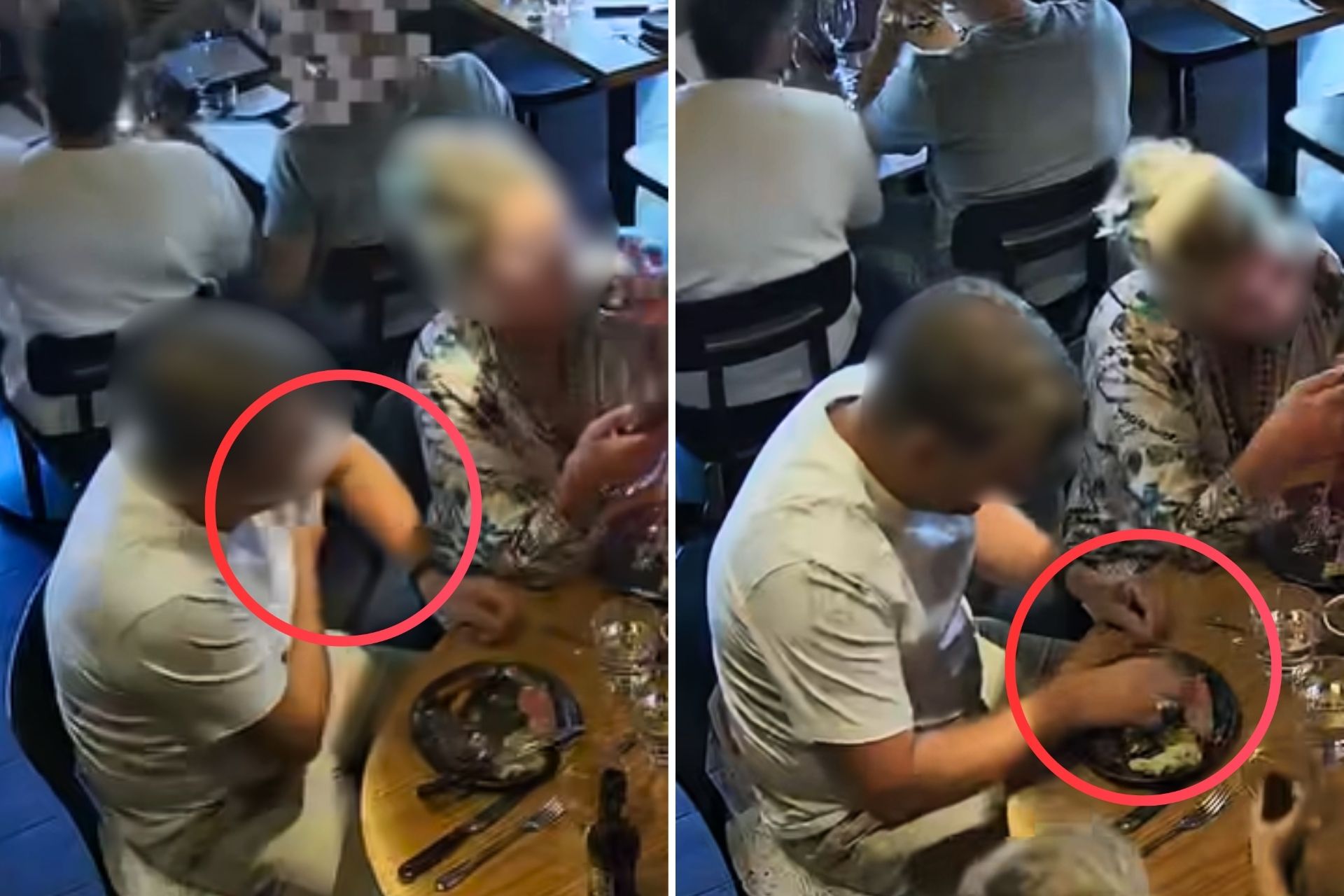
The situation escalated when restaurant employees reviewed CCTV footage, which they say appeared to show a man pulling a hair from his own armpit and placing it on his plate. The allegation has prompted warnings across the hospitality sector about what some are calling a “new scam” designed to exploit food safety concerns.
What Allegedly Happened at the Restaurant
Staff members at Pony Dining stated that the complaint was raised only after the group had completed their meal, a detail that immediately raised suspicions. The hair in question was described as blonde, which reportedly did not match any of the kitchen staff, further fueling doubts about its origin.
Chef Neil Nolan, who has led the kitchen for more than two decades, said the alleged tactic was unlike anything he had encountered in his career. He described the incident as “another level of trying to scam,” emphasizing the shock felt by staff and management. Employees also reported that the customer became increasingly agitated during the confrontation, raising his voice and refusing to settle any portion of the bill.
Ultimately, management decided to waive the entire amount to defuse the situation and minimize disruption to other guests. While this decision helped restore calm in the dining room, it also meant the restaurant absorbed a significant financial loss, highlighting the challenges businesses face when dealing with such disputes.
Evidence and Similar Allegations
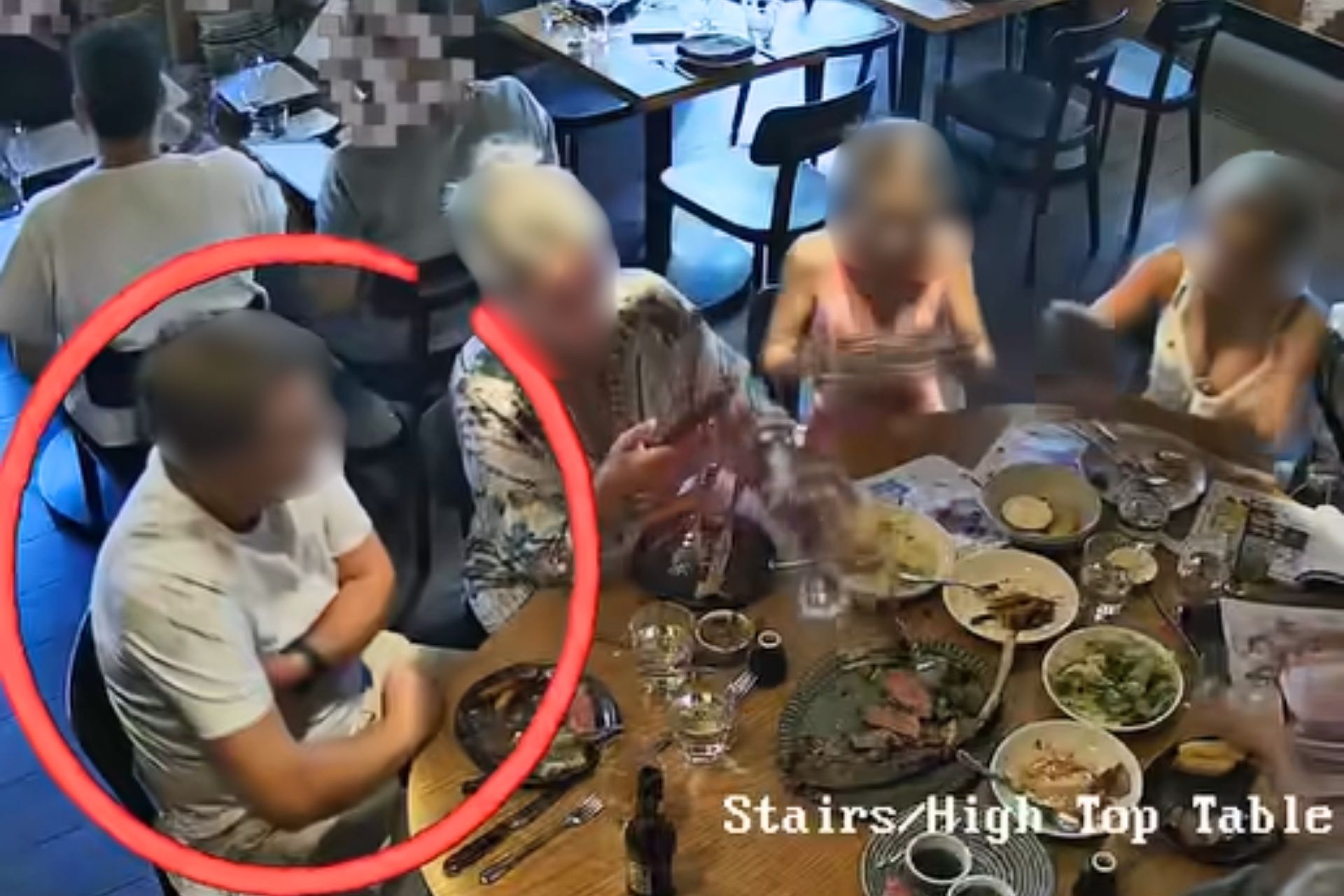
The restaurant later shared the CCTV footage on a Facebook post in an effort to alert other hospitality operators and raise awareness about the alleged scam. The video reportedly shows a diner reaching under his arm, removing a hair, and placing it onto a plate after the meal had been consumed. This visual evidence has played a central role in shaping public perception of the incident.
Further complicating the situation, the restaurant claimed it learned of similar allegations involving what is believed to be the same family at another nearby venue. This raised concerns that the act may not have been an isolated incident but part of a broader pattern targeting multiple establishments.
Despite these claims, police reportedly advised that there was limited immediate action they could take, particularly given the challenges of pursuing such cases after the individuals had left the area. The booking details provided by the diners were allegedly false, making it even more difficult for authorities to follow up on the matter.
The Broader Impact on the Hospitality Industry
Incidents like this underscore the vulnerability of restaurants to fraudulent complaints. Food contamination claims are taken seriously due to public health regulations and the potential reputational damage they can cause. As a result, many establishments may choose to waive bills rather than risk escalating disputes or negative publicity.
Hospitality experts note that while genuine complaints are relatively common and should always be addressed with care, deliberate attempts to exploit these concerns can place significant financial and emotional strain on businesses. For smaller venues operating on thin profit margins, a single incident involving a large unpaid bill can have a meaningful impact.
In response, industry professionals are encouraging restaurants to implement preventive measures such as maintaining clear complaint procedures, investing in surveillance systems, and training staff to handle disputes calmly and effectively. These steps can help balance customer service with the need to protect businesses from potential scams.
Legal and Ethical Considerations

From a legal standpoint, intentionally staging a contamination complaint to avoid payment could constitute fraud or theft of services, depending on the jurisdiction. However, pursuing legal action can be complicated, particularly when evidence is limited or the individuals involved cannot be easily identified.
The incident also raises broader ethical questions about consumer behavior and accountability. While restaurants are expected to uphold high standards of hygiene and customer satisfaction, patrons also bear responsibility for acting in good faith. False allegations not only harm businesses financially but can also undermine trust within the dining experience.
Ultimately, the Sydney case serves as a cautionary tale for both restaurateurs and diners. For the hospitality industry, it highlights the importance of vigilance and preparedness in addressing suspicious situations. For customers, it reinforces the expectation of honesty and respect in shared public spaces. As awareness grows, establishments hope that increased scrutiny will deter similar incidents in the future.