Retail Giant in a “Death Spiral” Loses 99.8% of Its Stores


Sears used to be the kind of retailer people planned their weekends around. Now, the chain sits at a stunning low point: five remaining Sears stores in the U.S., after once operating thousands. Retail experts describe the decline as a long-running “death spiral,” driven by years of strategic drift and missed reinvention.
The Store Count That Tells the Whole Story
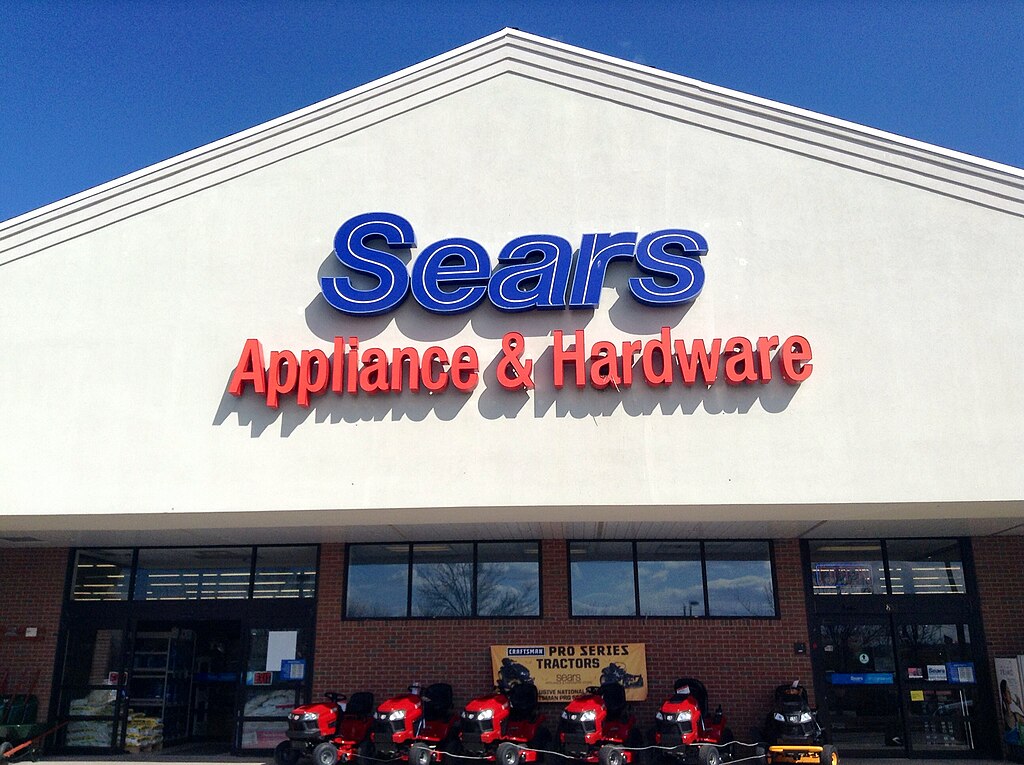
At the 2005 merger that created Sears Holdings, the combined Sears and Kmart footprint totaled about 3,500 U.S. stores. The collapse also fits into the wider trend of once-popular retail store closures, as legacy chains shrink their footprints nationwide. Today, Sears operates five locations, which works out to a loss of roughly 99.9% of that footprint.
A Brand That Once Shaped American Life

Sears built its dominance by making shopping feel accessible, first through catalogs and then as a mall anchor. It sold trusted household staples and created brands that became part of everyday routines, especially in appliances and tools. That legacy makes the current footprint feel especially stark.
Why Experts Call It a “Death Spiral”
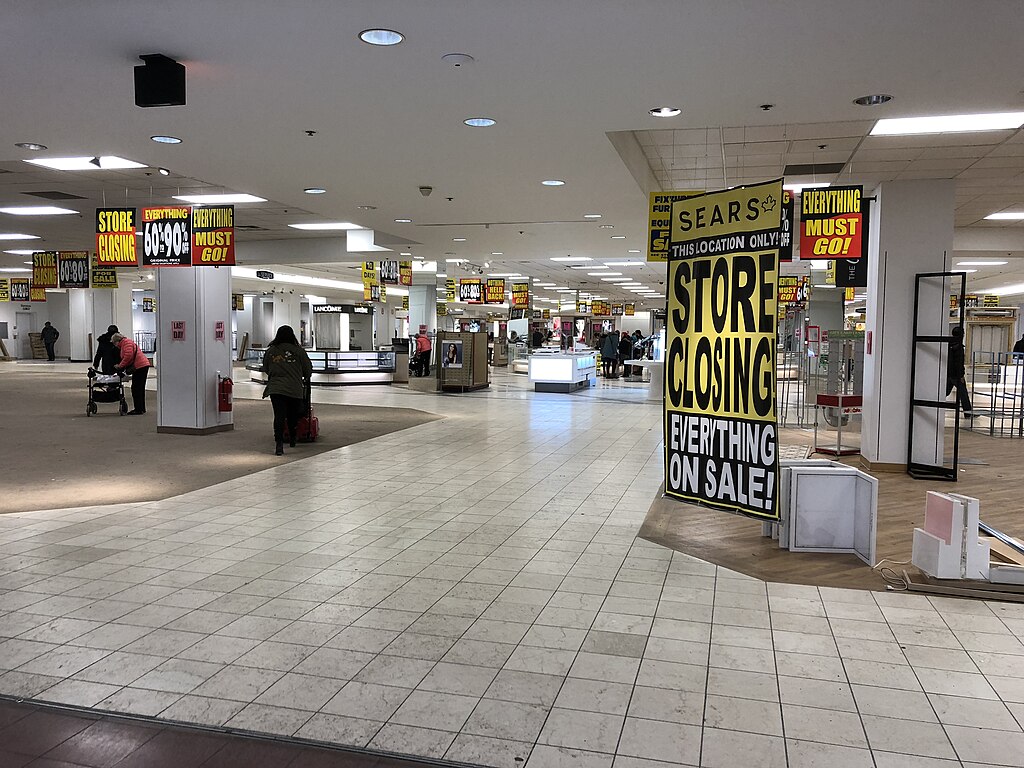
Former Sears executive Mark Cohen said the company had been on a “death spiral” for well over a decade and lost sight of constant change. In the same reporting, he pointed to the failure to keep innovating as the root issue. The label stuck because the decline kept compounding year after year.
Bankruptcy Didn’t Reset the Trajectory

Sears filed for bankruptcy in 2018 after years of losses and shrinking relevance. Eddie Lampert, who bought Sears and merged it with Kmart, later purchased the company’s remaining assets out of bankruptcy with promises of a turnaround. The footprint continued to shrink after that, leaving the chain on “life support,” as experts put it.
What’s Left Today
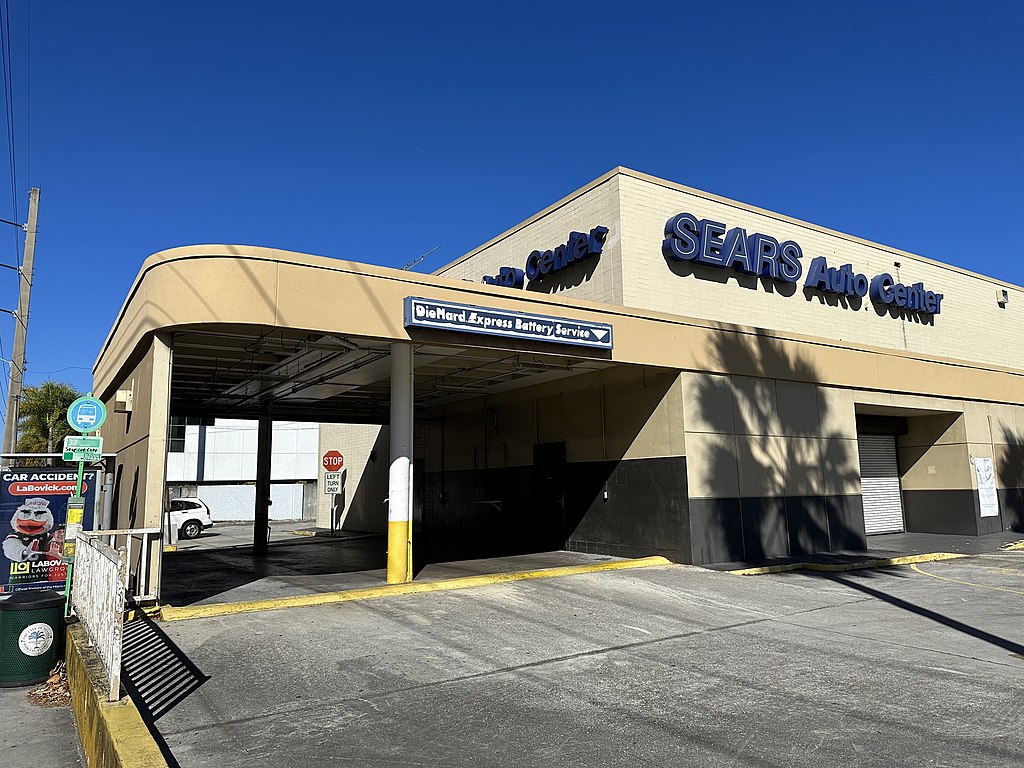
CNN reports that one remaining Sears store operates as a standalone location in Coral Gables, Florida, and four others operate in malls in Braintree (Massachusetts), Concord (California), El Paso (Texas), and Orlando (Florida). Analysts told CNN these stores are unlikely to revive the brand. The article also notes redevelopment pressure on at least one site.
Underinvestment Showed Up in the Basics
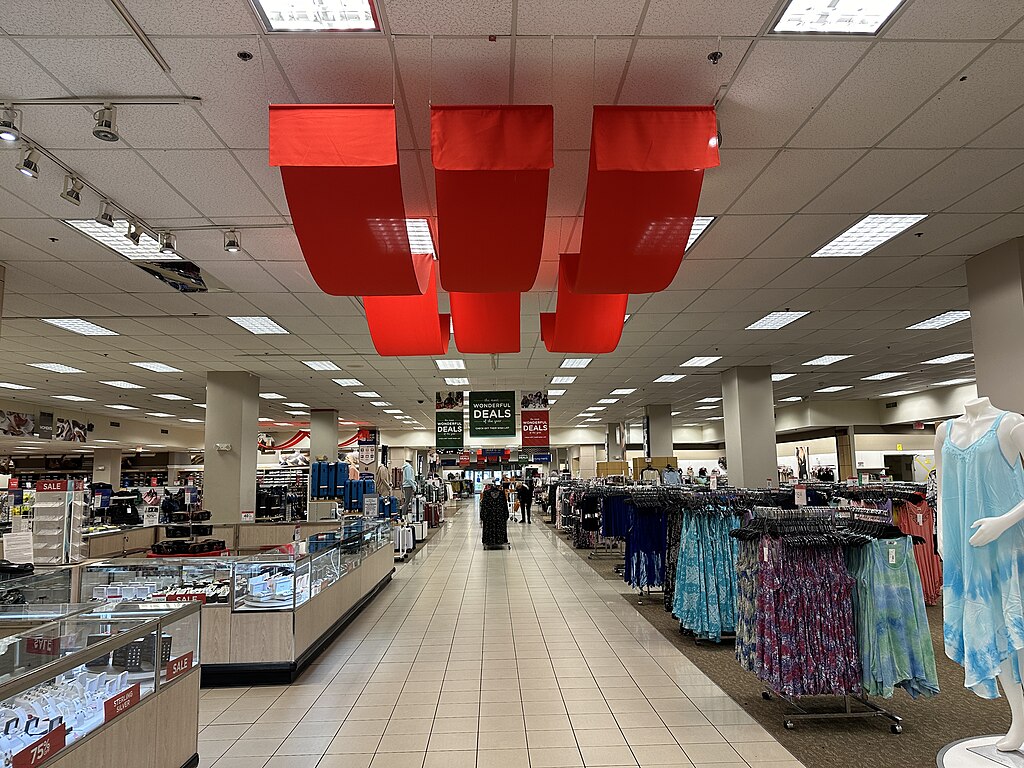
A core theme across expert commentary is neglect. CNN quotes Cohen describing stores that feel like “phantoms,” with little to sell, and another retail analyst saying the idea these few stores make money does not hold up. That picture matches the broader criticism that Sears did not modernize its retail experience in time.
Digital Change Happened, Sears Didn’t Match It
An analysis Sears’ decline describes missed opportunities as consumer shopping habits moved online and expectations shifted toward smooth omnichannel experiences. The piece argues Sears struggled with long-running strategy and operational issues that kept it from competing effectively in a modern retail environment. The result showed up as thinning traffic, weaker perception, and shrinking relevance.
The Human Cost Behind the Closures

At its height, Sears supported large workforces and offered benefits that became a pathway to middle-class stability for many employees. During the bankruptcy era, frontline workers worried about walking away with little, even as court-approved executive bonuses drew attention. The end of a chain like Sears lands hardest on people who built their lives around it.
What Sears’ Collapse Signals for Other Retailers
Sears’ story highlights how quickly a famous name can lose ground when it stops adapting. Retail commentators in the reporting frame the lesson plainly: brands need to stay competitive across how people shop, what they sell, and how well they execute. Sears helped invent modern retail in America, then struggled to keep up with the modern version of it.

