RFK Jr. Claims ‘Lies’ Made Americans Sick, Now He’s Taking It Public With New Podcast
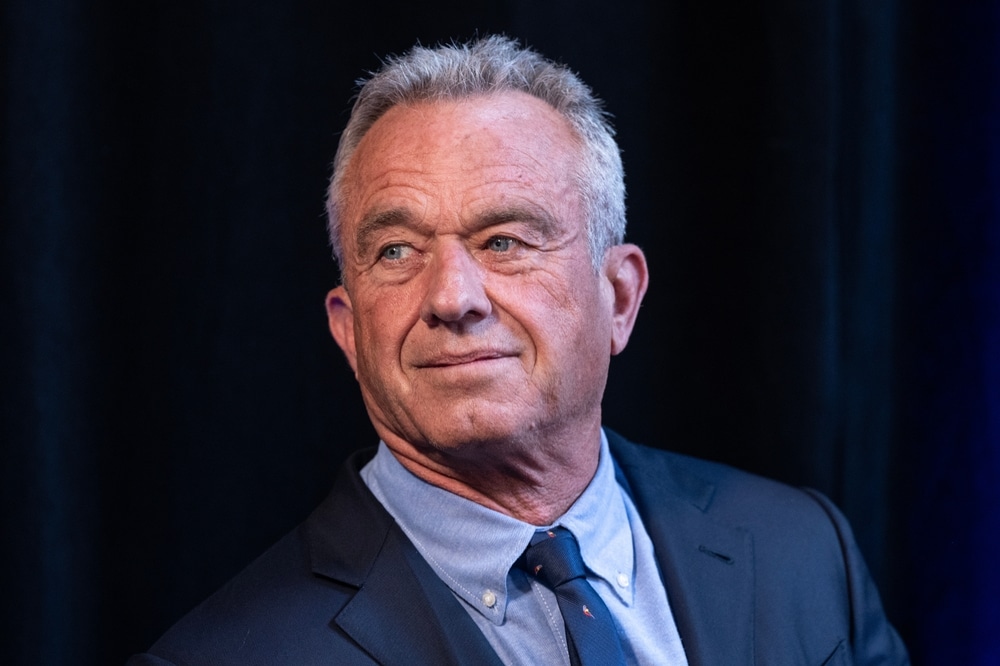

Health Secretary Robert F. Kennedy Jr. is launching a new podcast that he says will usher in “a new era of radical transparency in government.” The show, titled The Secretary Kennedy Podcast, is set to debut soon and will feature conversations with doctors, scientists, and officials from the Department of Health and Human Services.
In a teaser video, Kennedy frames the podcast as a platform to expose what he describes as corruption and misinformation affecting public health. He says the show will “name the names” of forces he believes have obstructed progress, positioning the project as both investigative and confrontational.
Officials say the podcast is part of a broader effort to expand the government’s messaging reach, using long-form and social media-friendly formats to connect with audiences. Episodes are expected to be released regularly and clipped for wider distribution online.
The Broader Context Behind the Launch
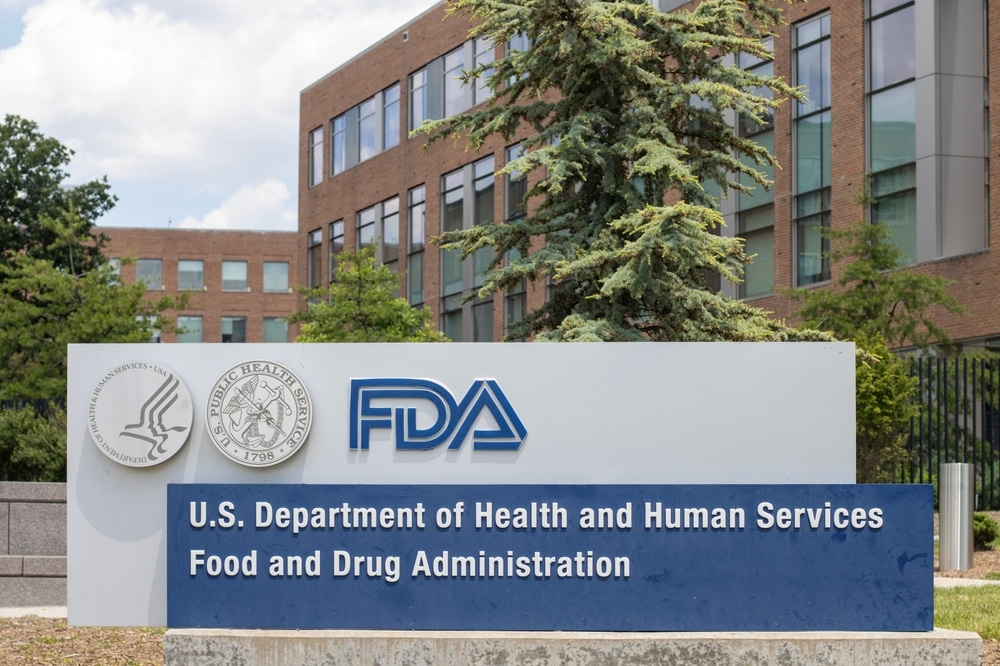
The podcast arrives at a moment of turbulence for the Department of Health and Human Services. Recent months have brought criticism over changes to vaccine policies, legal challenges that have blocked some initiatives, and political resistance to key appointments.
Against that backdrop, the podcast is seen by some as part of a strategic pivot. Administration officials have indicated a shift toward topics such as nutrition, chronic disease, and food quality—areas they view as less politically divisive and more broadly appealing to voters.
Kennedy’s move also reflects a return to a familiar format. Before entering government, he frequently appeared on podcasts and hosted his own, using long-form interviews to promote his views. The new show builds on that experience but brings it into an official government setting.
Supporters See Outreach, Critics Warn of Risks
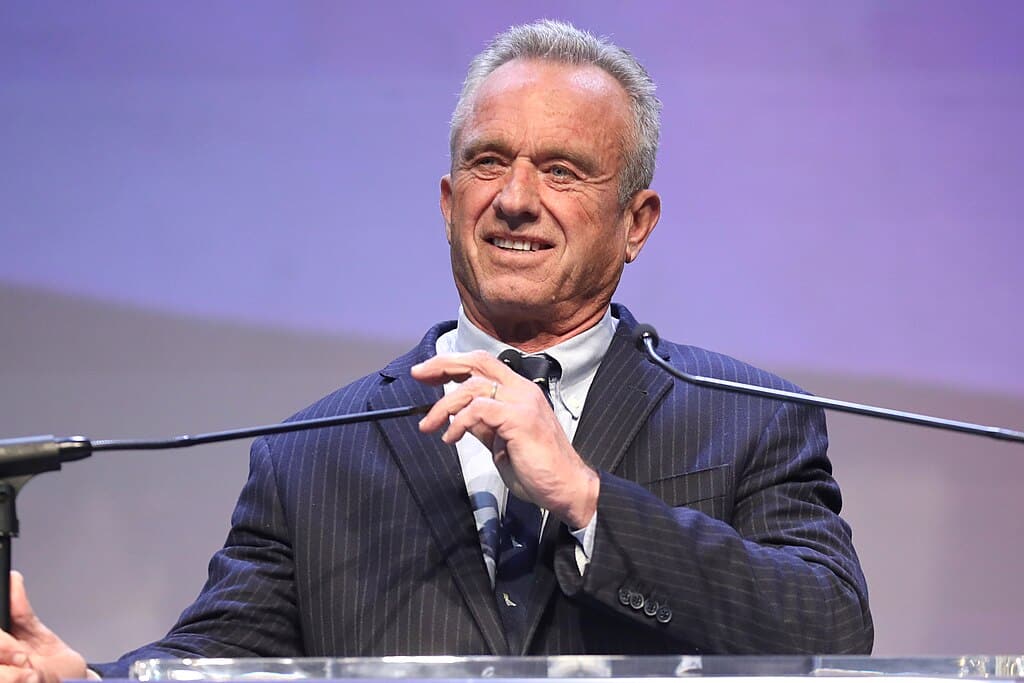
Supporters within the administration argue the podcast will help communicate public health priorities more directly. Officials say it aligns with efforts to promote the “Make America Healthy Again” agenda and reach audiences beyond traditional media channels.
Media experts note that podcasts offer a conversational and less adversarial environment, allowing public figures to present ideas in depth. Their format, often shared as short clips across platforms, can significantly amplify reach and influence.
However, critics have raised concerns about the potential impact. Some public health experts warn that Kennedy’s views, which have at times diverged from scientific consensus, could gain further traction through an official government platform. Others argue the format may allow messaging to go largely unchallenged, increasing the risk of misinformation spreading more widely.
What the Podcast Could Mean Going Forward
The launch marks a notable shift in how government agencies communicate with the public. Officials say the podcast will address issues such as affordability, chronic disease, and improving nutrition—topics they believe resonate with a wide audience.
At the same time, the move reflects a broader trend of institutions adopting digital-first strategies to shape public narratives. By embracing podcasting as an official channel, the administration is signaling a willingness to bypass traditional media gatekeepers.
As the show rolls out, its impact will likely depend on both its content and reception. With a mix of political, scientific, and public health implications, the podcast is poised to become a focal point in ongoing debates about information, trust, and the role of government in shaping health discourse.

