RFK Jr. Flips the ‘Food Pyramid’ Upside Down, Tells America What to Eat Daily Because Experts Got It ‘Wrong’
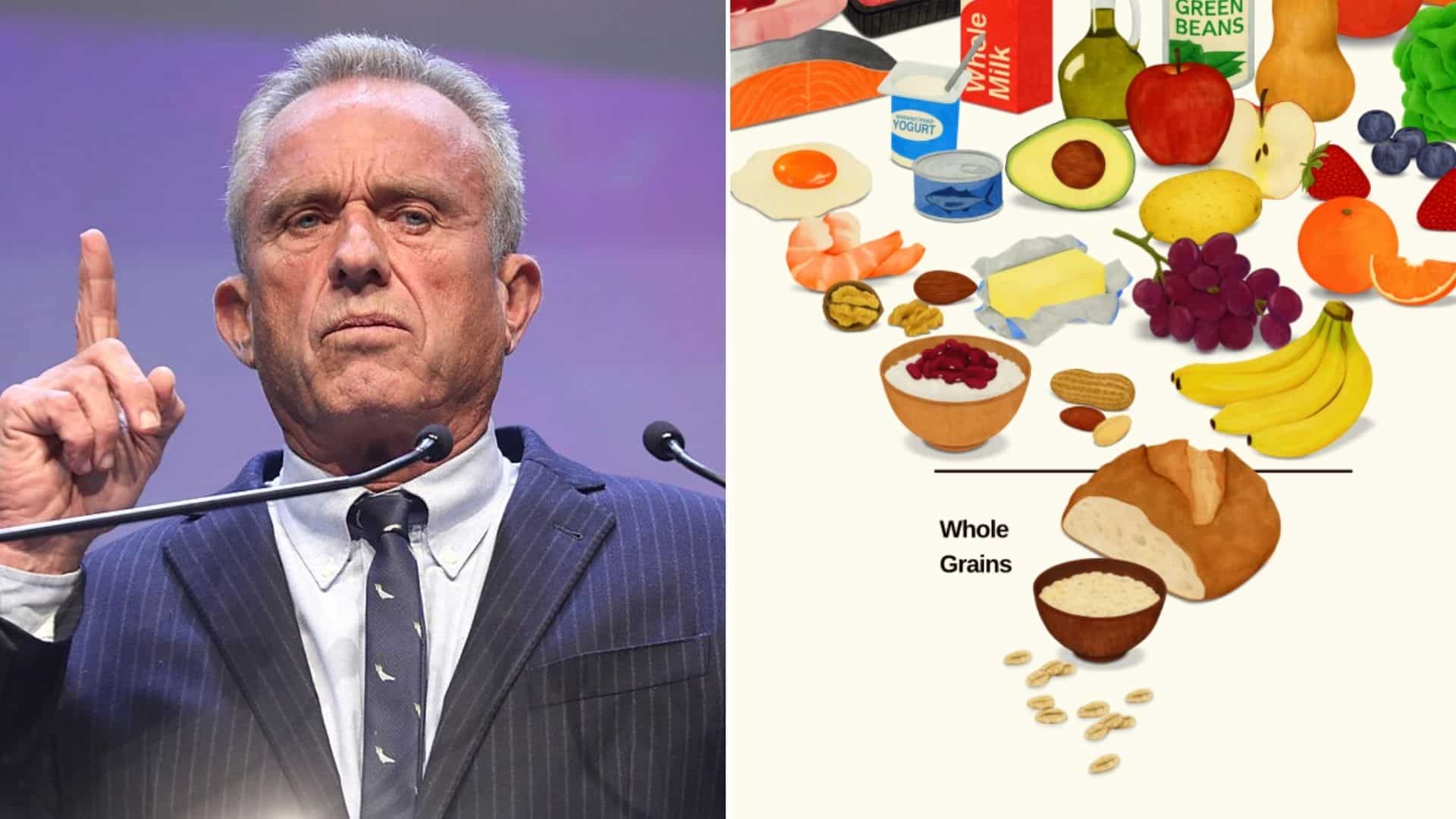

In January 2026, the U.S. government unveiled a dramatic shift in how Americans are told to eat. Led by Health Secretary Robert F. Kennedy Jr., the new 2025–2030 Dietary Guidelines represent a “historic reset.” This 10-page document replaces a 150-page manual, swapping complex data for a simple, “common sense” message. But critics say it risks ignoring decades of nutrition science.
A New Shape for Nutrition
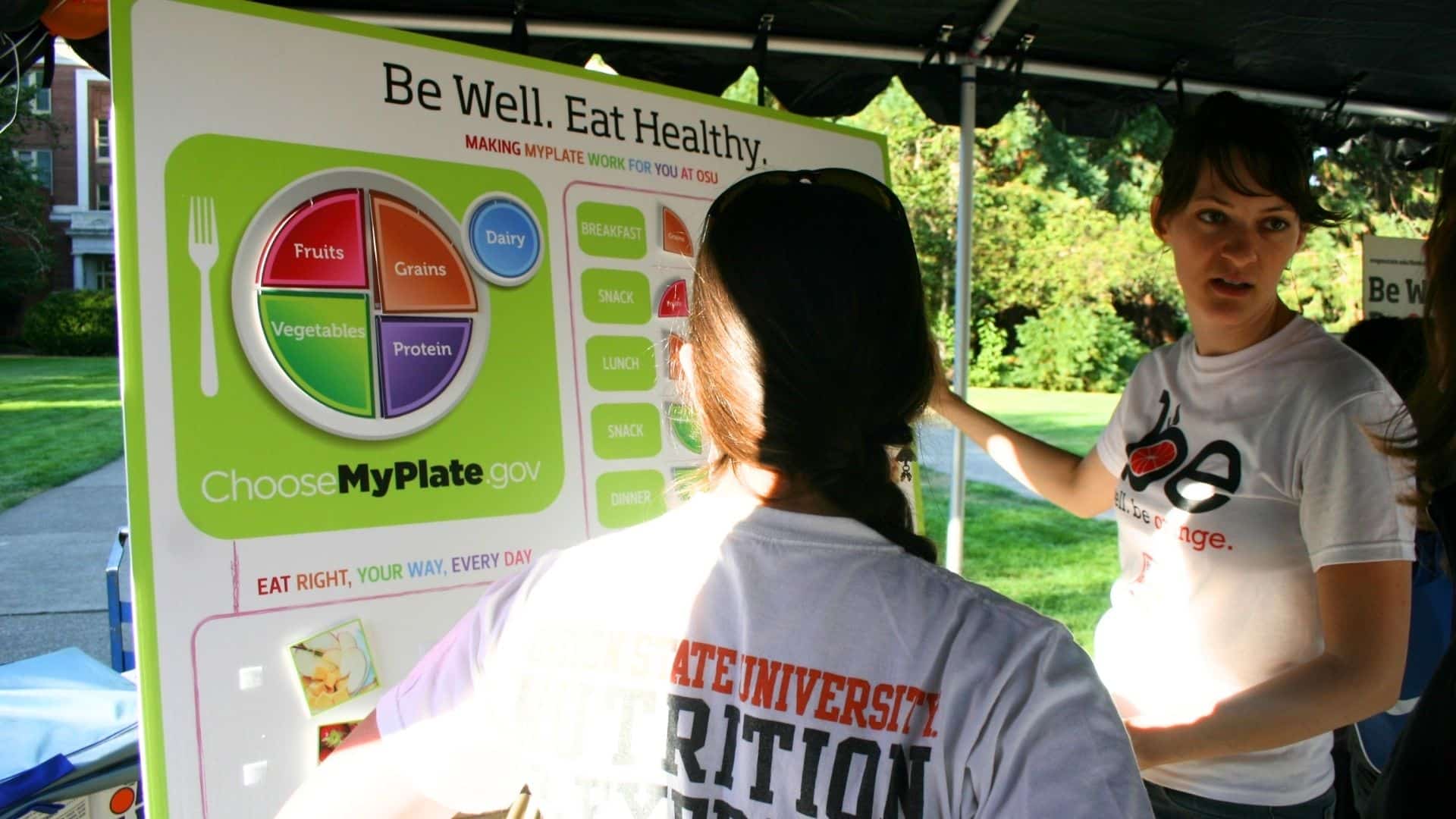
The iconic “MyPlate” symbol has been retired in favor of a returning classic: the food pyramid. However, there is a major twist. The new pyramid is effectively turned on its head to prioritize high-quality proteins and healthy fats. RFK Jr. described this as “reclaiming the food pyramid” to nourish a nation currently struggling with high rates of obesity.
Protein Takes the Top Spot
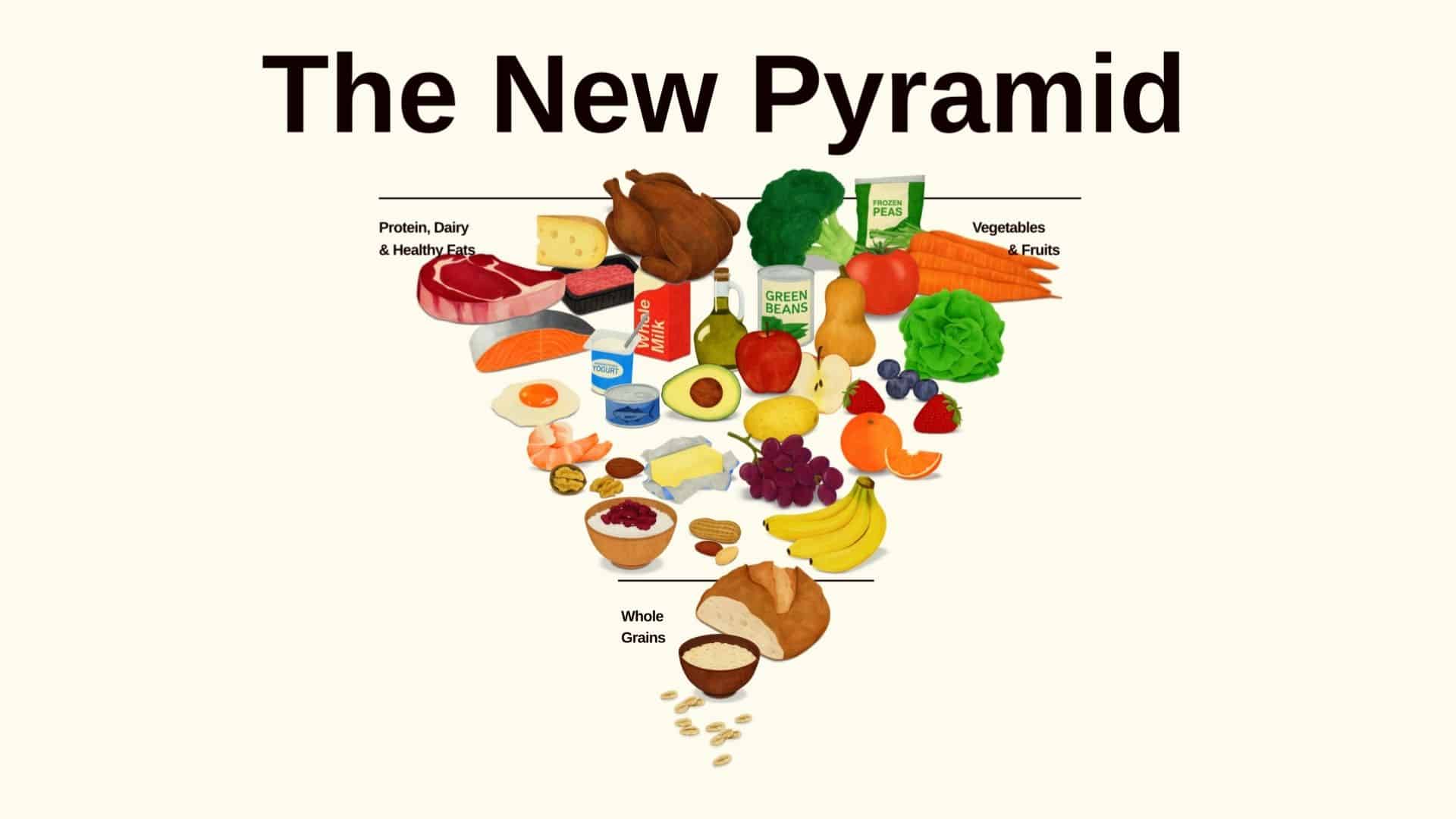
At the widest part of the new pyramid, you will find red meat, poultry, and eggs. The guidelines increase daily protein targets significantly suggesting roughly 1.2 to 1.6 grams per kilogram of body weight. This is a sharp increase from previous minimums, framing protein as the essential building block for every meal to support muscle and metabolic health.
Ending the War on Fat
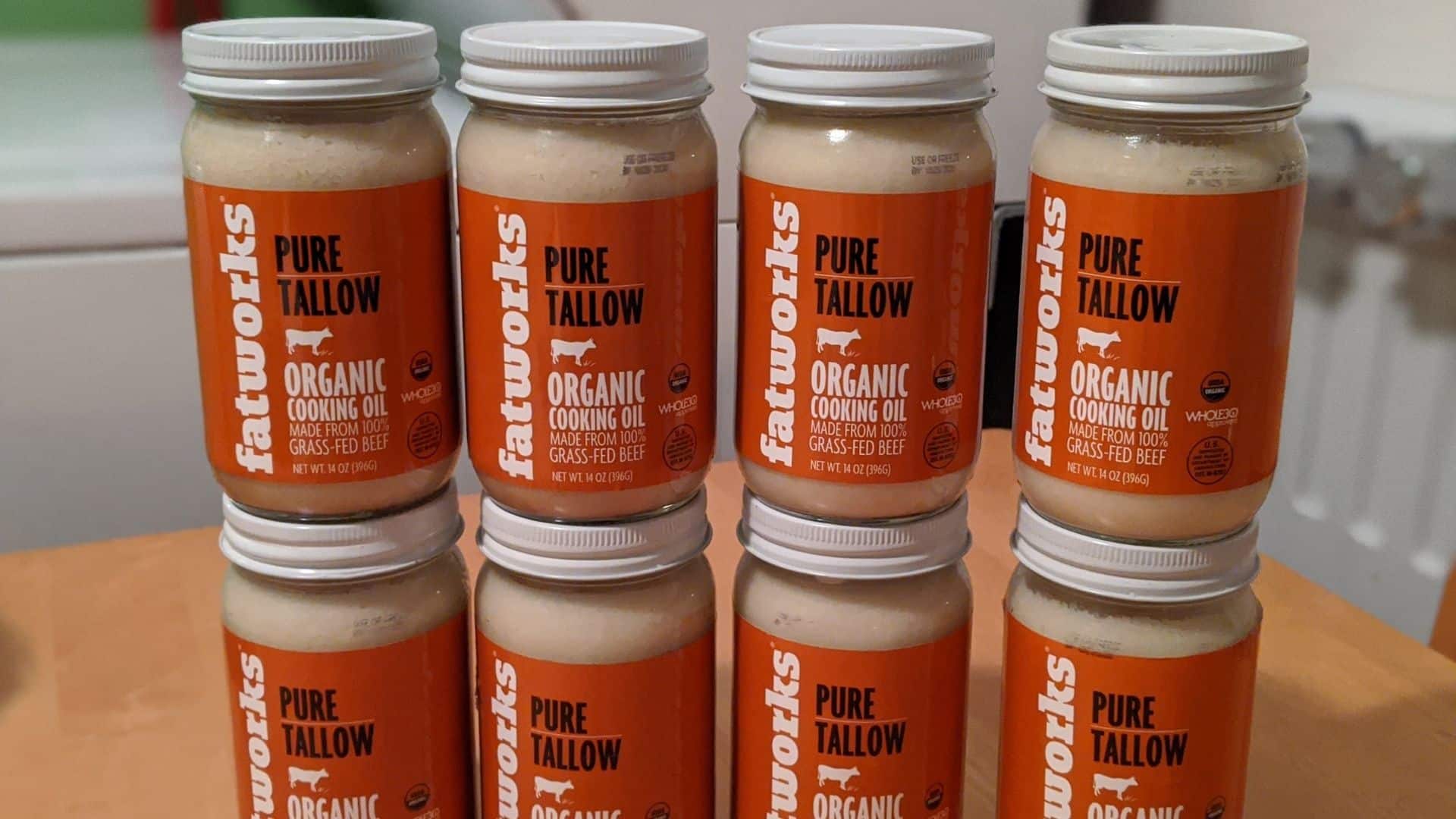
For decades, Americans were told to avoid saturated fats to protect their hearts. RFK Jr. has officially declared an “ending to the war on saturated fats.” The new advice encourages healthy fats from whole sources like butter, beef tallow, and avocados. While experts are divided, the administration argues these natural fats were “wrongly discouraged” in the past guidelines.
The Dairy Revolution
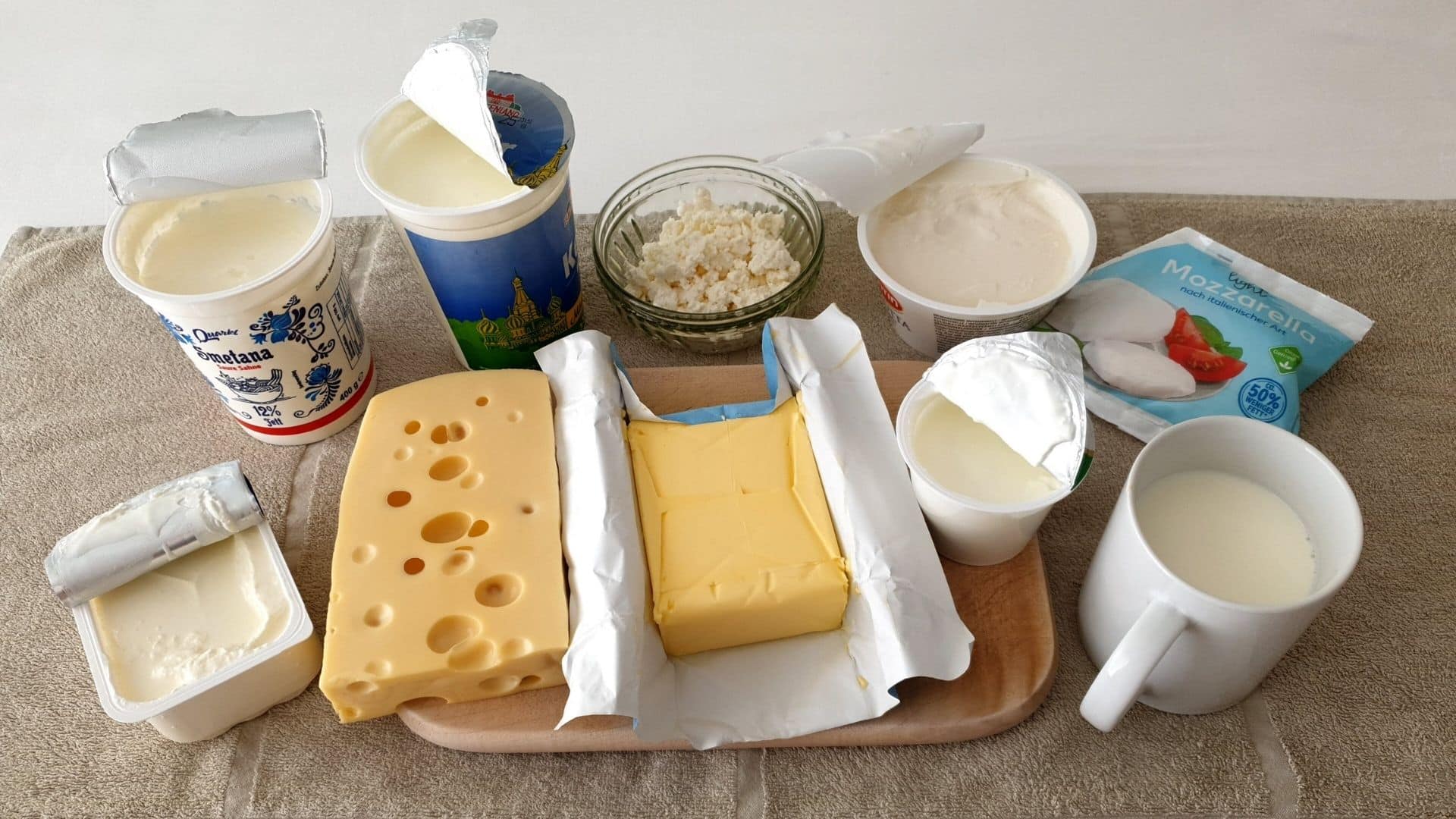
Full-fat dairy has also made a major comeback. The guidelines elevate whole milk, cheese, and yogurt, suggesting they are beneficial for cardiovascular health regardless of fat content. This change paves the way for whole milk to return to school cafeterias, moving away from the skim and low-fat options that have been the standard for years.
Declaring War on Added Sugar

While the guidelines embrace fats, they are strict on sugar. RFK Jr. stated, “Today, our government declares war on added sugar.” For children under 10, the recommendation is now zero added sugar. For adults, the advice is to keep it under 10 grams per meal, aiming to curb the “chronic disease epidemic” linked to sweet additives.
Target: Highly Processed Foods
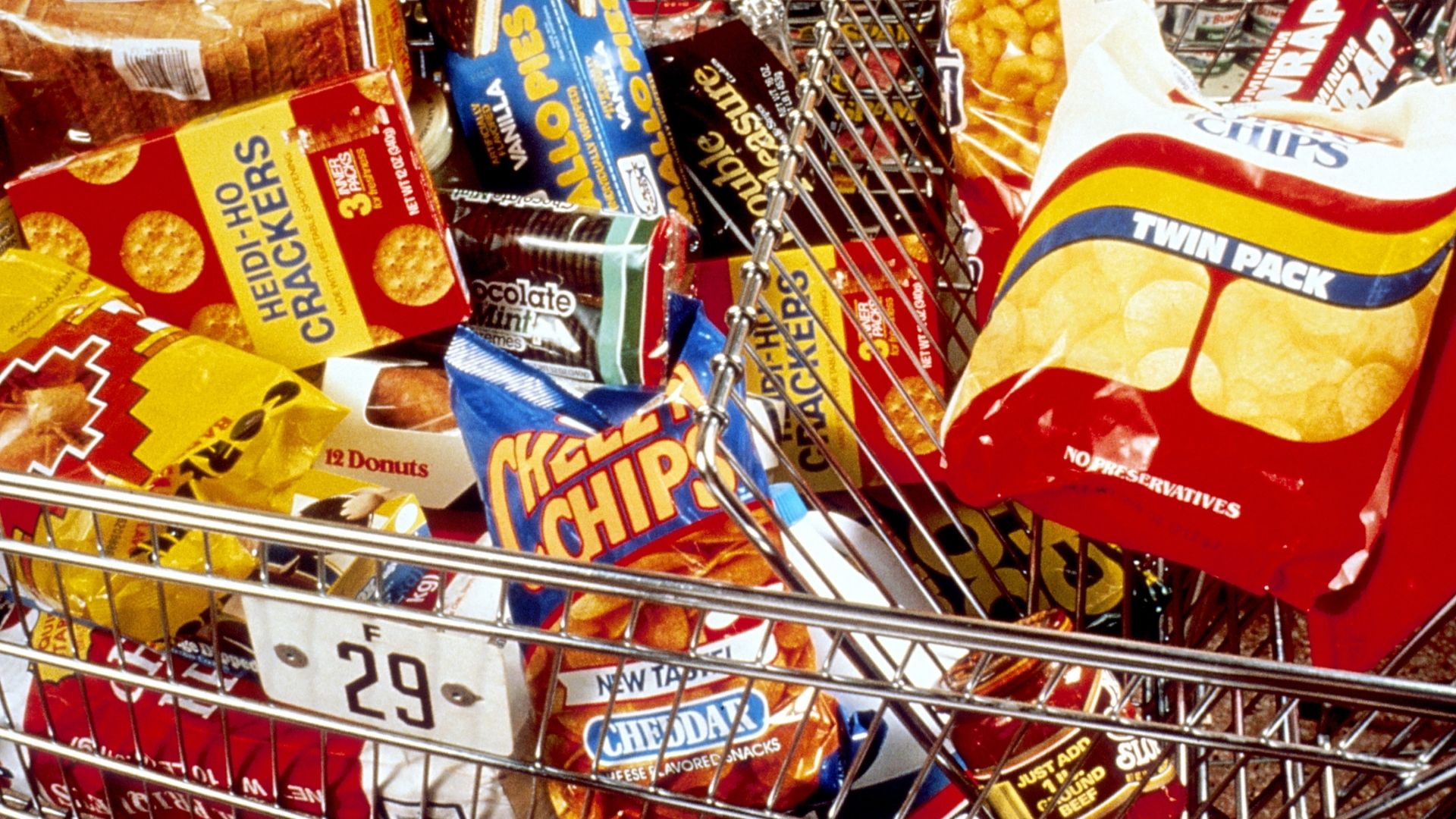
The most significant change is the “sledgehammer approach” to ultra-processed foods. The guidelines urge Americans to avoid “packaged, prepared, or ready-to-eat” items like chips, soda, and sugary cereals. Because these foods often contain artificial dyes and preservatives, the government is now explicitly labeling them as harmful to long-term health and gut wellness.
Real Food vs. Refined Carbs

While grains haven’t disappeared, they have been moved to the narrowest part of the pyramid. The focus is strictly on “fiber-rich whole grains.” Refined carbohydrates like white bread, flour tortillas, and crackers are now listed as items to significantly reduce. The goal is to shift the American diet away from “empty” calories toward nutrient density.
A Simpler View on Alcohol
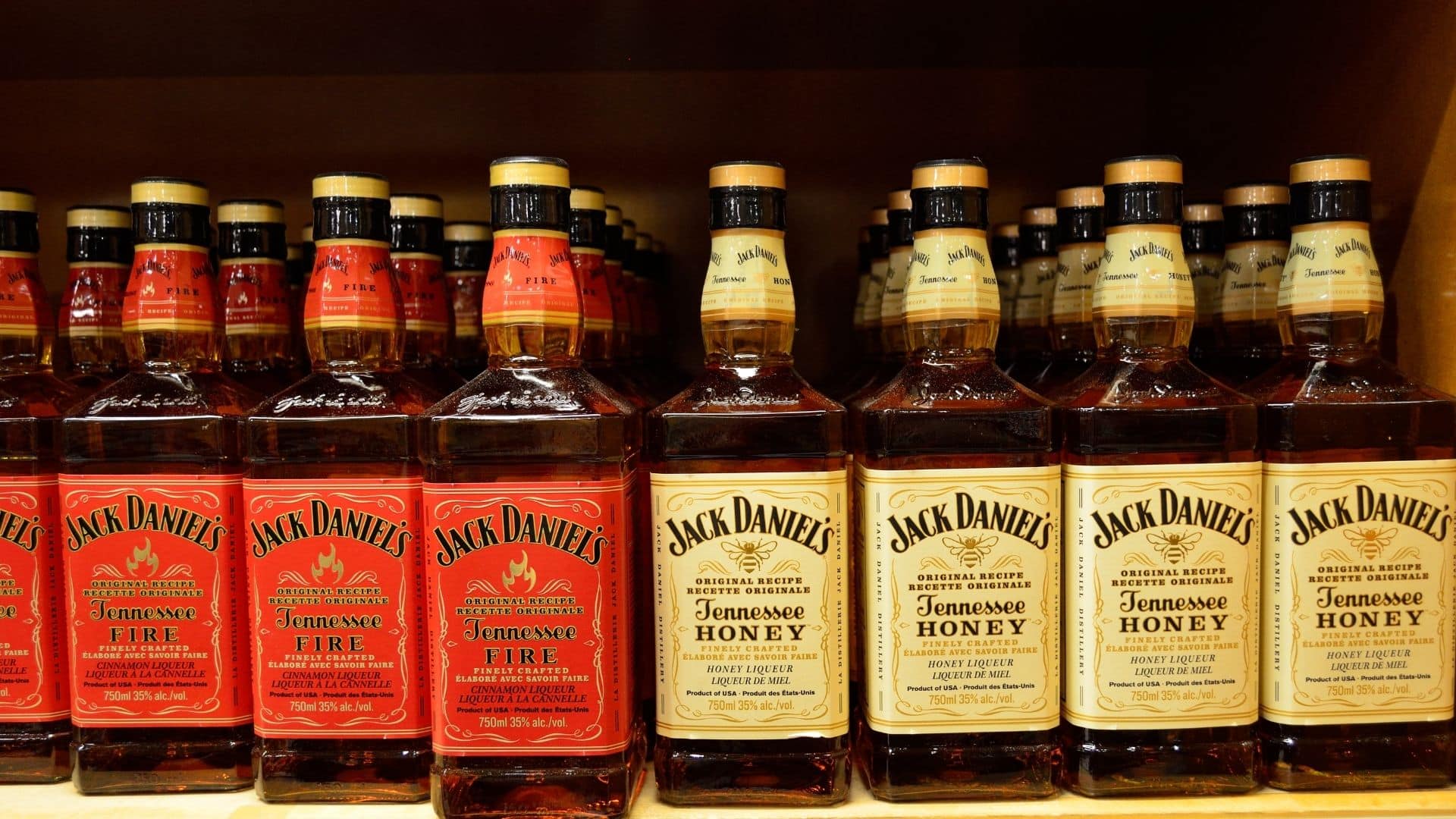
The previous specific limits—one drink for women and two for men—are gone. In their place is a simpler, more direct warning: “Consume less alcohol for better health.” The guidelines avoid setting a “safe” daily amount, instead listing specific groups who should avoid it entirely, such as pregnant women and those with certain medical conditions.
Impact on School Lunches

These guidelines aren’t just suggestions; they dictate policy for federal programs. Schools will soon see menus with more meat, whole milk, and “scratch-cooked” meals. By the 2025–2026 school year, new limits on added sugars in breakfast cereals and yogurts will take effect, aiming to improve the health trajectory of millions of students.
The Scientific Debate

Not everyone is cheering. Nutrition experts from Stanford and the American Heart Association worry that the emphasis on red meat and saturated fat ignores decades of research. They fear that prioritizing animal protein could increase risks for heart disease and certain cancers, advocating for plant-based proteins like beans and lentils instead.
Making America Healthy Again

The changes are the cornerstone of the “Make America Healthy Again” (MAHA) agenda. Agriculture Secretary Brooke Rollins noted that the policy aligns the food system with American farmers and ranchers. By focusing on “real food,” the administration hopes to reduce the nearly 90% of healthcare spending currently dedicated to treating diet-related chronic diseases.
Why the Document Shrank

The shift from 150 pages to just 10 was intentional. Kennedy and Agriculture Secretary Brooke Rollins accuse past guidelines of serving industry interests and “leftist ideologies” rather than the public. By streamlining the advice, the administration believes the average family can finally understand and follow the rules without needing a degree in nutrition or a calculator. Watchdog groups disagree, urging adherence to the December 2024 expert report. The debate highlights a growing clash between political vision and long-standing scientific consensus.
What Should You Eat?
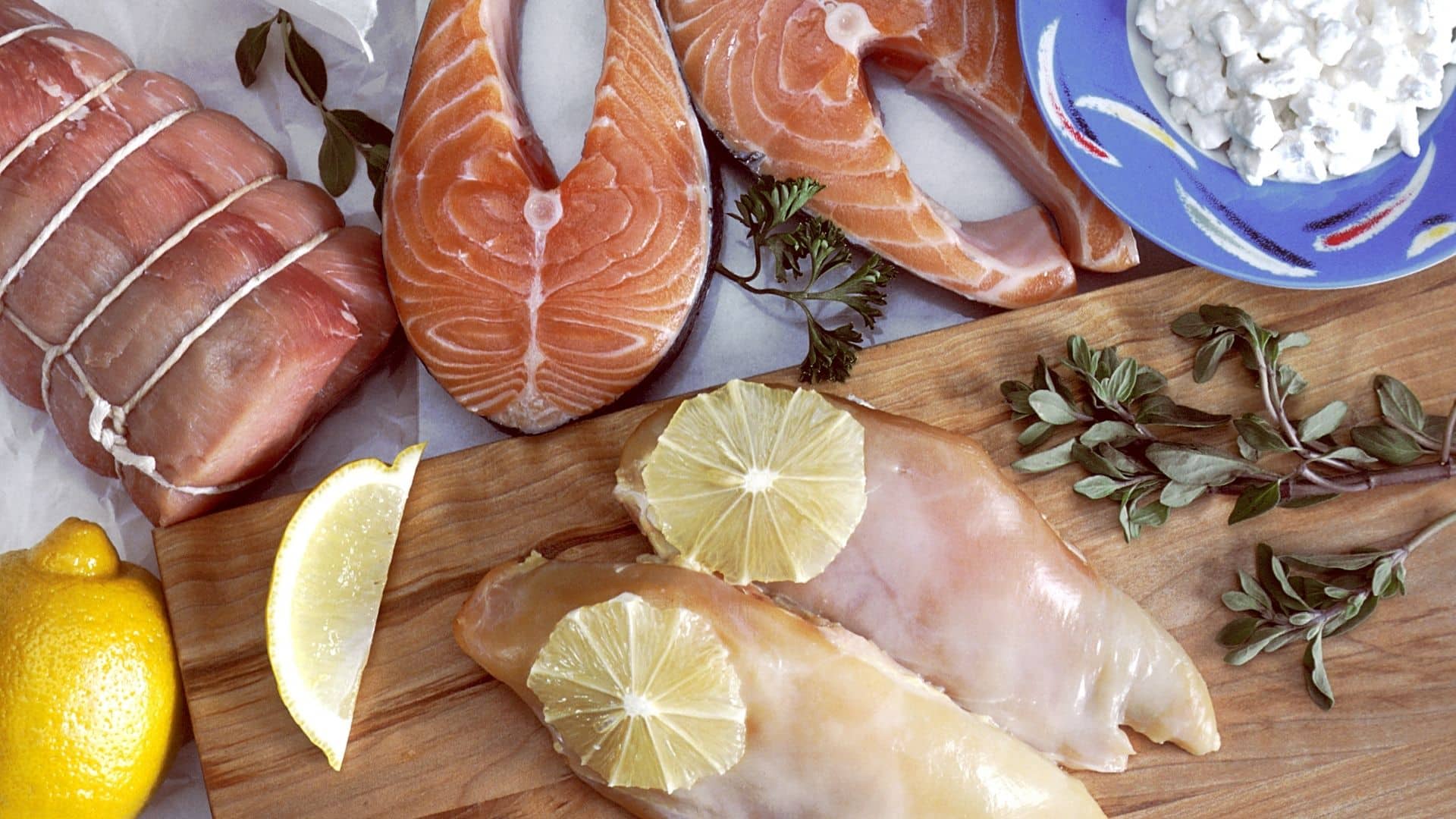
To follow the 2026 guidelines, your plate should look different. Focus on a palm-sized portion of high-quality protein, plenty of whole vegetables, and healthy natural fats. If it comes in a box with a long list of chemical ingredients, the new advice is simple: put it back on the shelf and choose “real food” instead.
The Path Forward

Whether this “nutrition reset” will fix America’s health remains to be seen. While the crackdown on processed food is widely praised, the focus on meat and fats remains a point of heavy debate. As these policies move from the page to your local school and grocery store, the American diet is entering a brand-new era.