Here’s What Health Experts Have to Say About RFK Jr.’s New Food Pyramid
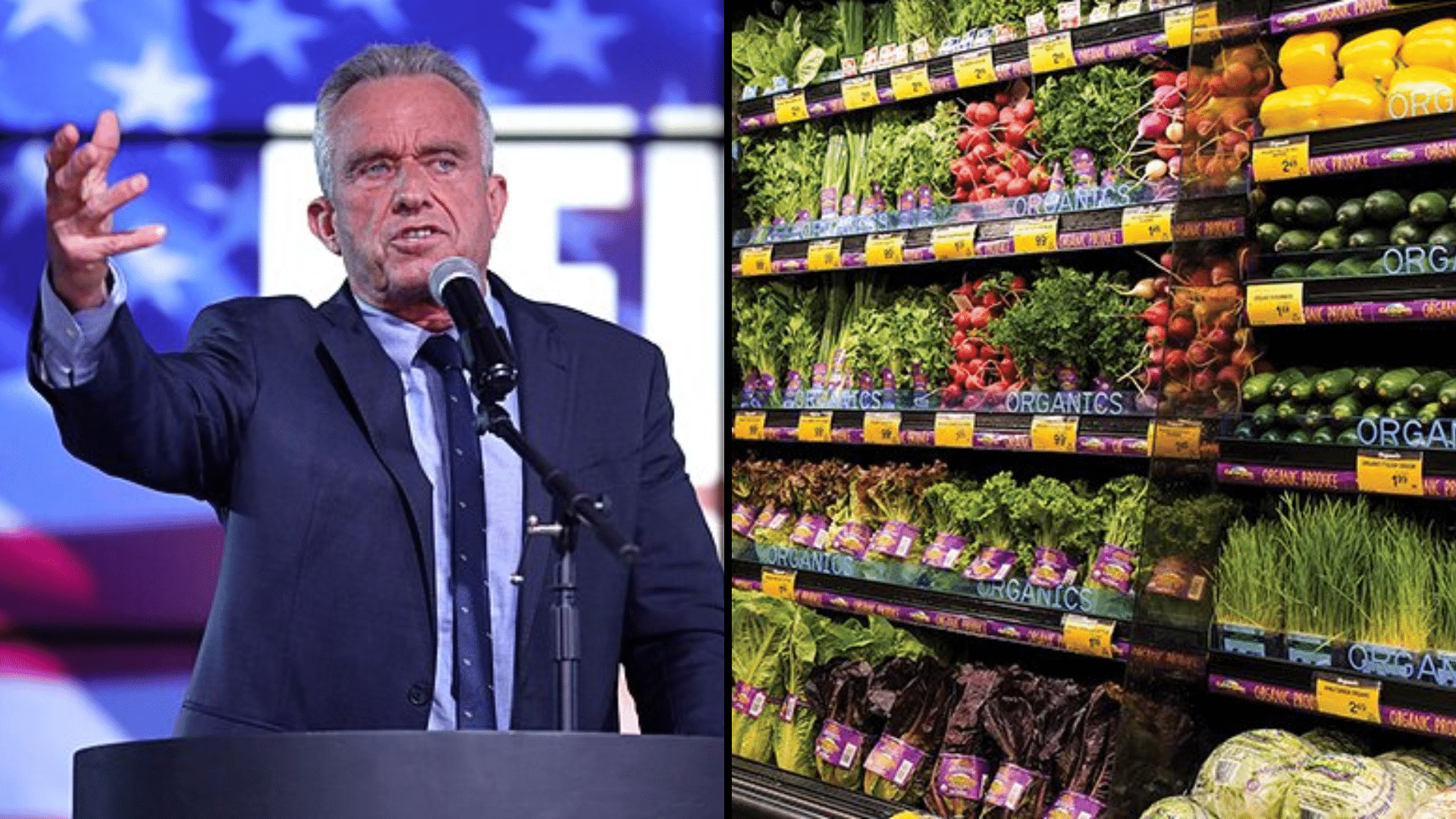

Health Secretary Robert F. Kennedy Jr. has unveiled a major overhaul of the U.S. dietary guidelines, introducing a new inverted food pyramid that flips long-standing nutrition advice on its head. The updated 2026–2030 Dietary Guidelines for Americans emphasize protein and nutrient-dense “real foods” while dramatically reducing ultra-processed foods, refined carbs, and added sugars.
Unlike the traditional pyramid most Americans learned about, this revision places protein, whole foods, and healthy fats toward the top of the visual model; signifying greater dietary importance, while de-emphasizing grains and carbohydrates. Kennedy calls this a “return to basics” and a shift toward whole, nutrient-dense choices.
Experts are divided. Some see merit in focusing on whole, unprocessed foods and reducing sugar and additives. Others warn the emphasis on meat and full-fat dairy challenges decades of nutrition science and could confuse the public about balanced diets.
What’s Actually in the New Guidelines
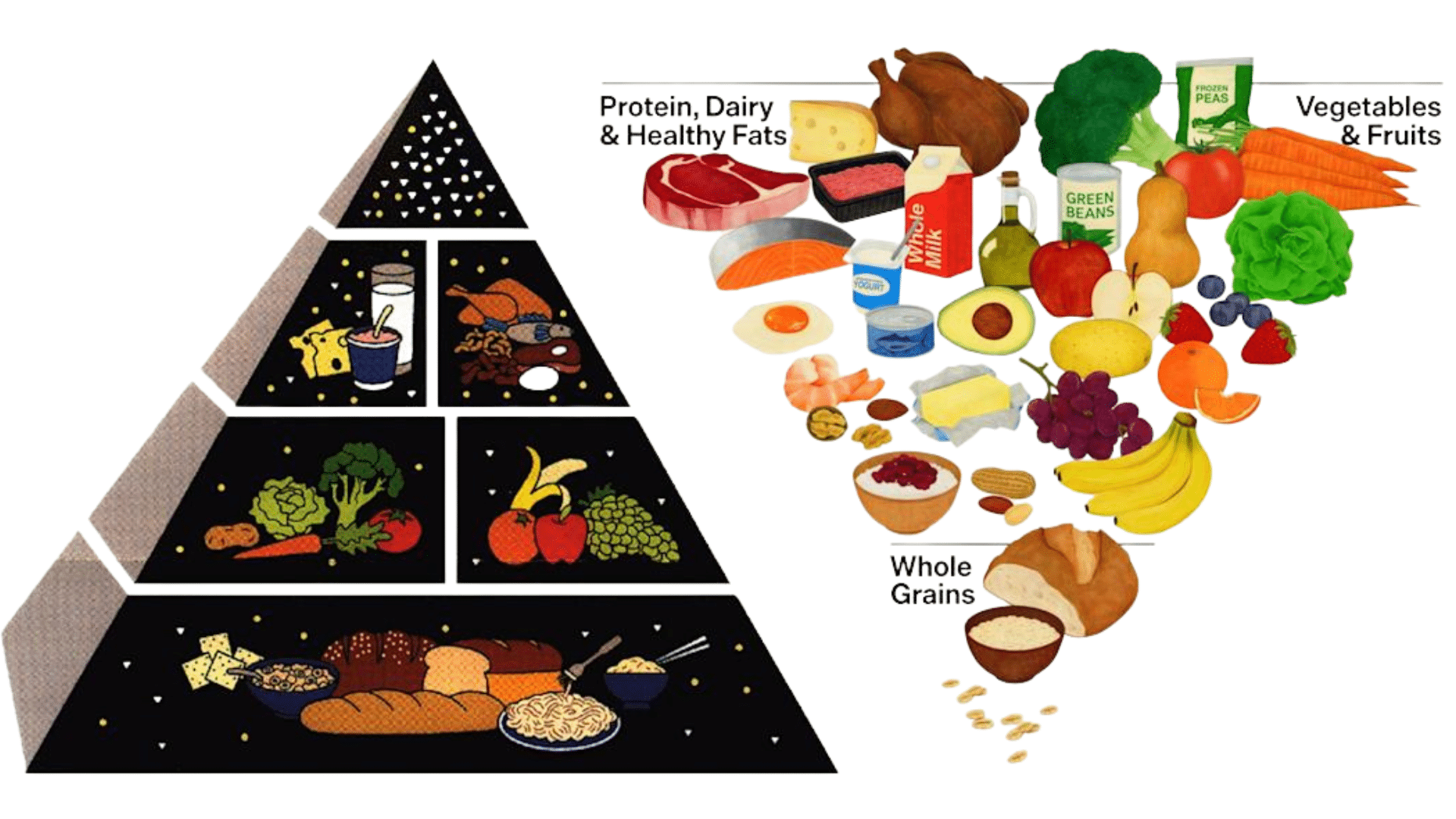
The 2026 dietary guidance flips the historic food pyramid structure, placing meat, red meat, full-fat dairy, vegetables, and fruits at the broadest, most prominent part of the pyramid, indicating suggested higher intake. Grains and refined carbohydrates are now on the narrow base.
The recommendations urge Americans to increase daily protein intake, including both animal and plant sources, and to focus on whole foods with fewer added sugars and highly processed ingredients. They also suggest choosing healthy fats from foods like nuts, olive oil, and even butter or beef tallow.
The guidelines also include updated advice on alcohol: rather than specific drink-per-day limits, Americans are encouraged to consume less alcohol overall for better health, a notable change from past guidance.
Health Experts Praise and Criticisms

Some nutritionists applaud parts of the shift. They highlight the focus on reducing ultra-processed foods, added sugars, and refined carbs, which aligns with evidence linking these components to chronic disease. Certain experts laud the guidelines for encouraging more vegetables and whole grains alongside protein.
But other respected voices in public health express concern. Critics note the emphasis on red meat and saturated fats contradicts decades of research tying high consumption of these foods to cardiovascular disease and metabolic harm. The American Heart Association has tempered its support, praising some components while warning the meat and fat focus may lead to excess sodium and unhealthy fat intake.
Renowned nutrition expert Dr. Marion Nestle calls parts of the guidance “muddled, inconsistent, and retro,” arguing the inverted pyramid could confuse rather than clarify healthy eating for the public.
What This Means for Americans’ Diets

The updated pyramid marks a dramatic departure from federal advice of the past few decades. It signals a pivot toward emphasizing “real food” and higher quality proteins while trying to curb sugar and processed food consumption.
Experts warn that while some changes may improve public health, the heavier focus on meat and full-fat dairy could have health and environmental implications if widely adopted. Critics also highlight that the recommendations may not fully consider food accessibility and affordability for all communities.
For many Americans, this food pyramid will spark debate — is this a return to nourishing basics or a step backward from evidence-based nutritional guidance? Only time and public response will tell how these guidelines reshape eating habits nationwide.

